


Rooster calls vary a lot in timing, tone, and space. Use the tips below to pick the best download quickly or write a prompt that generates a version that fits your camera distance, scene mood, and mix density.
Single crow vs sequence
If your shot needs a clear "wake-up" punctuation, a single crow with a defined transient is usually best. For montage or establishing audio, a short sequence with natural gaps feels more believable than repeating the same clip.
- For hard cuts, ask for "one crow" with a clean attack and short decay.
- For scene beds, ask for "two to three crows" with realistic spacing.
- Avoid overly rhythmic repeats unless you want a stylized or comedic effect.
Distance, air, and room tone
Perspective changes everything: close takes are detailed and dry, while distant calls have rolled-off highs and more ambience. Match the sonic distance to your framing so the sound doesn't feel pasted on.
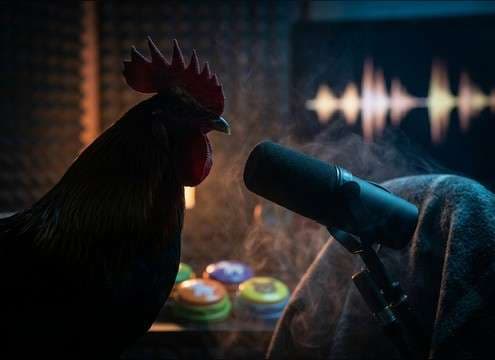
- Close-up: prompt "close-miked, dry, minimal room tone."
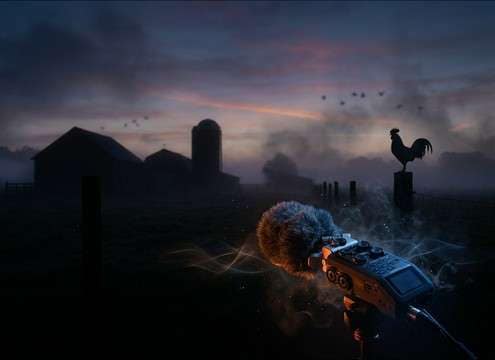
- Wide shot: prompt "distant across a field, airy, longer tail."
- Indoor barn: prompt "wooden reflections, medium reverb tail, wider stereo."
Taming harshness in the mix
Rooster crows can spike in the upper mids and compete with narration. When choosing a clip (or regenerating), prioritize a controlled transient and a smoother top end if you're placing it under dialogue or music.
- Ask for "softer" or "less harsh high-end" when the crow feels piercing.
- Choose shorter tails when the scene already has ambience or reverb.
- If it masks speech, pick a less aggressive call rather than just turning it down.
Make it feel like morning (not a sound tag)
A rooster crow alone can sound like a generic sticker. Subtle context—light wind, faint birds, stable ambience—helps sell the time of day without overpowering your scene.
- Prompt "dawn ambience, faint birds, light wind" for documentary realism.
- Keep background layers subtle so the crow remains the focus.
- Avoid heavy insects or nighttime crickets if the scene is clearly sunrise.