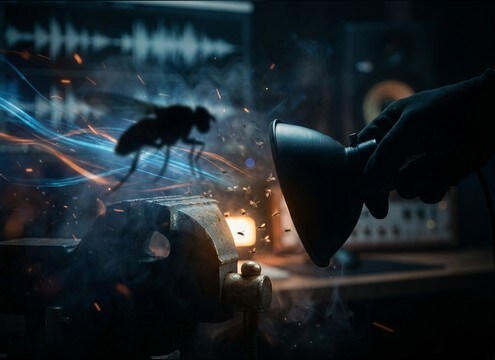

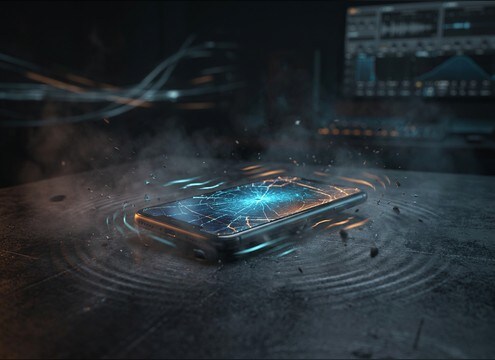


Buzzing is easy to generate but hard to make believable in context. The trick is to describe what is buzzing (insect wings, fluorescent ballast, neon tube, phone vibration), then control the parts that audiences notice most: pitch and harmonic grit, modulation speed, and whether the sound is a steady loop or a pulsed pattern. Use the tips below to choose or prompt a buzz that reads instantly on screen.
Start with the source, not the adjective
A buzz from a bee, a neon sign, and a transformer can share the same word, but the texture is completely different. Naming the object guides the harmonic profile and the mechanical character.
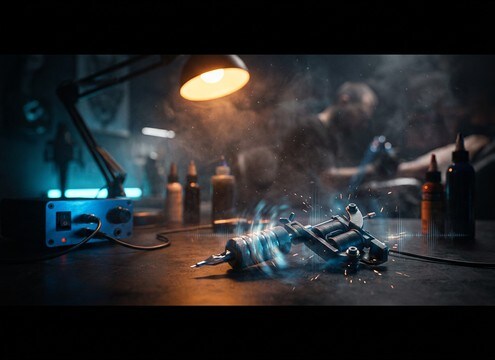
- Use nouns like bee swarm, fly close, fluorescent ballast, neon tube, transformer, tattoo machine, phone vibration
- Add one material hint when needed: metal rattle, plastic resonance, glass tube, desk surface
- Avoid vague prompts like just buzzing noise unless you want an abstract tone
Control pitch, rasp, and modulation
Most buzzing problems come from the wrong brightness or too much wobble. Dial in whether the buzz should be smooth, gritty, or fluttery, and keep modulation speed believable for the source.
- For insects: higher pitch with fast flutter, slight movement, minimal low-end
- For electrical: stronger low-mid hum, subtle flicker modulation, stable sustain
- For malfunctions: add distortion or rattle, but request no loud pops or spikes
Choose loop vs pulse by action
A continuous buzz supports ambience, while pulses sell device vibrations and short reactions. Decide how the buzz should start and stop so it cuts cleanly in your timeline.
- Ask for loopable sustain, clean start, clean end when building ambience beds
- Ask for short pulses, crisp attack, quick decay for phone vibrations and alerts
- If dialogue is present, request a lower noise floor and reduced harsh highs
Common mistakes to avoid
Buzzing can mask speech and fatigue the ear. Prevent issues by keeping the spectrum and dynamics controlled and by matching the perceived distance to the shot.
- Avoid excessive high-frequency fizz unless the scene calls for irritation
- Avoid wide stereo wobble for small sources like phones or ballasts
- Avoid random clicking artifacts if you need a clean production replacement