







A cat meow reads differently depending on mood, distance, and the space around it. Use this quick guide to pick a ready-made clip or write a prompt that nails the right pitch, transient sharpness, and tail length—so it lands naturally on the frame instead of sounding pasted in.
Start with the cat's intent
Most edits need one of a few clear behaviors: asking, protesting, greeting, or calling from another room. Describe the emotion first, then refine the tone.
- Needy/asking: smoother attack, gentle upward pitch glide
- Annoyed/protesting: rougher texture, more bite in the midrange
- Friendly greeting: brighter tone, shorter tail, less strain
Set perspective and space
Distance is more than volume. A close meow needs clarity and detail, while a distant meow should lose highs and pick up room reflections.
- Close-up: crisp transient, minimal room tone, wider detail
- Next room: muffled highs, softer onset, reduced definition
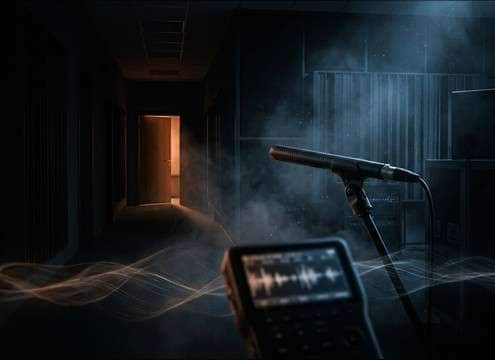
- Hallway/large room: early reflections and a slightly longer decay
Match timing to the on-screen action
Meows feel convincing when the attack lands with the cat's mouth movement or head turn, and the tail doesn't overlap the next cut.
- For quick cuts, choose a short tail and clean end
- For lingering shots, allow a longer decay for naturalness
- If there's dialogue, favor a softer meow that won't mask consonants
Avoid common "stock meow" giveaways
Overly theatrical yowls or overly wet reverb can distract. Keep it believable unless the scene is intentionally exaggerated.
- Avoid extreme reverb unless the location is clearly large
- Avoid constant repetition; vary pitch or spacing for realism
- Avoid harsh clipping; choose cleaner transients for easier mixing