
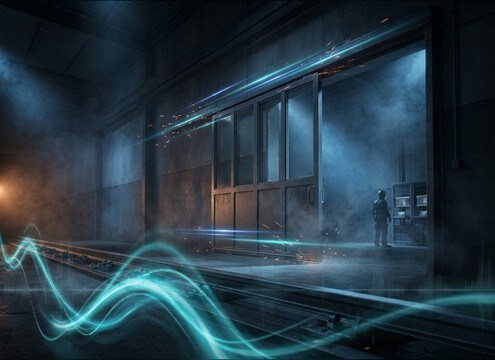
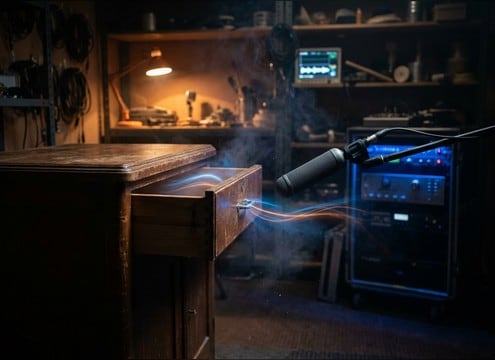
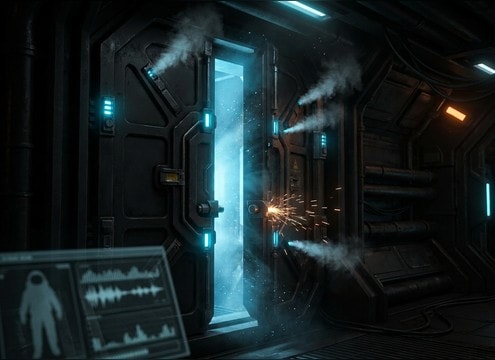


Door audio is all about the moment of contact: the latch, the hinge movement, and the tail that tells the viewer what space they are in. Use the tips below to choose a stock clip faster or write a prompt that generates a door sound with the right material, speed, and perspective for your scene.
Start with the door type and hardware
Name what is moving and what is clicking. A hollow interior door, a heavy exterior door, and a cabinet all have different body tone, attack, and resonance. Mention the latch, handle, bolt, or seal if you need a distinct mechanical signature.
- Call out material: wooden, metal, glass, laminate, hollow-core
- Specify hardware: latch click, deadbolt, handle turn, chain, seal release
- Describe mass: light, medium, heavy, reinforced
Control the action and timing
Most edits need a door sound to land on a specific frame. Ask for a quick snap, a gentle close, or a slow swing with a clear start and end. For sequences, request a natural pause between open and close so you can cut around it.
- Set speed: slow swing, normal open, fast yank, sudden slam
- Define the beat: single close vs open then close with a pause
- Ask for clean edges: clear transient, minimal extra bumps
Match perspective: close vs distant
Perspective decides how much detail you hear. Close sounds emphasize latch and hinge texture; distant sounds soften the transient and add more room tail. Choose stereo width and ambience based on whether the camera is right at the door or down the hall.
- Close-mic: crisp latch, dry room, short tail
- Mid-distance: balanced body tone, moderate reflections
- Distant hallway: softened highs, longer decay, more room tone
Avoid common door SFX mistakes
Door clips often feel fake when the tail is too long for the space, the slam is too bright, or there is extra ambience that conflicts with your production sound. Keep it believable and easy to mix by asking for controlled noise and consistent room character.
- Avoid oversized reverb that does not match the room on screen
- Avoid background chatter, footsteps, or wind unless requested
- Avoid overly boomy low-end thumps that mask dialogue