






A good ba-dum-tss is mostly timing plus tone: the transient must read instantly, and the tail must not step on the next line. Use the library to grab a ready sting, then prompt variations to control dryness, room reflections, and how long the rimshot decays. The tips below help you choose the right comedic feel without overcomplicating your edit.
Match the joke pace with attack and spacing
For fast dialogue, a tight transient and short decay keeps the punchline clean. For slower, stage-like delivery, a slightly longer tail can reinforce the moment without sounding late.
- Prompt words like "tight", "snappy", or "instant attack" for quick punchlines
- Ask for "short tail" if another line starts immediately after the sting
- Use "ba-dum" lead-in only when you have space before the rimshot
Choose dry vs roomy based on the scene
Dry versions feel like post-added soundboard cues. Roomy versions feel like a band in a venue. Pick the space that matches what the viewer sees, not just what sounds funny in isolation.
- Use "dry studio" for memes, UI gags, and quick cuts
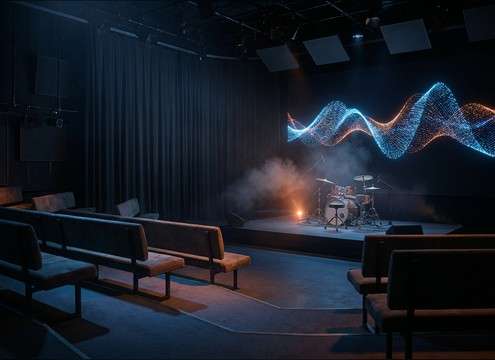
- Use "small theater room" for variety-show or sitcom vibes
- If voice is present, keep reflections subtle to avoid masking consonants
Dial the instrument character for the right flavor
Rimshots read classic and bold, brushes read softer, and saturated or vintage tones feel retro. Small changes in brightness and pitch can shift the mood from playful to sarcastic.
- Ask for "rimshot" when you want a classic comedy button
- Ask for "brush hit" for a gentler, less aggressive cue
- Try "vintage tape saturation" when your video has a retro aesthetic
Avoid common edit problems
Most ba-dum-tss misses are either too loud, too long, or too roomy for the cut. A clean transient with a controlled tail is easier to place and easier to repeat.
- Avoid overly long ring that overlaps the next dialogue line
- Avoid excessive low-end that turns the sting into a thud on phones
- Avoid extreme stereo width if the sound must feel centered on-screen