


A believable scream is mostly about performance detail (breath, strain) and context (distance, space). Use prompts that specify how the scream starts, where it happens, and how it ends, then choose the take whose transient and tail fit your scene's ambience instead of fighting it.
Choose the emotion and intensity
"Scream" can mean panic, shock, pain, or a dramatic wail. Naming the emotion helps the generator avoid a generic shout and gives you a performance that reads instantly on-screen.
- Use emotion words: panic, startled, terrified, strained, hysterical
- Specify vocal texture: breathy, raspy, choked, trembling
- Control peak energy: subdued, medium, full-force, but not distorted
Set perspective: close, distant, or obstructed
Most edits fail because the scream feels too close for the picture. Tell the model where the listener is relative to the source so room tone and high-frequency roll-off make sense.
- Close-mic: dry, detailed, strong transient, minimal reflections
- Distant: thinner body, more air, less high-end, softer attack
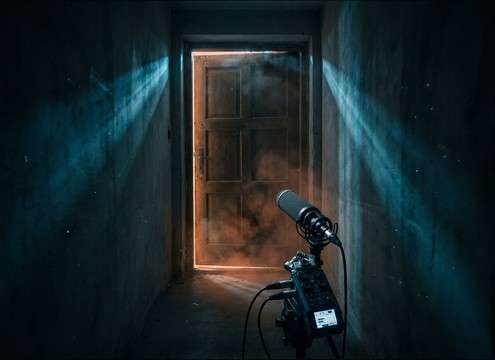
- Obstructed: "behind a door" or "through a wall" for muffled highs
Match the space with tail and reflections
A hallway slapback reads very differently from a bedroom or outdoors. If your scene already has ambience, aim for a tail that supports it rather than doubling it.
- Small room: short decay, tight reflections, low stereo width
- Hallway/stairwell: noticeable early reflections, longer decay
- Outdoor: minimal reverb, light environmental wash instead of echo
Avoid common "fake scream" giveaways
If a scream sounds like a stock library cliché, it's usually because the performance is too clean, too constant, or ends unnaturally. Prompt for imperfections that humans actually produce.
- Add breath events: inhale before peak, exhale tail, slight voice break
- Avoid over-sustained notes unless you need a cinematic wail
- Keep noise controlled: no clipping, no harsh digital crackle