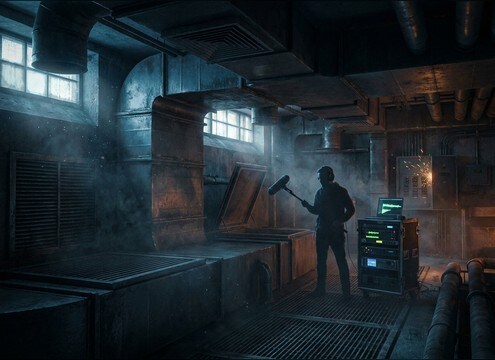


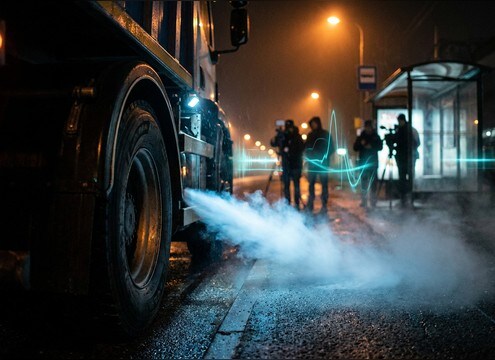

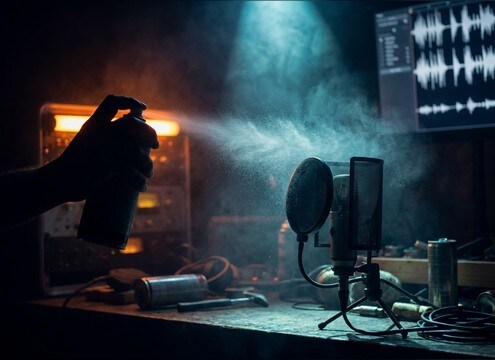



Air is tricky because it can read as wind, HVAC noise, or pressure release depending on the attack and the tail. Use this guide to pick the right asset quickly, or write prompts that generate a whoosh that lands on a frame, a hiss that stays stable under dialogue, or a vent bed that loops without obvious seams.
Start with the airflow action
Name what is happening physically so the sound has the right envelope. A whoosh implies motion, a puff implies a valve event, and a hiss implies continuous pressure escaping.
- Use action words: "whoosh past camera", "valve puff", "steady leak"
- Specify envelope: sharp transient vs soft onset
- Call out texture: smooth air vs gritty turbulence
Control distance, space, and stereo width
Air clips can feel wrong when the space does not match the shot. Distance choices change reflections, hiss brightness, and how wide the movement feels.
- Close = dry, detailed, narrow stereo, minimal room tone
- Distant = softer attack, more diffuse tail, wider stereo
- Indoor vs outdoor cues: light reflections vs open air
Pick one-shot vs loop on purpose
Many air needs are either a punctual event (air release) or a bed (ventilation). Choose assets with the right loop quality and stable level for long scenes.
- For beds, prioritize steady noise and smooth start/end
- For one-shots, prioritize clean transient and controlled decay
- Avoid clips with obvious pumping or tonal whistling unless desired
Avoid common air SFX mistakes
Air can quickly turn harsh or fake if the spectrum and tail are wrong. A little restraint usually mixes better and feels more believable.
- Skip piercing whistles unless you need a stylized effect
- Watch low-end buildup that muddies dialogue and footsteps
- Do not over-reverb short puffs; it can smear the timing