
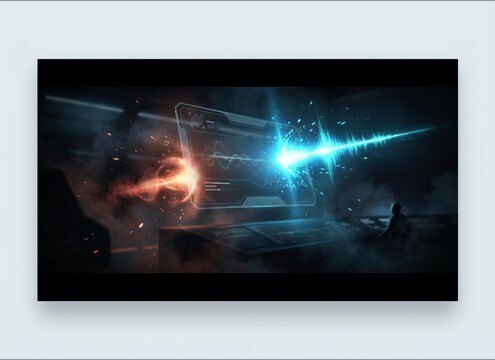



A right-buzzer works when it is instantly recognizable, short enough to stay out of narration, and bright enough to cut through small speakers. Use the library when you need a quick correct cue, or generate a custom version by describing the tone (ding vs beep), the envelope (snappy attack, short decay), and any style references (game show, arcade, minimalist UI).
Choose the cue type: ding, beep, or chime
Start by deciding whether the moment should feel like a show reveal, a product confirmation, or a retro game event. The cue type sets listener expectations and helps separate correct from incorrect feedback.
- For game shows: request a sparkling chime or a short fanfare with a tidy finish
- For apps: request a minimal confirm blip with low masking and no room tone
- For retro games: request an 8-bit square-wave beep with fast decay
Dial in attack and tail for readability
Right buzzers should speak quickly and get out of the way. A sharp transient improves clarity, while a controlled tail avoids clutter during the next line of dialogue or the next question.
- Ask for a crisp transient if the cue competes with speech or crowd noise
- Keep decay short when answers come rapidly or the host speaks immediately after
- Avoid long reverbs unless you are matching a deliberate stage-show vibe
Match pitch and brightness to your platform
What sounds exciting on studio monitors can be harsh on phones. Adjust pitch, brightness, and stereo width so the cue stays pleasant yet unmistakable across devices.
- Request a slightly lower pitch for kid-friendly or classroom use
- Ask for controlled highs to avoid piercing tones on earbuds
- Use moderate stereo width for video; keep it tighter for in-app UI
Avoid common right-buzzer mistakes
Correct cues fail when they are too long, too loud, or too similar to wrong-answer buzzers. Keep the sound simple and consistent so users learn it immediately.
- Do not add heavy noise or ambience that makes the cue feel messy
- Avoid overly complex melodies that distract from the next prompt
- Do not overcompress; leave a clean peak without a crunchy click