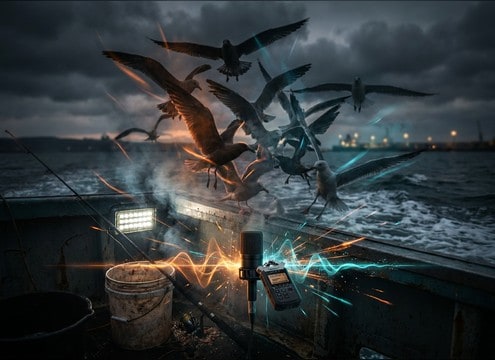




Seagull audio can read as fake fast if the distance is wrong, the highs are too sharp, or the ambience bed will not loop. Use prompts that specify perspective, shoreline conditions, and how dense the flock should be. When browsing clips, listen for clean transients, believable decay, and a steady noise floor that will not pump under compression.
Choose perspective: close, mid, or distant
Start by deciding if gulls are the subject or just a location cue. Close calls need a crisp attack and controlled harshness, while distant calls should feel softened and more spacious. If your shot is wide, avoid single sharp squawks that pull attention away from the image.
- Prompt cues: close pier screech, mid-distance shoreline, far flock across the bay
- Ask for softened transients for distant takes to avoid a too-present sound
- Keep close calls sparse so they do not fight dialogue or narration
Match the shoreline texture
Gulls rarely live in silence. Your bed may include surf hiss, wind, or dock reflections, and that background determines how well the call sits in the mix. A harbor can support subtle slapback, while an open beach usually feels drier with more wind noise and fewer hard reflections.
- Prompt surf level: faint surf, steady surf hiss, or surf masked by wind
- For harbors, request light echoes or reflections off boats and buildings
- If the scene is calm, ask for lower harshness and gentler dynamics
Make ambience loop cleanly
Looping gull ambience works best when there are no sudden peaks at the end of the file and the background texture stays consistent. A stable noise floor and smooth timing lets you repeat the bed behind long sequences without obvious repetition or clicks at the cut point.
- Use prompt words like loopable, seamless loop, or stable bed
- Avoid requests for constant loud squawks if you need a repeating ambience
- Prefer wider stereo beds for establishing shots, then cut to a closer call for emphasis
Common pitfalls to avoid
Many seagull clips fail because they are too bright, too rhythmic, or mismatched to the environment. If the call sounds like it was recorded indoors or has an unnatural reverb tail, it will break the illusion of open air. When in doubt, choose a less aggressive take and add interest with timing rather than volume.
- Avoid exaggerated high-end screeches when the shot is serene
- Do not use heavy room reverb for open shoreline scenes
- Skip overly busy flocks for dialogue scenes; intermittent calls read more realistic