


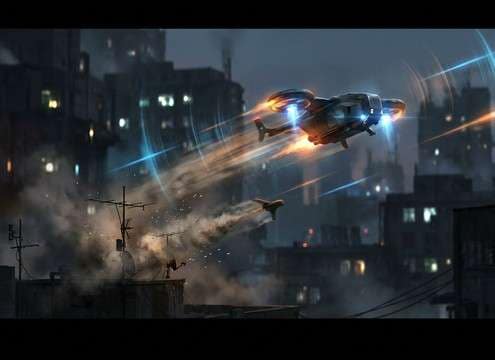


A good whoosh is not just wind. It is a motion cue with a specific attack, pitch path, and tail length that matches what the viewer sees. Use these tips to pick the right library clip or write a prompt that nails UI swipes, sword passes, camera whip transitions, and fly-bys without harsh hiss or muddy low-end.
Start with the motion and timing
Describe what is moving and how fast it travels across frame. Faster motion needs a sharper transient and shorter decay, while slower wipes need a smoother rise and longer tail.
- Use words like snap, whip, glide, or sweep to shape the attack
- Call out the timing target: hit on cut, lead-in, or trail-out
- Ask for a tight ending if the next shot starts with dialogue
Pick the texture: air, cloth, or sci-fi
Whooshes can be airy, cloth-like, metallic, or synthetic. The texture should match the object and the visual style of the scene.
- Airy whooshes work for UI swipes and clean motion graphics
- Cloth or body swishes fit character moves and close passes
- Synthetic shimmer fits magic or energy fly-bys without sounding like wind
Control space, distance, and stereo width
Perspective sells realism. Close whooshes are brighter and more detailed; distant passes are softer with less bite. Stereo width should match the camera move and the mix.
- Request narrow stereo for subtle edits and wide stereo for whip pans
- Ask for distant perspective when the object is far from camera
- Keep tails short in small scenes to avoid fake room buildup
Avoid common whoosh problems
A bad whoosh distracts. Prevent harsh sibilance, clicks, or overpowering low-end by stating what you do not want in the prompt and by choosing the right duration.
- Avoid hiss and digital fizz by asking for clean highs, no distortion
- Avoid boomy low-end by requesting controlled bass and no rumble
- Avoid abrupt clicks by asking for smooth fade and no hard cut