



Girl-voice SFX often fail because the timing is off (too long), the sibilance is harsh, or the space does not match the scene. Use prompts that specify delivery, mic distance, and tail length, then regenerate small variations to fit your edit. Below are practical prompt patterns for giggles, whispers, callouts, and emotional reactions without unwanted noise or exaggerated artifacts.
Pick the reaction and intensity
Start by naming the exact moment: a single giggle, a sharp gasp, a quiet shh, or a short cry. Add intensity words so the generator does not overshoot into shouting or underplay into inaudible breath.
- Use verbs: giggle, gasp, whisper, call out, sigh, whimper
- Add intensity: subtle, playful, startled, panicked, restrained
- State pacing: quick, clipped, with a tiny pause, rapid burst
Control sibilance and mouth noise
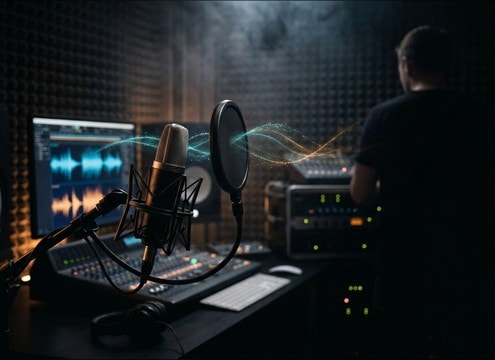
Whispers and shh sounds can bring harsh hiss, while close giggles can add distracting lip noise. Ask for controlled sibilance and a low noise floor to keep the clip mix-ready.
- Prompt: controlled sibilance, no harsh hiss, low noise floor
- Ask for clean consonants and no clicks or saliva sounds
- If it is too bright, regenerate with softer highs or less breath
Match mic distance and space
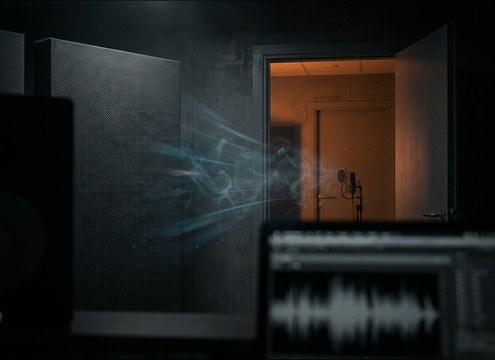
A close-mic line sounds intimate; an off-screen cue needs more room tone and less presence. Describe the space so the tail and reflections feel consistent with your shot.
- Close: close-mic, dry room, minimal reflections, short tail
- Distant: from next room, added room tone, softer transients
- Avoid heavy reverb unless the scene is clearly in a large space
Choose duration that fits the cut
Most reaction beats work best when they end cleanly before the next line or music hit. Use 5 seconds for single reactions, 10 seconds for a small emotional beat, and 20 seconds for chatter beds you can trim.
- 5s: giggle, gasp, shh, quick callouts
- 10s: short cry, longer laugh, whisper line plus breath
- 20s: excited chatter, repeated reactions, background voice bed