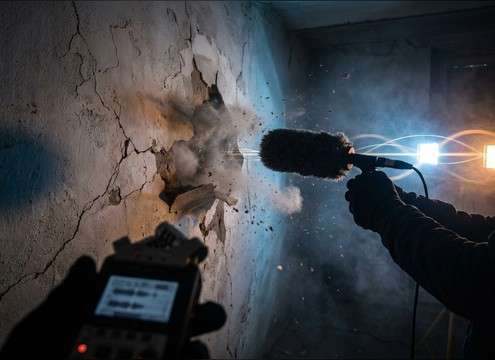
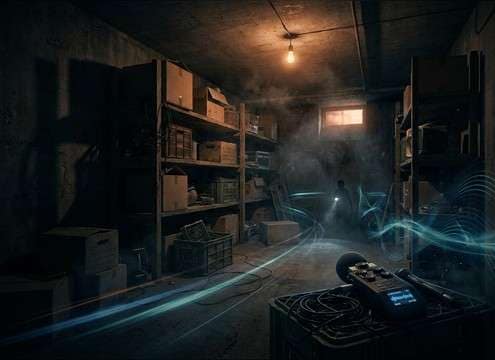
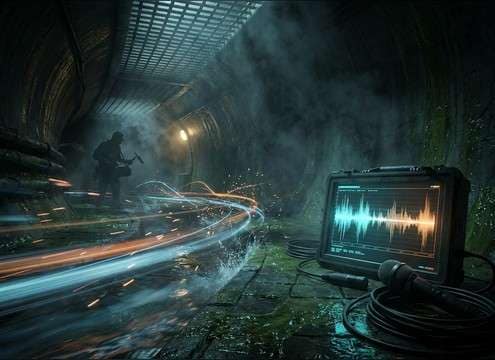
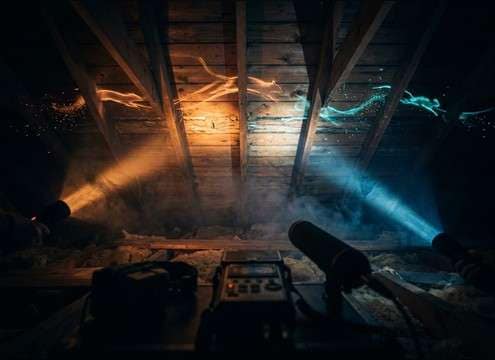


Rats read as believable when the action is specific: a quick scurry, a single warning squeak, or persistent scratching behind drywall. Use the library when you need instant placement, then refine with prompts that describe distance, surface, and room character so transients, decay, and masking match what the camera suggests.
Choose the action, not just the animal
A good prompt names the behavior and the physical contact point. Scurrying sounds are transient-heavy, while gnawing is clicky and repetitive. Scratching is often uneven and interrupted by pauses.
- Use verbs like scurry, scratch, gnaw, rustle, squeak
- Call out the surface: drywall, wood, concrete, wet tile
- Specify rhythm: frantic burst, steady scrape, single chirp
Set perspective with distance and muffling
Most rat moments are offscreen. Indicate whether the sound is inside a wall, above a ceiling, or right next to camera. This helps the generator shape high-frequency detail and perceived room size.
- Close: crisp ticks, minimal room tone, short tail
- Behind wall: muffled highs, soft transients, boxy resonance
- Down corridor: quieter direct sound with longer reflected tail
Match the environment so tails make sense
The same scurry feels different in a carpeted apartment versus a wet sewer. Add the space type so decay and reflections support the scene instead of fighting it.
- Basement: damp room tone and gentle low-mid build
- Attic: dry wood resonance and light hollow reflections
- Sewer: wet slap detail and a darker, longer tail
Avoid tells that break realism
Overly loud squeaks, cartoon pitch, or constant nonstop movement can sound fake. Aim for short events with gaps, and keep levels believable for the camera distance.
- Avoid nonstop looping scurry with no pauses
- Avoid overly bright, squeaky-clean highs for hidden sources
- Avoid mixing multiple actions at once unless you want an infestation bed