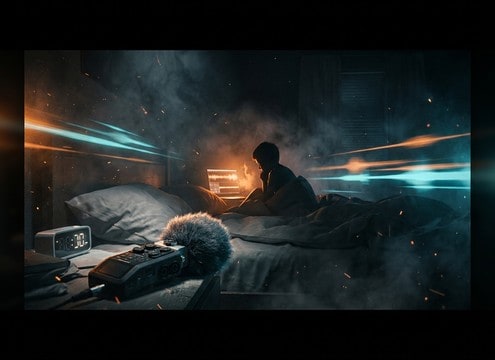
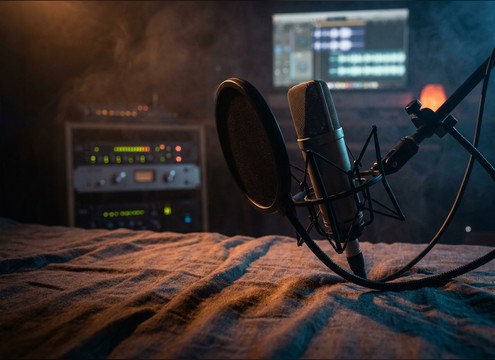
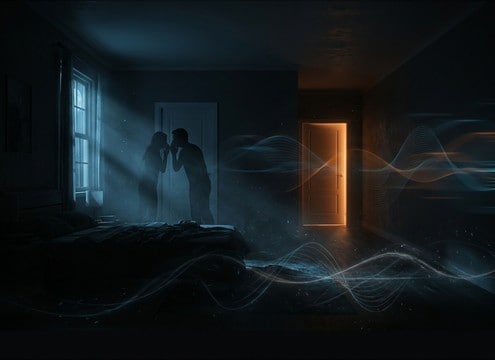
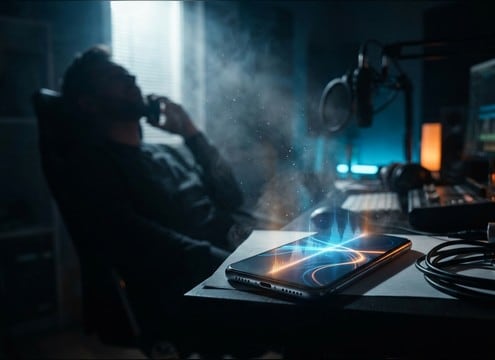


Snoring reads differently depending on camera distance, the room, and whether the moment is comedic or intimate. Use the library to audition quick takes, then refine with prompts that specify breath rhythm, muffling, and how much room tone you want. The goal is to match the cut: clear transients for close shots, softer attacks for distant rooms, and consistent cycles for loops.
Pick a snore style and intensity
Start by deciding if the snore should feel light and sleepy, heavy and disruptive, or intentionally cartoonish. Intensity changes the low-end body, rasp, and how much it masks dialogue.
- Light: airy nasal tone, short decay, low masking strength
- Heavy: thicker low-end, longer tail, more irregular dynamics
- Comedic: honk-like pulses, brighter tone, obvious rhythm
Match distance and muffling to the camera
Distance determines detail. Close perspectives need clean transients and less room bed. Distant or next-room perspectives should sound softer, with more reflections and less high-frequency detail. Muffling can imply blankets, pillows, or a closed door.
- Close mic: clearer inhale transient, wider detail, lower room tone
- Across room: softer attack, more reflections, narrower presence
- Muffled: rolled-off highs, reduced stereo width, gentler texture
Control rhythm for editing and looping
Snore cadence is what makes a scene feel natural. For quick cutaways, a single cycle may be enough. For montages or long interiors, ask for steady timing and smoother transitions so loops do not click or jump.
- Cutaways: one to two obvious snore pulses that end cleanly
- Background bed: consistent tempo with stable noise floor
- Loop notes: request loop-friendly start and tail behavior
Avoid common snore SFX mistakes
Snore effects become distracting when they fight speech, contain harsh peaks, or feel too synthetic for the visual. Keep it believable, keep levels controlled, and use muffling when the snore should sit behind the scene.
- Avoid sharp spikes that clip or pull focus from dialogue
- Avoid overly bright, whistling tones unless it is a gag
- Avoid sudden silence between cycles if the shot is continuous