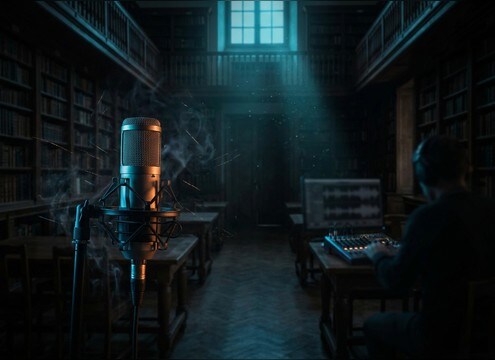
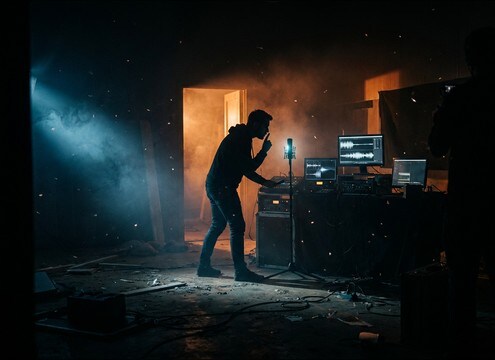
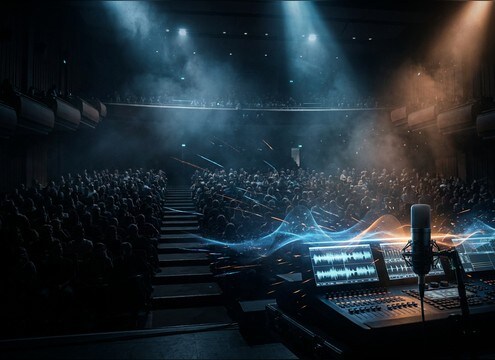
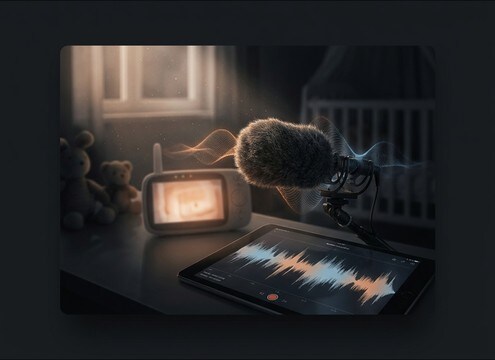

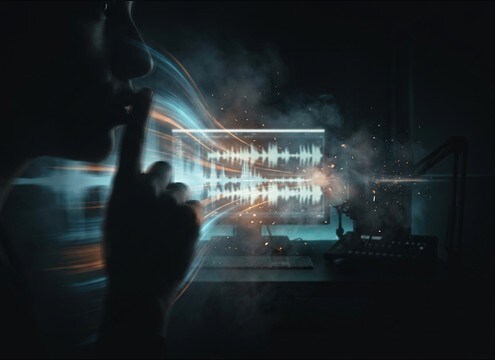


A good shush is all about intention and clarity: is it gentle guidance, a strict warning, a playful gag, or a group reaction? Use prompts that specify delivery (whispery vs sharp), perspective (close vs distant), and tail behavior (tight vs lingering) so the shh lands cleanly without turning into harsh hiss.
Pick the intention first
The same word can read as friendly or hostile depending on attack and intensity. Decide what the character is communicating, then describe it in plain language before adding technical details.
- Gentle: soft attack, breath-forward, lower sibilance
- Commanding: fast attack, brighter hiss, tighter decay
- Playful: lighter volume, quick fade, less bite
Match perspective and space
Shh sounds are sensitive to distance and room reflections. A close-mic cue feels intimate, while a distant one needs softer transients and more room tone to feel believable.
- Close: dry sound, minimal reflections, detailed breath
- Mid-distance: slight room tone, softened edges, natural decay
- Crowd: wider stereo, diffuse reflections, less single-voice detail
Control harshness in the mix
Sibilance can pierce on phones and headphones. When choosing a clip, listen for stable noise floor and a tail that does not spit or whistle at the end.
- Prefer smooth tails over scratchy hiss bursts
- Avoid overly bright top-end if dialogue is present
- Choose a cleaner transient if you need a clear on-cut cue
Write better prompts for reliable results
Small prompt changes can produce much better shushes. Include who is shushing, how strong it is, and whether you want added gesture foley or a clean voice-only cue.
- Specify the speaker: adult, child, whisper, crowd
- Specify the action: finger-to-lips, quick warning, sustained hush
- Specify the environment: dry studio, hallway reflections, library room tone