





Vomit audio is usually about timing and believability, not volume. When you generate or pick a clip, decide if the moment is a quick gag, a realistic heave, or an extended sickness beat. Then control three things in your prompt: intensity, perspective (close vs distant), and texture (dry retch vs wet splatter). Use regeneration to dial in a cleaner transient or a shorter tail so it cuts without sounding looped.
Choose intensity and rhythm first
A single heave reads very differently than a multi-wave bout. Your prompt should state how many heaves happen and whether there are pauses and breaths so the clip fits the actor performance and edit pacing.
- Use count language: one heave, two heaves, or a sequence with pauses
- Call out breaths or cough-like resets to avoid a constant wall of sound
- If you need a cut-friendly clip, ask for a tight ending with clean decay
Set distance and environment cues
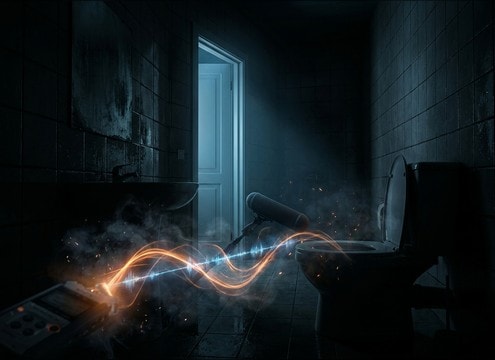
Perspective is the fastest way to make the sound feel placed. A close-mic take emphasizes throat transients and wet detail, while a bathroom take needs reflections and room tone. Decide where the listener is in the scene.
- Close: sharper transient, less room, more texture detail
- Distant: softer attack, narrower stereo, more reflections
- Bathroom: ask for tiled echo and a short reflective tail
Dial texture: dry gag vs wet splatter
Texture drives how graphic the result feels. If the scene should be less explicit, favor gagging, muffling, and reduced splash highs. If it must sell realism, add wetness and a small drip tail, but keep it controlled for the mix.
- For milder takes: dry retch, muffled, filtered high end
- For explicit realism: wet heave plus brief splatter detail
- Avoid extremes: too much low-end mud or harsh, clicky artifacts
Make it edit-ready for dialogue
Vomit SFX often sits under dialogue or quick reaction shots. Choose versions with stable noise floor and predictable tails so you can fade quickly without pumping or obvious loops.
- Pick clips with a clean start so you can align to a cut or mouth movement
- Prefer controlled tail length over long ringing decay in small scenes
- If layering, keep one primary take and use lighter splatter accents sparingly