

A muahahaha is rarely just one laugh. Editors usually need a specific character, a specific space, and a clean ending that leaves room for dialogue or music. Use the tips below to choose the right library clip fast, or write prompts that generate a take with the right attack, pacing, and decay for your exact cut.
Pick a character voice first
Decide who is laughing before you decide where it happens. Character choices change pitch range, rasp, and rhythm, which matters more than reverb at the start.
- Use words like cartoon, witch, old man, masked villain, or robot to anchor timbre
- Call out pitch (low, mid, high) and texture (raspy, breathy, clean)
- Ask for steady rhythm or broken bursts depending on the facial animation
Match timing to the cut
Most muahahaha edits fail because the laugh steps on a line or ends awkwardly. Prompt for a clear stop or a controlled tail so you can place it precisely.
- For stings, request a crisp start and a clean ending within 5 seconds
- For reveals, request a swell in intensity and a longer decay for drama
- Avoid requests like endless laughter if you need a trim-friendly endpoint
Choose the right space and distance
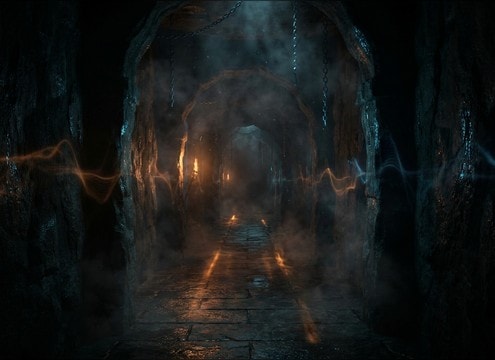
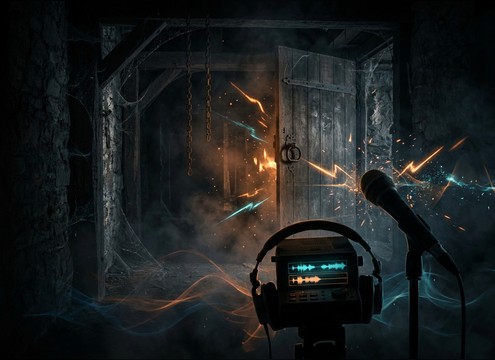
Distance and room reflections are what sell whether the laugh is in the same shot, behind a door, or echoing down a corridor.
- Dry close-mic works for on-screen villains and dialogue gaps
- Hallway or cave reflections help off-screen menace and chase moments
- Specify stereo width (narrow, wide, widening) to match camera scale
Avoid common giveaway artifacts
Bad evil laughs often sound overly wet, too loud, or too clean. A small amount of natural breath and room tone can make the take feel more believable.
- Avoid extreme reverb that smears consonants and masks music hits
- Ask for no clipping and stable level to reduce harsh peaks
- If it sounds fake, add subtle breath and a tiny bit of room tone