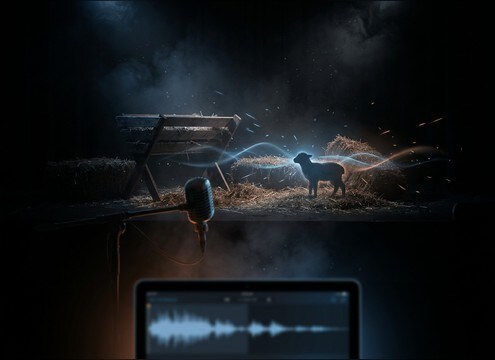
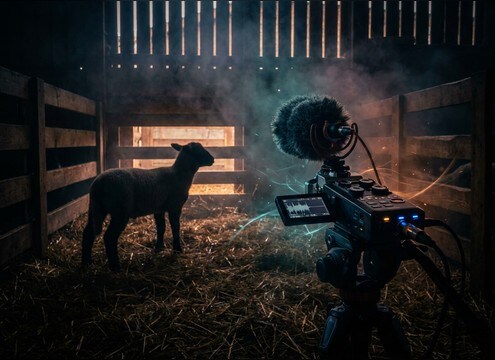


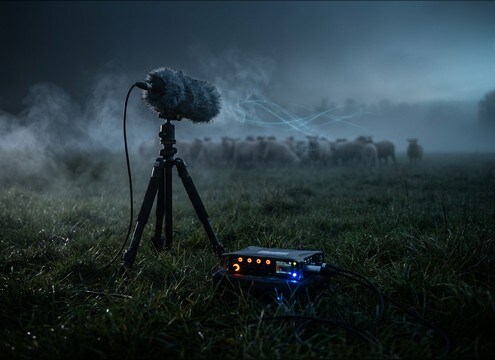
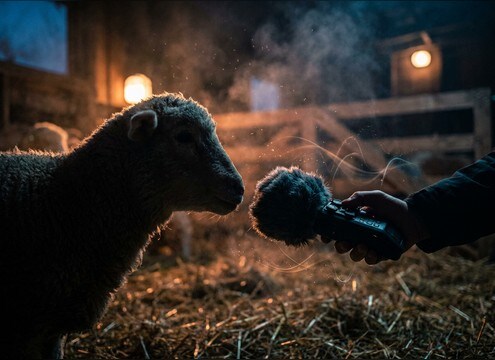



Lamb vocals can easily drift into sheep or goat territory if the pitch, transient, or space is off. Use these checks and prompt patterns to get believable baby-lamb character, match the camera distance, and keep the noise floor clean for dialogue-heavy scenes.
Start with age and emotion cues
A lamb reads younger and lighter than an adult sheep. Prompt for softer formants, gentler attack, and shorter decay when you need a baby-lamb feel. For stressed moments, keep intensity up but avoid harsh, raspy timbre that can resemble a goat.
- Use words like baby lamb, young, soft, gentle, breathy
- For urgency, ask for a sharper transient but not distorted
- Avoid prompts like screaming or raspy unless you want a different animal vibe
Match camera distance and space
The same bleat feels different in a barn versus an open pasture. Prompting distance and environment helps the tail and reflections land correctly, so the sound does not feel pasted on.
- Close shots: minimal room tone, narrow stereo, intimate detail
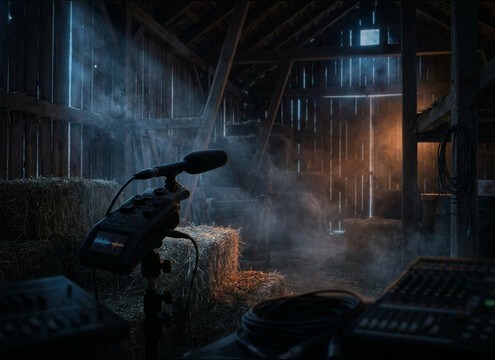
- Barn shots: light reflections, longer decay, warmer room tone
- Field shots: softer high end, subtle wind bed, less obvious echo
Pick the right duration for the cut
Short clips are best for sync moments, while longer beds help establish location. Choose durations that match your edit rhythm, then trim or crossfade for clean transitions.
- 5 seconds for single bleats, reactions, or quick inserts
- 10 seconds for small sequences with natural spacing
- 20 seconds for pasture ambience with intermittent calls and loop-friendly pacing
Keep it mix-friendly and believable
Lamb sounds should sit without fighting narration or music. Aim for controlled transients, consistent perspective, and a stable noise floor so the vocal reads clearly even at lower volume.
- Ask for clean background or controlled noise floor to reduce hiss
- Request smooth fade tail if the clip ends under dialogue
- Avoid overly wide stereo for close-ups, it can feel fake on screen