


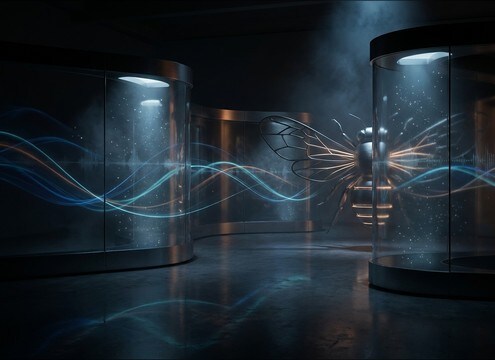


Bee audio can read as calming, natural, or instantly alarming depending on distance, density, and motion. Use the tips below to pick the right library clip or write prompts that produce the exact buzz profile you need, from a soft pollinator bed under narration to a sharp near-ear flyby for a comedic beat.
Decide perspective: close, near, or distant
The same bee can feel huge or tiny based on how present the wing texture is. Close sounds have a faster attack and more midrange detail, while distant swarms smear into a smoother bed with less transient definition.
- For macro visuals, prompt for close-mic, bright detail, and a tight decay
- For wide shots, ask for distant swarm haze with softened highs and steady tone
- For movement, specify a flyby direction so the stereo image feels intentional
Match the environment: garden, hive, or enclosed space
Environment cues change what the listener believes. Outdoor beds should feel airy with minimal reflections, hive entrances should sound busy and layered, and containers should be muffled with boxy resonance.
- Garden: request light outdoor air and low masking strength under speech
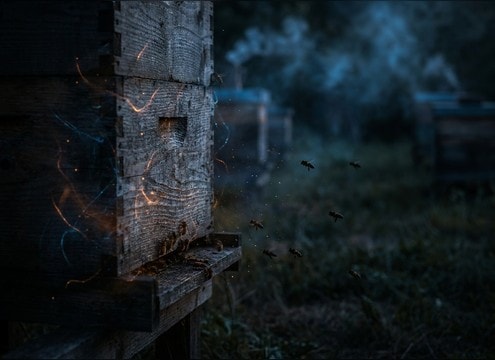
- Hive: request many bees, thicker texture, and mild stereo width
- Enclosed: request muffled tone and small resonances, but avoid harsh ringing
Choose motion and intensity for story beats
Buzz intensity can act like a performance. Hovering reads stable, flybys read urgent, and aggressive near-ear buzzing reads threatening. Be explicit about intensity so the generator does not oversell the moment.
- Hover: request steady tone with gentle modulation and minimal tail
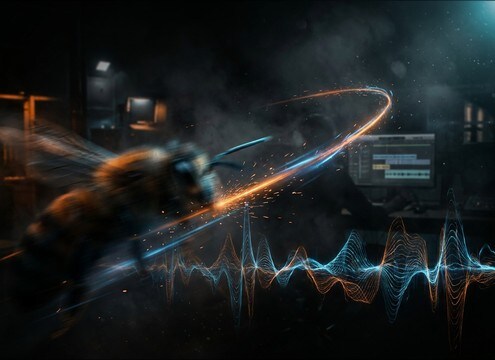
- Flyby: request clear Doppler pitch change and short, clean decay
- Aggressive: request sharper presence, stronger midrange, and controlled loudness
Keep it loop-friendly for ambience beds
Looping bee ambience works best when density and tone are consistent and the start and end are smooth. For edits, prefer stable beds over clips with sudden spikes that will click at the loop point.
- Ask for smooth start and end and minimal transient spikes
- Avoid sudden level jumps that fight dialogue or music beds
- Use short crossfades between repeats to hide any micro-variation