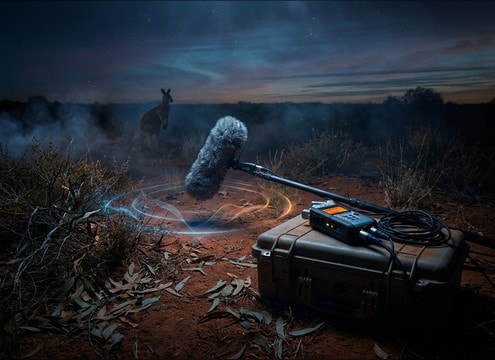

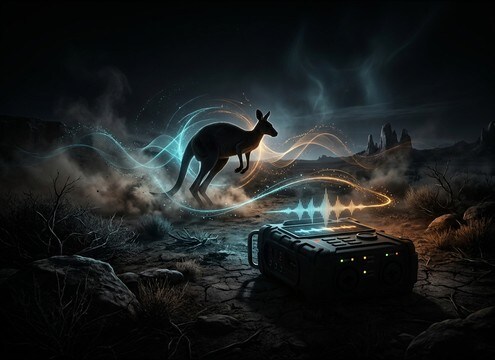


Kangaroo audio usually reads as two things: a low, weighty ground impact and small body movement textures around it. To get believable results, choose whether your scene needs a single hop hit, a short sequence with spacing, or an ambience bed with occasional impacts. Then prompt for surface (dirt, sand, grass), distance, and how much air or room tone you want so the thumps do not feel pasted on.
Match the action: hop, landing, or idle
Start by deciding what the viewer is seeing. A single hop is a tight hit, a landing is heavier with more low-end, and idle behavior needs subtle breaths, sniffs, and rustle without big peaks.
- For a single jump cut, pick a clip with a fast attack and short decay
- For a big landing, look for a thicker low-end thud and slightly longer tail
- For close shots, add sniffing or fur rustle to sell presence without extra impacts
Set perspective with distance and space
A close perspective should be dry and detailed, while distant bounding benefits from softened transients and more air. Keep the space consistent with your shot size so the kangaroo does not sound too close in a wide scene.
- Close mic: minimal reflections, lower noise floor, tighter stereo
- Mid distance: some room tone or outdoor air, moderate stereo width
- Far distance: reduced high-end, gentler transient, longer environmental tail
Choose the right ground texture
Surface detail is the difference between convincing and generic. Dirt and sand produce grit and debris, while grass reads softer with less scrape. Prompt for the ground so impacts sit naturally with your visuals.
- Dry dirt: punchy thump with a faint dusty texture
- Packed sand: slightly duller impact plus short scrape detail
- Grass: softer attack, less grit, and a lighter low-end
Avoid common giveaway artifacts
Animal SFX can feel fake if they are too boomy, too wet, or too repetitive. Keep levels consistent, remove harsh resonances, and vary spacing when you need multiple hops.
- Avoid huge sub-bass rumbles that do not match the animal size on screen
- Avoid long reverb tails for outdoor scenes unless you are near cliffs or structures
- Avoid identical repeated hits; regenerate a few variations for natural timing