



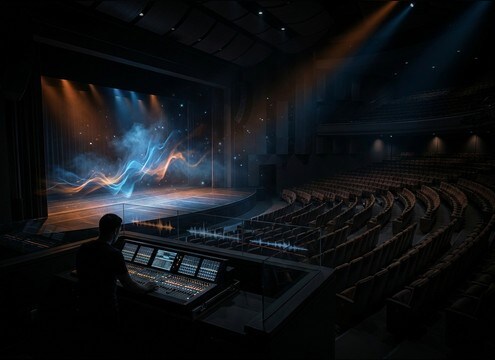





A good crowd gasp is all about timing and perspective. Use prompts that specify how sudden the intake is, how big the crowd feels, and what space you are in. When browsing, listen for the transient bite (does it hit the frame), the tail decay (does it step on dialogue), and how much room tone is baked in.
Match the edit timing
Crowd gasps usually work best as a short accent. If your cut is fast, choose a clip with a strong initial transient and a quick tail. If you need a reaction that lingers, pick a longer decay or a gasp that settles into a low bed.
- For hard cuts, prompt: sharp transient, short tail, tight fade
- For slower reveals, prompt: natural decay, slightly longer tail
- Avoid overly long reverbs that blur the next line
Choose close vs distant perspective
Perspective sells the scene. A close gasp has clearer breath texture and less space, while a distant hall gasp has softened attack and more reflections. Pick one that matches your camera distance and mic feel.
- Close: more detail, less room tone, narrower stereo
- Distant: softer transient, longer tail, stronger reflections
- Avoid mismatched space that sounds pasted on
Dial in crowd size and texture
Crowd size changes the density and masking. Small groups feel airy and separable, while stadium gasps become a thick midrange wash with occasional low-end rumble. Prompt for the texture you want so it sits under music and FX.
- Small audience: lighter texture, lower masking, cleaner edges
- Large crowd: dense bed, wider stereo, more power in mids
- Avoid harsh sibilance or hiss that fights cymbals and vocals
Keep it believable in the mix
Believability comes from restraint. Most scenes need one clear intake that does not clip or drown other elements. Choose versions with controlled peaks and a stable noise floor, then trim and fade to fit your dialogue and score.
- Pick takes with consistent room tone, not pumping noise
- Leave headroom so the gasp does not distort after compression
- Avoid stacking multiple gasps unless you intentionally want chaos