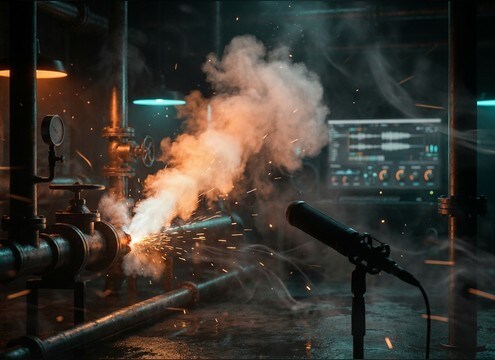
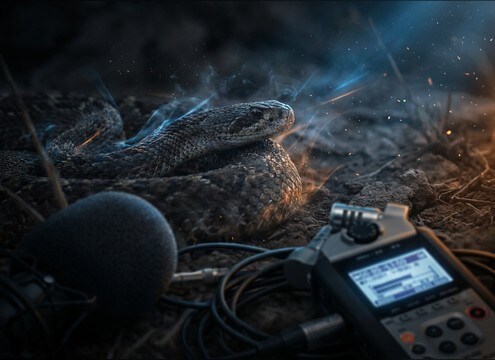

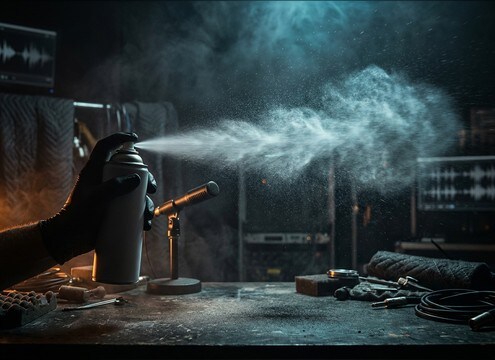
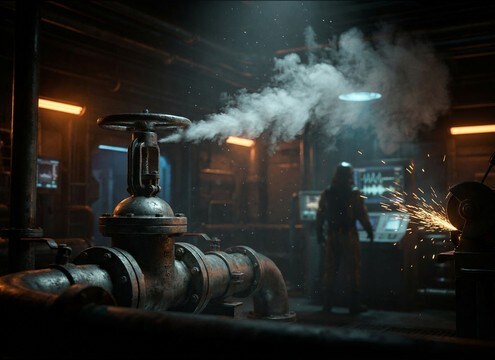
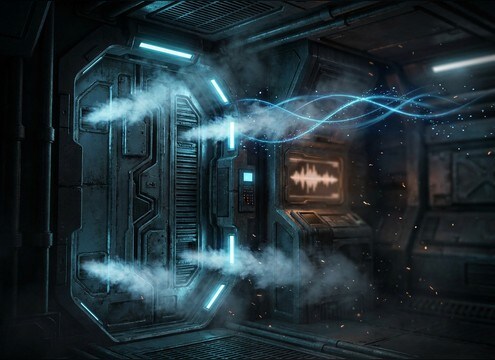



Hisses can read as steam, a pressurized leak, or a living creature depending on noise texture, pitch center, and how the sound starts and ends. Use these quick checks to pick the right library clip or write an AI prompt that lands the intended source, then refine distance and tail so it fits the shot without masking speech.
Start with the source character
A believable hiss begins with what is making it. Steam tends to be airy and broadband, leaks can have a thinner whistling tone, and snakes often feel drier and more focused with subtle movement.
- Steam: airy noise, fuller bandwidth, smooth body
- Air leak: thinner tone, possible whistle edge, steady pressure feel
- Snake: dry texture, narrow image, slight pitch drift or pulse
Control the attack and tail
The start and end decide whether the hiss feels like a burst, a sustained vent, or a fade-out bed. Match the transient to the action on screen and keep the decay appropriate for the space.
- Burst action: fast attack with a quick tapering tail
- Continuous vent: gentle onset, stable middle, clean stop or fade
- Tension bed: soft attack and soft tail to avoid drawing attention
Set distance and space cues
Distance is mostly about level, high-frequency detail, and room tone. Close hisses are crisp and intimate, while distant hisses carry more reflections and sit wider in stereo.
- Close-up: minimal room tone, tighter stereo, more texture detail
- Mid distance: light reflections, moderate stereo width, smoother highs
- Far: audible room bed, slower fade, less transient bite
Avoid common hiss mistakes
Hiss is easy to overdo. If it feels like generic white noise, it will not sell a valve, animal, or leak. Keep it clean, intentional, and sized to the scene.
- Avoid overly harsh highs that fatigue listeners or mask consonants
- Avoid tails that are too long for a quick on-screen action
- Avoid inconsistent texture if you need a loop or repeated continuity