





The most informative part of suction Foley is often the instant the seal breaks. Before that, the sound may be only air movement or rubber friction.
Distinguish Wet Suction From Air Pressure
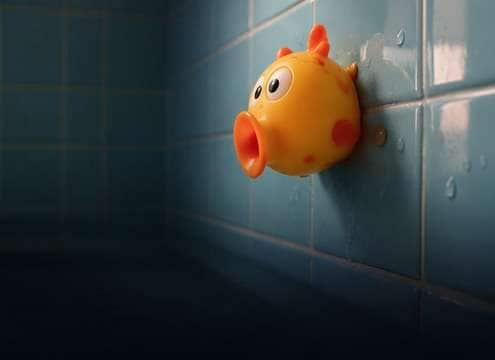
A suction cup pop sound effect begins with a tight seal against a surface and ends with a quick pressure release. By contrast, a straw slurp usually has bubbling as air and liquid compete in a narrow tube. These should not share the same final pop.
- Seal material - Rubber gives a soft squeak; skin or wet surfaces create different textures.
- Airflow - Continuous suction has a hiss, while a release is brief.
- Water level - A nearly empty straw makes intermittent bubbling.
- Resonance - A large drain produces a deeper hollow gurgle than a cup.
- Camera sync - Make the pop land exactly when the suction seal comes free.
Match the Suction Source to the Scene
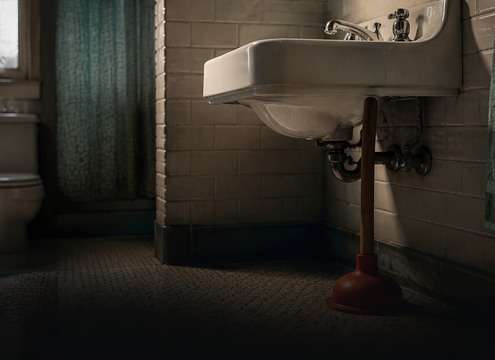
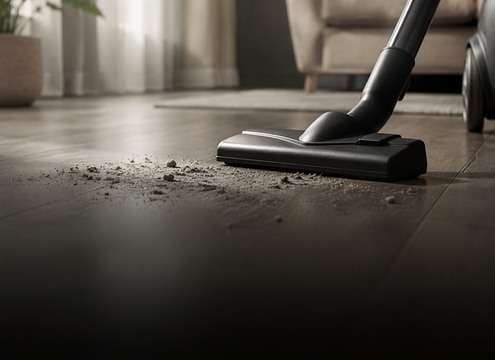
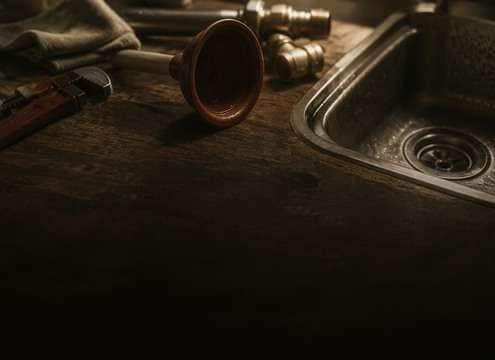
For a vacuum suction sound effect, define whether you want airflow, motor hum or a soft object being drawn toward a nozzle. If you are designing a plunger sound, wet rubber movement and a hollow gurgle are more convincing than simply raising the pitch of a vacuum.
- Glass suction cup pop - Use for hooks, mounts and detachable objects.
- Sink plunger suction - Adds wet pumping to a repair scene.
- Empty-cup straw slurp - Signals a drink has run out.
- Vacuum nozzle intake - Works with household cleaning and gadgets.
- Drain water gulp - Indicates a final gurgling drain.
- Cartoon sticky peel - Makes slapstick contact more elastic.
- Industrial air pull - Communicates a larger pressure system.
- Small toy suction dart - Adds a crisp, playful impact-release sequence.