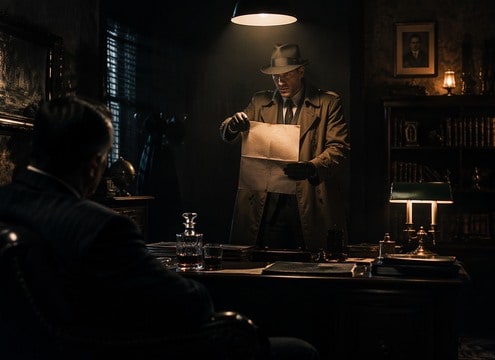

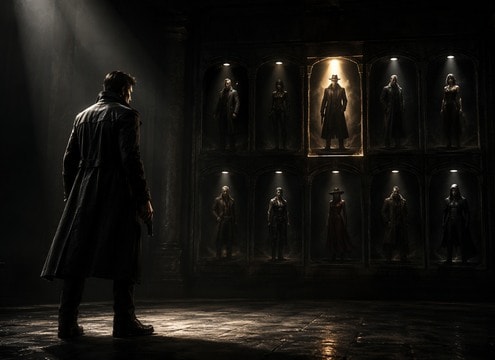
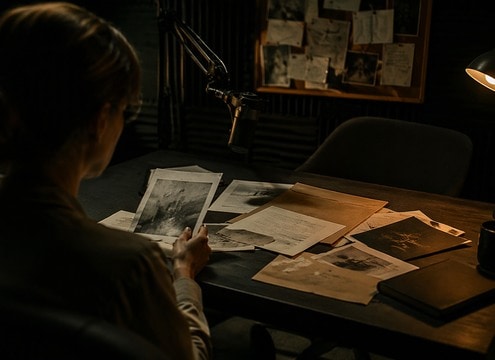

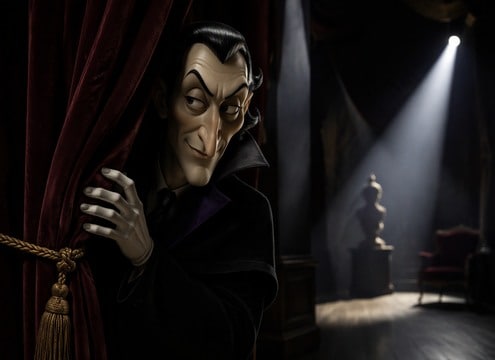




A dun-dun sting is part rhythm, part audience expectation. It announces that something matters - sincerely or ironically. Focus on a short phrase with a clear finish instead of building a full soundtrack.
Use musical color as the punchline
Play the same dramatic idea with soft piano, ominous brass or comically light pizzicato and the mood changes immediately. Choose one instrument palette that supports the clip rather than layering everything together.
- Classic Three-Note Omen - Three original low orchestral stabs in a short-short-long pattern, descending slightly, final note rings in small hall, no recognizable melody.
- Comic Mini Dun Dun - Two muted brass boops and one overly dramatic low honk, quick comedic timing, dry studio, no other instruments.
- Dark Piano Revelation - Three low piano clusters with uneven gaps, last chord held with sparse room decay, original suspense sting.
- Synthetic Game Reveal - Three retro synthesizer tones stepping downward, final low tone vibrates briefly, clean arcade sound, no existing tune.
- Whispered Tension Hits - Three muffled percussion thuds with faint reversed air swells before each attack, ominous but restrained, no voice.
Treat silence as one of the notes
The pause before the final hit is often what makes the sting funny. When fitting the audio to a reveal, trim the leading silence deliberately and avoid letting a long reverb overlap the next line.
- Plot twist clip - A third sustained note lands exactly as the hidden clue is revealed.
- Comedy reaction - Small brass boops exaggerate a harmless mistake.
- Game dialogue - Synthetic descending notes cue a difficult choice.
- Mystery podcast - Low piano chords separate a major reveal from narration.
- Parody trailer - Wide brass stabs make a mundane object feel epic.
- Cartoon villain - Pizzicato notes signal a playful suspicious glance.
- Stage performance - Live-sounding short string attacks punctuate a reveal.
- Retro radio skit - Filtered three-note motif helps a period spoof.