



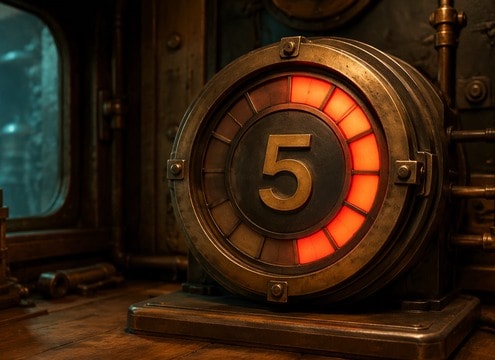





Counting sound design combines semantics with timing. A spoken count has to be correct; an electronic countdown merely needs to communicate progression. State the range, voice type, tempo and what should happen at the end of the sequence.
Pick the Sound Based on What the Listener Needs
A learning app should prioritize recognizable spoken digits. In a speedrun highlight, a tight 3-2-1 signal may communicate the same information faster. A workout may need a steady count that leaves room for breath and movement.
- Three Two One Go - A fictional adult announcer clearly says "Three, two, one, go!" with one beat between digits, crisp close recording, no crowd.
- Kids One to Five - Warm friendly adult teaching voice counts from one to five slowly with clear separate syllables and slight pauses, no music.
- Robot One to Ten - Synthetic monotone robot voice counts from one through ten at constant tempo, clean dry electronic tone and no background sound.
- Race Countdown Shout - Athletic coach projects "Three! Two! One!" outside, increasing urgency, no whistle or crowd.
- Digital Timer Beeps - Five short electronic beeps at one-second intervals, final beep noticeably lower and longer, no spoken numbers.
Avoid Confusing a Countdown with a Timer
Counting down creates a spoken or audible destination; a repeating timer beep tracks passing time. Ask for one format explicitly. When a countdown triggers an event, trim the tail so the cue feels attached to the action rather than late.
- Race start - A confident three-two-one count leads runners into action.
- Kids counting lesson - Friendly slow numbers leave room for children to repeat.
- Rocket countdown - An authoritative announcement adds scale to a fictional launch.
- Fitness training - An energetic count coordinates the last repetitions.
- Puzzle timer - Short synthetic beeps speed up before a game clock ends.
- Robot character - A mechanical voice counts items on a conveyor.
- Film montage - Spaced numbers punctuate a fast series of short cuts.
- Magic trick - A theatrical count holds attention before a reveal.