



"Crazy" is useful as a mood but too broad to be a sound prompt. Ask what the audience sees: something spins, slips, crashes, ricochets or freezes. The answer points to a much more controllable effect.
Design the gag in beats
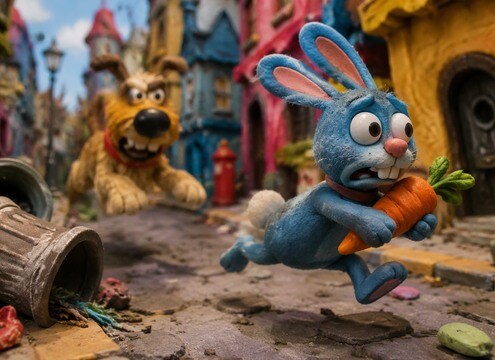
A three-beat cartoon chase might begin with fast footsteps, grow into an unstable whirl and end with a hard stop. Those changes create a miniature story. A continuous wall of boings would not tell you when the joke happens.
- Hysterical Comic Giggle - One adult performer bursts into an exaggerated but friendly rapid giggle, several changing pitches and breath catches, no words or recognizable character voice.
- Spinning Cartoon Whirl - Whimsical fast repeating whoosh with rising rubber squeaks and abrupt stop, playful animation sound, no music.
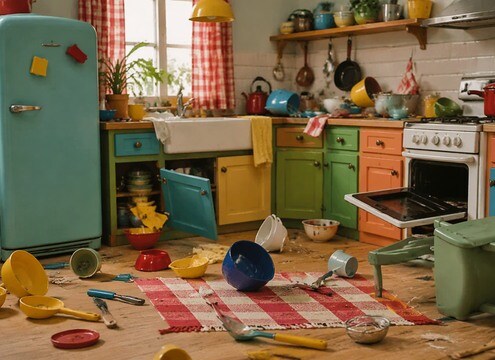
- Chaotic Desk Clatter - Light harmless office objects rattle and tumble in quick succession across wooden desk, varied clacks and soft paper, no glass break.
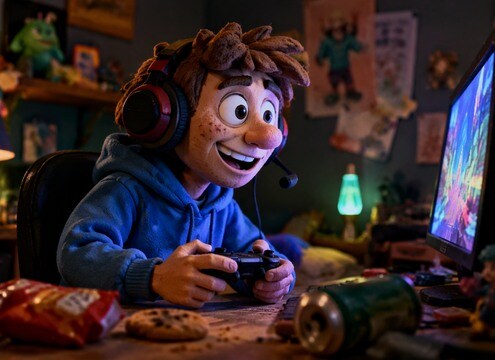
- Wild Game Show Buzz - Three mismatched bright synthetic buzzes answer each other in frantic rhythm, humorous short game interface effect.
- Maniacal Fictional Cackle - Theatrical original villainous adult cackle with rising and falling pitch and dry airy finish, no impersonation or dialogue.
Know when to cut the sound
Test your gag with the soundtrack muted, then add just enough audio to clarify the action. If the effect remains audible long after the visual surprise, trim it. Comic silence is also part of the design.
- Comedy montage - Rapid prop clatters connect a chain of harmless mistakes.
- Cartoon chase - Boings and skids translate exaggerated character motion.
- Gaming blooper - Buzzes punctuate a sequence of unlikely failed actions.
- Reaction short - A playful cackle exaggerates an absurd reveal.
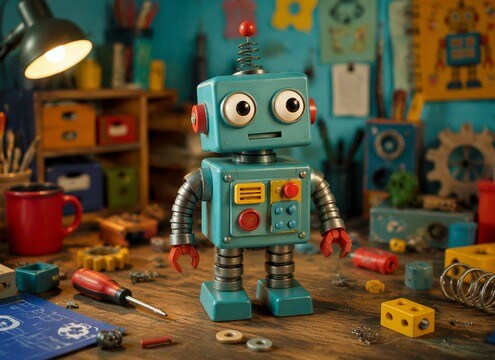
- Toy commercial - Malfunction bleeps add personality to a fictional gadget.
- Puppet sketch - Rubber squeaks suit fast physical comedy.
- Party edit - Small group whoops give a chaotic celebration short energy.
- Stop-motion gag - One tiny squeak after a loud build creates an anticlimax.