Home>AI Prompts>25 ChatGPT Photocopy Zine Portrait Prompts with Xerox Texture
25 ChatGPT Photocopy Zine Portrait Prompts with Xerox Texture
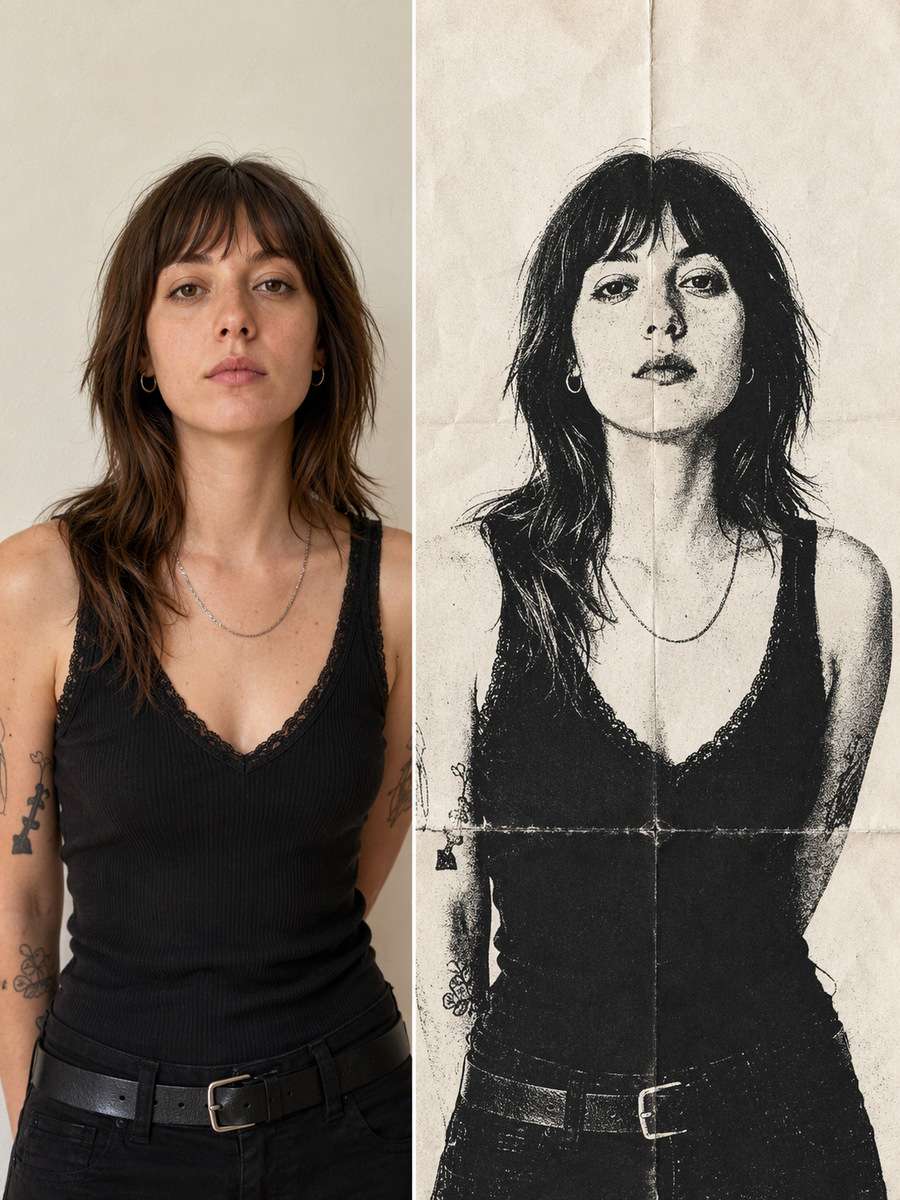
A photocopy zine should look like someone made it with scissors, ink and a stubborn old copier. These ChatGPT Photocopy Zine Portrait Prompts explore gritty black-and-white faces, taped paper edges, uneven toner, photocopier shadows and handwritten layout marks. Use your own photo as the center of a cover, gig flyer or experimental collage. Choose the paper damage and contrast on purpose, rather than adding random dirt to every image.
See black-and-white xerox portraits, torn paper layouts and DIY zine artwork edited with Media.io - powered by ChatGPT.
How to Make a Photocopy Zine Portrait from Your Photo
A diy black-and-white portrait reinterpretation with printed physical texture starts with a real source photo and a scene you can clearly describe. Use this three-step workflow to keep the result believable.
1
Choose the source photo that fits the scene
A face photo with clear silhouette and printable contrast. Check that the source has enough visible detail for the visual change you plan, and only use pictures you are authorized to edit.
2
Copy a scene-specific editing prompt
Choose one of the 25 scene ideas below, then specify its camera position, setting and important materials. Copier toner threshold and misregistration and halftone dots help keep this edit on-theme.
3
Generate and review the result
Open the linked Media.io ChatGPT image-to-image tool, upload your own reference and paste the chosen prompt. Check unreadable fabricated typography, derivative band designs and lost facial identity before using the image publicly.
25 Photocopy Zine Looks with Xerox Grain and Collage
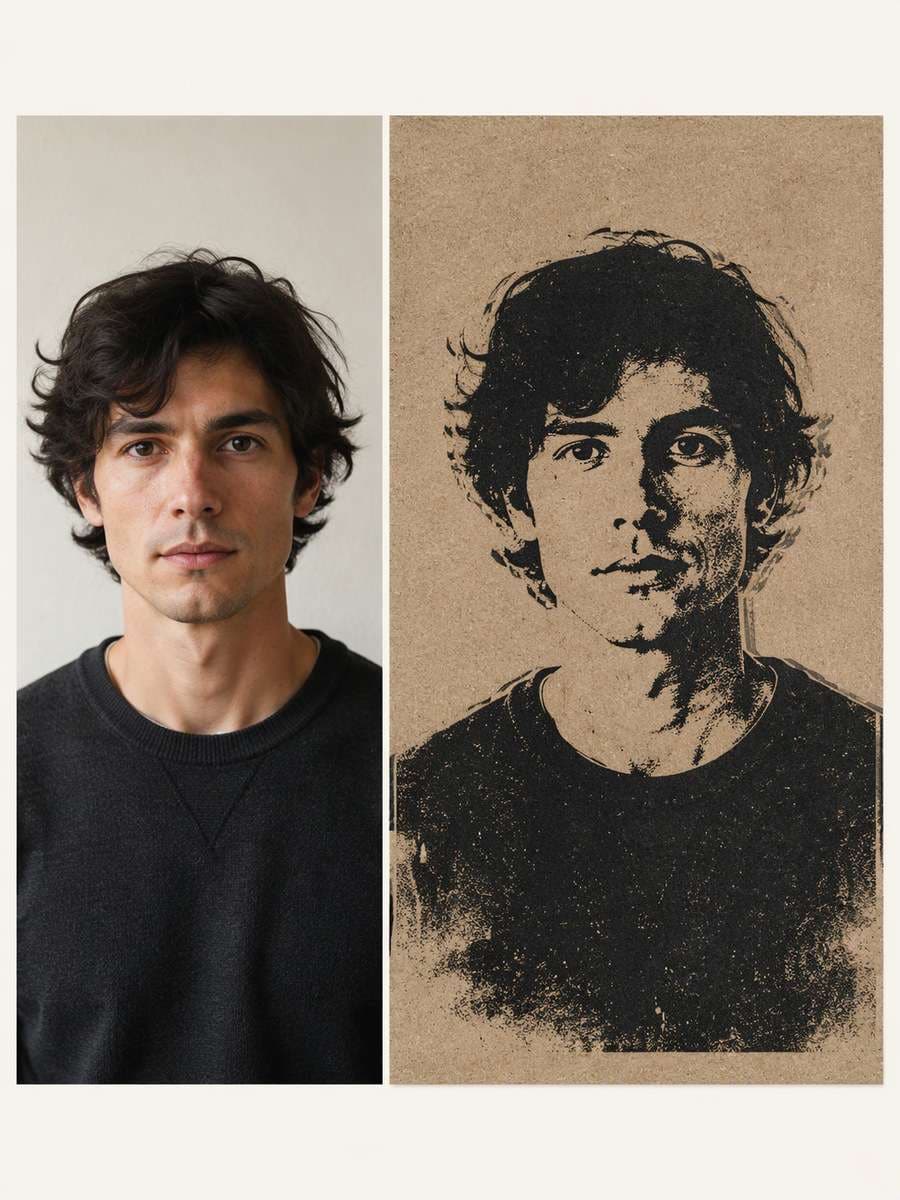
Black Toner Portrait Cover
Use the original uploaded portrait as the person reference. For this particular concept, convert original face to high-contrast black toner on off-white folded zine paper with rough printing edges. Keep the original face, hairline, skin texture, age and number of people; make the edited scene physically coherent rather than a pasted-face effect. Match environmental reflections and shadows to the actual light sources. Preserve recognizable eyes, hair and face geometry in rough toner; emphasize paper grain, black crush and copier artifacts without illegible fabricated words or borrowed punk band marks. Avoid these common errors: unreadable fabricated typography, derivative band designs and lost facial identity. Create a usable standalone image suitable for zine cover graphics and analogue collage experiments.
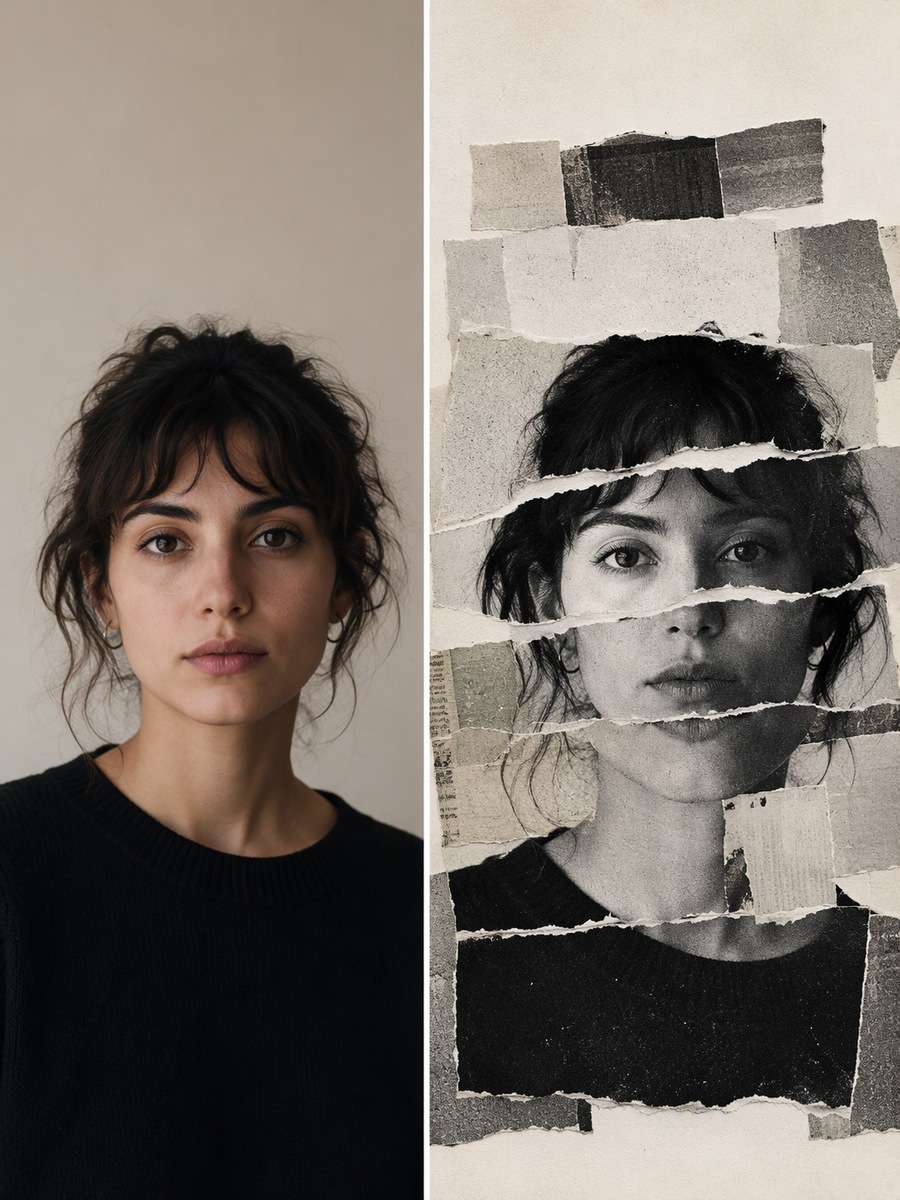
Torn Newspaper Face Collage
Restyle the existing photograph, retaining the same individual. For this particular concept, layer photocopied face fragments over torn original newsprint-like strips with blank pseudo headlines. Keep the original face, hairline, skin texture, age and number of people; make the edited scene physically coherent rather than a pasted-face effect. Choose framing that gives the subject and its key details enough space to be recognizable. Preserve recognizable eyes, hair and face geometry in rough toner; emphasize paper grain, black crush and copier artifacts without illegible fabricated words or borrowed punk band marks. Avoid these common errors: unreadable fabricated typography, derivative band designs and lost facial identity. Create a usable standalone image suitable for zine cover graphics and analogue collage experiments.
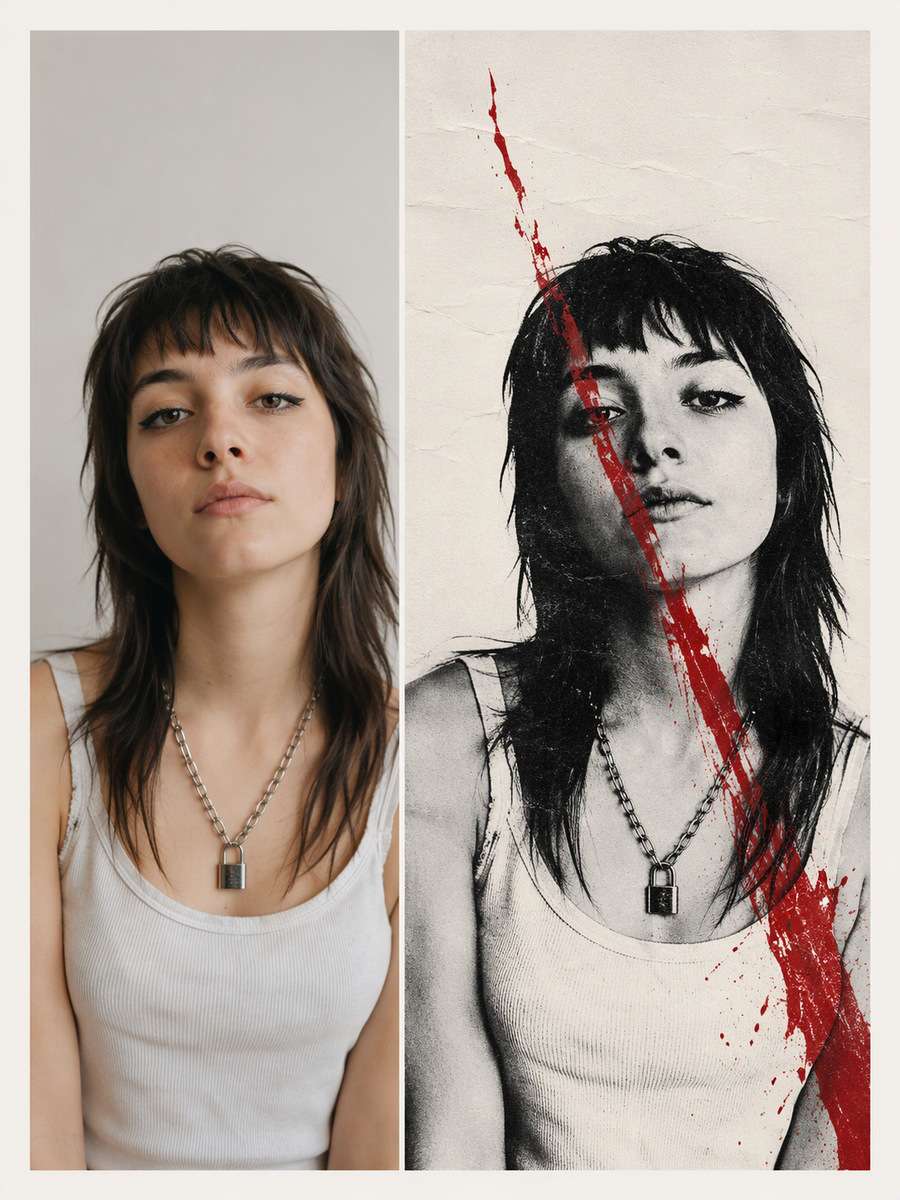
Red Ink Punk Portrait
Begin with a clear consented selfie or body portrait. For this particular concept, create black xerox portrait with one restrained hand-marked red ink slash and visible paper texture. Keep the original face, hairline, skin texture, age and number of people; make the edited scene physically coherent rather than a pasted-face effect. Use natural material textures and avoid forced high saturation or artificial glow. Preserve recognizable eyes, hair and face geometry in rough toner; emphasize paper grain, black crush and copier artifacts without illegible fabricated words or borrowed punk band marks. Avoid these common errors: unreadable fabricated typography, derivative band designs and lost facial identity. Create a usable standalone image suitable for zine cover graphics and analogue collage experiments.
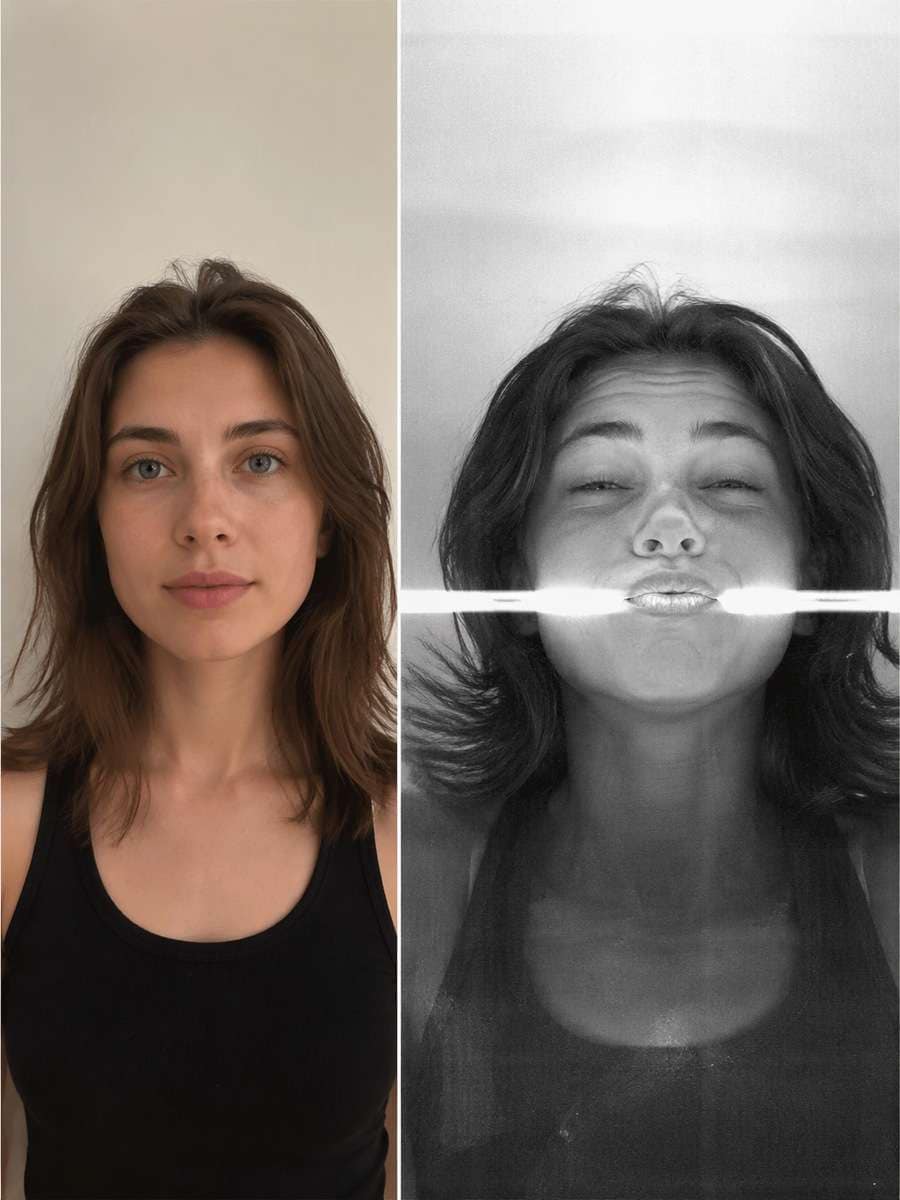
Photocopier Lid Shadow
Use the original uploaded portrait as the person reference. For this particular concept, show a face pressed near scanner glass as a surreal but harmless portrait with characteristic moving light bar. Keep the original face, hairline, skin texture, age and number of people; make the edited scene physically coherent rather than a pasted-face effect. Keep hand positions, object contact points and camera perspective plausible. Preserve recognizable eyes, hair and face geometry in rough toner; emphasize paper grain, black crush and copier artifacts without illegible fabricated words or borrowed punk band marks. Avoid these common errors: unreadable fabricated typography, derivative band designs and lost facial identity. Create a usable standalone image suitable for zine cover graphics and analogue collage experiments.
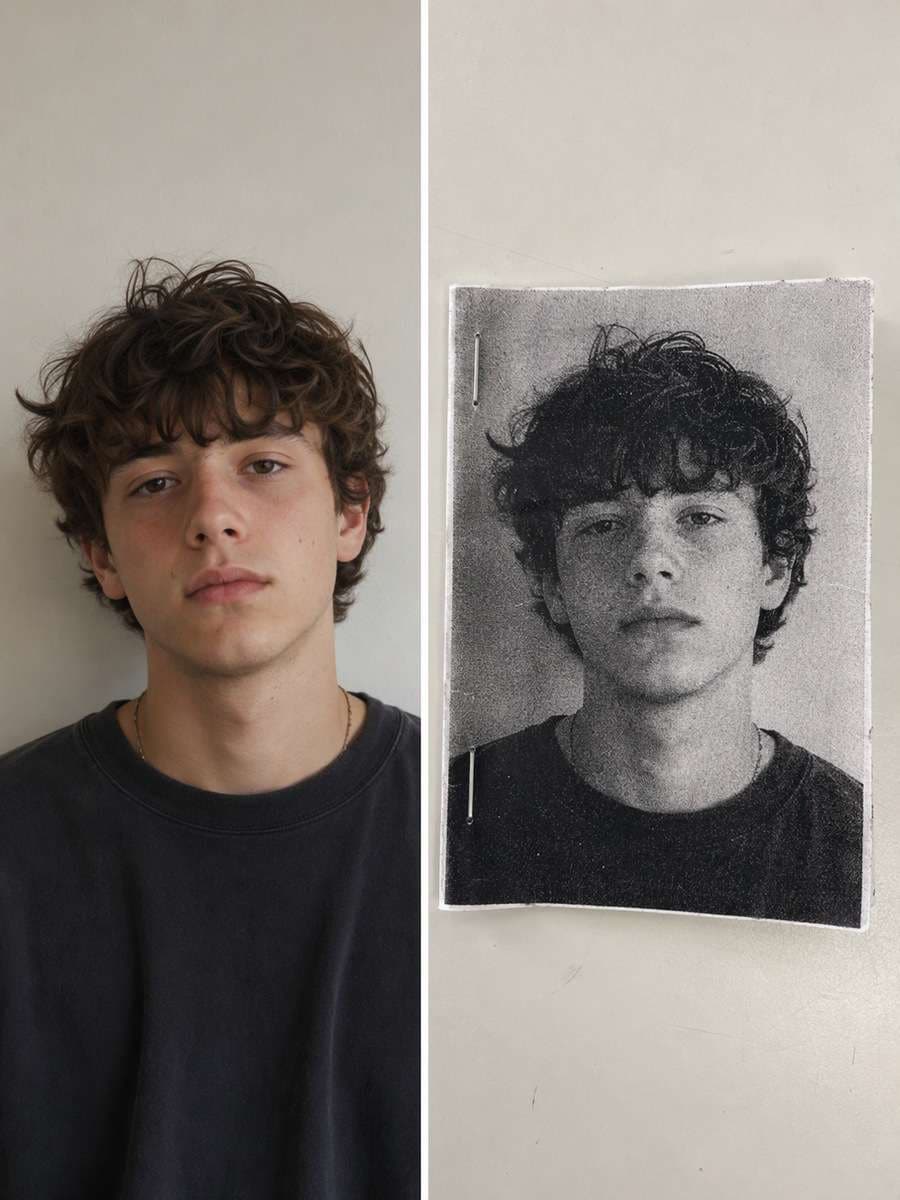
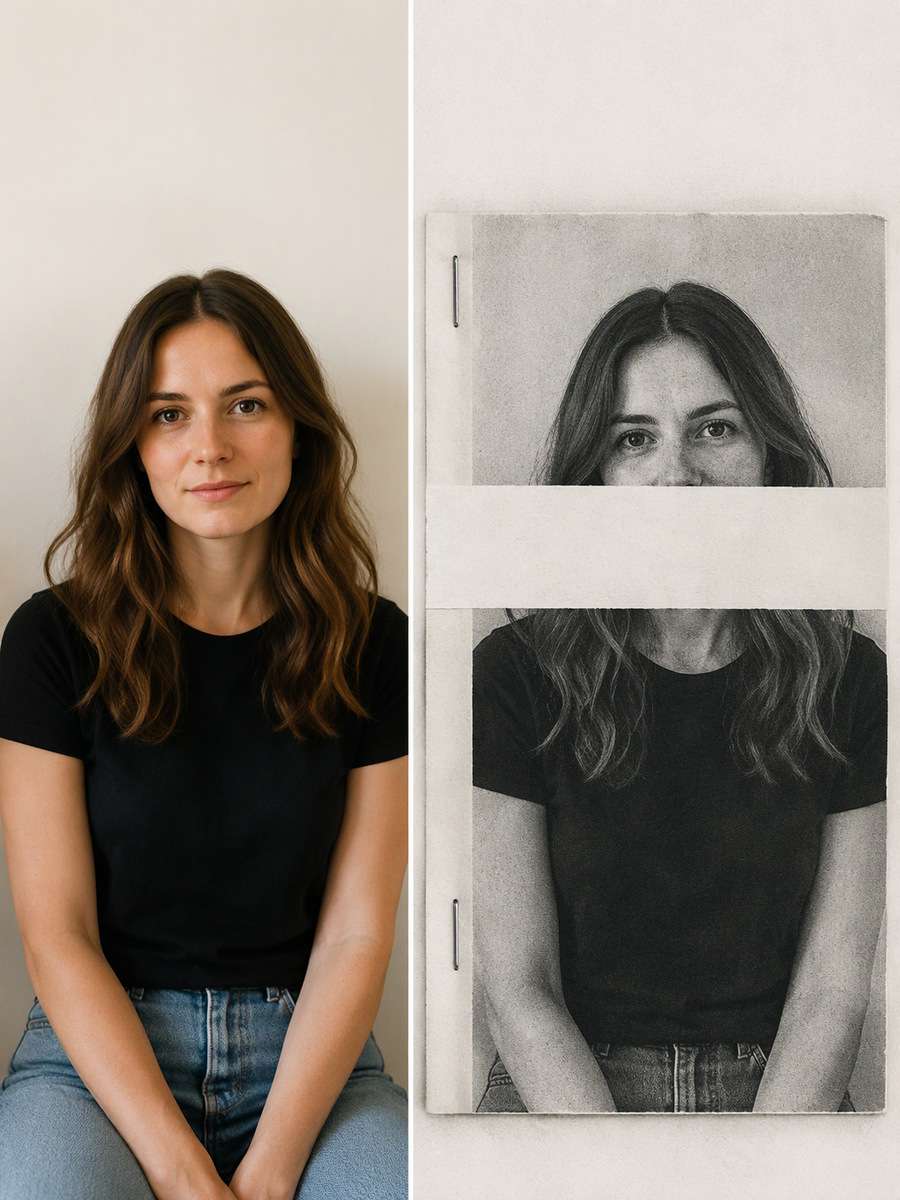
Stapled Half-Page Zine
Restyle the existing photograph, retaining the same individual. For this particular concept, place a cropped original portrait on a two-staple DIY booklet cover with uneven trim and no readable borrowed band name. Keep the original face, hairline, skin texture, age and number of people; make the edited scene physically coherent rather than a pasted-face effect. Finish with restrained photographic detail rather than generic AI glamour effects. Preserve recognizable eyes, hair and face geometry in rough toner; emphasize paper grain, black crush and copier artifacts without illegible fabricated words or borrowed punk band marks. Avoid these common errors: unreadable fabricated typography, derivative band designs and lost facial identity. Create a usable standalone image suitable for zine cover graphics and analogue collage experiments.
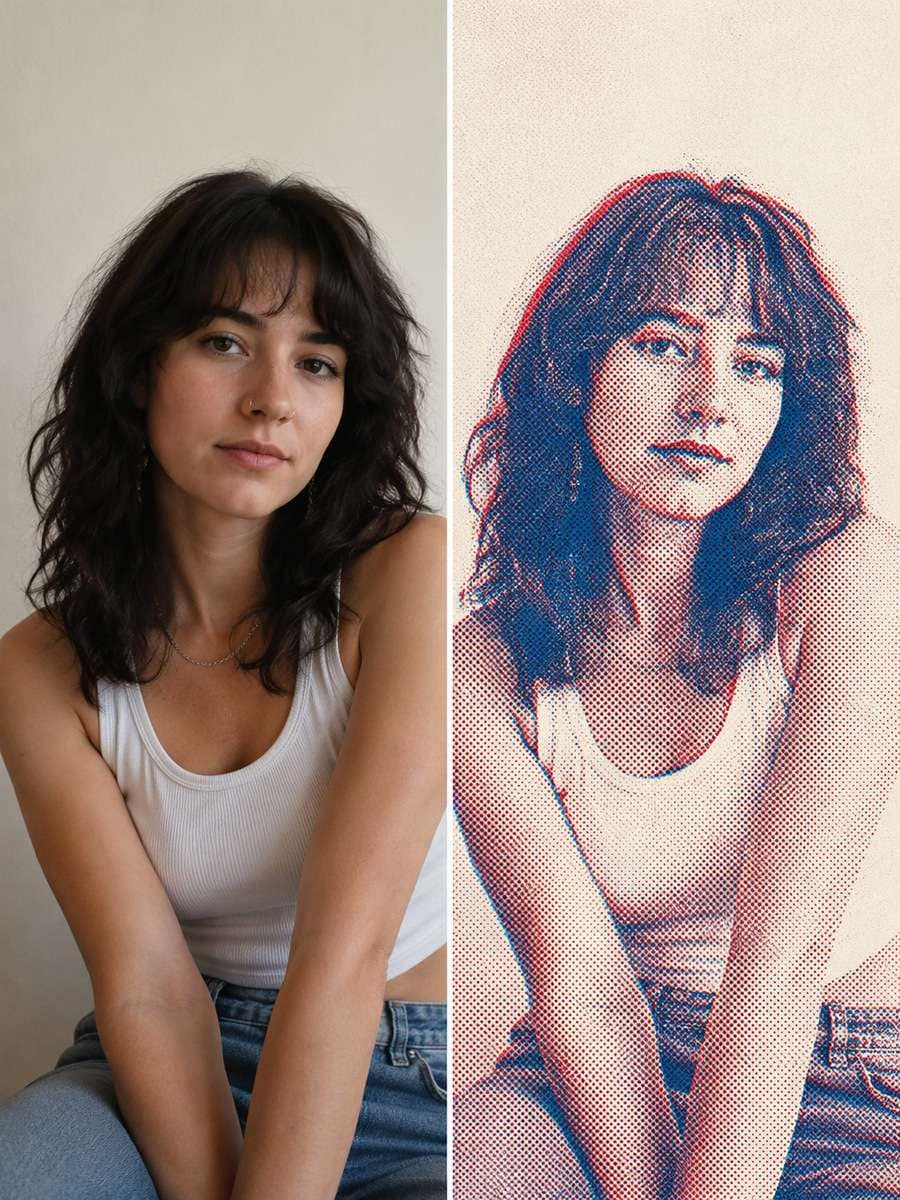
Halftone Riso Face
Begin with a clear consented selfie or body portrait. For this particular concept, make two-color risograph-inspired face portrait with coarse dot screen and slight blue-red registration offset. Keep the original face, hairline, skin texture, age and number of people; make the edited scene physically coherent rather than a pasted-face effect. Match environmental reflections and shadows to the actual light sources. Preserve recognizable eyes, hair and face geometry in rough toner; emphasize paper grain, black crush and copier artifacts without illegible fabricated words or borrowed punk band marks. Avoid these common errors: unreadable fabricated typography, derivative band designs and lost facial identity. Create a usable standalone image suitable for zine cover graphics and analogue collage experiments.
Overexposed Copy Machine
Use the original uploaded portrait as the person reference. For this particular concept, convert uploaded face into nearly blown-out copier print with deep black hair shapes and visible toner speckling. Keep the original face, hairline, skin texture, age and number of people; make the edited scene physically coherent rather than a pasted-face effect. Choose framing that gives the subject and its key details enough space to be recognizable. Preserve recognizable eyes, hair and face geometry in rough toner; emphasize paper grain, black crush and copier artifacts without illegible fabricated words or borrowed punk band marks. Avoid these common errors: unreadable fabricated typography, derivative band designs and lost facial identity. Create a usable standalone image suitable for zine cover graphics and analogue collage experiments.
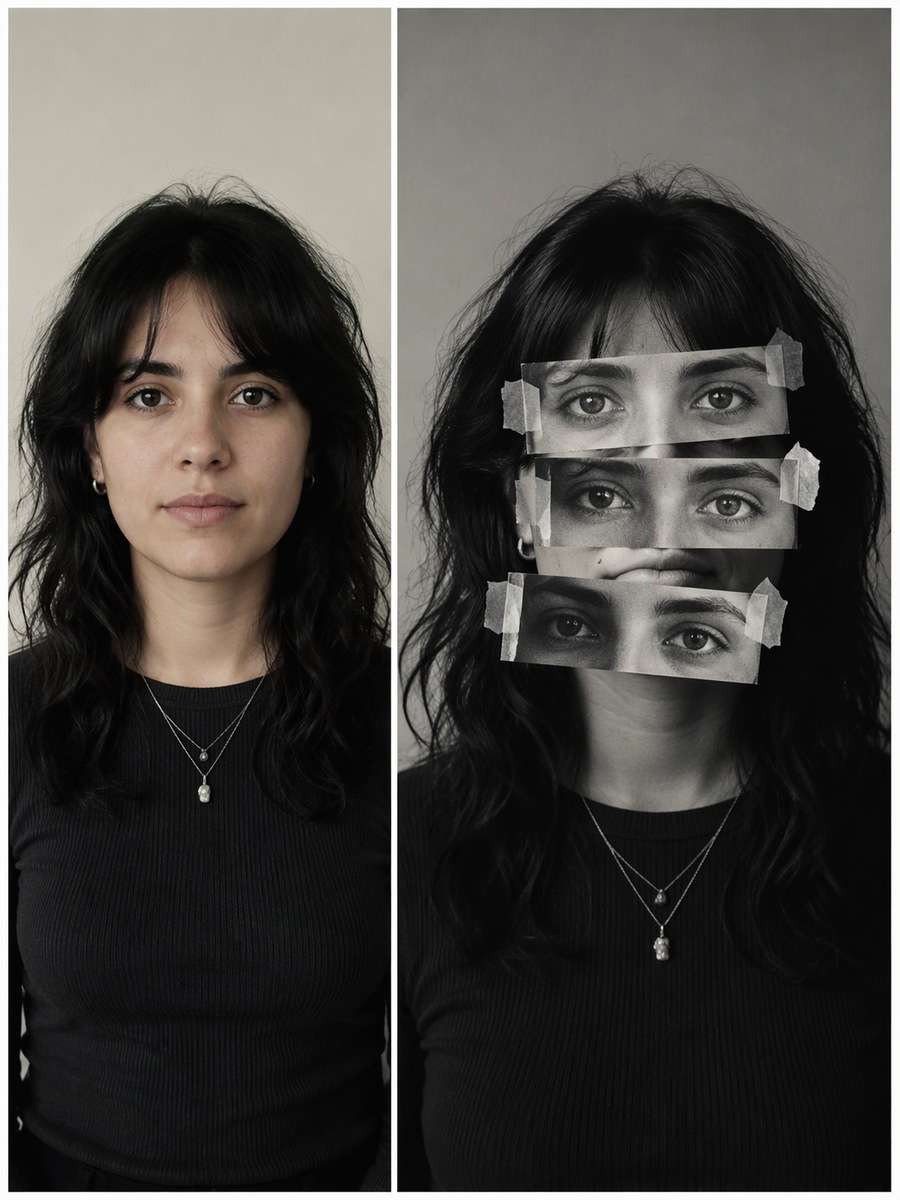
Cut and Paste Eye Detail
Restyle the existing photograph, retaining the same individual. For this particular concept, assemble three photocopied crops of the person's own eyes with tape, still recognizable and balanced. Keep the original face, hairline, skin texture, age and number of people; make the edited scene physically coherent rather than a pasted-face effect. Use natural material textures and avoid forced high saturation or artificial glow. Preserve recognizable eyes, hair and face geometry in rough toner; emphasize paper grain, black crush and copier artifacts without illegible fabricated words or borrowed punk band marks. Avoid these common errors: unreadable fabricated typography, derivative band designs and lost facial identity. Create a usable standalone image suitable for zine cover graphics and analogue collage experiments.
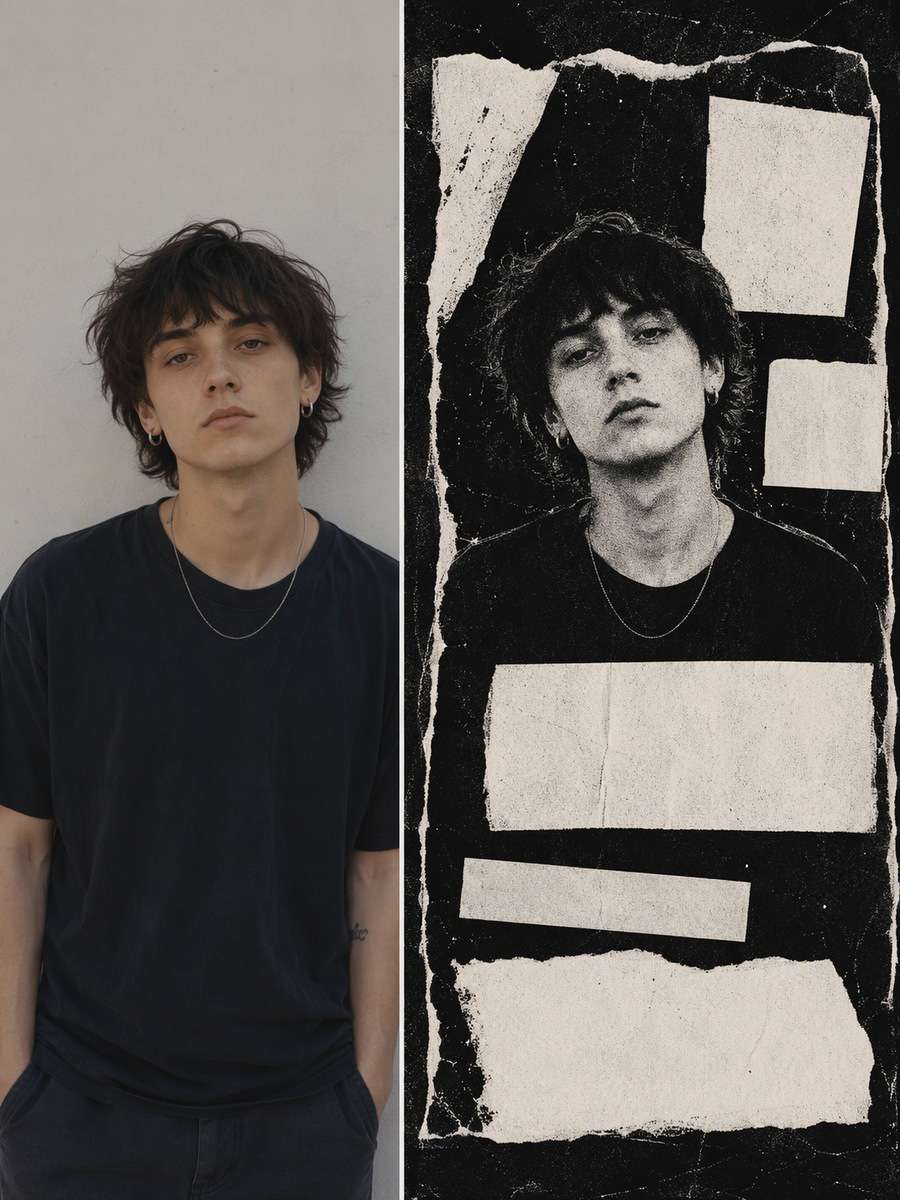
DIY Gig Flyer Portrait
Begin with a clear consented selfie or body portrait. For this particular concept, create original underground music flyer with high-contrast face and blank handmade type blocks, no named band. Keep the original face, hairline, skin texture, age and number of people; make the edited scene physically coherent rather than a pasted-face effect. Keep hand positions, object contact points and camera perspective plausible. Preserve recognizable eyes, hair and face geometry in rough toner; emphasize paper grain, black crush and copier artifacts without illegible fabricated words or borrowed punk band marks. Avoid these common errors: unreadable fabricated typography, derivative band designs and lost facial identity. Create a usable standalone image suitable for zine cover graphics and analogue collage experiments.
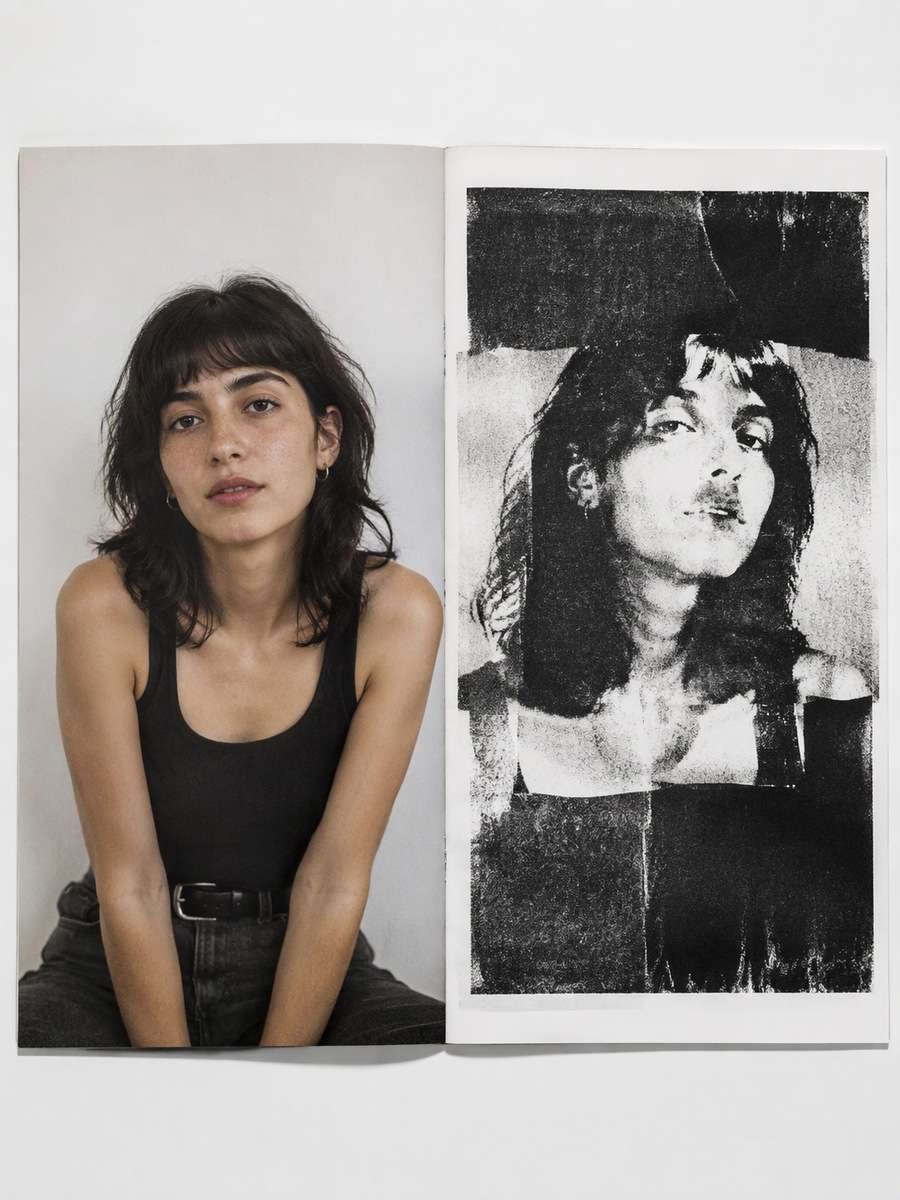
Zine Spread Dual Portrait
Use the original uploaded portrait as the person reference. For this particular concept, compose open zine spread with one face on left and experimental xerox crop on right, clear fold and margins. Keep the original face, hairline, skin texture, age and number of people; make the edited scene physically coherent rather than a pasted-face effect. Finish with restrained photographic detail rather than generic AI glamour effects. Preserve recognizable eyes, hair and face geometry in rough toner; emphasize paper grain, black crush and copier artifacts without illegible fabricated words or borrowed punk band marks. Avoid these common errors: unreadable fabricated typography, derivative band designs and lost facial identity. Create a usable standalone image suitable for zine cover graphics and analogue collage experiments.
Typewriter Blank Space Cover
Restyle the existing photograph, retaining the same individual. For this particular concept, show xerox portrait beneath a deliberate empty strip for later typewriter text, with stapled binding. Keep the original face, hairline, skin texture, age and number of people; make the edited scene physically coherent rather than a pasted-face effect. Match environmental reflections and shadows to the actual light sources. Preserve recognizable eyes, hair and face geometry in rough toner; emphasize paper grain, black crush and copier artifacts without illegible fabricated words or borrowed punk band marks. Avoid these common errors: unreadable fabricated typography, derivative band designs and lost facial identity. Create a usable standalone image suitable for zine cover graphics and analogue collage experiments.
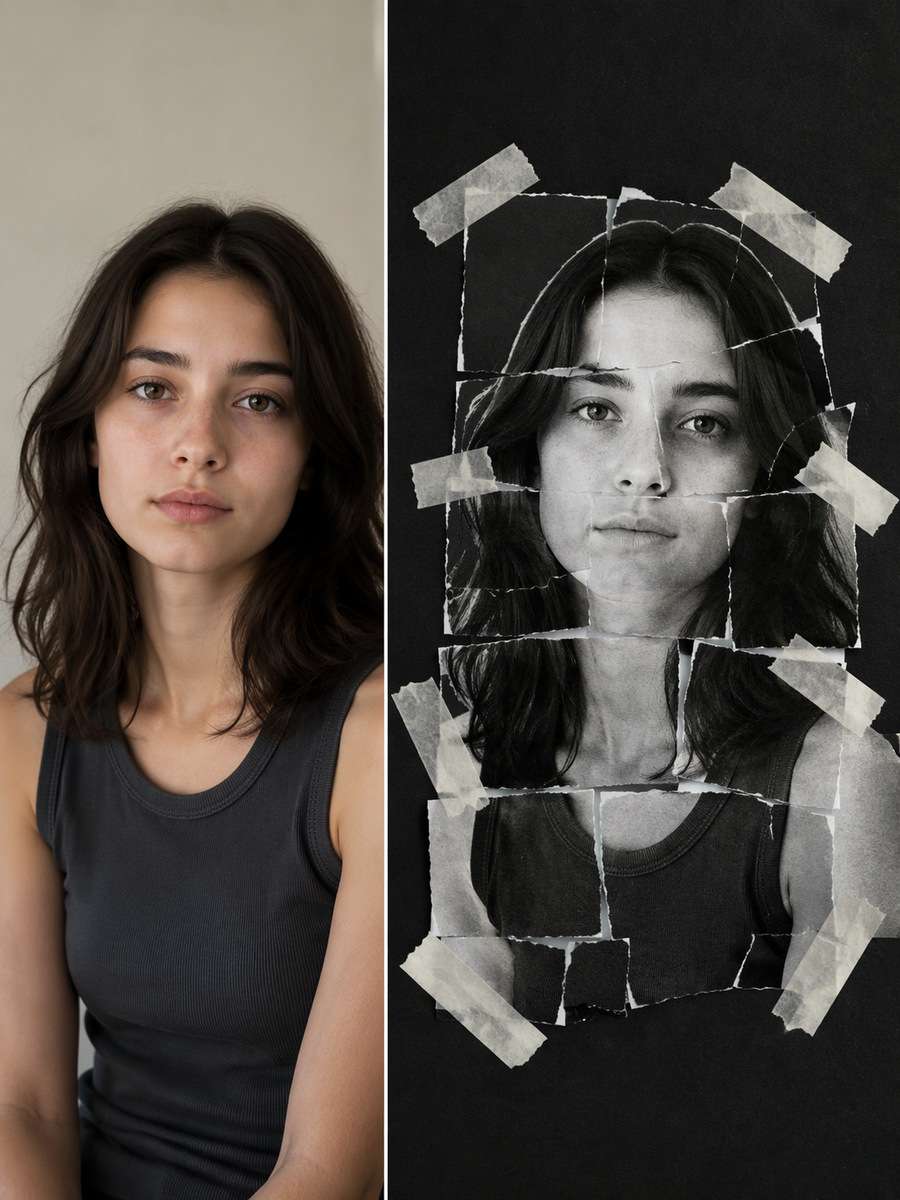
Paper Tape Collage
Begin with a clear consented selfie or body portrait. For this particular concept, use visible matte tape to hold rough photo fragments on black paper, keep face assembled plausibly. Keep the original face, hairline, skin texture, age and number of people; make the edited scene physically coherent rather than a pasted-face effect. Choose framing that gives the subject and its key details enough space to be recognizable. Preserve recognizable eyes, hair and face geometry in rough toner; emphasize paper grain, black crush and copier artifacts without illegible fabricated words or borrowed punk band marks. Avoid these common errors: unreadable fabricated typography, derivative band designs and lost facial identity. Create a usable standalone image suitable for zine cover graphics and analogue collage experiments.
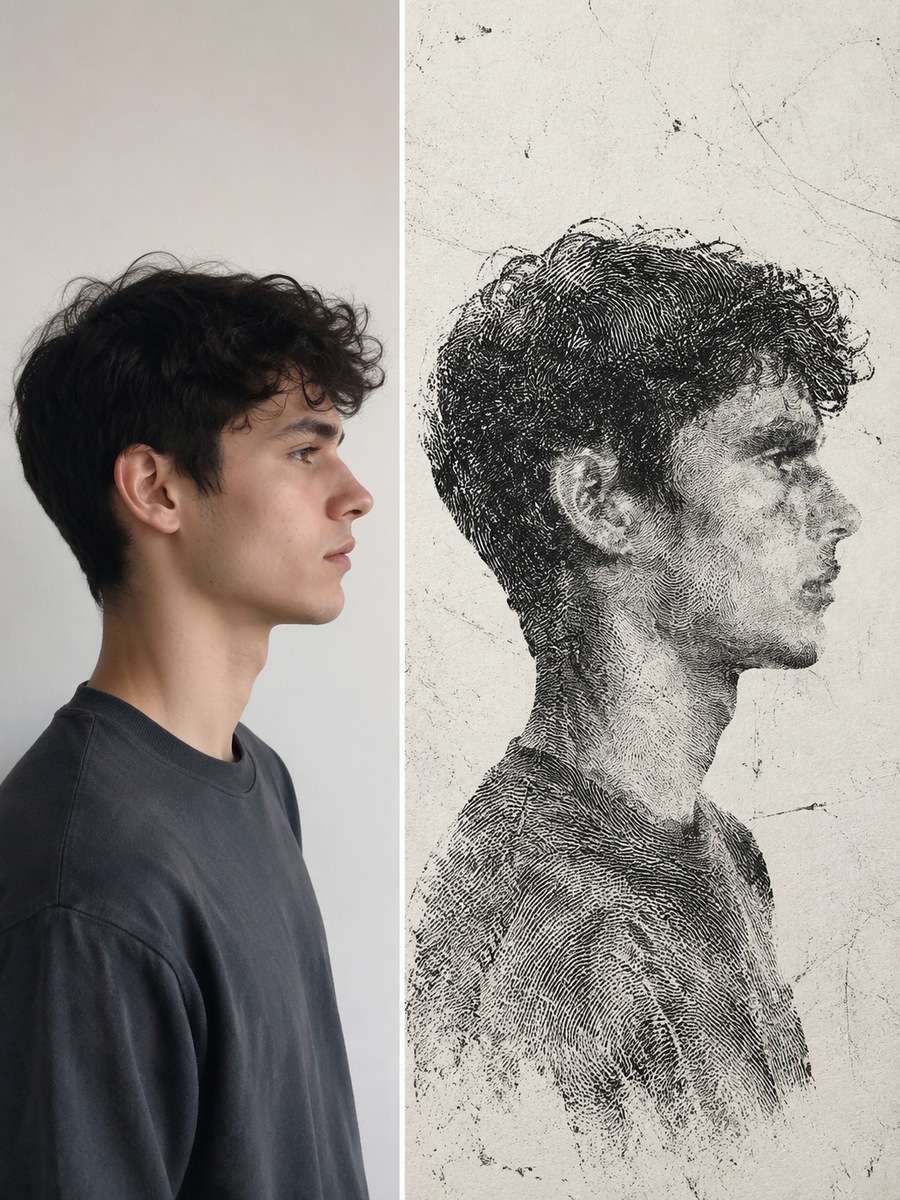
Black Ink Thumbprint Print
Use the original uploaded portrait as the person reference. For this particular concept, add realistic thumbprint ink, scratched paper and a sharply readable side profile from the original face. Keep the original face, hairline, skin texture, age and number of people; make the edited scene physically coherent rather than a pasted-face effect. Use natural material textures and avoid forced high saturation or artificial glow. Preserve recognizable eyes, hair and face geometry in rough toner; emphasize paper grain, black crush and copier artifacts without illegible fabricated words or borrowed punk band marks. Avoid these common errors: unreadable fabricated typography, derivative band designs and lost facial identity. Create a usable standalone image suitable for zine cover graphics and analogue collage experiments.
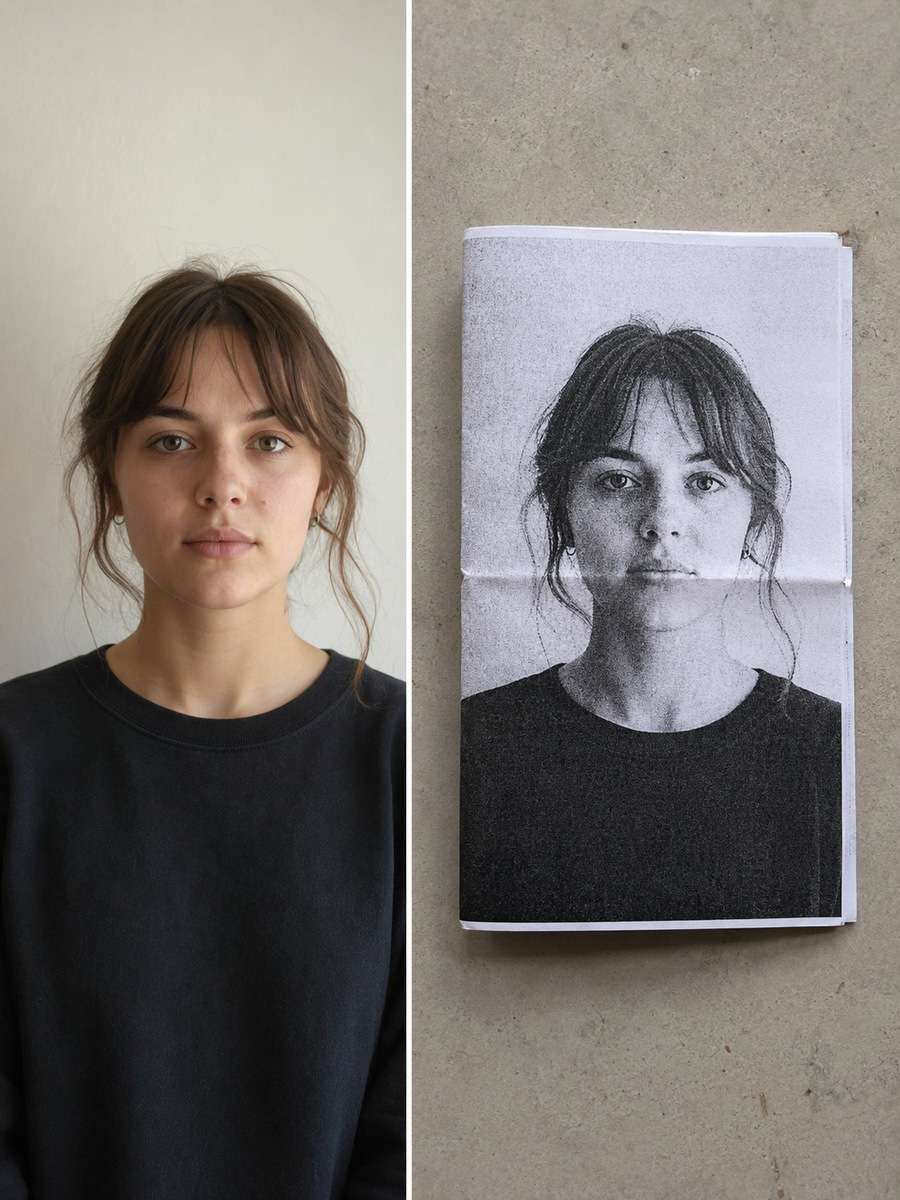
Folded A5 Street Zine
Restyle the existing photograph, retaining the same individual. For this particular concept, make a folded DIY zine cover photographed on concrete with copier-grain portrait and exact paper folds. Keep the original face, hairline, skin texture, age and number of people; make the edited scene physically coherent rather than a pasted-face effect. Keep hand positions, object contact points and camera perspective plausible. Preserve recognizable eyes, hair and face geometry in rough toner; emphasize paper grain, black crush and copier artifacts without illegible fabricated words or borrowed punk band marks. Avoid these common errors: unreadable fabricated typography, derivative band designs and lost facial identity. Create a usable standalone image suitable for zine cover graphics and analogue collage experiments.
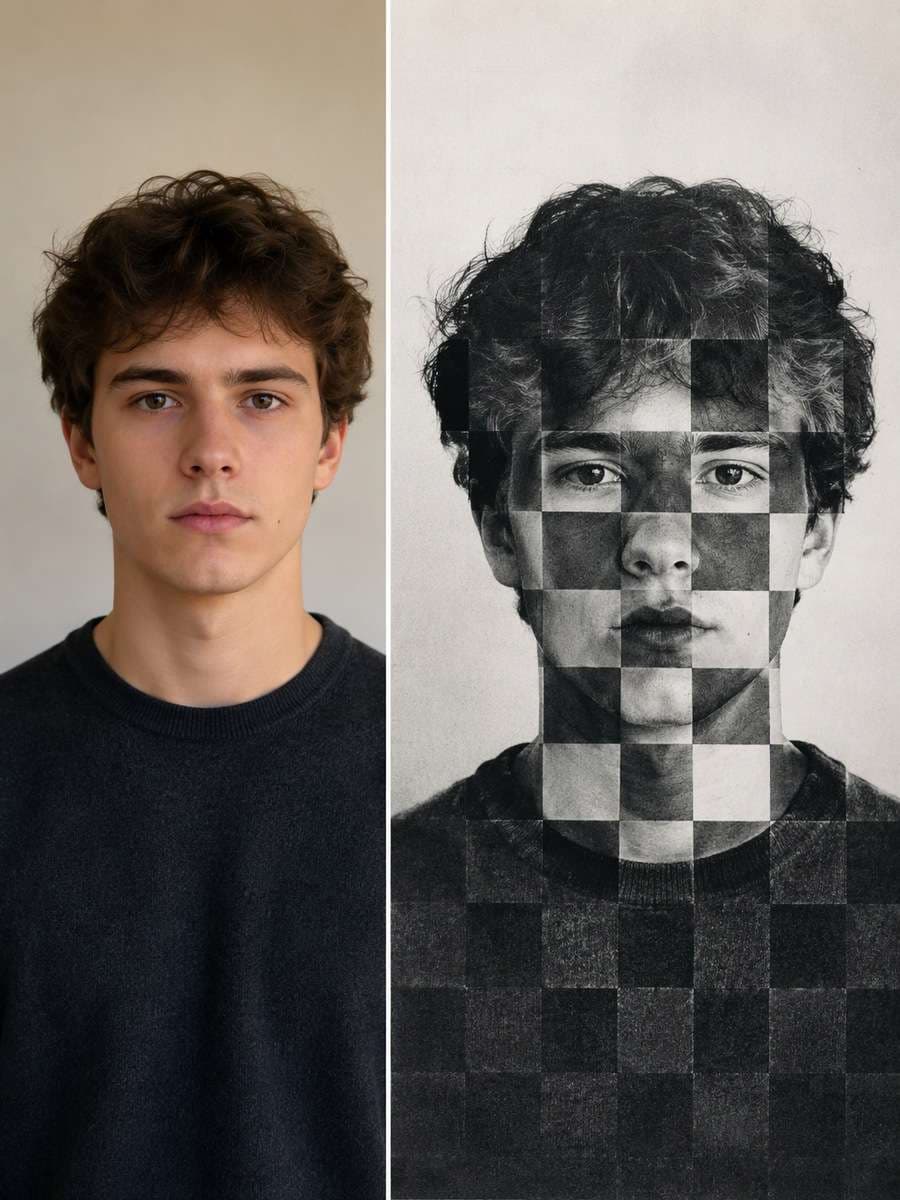
Checkerboard Xerox Portrait
Begin with a clear consented selfie or body portrait. For this particular concept, cut face into checkerboard tiles with alternating dark copier exposures, preserve relative facial geometry. Keep the original face, hairline, skin texture, age and number of people; make the edited scene physically coherent rather than a pasted-face effect. Finish with restrained photographic detail rather than generic AI glamour effects. Preserve recognizable eyes, hair and face geometry in rough toner; emphasize paper grain, black crush and copier artifacts without illegible fabricated words or borrowed punk band marks. Avoid these common errors: unreadable fabricated typography, derivative band designs and lost facial identity. Create a usable standalone image suitable for zine cover graphics and analogue collage experiments.
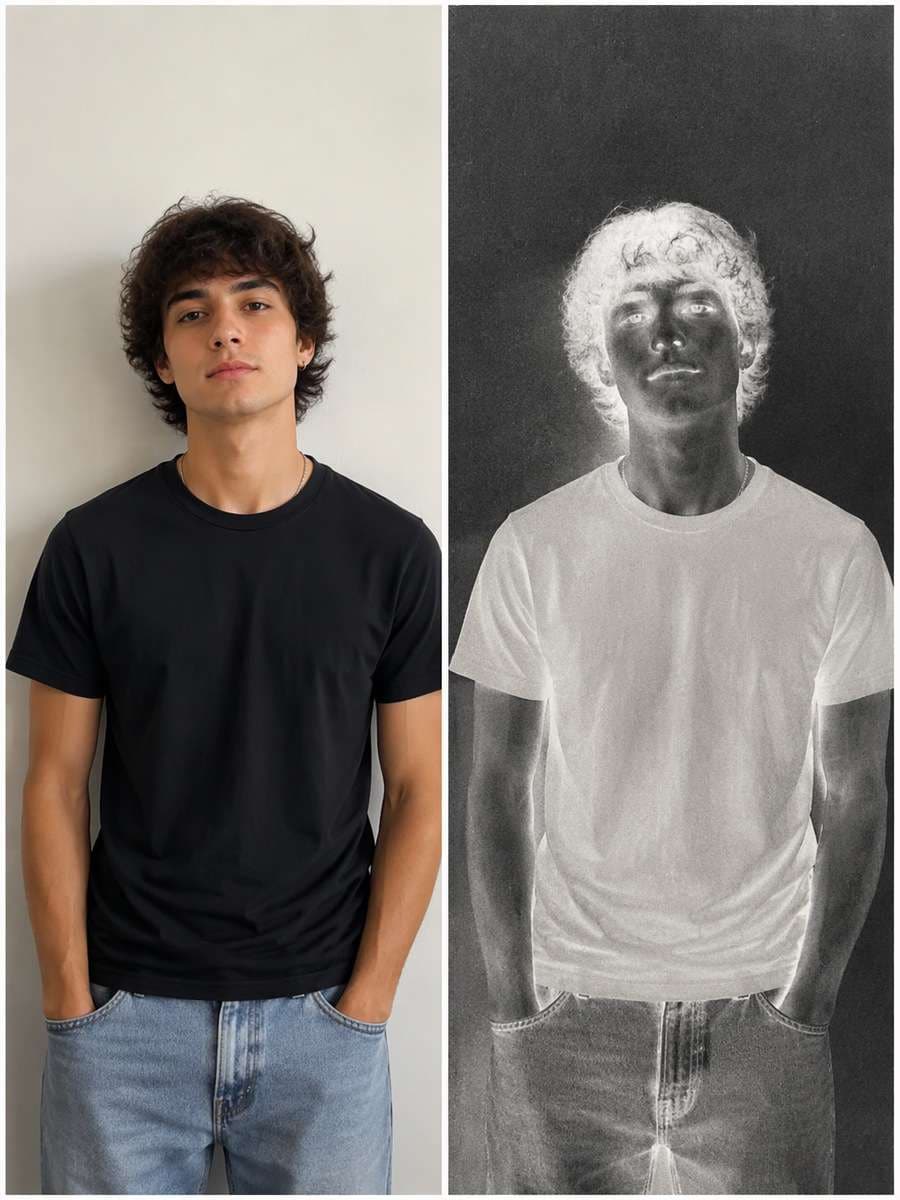
Rough Negative Photo Print
Use the original uploaded portrait as the person reference. For this particular concept, render original portrait as reversed black-white photocopy negative with bright hair edges and grainy shadows. Keep the original face, hairline, skin texture, age and number of people; make the edited scene physically coherent rather than a pasted-face effect. Match environmental reflections and shadows to the actual light sources. Preserve recognizable eyes, hair and face geometry in rough toner; emphasize paper grain, black crush and copier artifacts without illegible fabricated words or borrowed punk band marks. Avoid these common errors: unreadable fabricated typography, derivative band designs and lost facial identity. Create a usable standalone image suitable for zine cover graphics and analogue collage experiments.
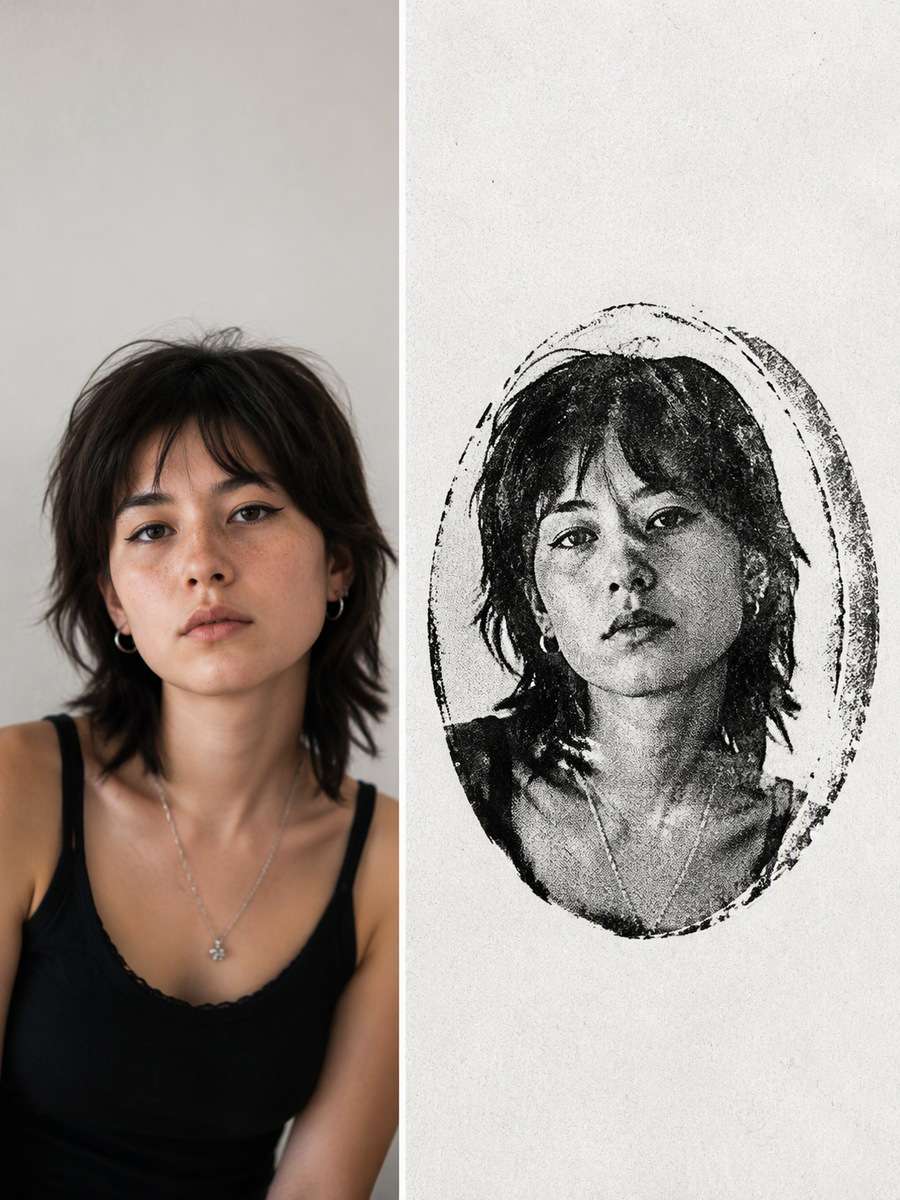
Punk Portrait Stamp
Restyle the existing photograph, retaining the same individual. For this particular concept, frame face as imperfect hand-stamped oval with loose paper fibers and subtle offset duplicate print. Keep the original face, hairline, skin texture, age and number of people; make the edited scene physically coherent rather than a pasted-face effect. Choose framing that gives the subject and its key details enough space to be recognizable. Preserve recognizable eyes, hair and face geometry in rough toner; emphasize paper grain, black crush and copier artifacts without illegible fabricated words or borrowed punk band marks. Avoid these common errors: unreadable fabricated typography, derivative band designs and lost facial identity. Create a usable standalone image suitable for zine cover graphics and analogue collage experiments.
Silkscreen Ink Misregistration
Begin with a clear consented selfie or body portrait. For this particular concept, reimagine the portrait as rough single-color screenprint on recycled card with small registration drift. Keep the original face, hairline, skin texture, age and number of people; make the edited scene physically coherent rather than a pasted-face effect. Use natural material textures and avoid forced high saturation or artificial glow. Preserve recognizable eyes, hair and face geometry in rough toner; emphasize paper grain, black crush and copier artifacts without illegible fabricated words or borrowed punk band marks. Avoid these common errors: unreadable fabricated typography, derivative band designs and lost facial identity. Create a usable standalone image suitable for zine cover graphics and analogue collage experiments.
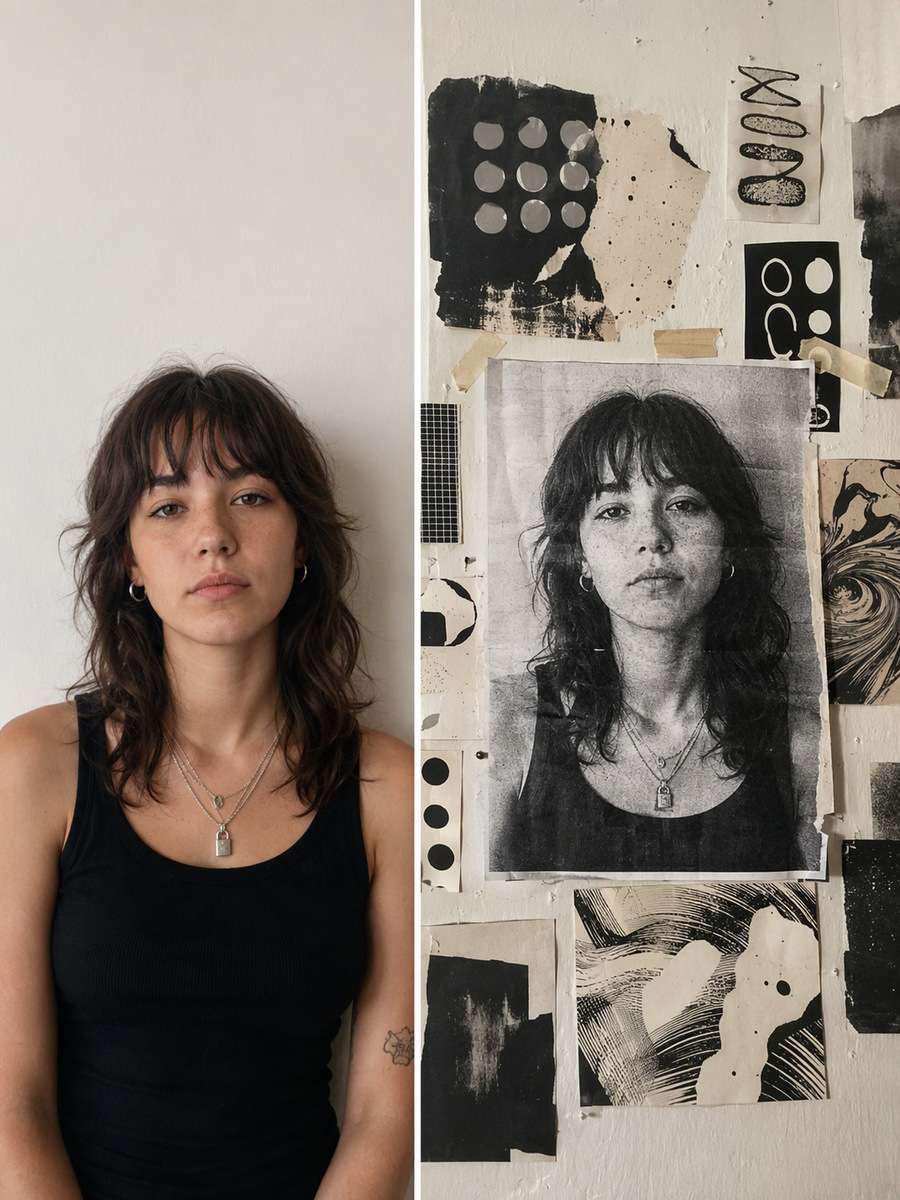
Stickered Zine Wall
Use the original uploaded portrait as the person reference. For this particular concept, show an original photocopied portrait taped to DIY gallery wall among unlabeled abstract scraps. Keep the original face, hairline, skin texture, age and number of people; make the edited scene physically coherent rather than a pasted-face effect. Keep hand positions, object contact points and camera perspective plausible. Preserve recognizable eyes, hair and face geometry in rough toner; emphasize paper grain, black crush and copier artifacts without illegible fabricated words or borrowed punk band marks. Avoid these common errors: unreadable fabricated typography, derivative band designs and lost facial identity. Create a usable standalone image suitable for zine cover graphics and analogue collage experiments.
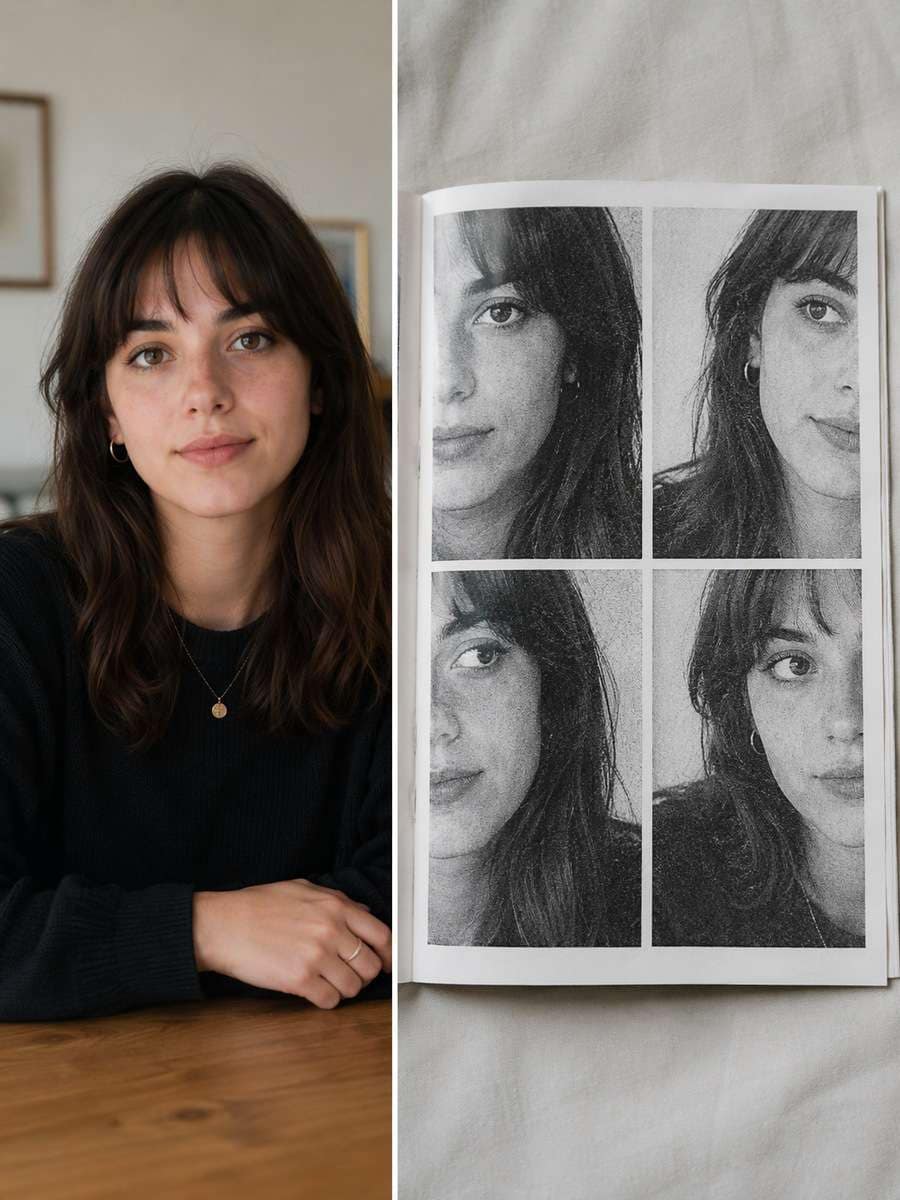
Four-Crop Xerox Sequence
Restyle the existing photograph, retaining the same individual. For this particular concept, arrange four different crops of one face across handmade booklet page, original eye and hair identity stable. Keep the original face, hairline, skin texture, age and number of people; make the edited scene physically coherent rather than a pasted-face effect. Finish with restrained photographic detail rather than generic AI glamour effects. Preserve recognizable eyes, hair and face geometry in rough toner; emphasize paper grain, black crush and copier artifacts without illegible fabricated words or borrowed punk band marks. Avoid these common errors: unreadable fabricated typography, derivative band designs and lost facial identity. Create a usable standalone image suitable for zine cover graphics and analogue collage experiments.
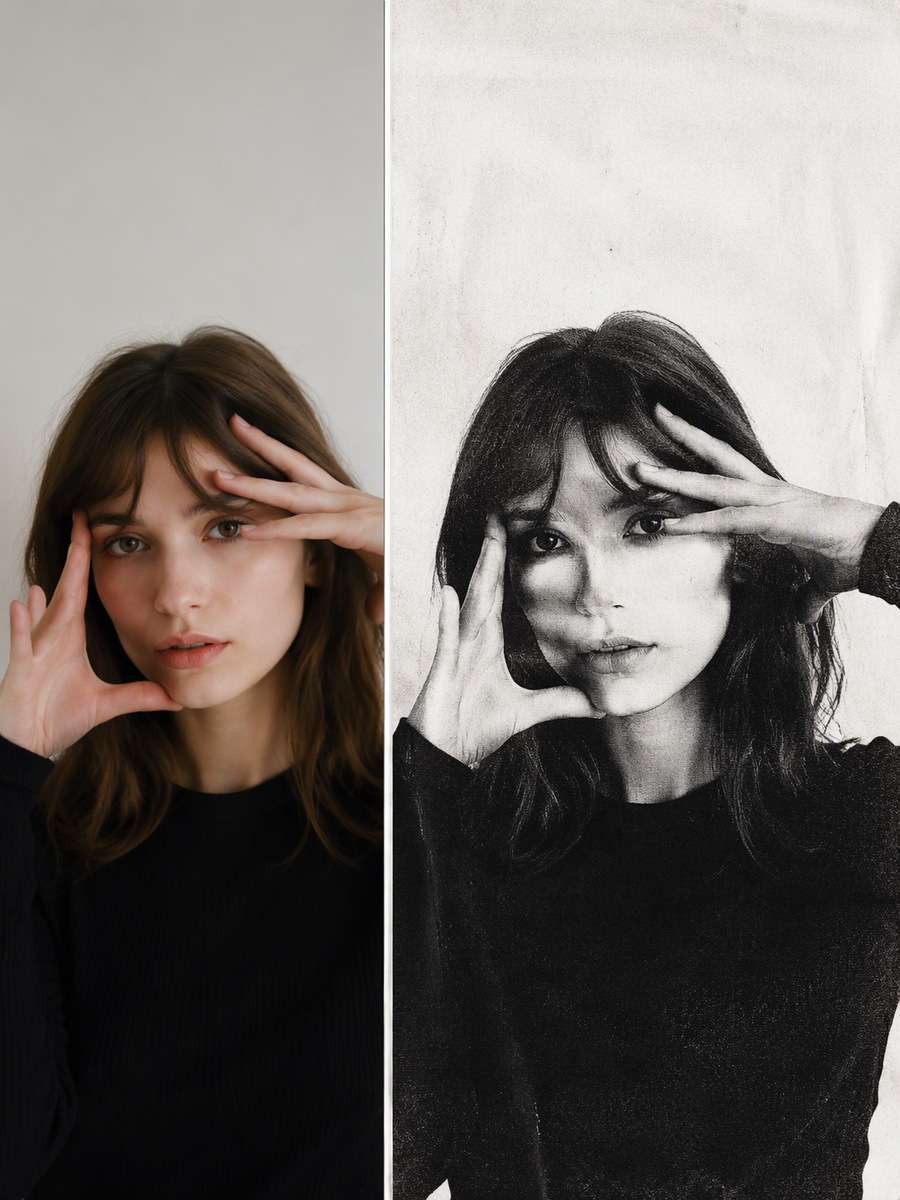
Photocopy Shadow Hands
Begin with a clear consented selfie or body portrait. For this particular concept, create a xerographic cover with the person's hands framing a face, high contrast and correct fingers. Keep the original face, hairline, skin texture, age and number of people; make the edited scene physically coherent rather than a pasted-face effect. Match environmental reflections and shadows to the actual light sources. Preserve recognizable eyes, hair and face geometry in rough toner; emphasize paper grain, black crush and copier artifacts without illegible fabricated words or borrowed punk band marks. Avoid these common errors: unreadable fabricated typography, derivative band designs and lost facial identity. Create a usable standalone image suitable for zine cover graphics and analogue collage experiments.
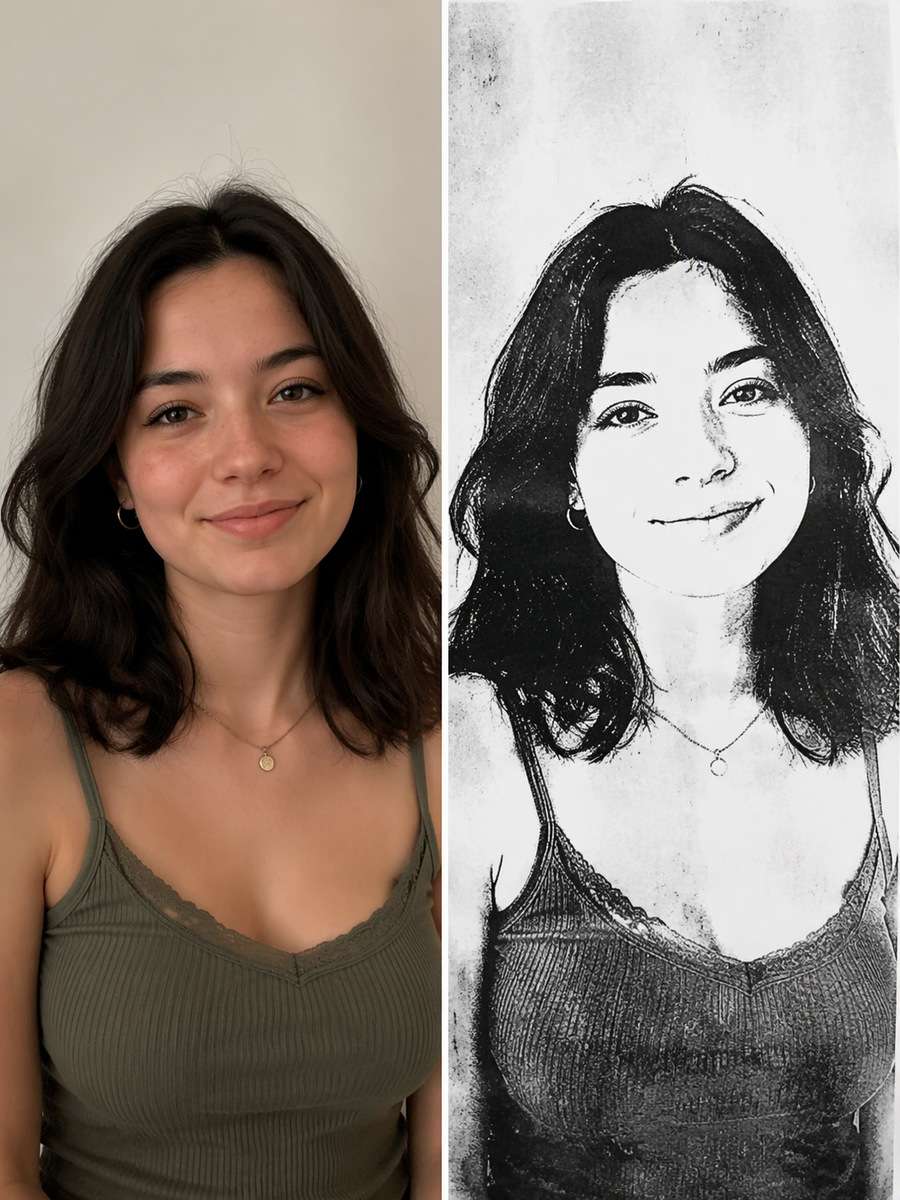
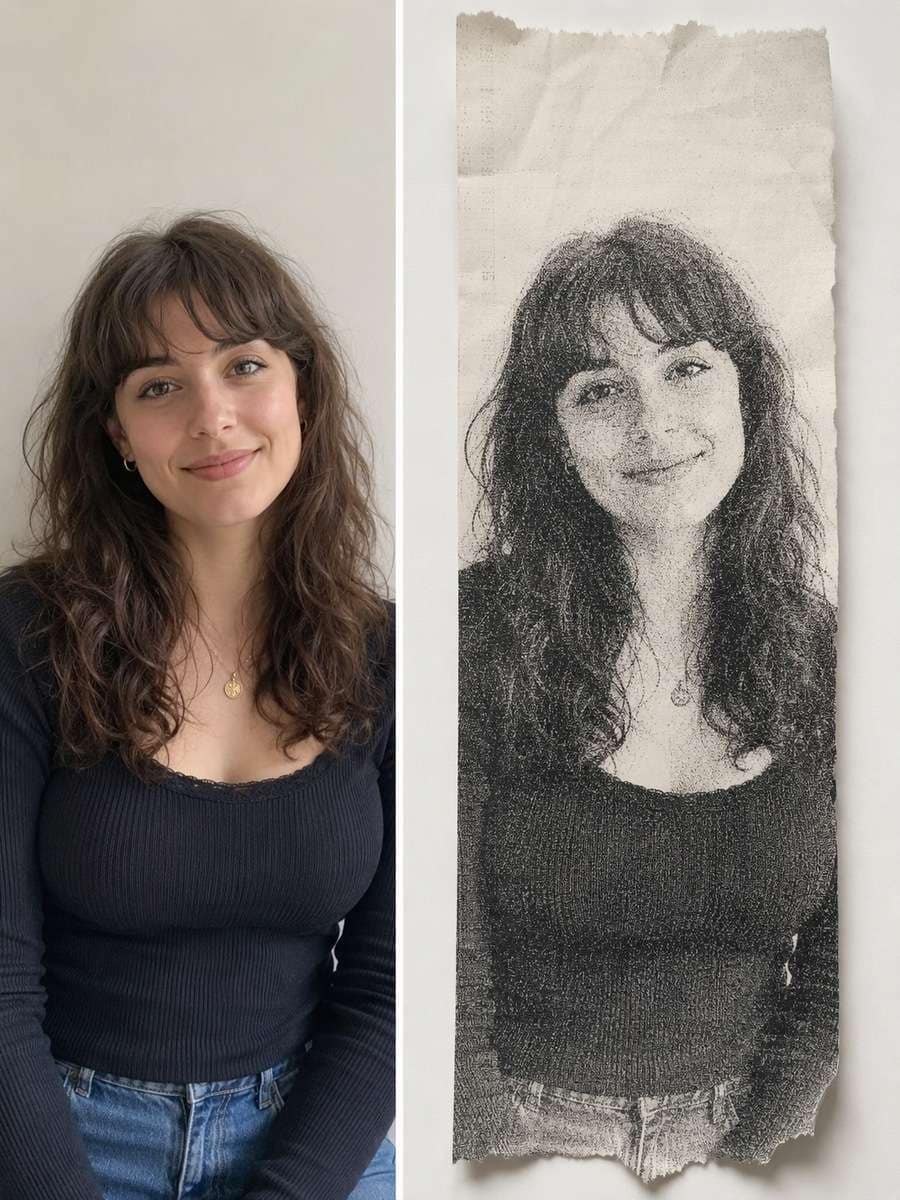
Grungy Receipt Paper Portrait
Use the original uploaded portrait as the person reference. For this particular concept, print a narrow portrait on thermal receipt-like strip with torn edges and fine black dots. Keep the original face, hairline, skin texture, age and number of people; make the edited scene physically coherent rather than a pasted-face effect. Choose framing that gives the subject and its key details enough space to be recognizable. Preserve recognizable eyes, hair and face geometry in rough toner; emphasize paper grain, black crush and copier artifacts without illegible fabricated words or borrowed punk band marks. Avoid these common errors: unreadable fabricated typography, derivative band designs and lost facial identity. Create a usable standalone image suitable for zine cover graphics and analogue collage experiments.
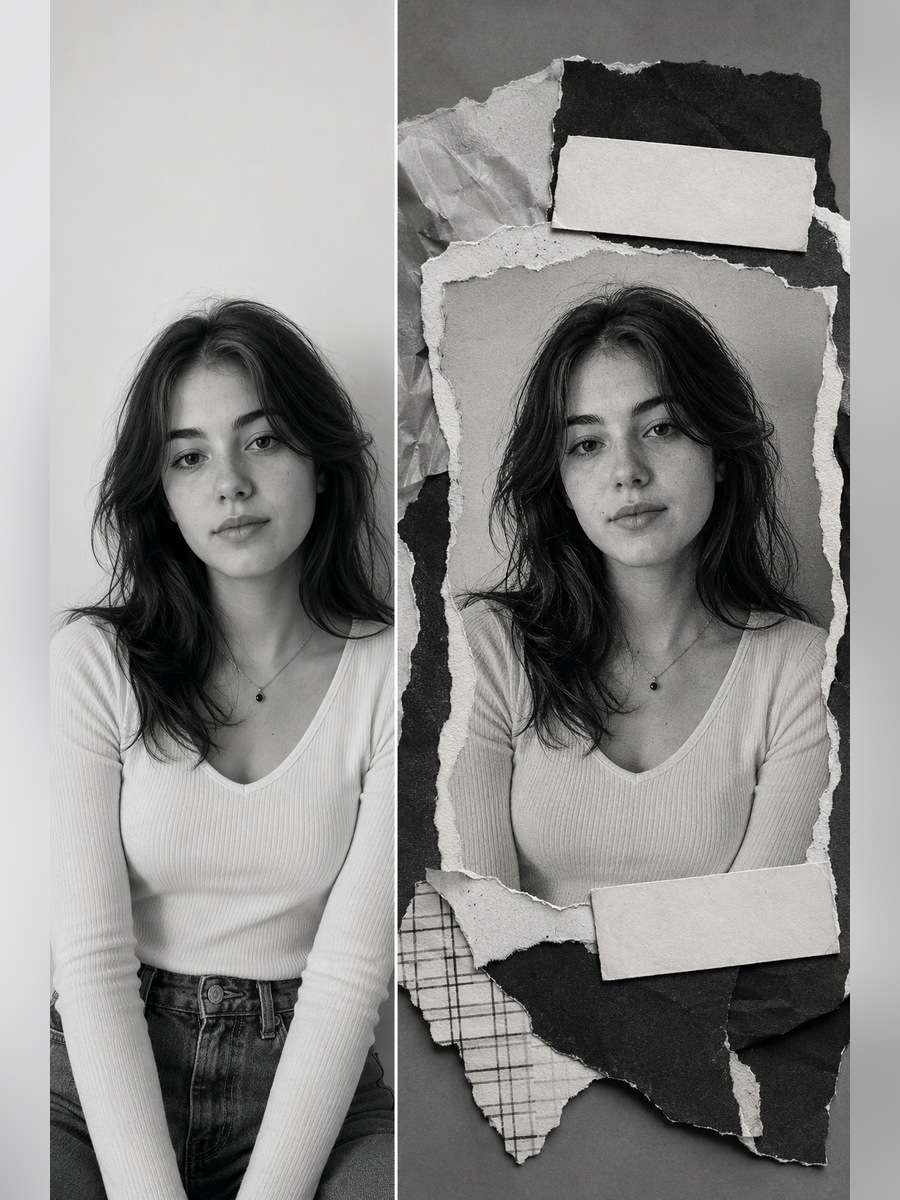
Magazine Cutout Frame
Restyle the existing photograph, retaining the same individual. For this particular concept, surround an original face in mismatched torn paper frames with deliberately blank caption rectangles. Keep the original face, hairline, skin texture, age and number of people; make the edited scene physically coherent rather than a pasted-face effect. Use natural material textures and avoid forced high saturation or artificial glow. Preserve recognizable eyes, hair and face geometry in rough toner; emphasize paper grain, black crush and copier artifacts without illegible fabricated words or borrowed punk band marks. Avoid these common errors: unreadable fabricated typography, derivative band designs and lost facial identity. Create a usable standalone image suitable for zine cover graphics and analogue collage experiments.
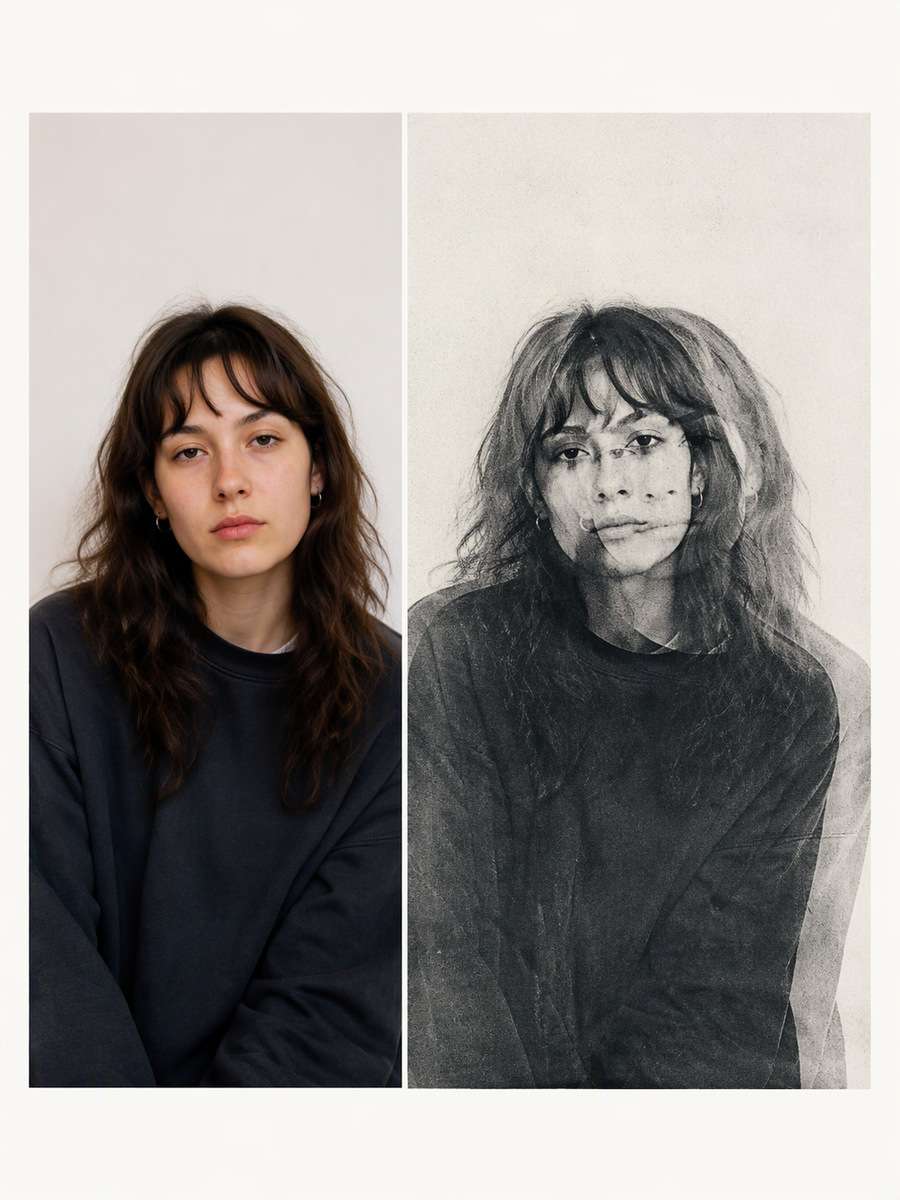
Faded Cheap Copier Layer
Begin with a clear consented selfie or body portrait. For this particular concept, stack two off-register photocopied images of same subject in grey and black tonal layers, not a glitch effect. Keep the original face, hairline, skin texture, age and number of people; make the edited scene physically coherent rather than a pasted-face effect. Keep hand positions, object contact points and camera perspective plausible. Preserve recognizable eyes, hair and face geometry in rough toner; emphasize paper grain, black crush and copier artifacts without illegible fabricated words or borrowed punk band marks. Avoid these common errors: unreadable fabricated typography, derivative band designs and lost facial identity. Create a usable standalone image suitable for zine cover graphics and analogue collage experiments.
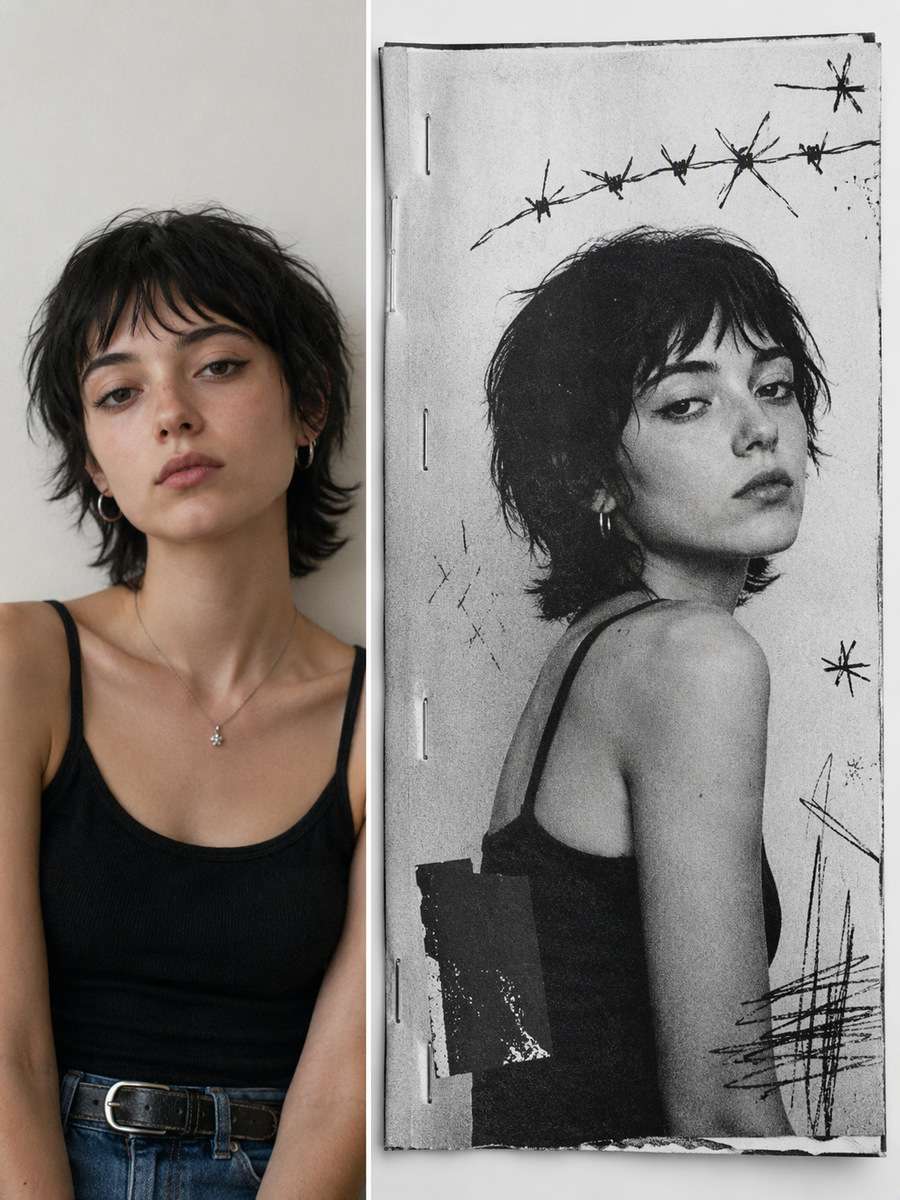
Stapled Zine Back Page
Use the original uploaded portrait as the person reference. For this particular concept, place a candid shoulder portrait on final zine page beside visible staple folds and abstract doodles. Keep the original face, hairline, skin texture, age and number of people; make the edited scene physically coherent rather than a pasted-face effect. Finish with restrained photographic detail rather than generic AI glamour effects. Preserve recognizable eyes, hair and face geometry in rough toner; emphasize paper grain, black crush and copier artifacts without illegible fabricated words or borrowed punk band marks. Avoid these common errors: unreadable fabricated typography, derivative band designs and lost facial identity. Create a usable standalone image suitable for zine cover graphics and analogue collage experiments.
Get the Details Right for Photocopy Zine Portrait Prompts
A diy black-and-white portrait reinterpretation with printed physical texture works best when you decide on the input, visual scene and subject constraints before generating. A strong edit should feel specific to the subject, not a stock-style filter.
Start With the Right Original Photo
Best source: a face photo with clear silhouette and printable contrast.
Use visible copier toner threshold as the visual anchor. Build around misregistration and halftone dots rather than adding unrelated decoration.
Preserve source truth: Preserve recognizable eyes, hair and face geometry in rough toner; emphasize paper grain, black crush and copier artifacts without illegible fabricated words or borrowed punk band marks.
Refine Style Without Losing Accuracy
Work deliberately with torn newsprint borders and tape and staple details.
The result should be appropriate for zine cover graphics and analogue collage experiments.
Common errors to correct: unreadable fabricated typography, derivative band designs and lost facial identity.
Ways to Use Photocopy Zine Portrait Prompts
Pick a practical outlet for zine cover graphics and analogue collage experiments; these four uses call for slightly different crops, detail levels and lighting.
DIY zine cover
Use a dedicated source-photo edit built around copier toner threshold. For diy zine cover, adjust framing and background to fit the final display while keeping the original subject accurate.
Indie music visual
Use a dedicated source-photo edit built around misregistration and halftone dots. For indie music visual, adjust framing and background to fit the final display while keeping the original subject accurate.
Art portfolio spread
Use a dedicated source-photo edit built around torn newsprint borders. For art portfolio spread, adjust framing and background to fit the final display while keeping the original subject accurate.
Photocopy poster design
Use a dedicated source-photo edit built around tape and staple details. For photocopy poster design, adjust framing and background to fit the final display while keeping the original subject accurate.
FAQs About Photocopy Zine Portrait Prompts
1. What is the difference between a photocopy zine portrait and a grunge filter?
A zine look suggests a physical assembly process: harsh toner contrast, misaligned halftone dots, torn edges, tape and imperfect xerox grain. Random scratches alone do not create the same design logic.
2. How can I reproduce a believable black-and-white photocopy look?
Request crushed black toner, harsh paper whites, slight misregistration and real copied edges. The portrait should remain readable through strong shape contrast.
3. Can I add cut-out headlines to a zine portrait?
Add real typography later in a design app when exact words matter. An AI-generated photomontage can suggest pasted newsprint or empty type areas without fabricating readable claims.
4. What should I check when editing photos for zine cover graphics and analogue collage experiments?
Compare the result with the source for factual details. In particular, avoid unreadable fabricated typography, derivative band designs and lost facial identity. If you share the image publicly, distinguish a synthetic edit from a documentary photograph where necessary.