





PromeAI Review: Sketch Rendering, Architecture and Pricing

Show a client warm, minimal and industrial interpretations of the same room. If that brief sounds familiar, PromeAI supports turning design sketches and rough CAD screenshots into client-facing render concepts. In this review, Upload a sketch, screenshot or image of an existing design and develop a realistic material rendering without discarding the underlying structure. However, Official instructions accept common image formats rather than native CAD or SketchUp files; export the drawing as a supported image first. If you instead need creative image transformations and interior concept ideation from uploaded photos, consider the relevant Media.io image workflow.

Primary Features of PromeAI Sketch Rendering and Image Generator

PromeAI is a design-visualization platform that transforms sketches, photos and captured 3D scenes into rendered concepts, with sketch rendering, reference guidance, region editing, style choices, and lighting controls.

Core Feature Overview

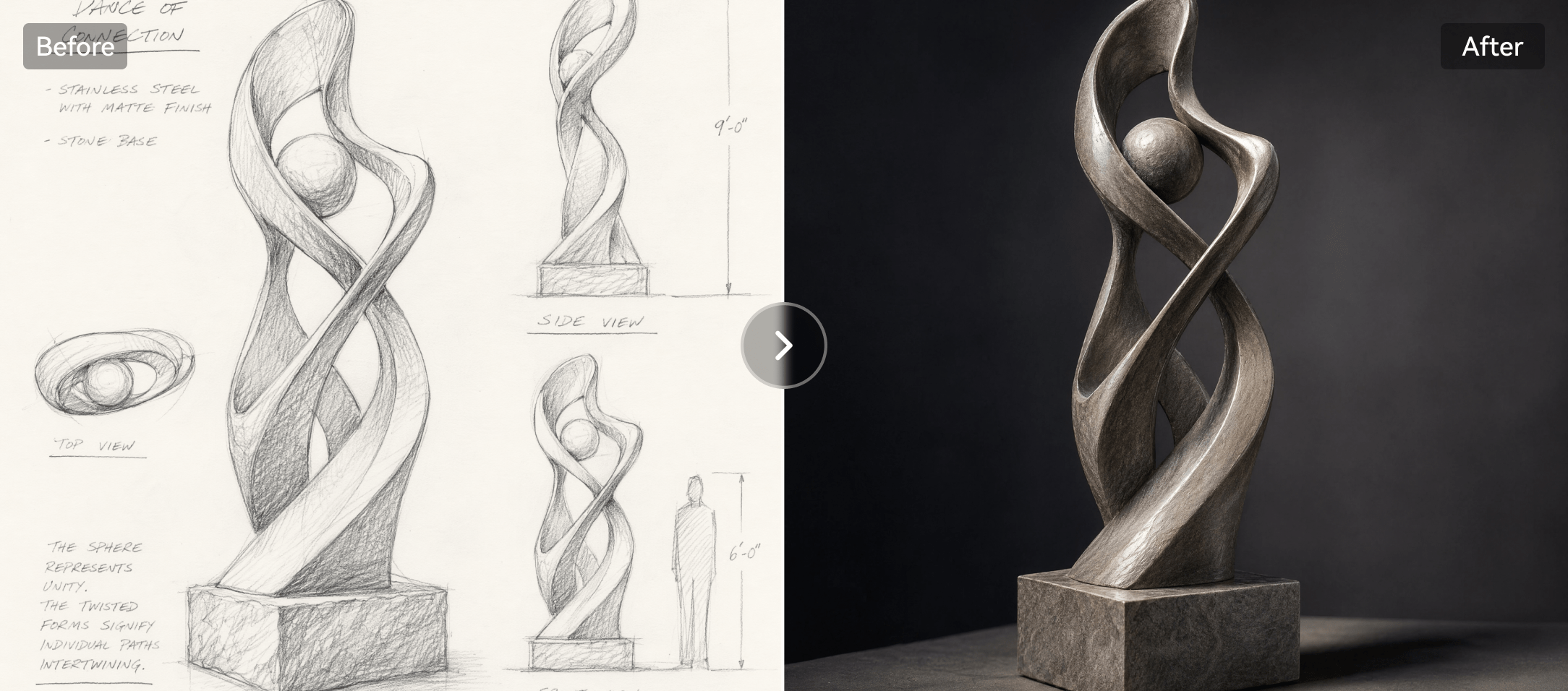
  • Sketch Rendering from Rough Drafts: Upload a sketch, screenshot or image of an existing design and develop a realistic material rendering without discarding the underlying structure.
  • Architecture and Interior Styles: Explore alternate room materials, furniture moods and exterior facades while checking which visible elements remain anchored to the source design.
  • Region Rendering for Local Edits: Refine a wall finish, furniture element or lighting detail selectively rather than restarting the complete architectural view.
  • Reference-Driven Render Control: Supply a visual reference to steer perspective and material styling; assess fidelity when the original room proportions are non-negotiable.
  • Lighting and Perspective Options: Adjust scene atmosphere, camera perspective and visual mood to communicate options to stakeholders before a costly physical mockup.
  • Creative Variation and Asset History: Compare generated versions and preserve approved references for the design meeting; treat outputs as concept art, not engineering drawings.
Sketch Rendering from Rough Drafts

Upload a sketch, screenshot or image of an existing design and develop a realistic material rendering without discarding the underlying structure. In a interior moodboard approval project, show a client warm, minimal and industrial interpretations of the same room. When preparing the output, a model may reinterpret wall angles or object placement, so compare every result with the original floor plan. PromeAI sketch to image work is especially important for architecture and interior concepts where the uploaded drawing matters.

Illustrative Media.io workflow graphic, not a PromeAI interface screenshot

Architecture and Interior Styles

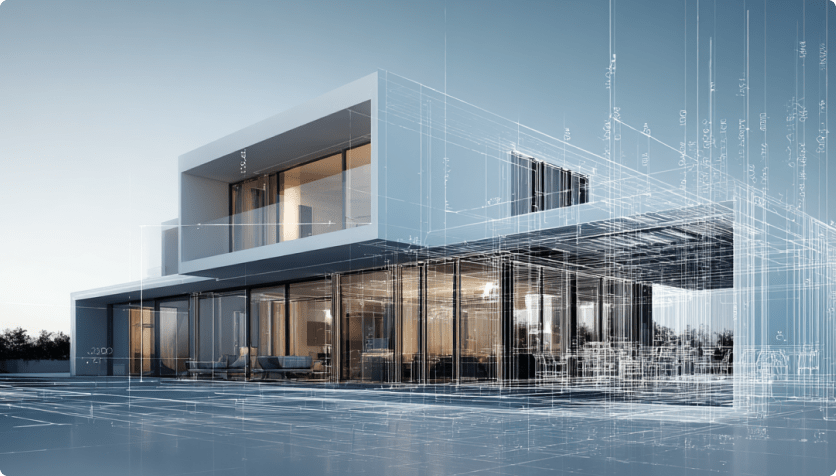
Explore alternate room materials, furniture moods and exterior facades while checking which visible elements remain anchored to the source design. In a facade material pitch project, render alternate cladding concepts over one architectural elevation. Generated textures and geometry do not certify structural dimensions, building code compliance or material feasibility. PromeAI interior design previews should be checked against a real room plan before presenting them as feasible.

Illustrative Media.io workflow graphic, not a PromeAI interface screenshot

Region Rendering for Local Edits

Refine a wall finish, furniture element or lighting detail selectively rather than restarting the complete architectural view. In a furniture styling preview project, test decor and material direction before purchasing set pieces. When preparing the output, render credits, generation modes and priority can change between tiers; verify the current pricing screen.

Illustrative Media.io workflow graphic, not a PromeAI interface screenshot

Reference-Driven Render Control

Supply a visual reference to steer perspective and material styling; assess fidelity when the original room proportions are non-negotiable. In a landscape concept study project, explore paths, greenery and daylight around a rough site reference. Targeted rendering can also influence nearby shadows or textures; isolate each revision before approving it.

Illustrative Media.io workflow graphic, not a PromeAI interface screenshot

Lighting and Perspective Options

Adjust scene atmosphere, camera perspective and visual mood to communicate options to stakeholders before a costly physical mockup. In a real estate concept visuals project, make a renovation concept understandable before a physical staging project. When preparing the output, official instructions accept common image formats rather than native CAD or SketchUp files; export the drawing as a supported image first.

Illustrative Media.io workflow graphic, not a PromeAI interface screenshot

Creative Variation and Asset History

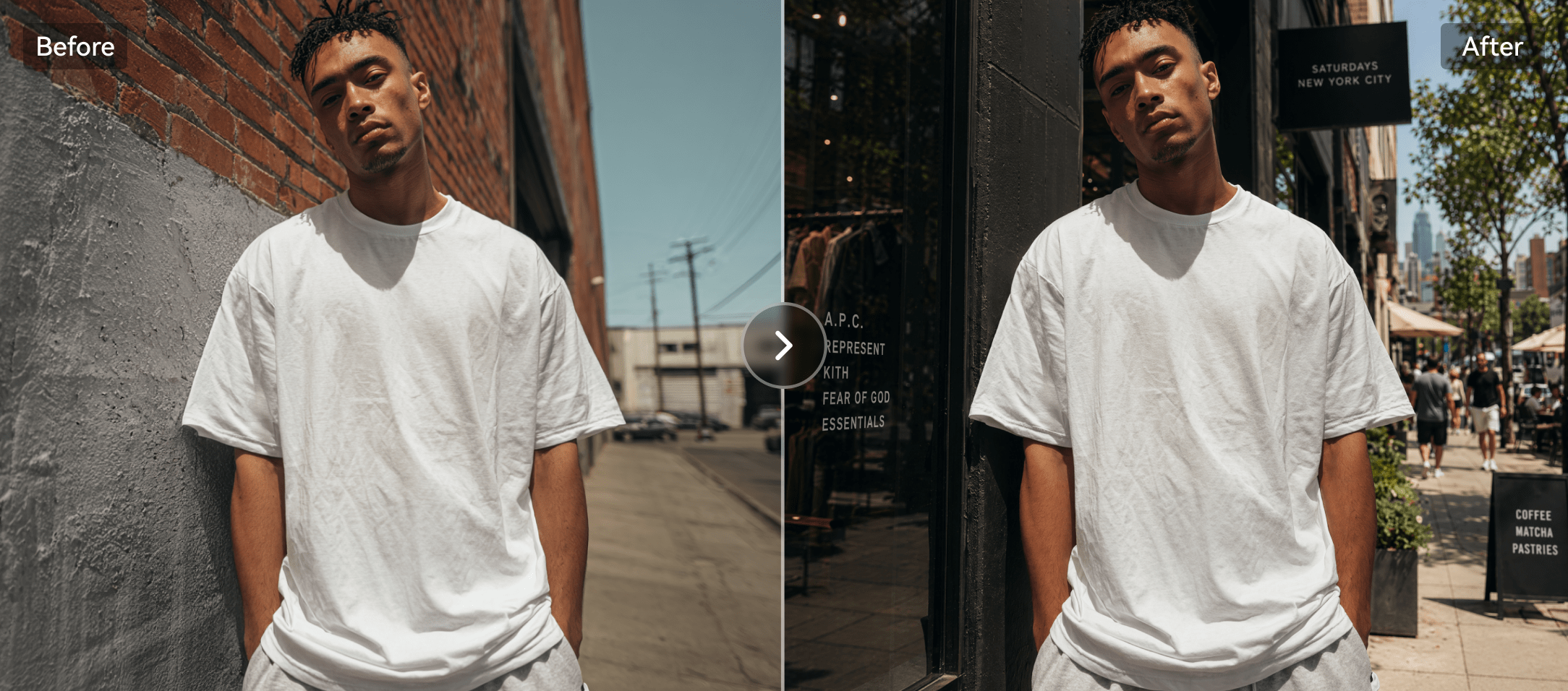
Compare generated versions and preserve approved references for the design meeting; treat outputs as concept art, not engineering drawings. In a portfolio sketch conversion project, turn linework from a student or designer into a presentation-ready visual. Use licensed photos and owner-approved architectural images before generating public marketing materials.
Illustrative Media.io workflow graphic, not a PromeAI interface screenshot

How to Edit a Photo Online With Media.io

1
2
3
1
Start from your ad brief

Upload a rights-cleared image relevant to architecture, interiors and sketch-led design iteration, or start with a clear brief.

2
Choose the ad workflow

Choose an available Media.io image editing mode and describe the changes to keep or avoid.

3
Generate and review the result

Generate the result, inspect subject fidelity and export only after a rights and quality check.

Illustrative Media.io workflow graphic, not a PromeAI interface screenshot

When to Use PromeAI for Architecture, Interiors And Sketch-Led Design Iteration

From interior moodboard approval to portfolio sketch conversion, these are practical situations to evaluate PromeAI rather than treating every visual tool as interchangeable.

Facade Material Pitch

Render alternate cladding concepts over one architectural elevation.

Furniture Styling Preview

Test decor and material direction before purchasing set pieces.

Real Estate Concept Visuals

Make a renovation concept understandable before a physical staging project.

Portfolio Sketch Conversion

Turn linework from a student or designer into a presentation-ready visual.

PromeAI Pricing, Workflow Limits and What to Verify

PromeAI can be a good fit for turning design sketches and rough CAD screenshots into client-facing render concepts, but these six tradeoffs affect the real result and total workload.

Sketch Inputs Need Preparation

Official instructions accept common image formats rather than native CAD or SketchUp files; export the drawing as a supported image first.

Design Render Is Not a Technical Plan

Generated textures and geometry do not certify structural dimensions, building code compliance or material feasibility.

Perspective Can Drift

A model may reinterpret wall angles or object placement, so compare every result with the original floor plan.

Region Edits Need Inspection

Targeted rendering can also influence nearby shadows or textures; isolate each revision before approving it.

Plan Quotas Change

Render credits, generation modes and priority can change between tiers; verify the current pricing screen.

Reference Rights Still Matter

Use licensed photos and owner-approved architectural images before generating public marketing materials.

PromeAI vs Media.io: Features, Pricing and Best Fit

Choose PromeAI if your priority is turning design sketches and rough CAD screenshots into client-facing render concepts. Compare Media.io when the task instead centers on creative image transformations and interior concept ideation from uploaded photos; these are related tools, not identical products.

Decision Factor PromeAI Media.io
Primary creation task turning design sketches and rough CAD screenshots into client-facing render concepts creative image transformations and interior concept ideation from uploaded photos
Distinctive feature Architecture and Interior Styles. Explore alternate room materials, furniture moods and exterior facades while checking which visible elements remain anchored to the source design. For interior moodboard approval, Media.io can attempt a source-image restyling instead of using sketch rendering from rough drafts.
Source and reference Refine a wall finish, furniture element or lighting detail selectively rather than restarting the complete architectural view. For furniture styling preview, compare Media.io image editing with region rendering for local edits.
Typical production result Explore paths, greenery and daylight around a rough site reference. For landscape concept study, an image-to-image editor offers a simpler approach than reference-driven render control.
Limits to examine Render credits, generation modes and priority can change between tiers; verify the current pricing screen. For real estate concept visuals, compare the available Media.io output format with plan quotas change.
Iteration or credits Use licensed photos and owner-approved architectural images before generating public marketing materials. When doing portfolio sketch conversion, measure actual image editing attempts rather than comparing nominal credits.
Workflow complexitySupply a visual reference to steer perspective and material styling; assess fidelity when the original room proportions are non-negotiable.For facade material pitch, image-to-image workflows may be simpler than architecture and interior styles.
Rights and quality Use licensed photos and owner-approved architectural images before generating public marketing materials. When working with real estate concept visuals, inspect generated details and check permission for source images.
Best-fit audience turning design sketches and rough CAD screenshots into client-facing render concepts creative image transformations and interior concept ideation from uploaded photos
Best for PromeAI

Choose PromeAI If You Need:

Consider PromeAI for interior moodboard approval and furniture styling preview. The strongest differentiator is sketch rendering from rough drafts; a buying risk is sketch inputs need preparation.

  • Interior Moodboard Approval: Show a client warm, minimal and industrial interpretations of the same room.
  • Facade Material Pitch: Render alternate cladding concepts over one architectural elevation.
  • Furniture Styling Preview: Test decor and material direction before purchasing set pieces.
  • Landscape Concept Study: Explore paths, greenery and daylight around a rough site reference.
  • Real Estate Concept Visuals: Make a renovation concept understandable before a physical staging project.
Visit PromeAI
Best for Media.io

Choose Media.io If You Need:

For landscape concept study, a Media.io editing workflow may better suit creative image transformations and interior concept ideation from uploaded photos. It is not a substitute for every sketch-to-render design visualization capability.

  • Create an image edit for interior moodboard approval using an authorized source.
  • Try a different composition for furniture styling preview before exporting.
    • Use the image editing console for landscape concept study where a simple workflow suffices.
  • Review an image-based approach to portfolio sketch conversion without promising the specialized competitor feature.
  • Create an image edit for interior moodboard approval using an authorized source.
Edit an Image With Media.io

Is PromeAI Worth It? Final Verdict

Our Take

Show a client warm, minimal and industrial interpretations of the same room. PromeAI offers sketch rendering from rough drafts alongside architecture and interior styles, which makes it an option for teams focused on architecture, interiors and sketch-led design iteration. The key proof is whether the workflow achieves an approved result for portfolio sketch conversion.

Official instructions accept common image formats rather than native CAD or SketchUp files; export the drawing as a supported image first. Also, render credits, generation modes and priority can change between tiers; verify the current pricing screen. These conditions matter when planning real estate concept visuals rather than a one-off test.

Choose PromeAI for turning design sketches and rough CAD screenshots into client-facing render concepts, particularly furniture styling preview. Consider Media.io for creative image transformations and interior concept ideation from uploaded photos, such as landscape concept study. Verify both the license and final output with a small representative project.

PromeAI FAQ: Features, Free Access and Alternatives

What is PromeAI used for?
faq faq

PromeAI is a design-visualization platform that transforms sketches, photos and captured 3D scenes into rendered concepts, with sketch rendering, reference guidance, region editing, style choices, and lighting controls.

Upload a sketch, screenshot or image of an existing design and develop a realistic material rendering without discarding the underlying structure.

Refine a wall finish, furniture element or lighting detail selectively rather than restarting the complete architectural view.

Supply a visual reference to steer perspective and material styling; assess fidelity when the original room proportions are non-negotiable.

Generated textures and geometry do not certify structural dimensions, building code compliance or material feasibility. Check the current allowance for interior moodboard approval.

Official instructions accept common image formats rather than native CAD or SketchUp files; export the drawing as a supported image first. Before paying for real estate concept visuals, check the published tier limits.

Render credits, generation modes and priority can change between tiers; verify the current pricing screen. Use licensed photos and owner-approved architectural images before generating public marketing materials.

PromeAI is particularly suited to turning design sketches and rough CAD screenshots into client-facing render concepts. Media.io provides a different route for creative image transformations and interior concept ideation from uploaded photos; compare your real input files and export needs.

Choose PromeAI when turning design sketches and rough CAD screenshots into client-facing render concepts is essential. Consider Media.io when creative image transformations and interior concept ideation from uploaded photos is the priority, and review both products' current usage policies.

What Media.io Creators Say About Their Workflow

Media.io AI video generator user
Sarah L.

Content Creator

star star star star half star

Media.io makes it much easier to test different AI video styles without jumping between several platforms. I can start with a text prompt or image, compare model results, and then resize or polish the clip for social media in the same workspace.

Media.io AI video creator
John D.

Social Media Marketer

star star star star half star

I use Media.io to create quick product clips, ad concepts, and short-form videos from images. The biggest advantage is that generation does not feel like the final step - I can continue with music, captions, enhancement, and format conversion before publishing.

Media.io AI video editing user
Emily T.

Freelance Designer

star star star star half star

The workflow is approachable even when I am experimenting with unfamiliar AI models. I can animate artwork, try different motion prompts, preview the output, and prepare a cleaner final version without needing advanced video-editing experience.

Media.io Online Tools Quality Rating:
vote 4.7 (162,357 Votes)
media.io

AI Video Generator star

Easily generate videos from text or images

Generate