| Primary task |
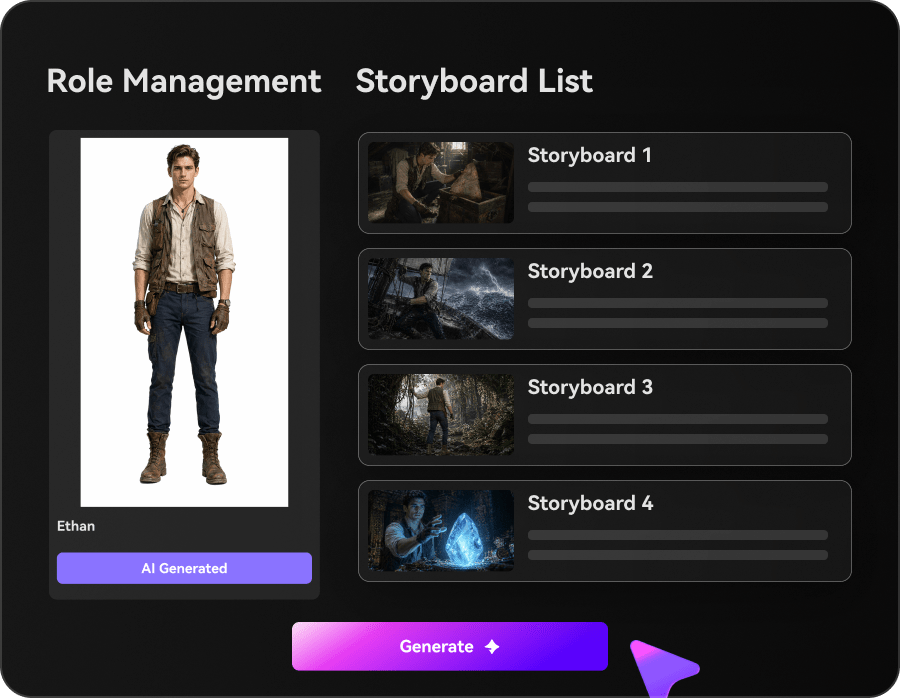
Adapt a structured script or novel into multiple connected scenes and episodes with cast references. |
Create shorter script-based videos or single narrative scenes without committing to a full serialized-production pipeline. |
| Core feature |
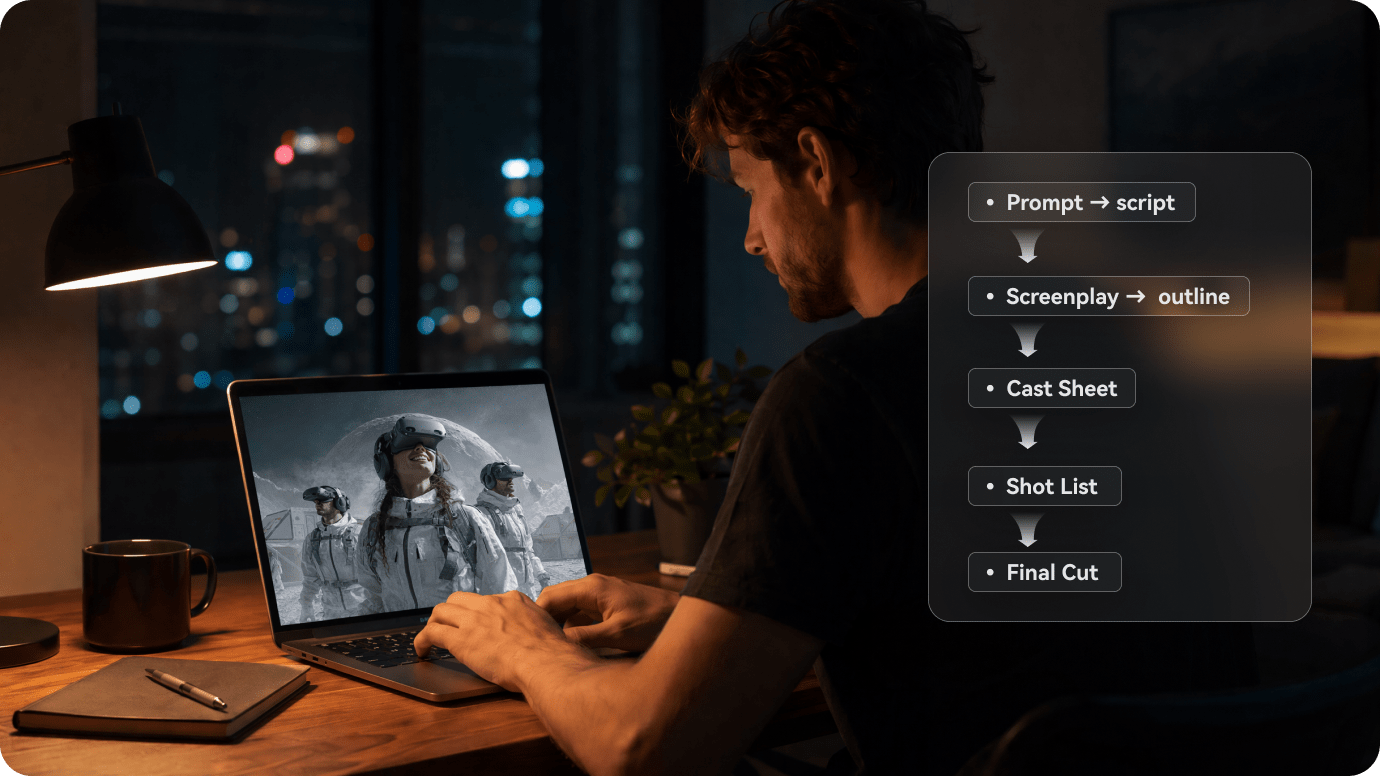
Novel and Screenplay Structure Analysis: SceneMixer analyzes a longer source to identify characters, locations, props and episode boundaries. It can also start from a brief premise. The screenplay breakdown matters because changing the structure later may affect many generated shots. |
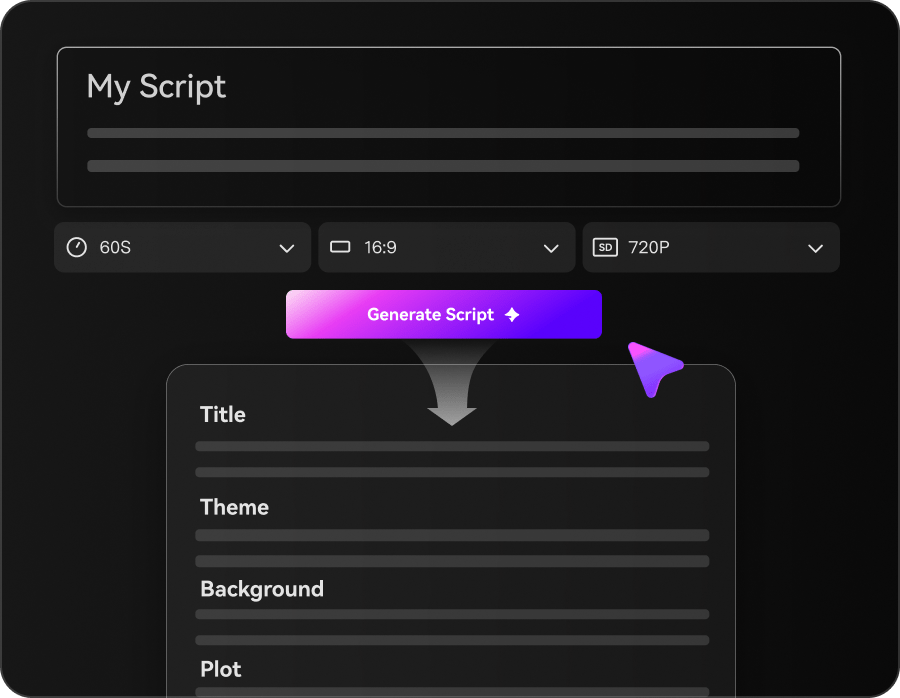
Turn one prepared script into a shorter visual narrative. |
| Source and preparation |
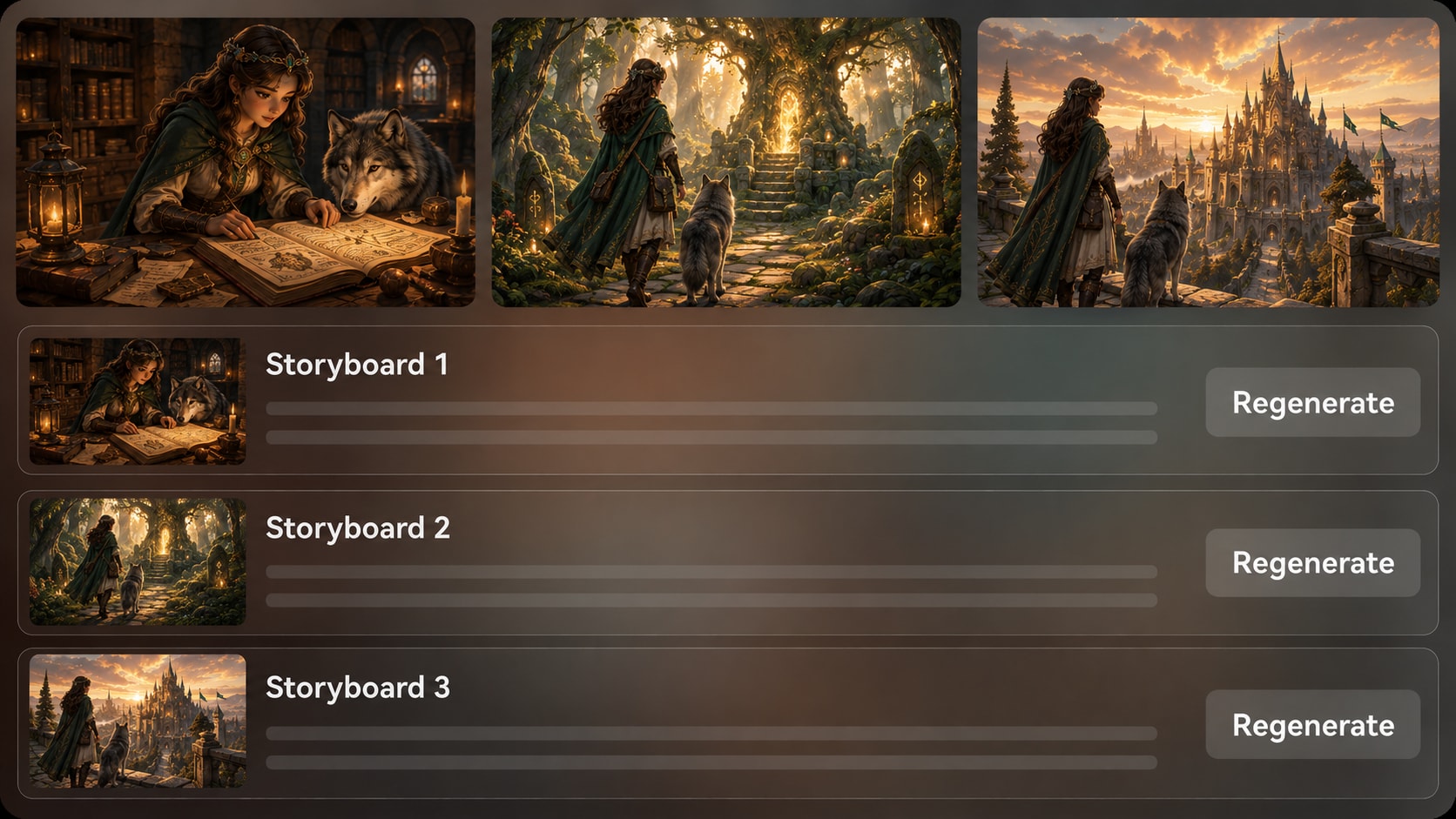
SceneMixer describes a spatial world around each scene, including a 360-degree set and camera positions. This is intended to preserve the direction of a room and subject placements when switching between shots. |
Condense a complete story beat into a clear, original script with a beginning, action and ending. |
| Ideal deliverable |
Serialized Romance Short Drama: Map a repeating cast and several locations through episodes with cliffhangers rather than generating isolated love-story clips. |
Try a multi-scene story concept without managing a full series bible. |
| Workflow control |
The generation process converts scenes into a series of shots, with each segment reviewed independently. A weak close-up can be regenerated without automatically restarting a whole episode, although the new footage still costs credits. |
Create a standalone family, romance or educational story segment. |
| Pricing model |
SceneMixer's website shows an introductory 50-credit sign-up allocation and paid membership tiers starting at about $7.99/month. Its product explanation emphasizes video generation charged by finished seconds, with a long-form project requiring a shot-level budget. Confirm rates and rollover at checkout. |
SceneMixer calculates video consumption at the segment and finished-second level, so an episode needs a full shot budget including retakes. A Media.io short story is scoped by the tool and generation limits for that clip; comparing subscription entry prices alone hides the different workloads. |
| Main production limit | The tool charges generation by video seconds and rerenders. A 90-second episode can contain many individually billed segments. | Review the generated outline and pacing before finalizing a short production. |
| Who owns the process |
Generated segments can be composed into complete episodes with landscape or vertical settings. The website describes multilingual interface and dialogue options, but voice, subtitle and distribution requirements still need final checking. |
Inspect the preview for character consistency and pacing before exporting a self-contained short video. |
| Best user fit |
Adapt a structured script or novel into multiple connected scenes and episodes with cast references. |
Create shorter script-based videos or single narrative scenes without committing to a full serialized-production pipeline. |