| Primary objective |
Liminal is a stronger fit when an authorized spokesperson identity is an enduring campaign asset and multilingual video variants are planned. |
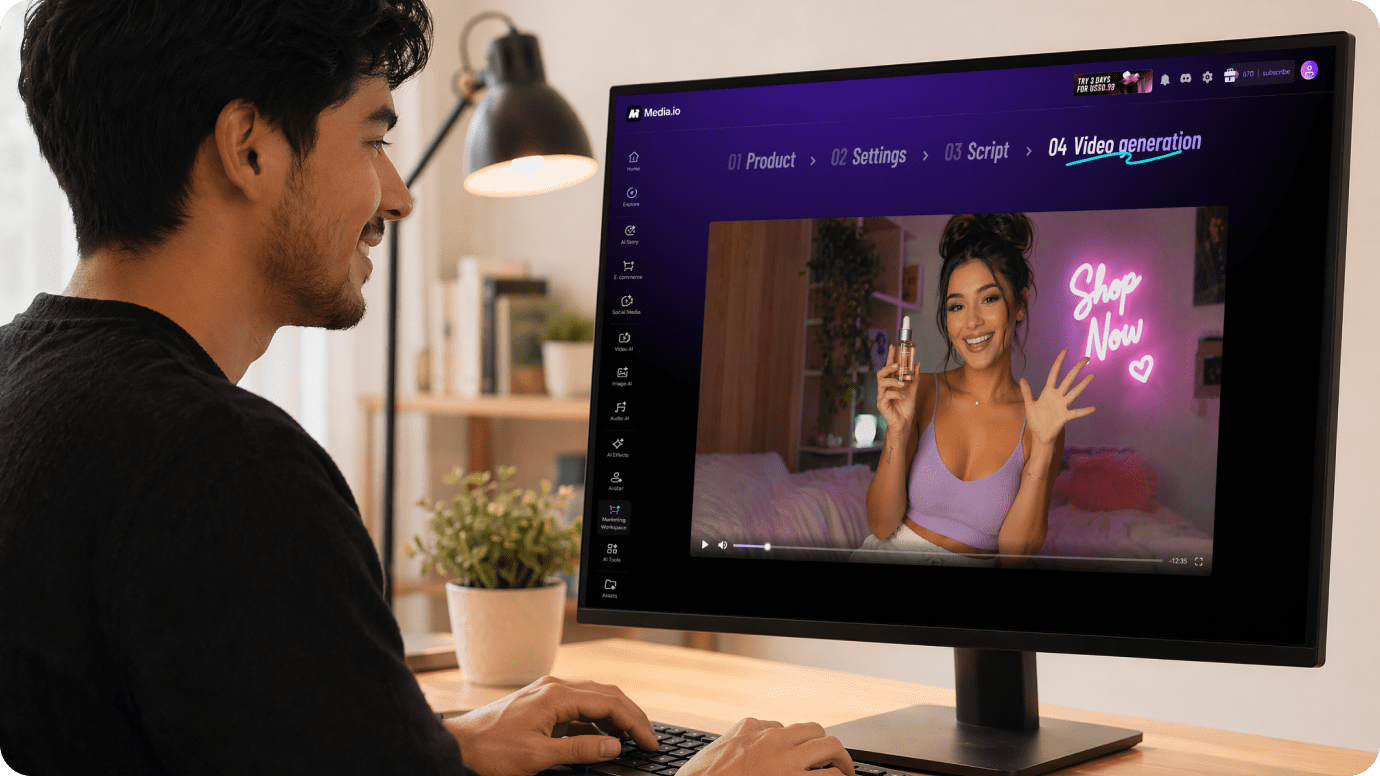
Media.io is more relevant when the creative brief is a product-centered short ad and the team does not need to establish a permanent digital clone. It can start from the campaign asset and message. |
| Starting assets |
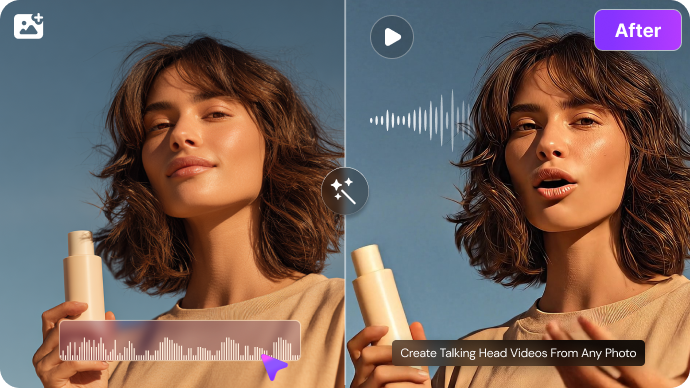
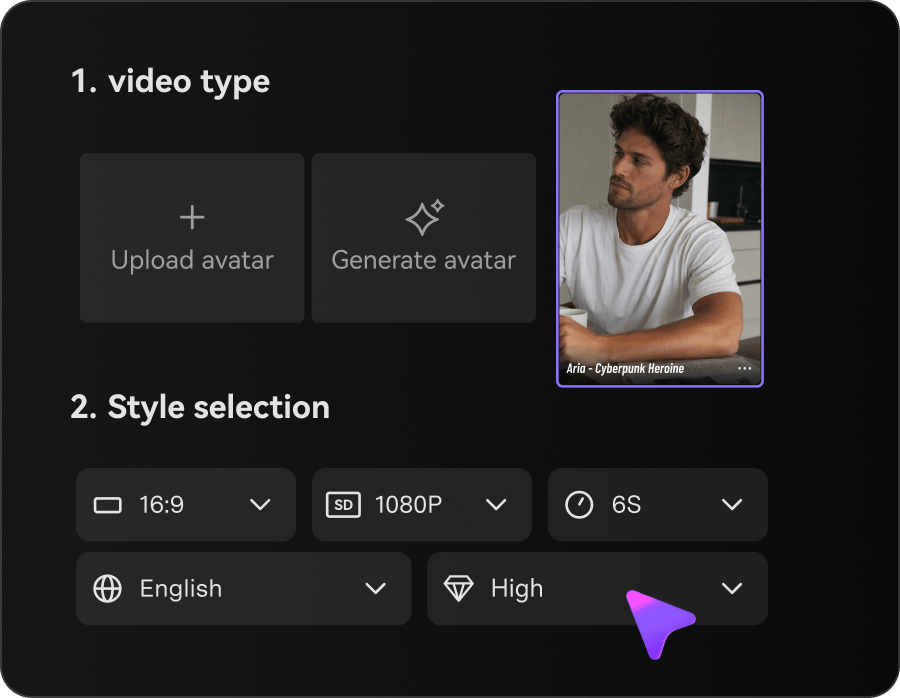
Creators can build an AI representation of themselves using a source photo or video. Liminal describes making a custom avatar from text, pictures or filmed footage, including an AI twin modeled on a real subject. |
Select one real product feature and write a credible short ad hook without invented user testimonials. |
| Creative controls |
A brand planning several ads can try different spokespeople before deciding whether it needs a private digital twin. Liminal advertises more than 100 preset avatar options on its product page. Stock presenters can save onboarding effort but may not represent a specific real spokesperson or brand spokesperson contract. |
Create a short UGC-style promotional video from available visuals. |
| Revision workflow |
A consistent voice helps long-running product campaigns sound recognizable across countries. The company describes voice cloning as part of its avatar experience. Teams must secure permission from the speaker and review applicable platform rules before using any voice identity commercially. |
Review product accuracy, ad disclosure and narration before exporting the final social format. |
| Delivery and use |
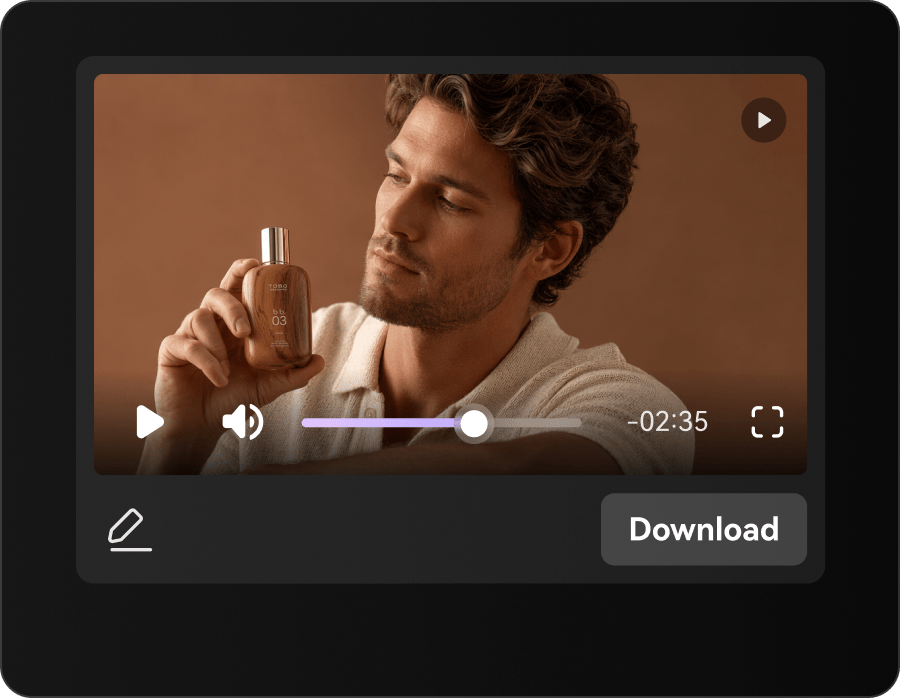
Liminal specifically discusses avatars that hold, wear or interact with merchandise. For cosmetics, clothes or packaged goods, that promise is more meaningful than a generic talking head. Compare physical interactions in sample renders, especially fingers, printed packaging and the product shape. |
Compare ad directions before paying for a private avatar identity. |
| Pricing and allowances |
Liminal markets starting for free, but a definitive current detailed avatar pricing table was not confirmed from the reviewed public sources. |
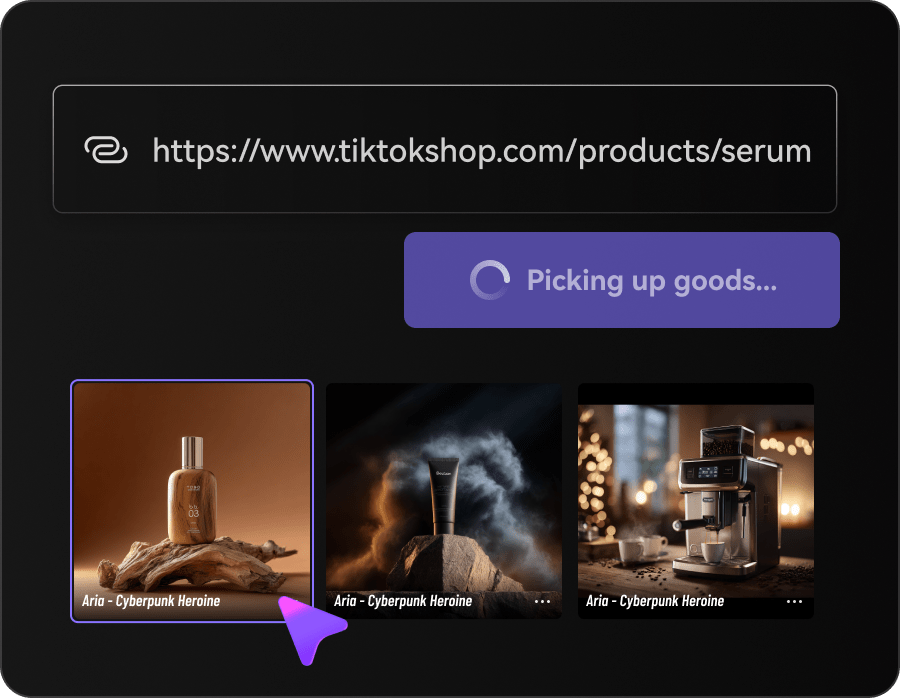
The Media.io recommendation is explicitly product-ad creative, not digital twin training. Review the Create a UGC Product Ad tool for its own credit terms and required input files. |
| Relevant limitations | A cloned face or voice should only be used with the depicted person's permission and appropriate rights. Hands, garments and packaging details need careful review when an avatar is shown holding or wearing a real item. | Review copy, claims and exported format for paid-social use. |
| Ideal audience |
Agencies building long-lived private spokespeople favor Liminal; advertisers needing a limited number of short product ads favor Media.io's UGC-ad route. |
Media.io is more relevant when the creative brief is a product-centered short ad and the team does not need to establish a permanent digital clone. It can start from the campaign asset and message. |
| Purchase decision |
Create a recurring digital twin from a consented source. Explore stock avatar options before training a custom identity. |
Draft several product-ad hooks for a targeted audience. Compare ad directions before paying for a private avatar identity. |