HeyGen AI Video Generator Review

HeyGen AI Video Generator is strongest when the video depends on a presenter: AI avatars, talking business videos, localized messages, video translation, lip sync, voice cloning, and template-based communication. It is useful for sales, training, support, onboarding, and multilingual brand messages. Media.io is the comparison when teams want a lighter talking-avatar workflow, reusable AI character assets, video translation, lip sync, voice cloning, script-to-video storytelling, or subtitles without centering the whole process on an enterprise avatar platform.

Core Features of HeyGen

HeyGen is an AI video generation platform focused on AI avatars, talking presenter videos, video translation, lip sync, voice cloning, business templates, and multilingual localization. It is especially relevant to teams creating presenter-led sales, training, support, onboarding, and marketing videos.

Core Feature Overview

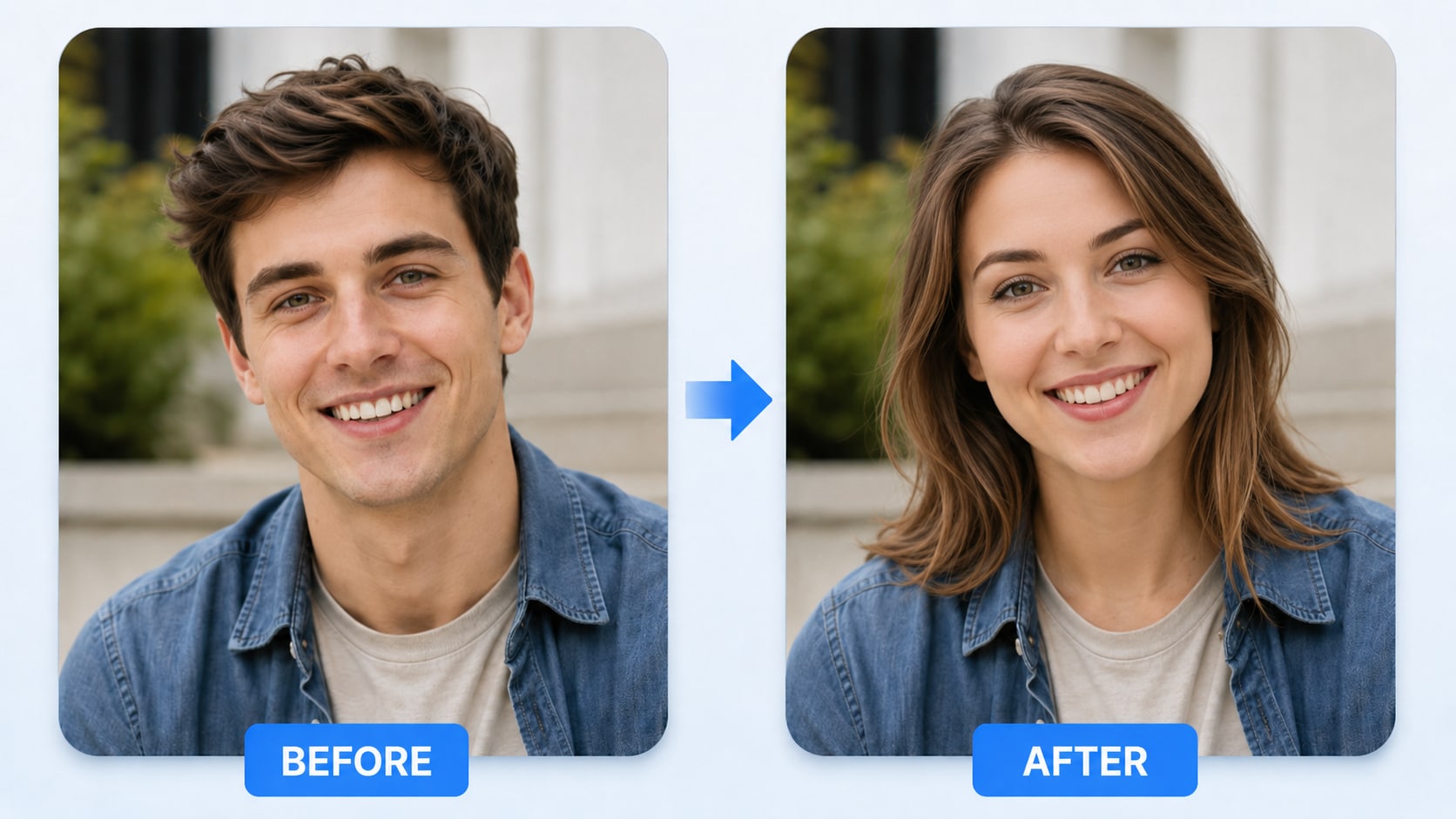
  • Talking Photo and Avatar: Creates presenter, talking-photo, face-swap, or lip-sync clips for explainers, localized messages, training videos, and portrait-led social posts.
  • AI Video Generator: Turns prompts, images, products, or campaign ideas into short AI video drafts for creative testing.
  • Video Translator: Translates, captions, transcribes, or dubs existing videos for multilingual publishing, training, tutorials, and global marketing.
  • Lip Sync: Creates presenter, talking-photo, face-swap, or lip-sync clips for explainers, localized messages, training videos, and portrait-led social posts.
  • Template-Led Creation: Provides reusable layouts, scenes, and preset structures for explainers, training videos, presentations, and repeatable social formats.
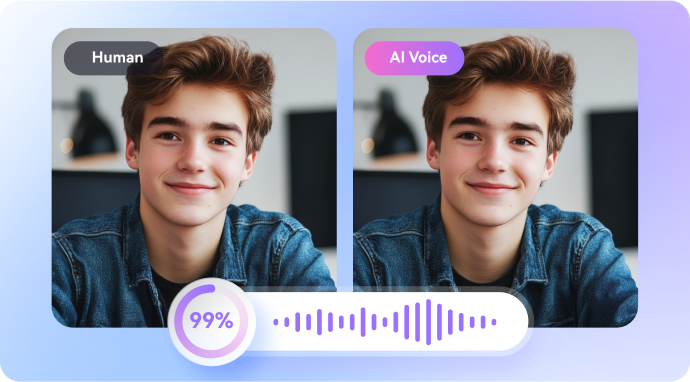
  • Voice Cloning: Creates reusable voice assets for narration, avatar videos, localization, lessons, and recurring branded clips.

Talking Photo and Avatar in HeyGen

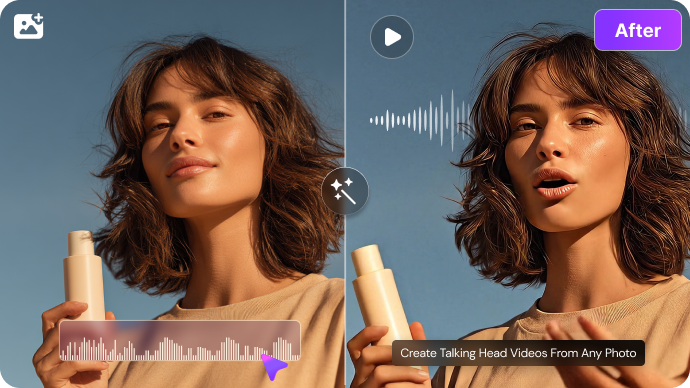
HeyGen's Talking Photo and Avatar creates presenter-style videos from a portrait, avatar, scripted message, or recorded voice. It fits sales intros, onboarding videos, training lessons, support explainers, and short social messages where a visible speaker improves clarity. The output should be evaluated by expression control, voice fit, language support, and whether the presenter style matches the brand. Media.io AI Talking Avatar covers the lighter presenter workflow: users start from a portrait or avatar asset and turn it into a talking video.

HeyGen Talking Photo and Avatar

AI Video Generator in HeyGen

HeyGen's AI Video Generator is the broad creation entry point for turning prompts, images, products, or campaign concepts into short video drafts. It fits creators who want to test motion, style, subject handling, and story direction before choosing a more specific workflow. A broad generator is most helpful when it leads into a clear next step, such as editing, subtitles, sound, or export preparation. Media.io can handle shorter prompts with Media.io AI Text to Video; longer scripts are better suited to Media.io AI Script to Video, which turns a written story into a structured video workflow.

HeyGen AI Video Generator

Video Translator in HeyGen

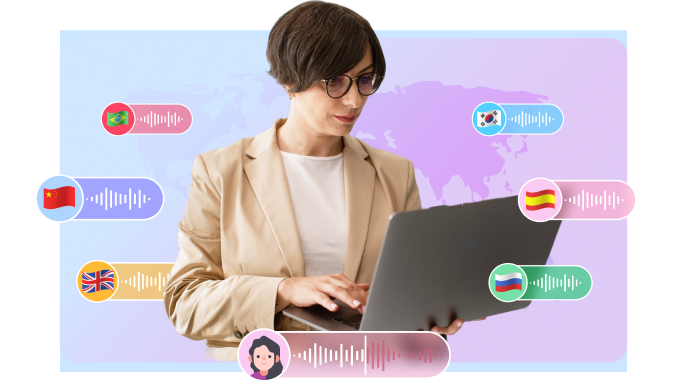
HeyGen's Video Translator adapts an existing video for new languages through subtitles, transcripts, translation, dubbing, or timing support. It fits tutorials, demos, training clips, webinars, and global marketing videos where the original footage already works. The workflow should preserve speaker intent, caption readability, timing, and brand tone across each language version. Media.io AI Video Translator fits lighter localization work where a near-finished clip needs translated messaging, subtitles, or dubbed variants.

HeyGen Video Translator

Lip Sync in HeyGen

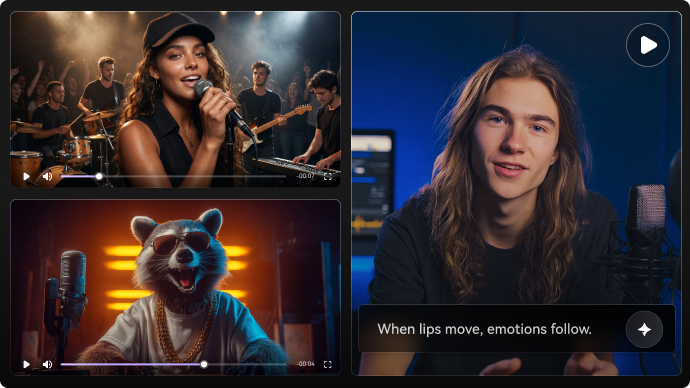
HeyGen's Lip Sync aligns mouth movement with a voice track so a portrait, avatar, or recorded speaker can deliver new dialogue. It fits localization drafts, product explainers, learning clips, and short promos where the viewer expects a visible speaker. The main difference between tools is usually language handling, timing control, and how natural the mouth movement looks after export. Media.io AI Lip Sync is the relevant workflow when a portrait or presenter clip needs speech-aligned mouth movement for localization or explainers.

HeyGen Lip Sync

Template-Led Creation in HeyGen

HeyGen's Template-Led Creation gives creators reusable layouts, scene structures, characters, or design formats instead of a blank timeline. It fits explainers, presentations, training videos, announcements, and repeatable social posts where structure matters more than cinematic control. The main difference between template tools is how much users can customize pacing, brand assets, text, and visual style. Media.io is adjacent here: generated source assets, effects, subtitles, or cleanup can support a template-led idea after the layout is selected.

HeyGen Template-Led Creation

Voice Cloning in HeyGen

HeyGen's Voice Cloning creates a reusable voice from source audio so narration can stay consistent across videos. It fits avatar content, lessons, localized promos, product explainers, and recurring social clips that need a recognizable speaker identity. Voice cloning should be handled with consent, clean source audio, pronunciation review, and language checks before publication. Media.io AI Voice Cloning is relevant when the main need is reusable narration or localized voice identity rather than a full avatar production system.

HeyGen Voice Cloning

How to Use Media.io AI Video Generator

1
2
3
1
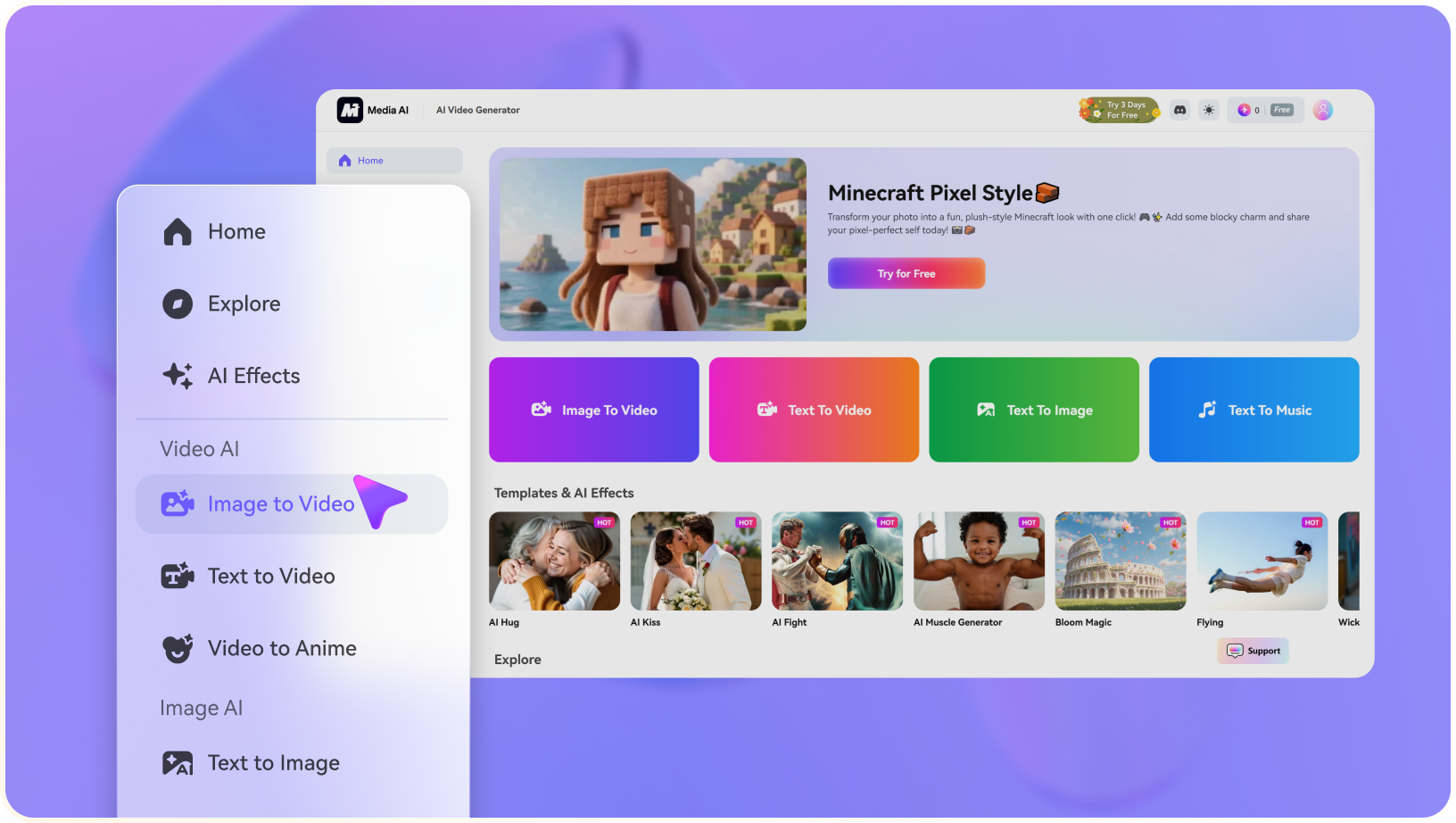
Step 1: Open Media.io and Choose Your Input

Launch Media.io AI Video Generator and choose whether to start from text or an image.

2
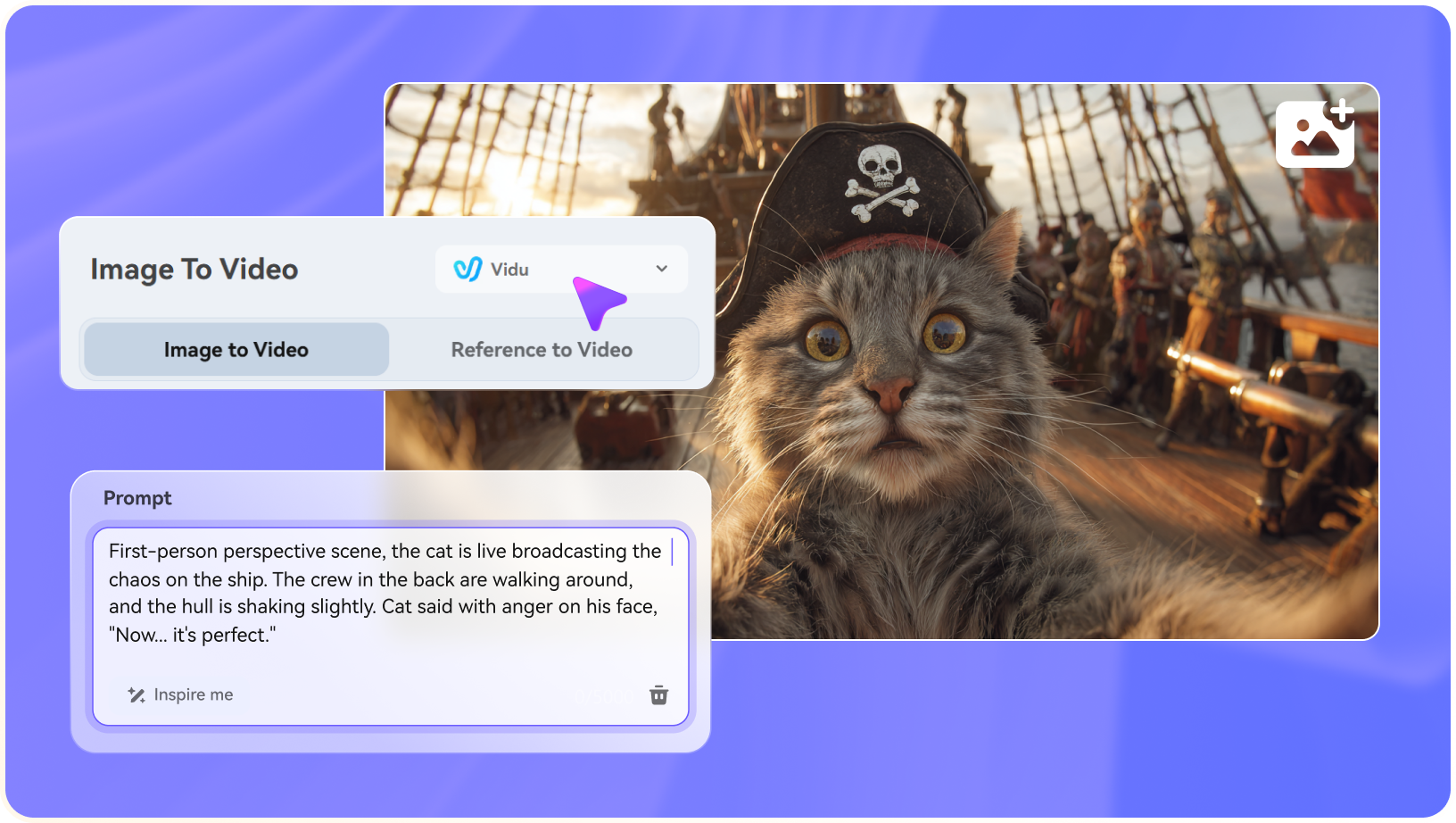
Step 2: Describe the Video or Upload a Reference

Enter a concise prompt, upload a source image when needed, and specify the motion, camera style, mood, or output goal.

3
Step 3: Generate, Preview, and Continue Editing

Generate the clip, preview the result, then use light polish tools such as enhancement, subtitles, music, resizing, or export when the asset needs them.

step1 visit media.io
step2 choose a model and upload an image
step3 generate video from photo

Real-World Use Cases: Where HeyGen Fits

HeyGen is most useful when its strongest capabilities match a specific production job, such as avatar-led AI video generation, talking presenters, video translation, lip sync, voice cloning, templates, and business localization workflows, rather than when users expect every generation, editing, rights, and export task to be solved automatically.

Social Video and Ad Variants

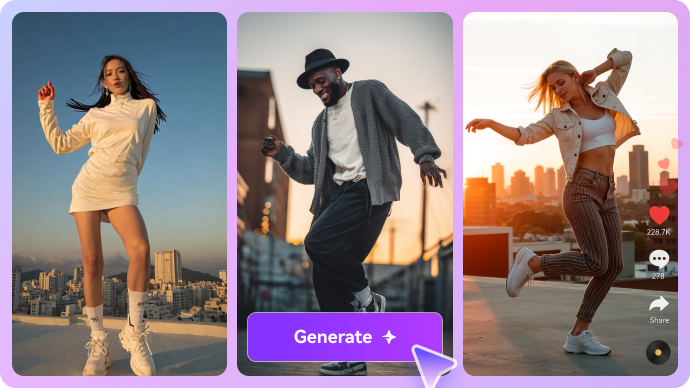
Creators can use HeyGen to turn prompts, product shots, portraits, or style frames into short clips for TikTok, Reels, Shorts, paid ads, and landing-page tests. The workflow is strongest when the team needs several visual directions quickly before deciding which version deserves full editing.

Product Visuals and Campaign Concepts

Marketing teams can test product motion, lifestyle scenes, seasonal offers, and concept ads without booking a shoot. The generated output still needs review for brand accuracy, offer clarity, aspect ratio, captions, and platform-specific export requirements.

Story, Explainer, and Moodboard Drafts

Writers, educators, and creative teams can use HeyGen to turn a short idea into visual material for storyboards, explainers, moodboards, or presentation openers. This is useful for early alignment, but final storytelling often needs pacing, music, subtitles, and continuity work.

Portrait, Face Swap, and Lip-Sync Clips

HeyGen can support portrait-led social content, face-swap experiments, talking-photo ideas, localization drafts, and influencer-style edits. These projects require careful review of consent, likeness rights, commercial terms, and whether the result feels natural enough for the target audience.

Template-Led Creator Workflows

Teams can use templates, effects, and editing controls in HeyGen to create repeatable formats for hooks, promos, announcements, comparison clips, and channel-specific content. The value is speed, but the output still benefits from cleanup, subtitles, music, enhancement, and export checks.

Model and Style Exploration

Creators comparing AI tools can use HeyGen to understand its visual style, prompt behavior, motion limits, and export quality before committing to a production workflow. Test with real campaign assets instead of only demo prompts so the result reflects likely production conditions.

Where HeyGen Falls Short

The strongest limitations are practical workflow boundaries, source-rights concerns, and production-readiness checks around HeyGen's actual feature set.

Generation Is Not the Whole Workflow

HeyGen may help create clips, but teams still need editing, captions, resizing, asset cleanup, and final export.

Results Can Vary by Input Quality

Prompt clarity, image quality, face visibility, scene complexity, and model behavior can change the output quality significantly.

Policies and Credits Can Change

Credits, commercial usage terms, model access, and refund policies should be checked against the current official source before publishing.

Brand Control Needs Review

Teams with strict brand guidelines may need manual review before using generated scenes in production materials.

Advanced Editing May Require Another Tool

Timeline editing, subtitle styling, enhancement, conversion, and multi-format exports may sit outside the competitor's main workflow.

Source Rights Still Matter

Users remain responsible for uploaded images, voices, trademarks, likeness rights, and any third-party assets used in generated content.

HeyGen vs Media.io: Which One Fits Your Workflow?

This table compares HeyGen with Media.io by real workflow decisions instead of forcing a generic feature checklist. For this topic, Media.io is most relevant around AI Lip Sync, AI Talking Avatar, AI Character Generator, and AI Script to Video, with light editing or export only as supporting steps when the generated asset needs them.

Workflow Need HeyGen Media.io
Primary WorkflowHeyGen is strongest when the brief matches avatar-led business video generation, translation, lip sync, voice cloning, templates, and localization workflows.Media.io is stronger when the project needs lighter AI talking-avatar, character, translation, lip-sync, voice-cloning, story-video, and subtitle support.
Text-to-VideoUseful when the product supports prompt-led generation and model selection for short clips.Strong Fit best fit
Useful for creators who want lightweight prompt-to-video generation for story, social, product, or campaign scenes.
Image-to-VideoUseful when motion effects, camera movement, or reference-image animation are central.Strong Fit best fit
Useful when users want to animate a source image into a short scenario-based video rather than open a complex editing workflow.
Avatar or Presenter VideoStrong Fit best fit
A better fit when avatar, translation, lip-sync, or presenter workflows are the main reason to buy.
A better fit when avatar output is only one asset inside a wider video workflow.
Light Polish After GenerationMay require additional tools for captions, enhancement, resizing, conversion, or final formatting.Strong Fit best fit
Covers practical polish after generation, but is best framed as lightweight support rather than a heavy editing suite.
Ease for BeginnersCan be effective but may require learning credits, models, settings, or product-specific controls.Strong Fit best fit
Designed for creators who want a simpler path from idea to a usable generated asset.
Developer or API NeedsStrong Fit best fit
Can be a stronger choice when API access or automated pipelines are the core requirement.
Better for no-code creators and teams that prefer a ready-to-use interface.
Best FitChoose HeyGen when avatar-led business video generation, translation, lip sync, voice cloning, templates, and localization workflows is the main reason for the project.Choose Media.io when the bottleneck is lighter AI talking-avatar, character, translation, lip-sync, voice-cloning, story-video, and subtitle support.
Best for Core Workflow

Choose HeyGen When You Need:

HeyGen is better suited when the main objective is avatar-led business video generation, translation, lip sync, voice cloning, templates, and localization workflows.

  • A project centered on avatar-led business video generation, translation, lip sync, voice cloning, templates, and localization workflows
  • Direct experimentation with the product's own modes, effects, editor, or presentation style
  • A workflow where the competitor's interface, templates, team features, or API are already preferred
  • Fast first drafts where downstream enhancement, cleanup, and format conversion are secondary
  • A focused evaluation of the competitor's core creation path before adding extra finishing tools
Explore HeyGen
Best for Scenario Generation

Choose Media.io When You Need:

Media.io is better suited when the brief needs lighter AI talking-avatar, character, translation, lip-sync, voice-cloning, story-video, and subtitle support, especially for lightweight content generation rather than complex editing.

  • AI Lip Sync: syncs mouth movement to audio or speech for avatar and presenter videos
  • AI Talking Avatar: creates talking avatar or presenter-style videos from portraits or avatar assets
  • AI Character Generator: helps create AI character assets for visual stories, recurring roles, and creative projects
  • AI Script to Video: turns scripts or story ideas into structured AI story videos with character setup and storyboard planning
  • AI Voice Cloning: creates cloned voice assets for narration or localization workflows
Try AI Video Now

Final Verdict

Our Take

HeyGen can be a strong choice when the brief depends on avatar-led AI video generation, talking presenters, video translation, lip sync, voice cloning, templates, and business localization workflows. Its value should be judged by the exact asset the user needs, the quality of the source material, and the amount of review required before publishing.

The main tradeoff is workflow fit. HeyGen may be useful for its specialized creation task, but teams often still need a clearer way to create scenario-based video, image, audio, music, or character assets without moving into a heavy editing workflow. Media.io is a better fit when the project aligns with AI Lip Sync, AI Talking Avatar, AI Character Generator, and AI Script to Video and needs light polish such as cleanup, captions, resizing, conversion, or export after generation.

Bottom line: Choose HeyGen when its specialized workflow is the center of the brief. Choose Media.io when the project needs lightweight, scenario-based AI media generation with practical support tools around it.

HeyGen FAQ

What is HeyGen best used for?
faqfaq

HeyGen is most relevant when its strengths around avatar-led AI video generation, talking presenters, video translation, lip sync, voice cloning, templates, and business localization workflows match the user's production task.

Consider HeyGen if you need avatar-led AI video generation, talking presenters, video translation, lip sync, voice cloning, templates, and business localization workflows and are prepared to verify current source rights, pricing, output limits, and export requirements.

It depends on the job. A specialized competitor can be better for its narrow strongest workflow, while Media.io is more practical when lightweight AI video, image, audio, music, and character generation need to stay connected.

Not completely in most production workflows. AI-generated clips often still need trimming, captions, enhancement, music, conversion, brand review, and platform-specific exports.

Check the current official terms for commercial use, input ownership, likeness rights, watermark behavior, and plan restrictions before publishing or selling generated work.

Support varies by product, model, plan, and release date. Verify current official documentation before relying on image-to-video for production work.

Some AI video platforms provide APIs or developer workflows, but availability can change. Treat API access as a volatile fact unless official documentation confirms it.

Media.io is a practical alternative when you need lightweight AI video generation plus image-to-video, text-to-video, AI music video, sound effects, enhancement, object removal, subtitles, music, resizing, conversion, and browser-based export.

Choose Media.io when the bottleneck is not only testing media, but creating a specific scenario asset from generated or existing video, image, audio, music, character, or product materials.

What Creators Say About Media.io AI Video Generator

Media.io user
Sarah L.

Content Creator

starstarstarstarstar

Media.io makes it easier to test different AI video styles without jumping between platforms.

I usually start with a product photo or a short prompt, generate a few motion directions, and then keep the stronger version for social posts. Having image-to-video, sound, basic polish, subtitles, and export options in the same browser workspace saves a lot of cleanup time.

Media.io user
John D.

Social Media Marketer

starstarstarstarstar

I can start with a prompt or image, then resize, caption, and polish the result before publishing.

For campaign tests, the useful part is speed: our team can turn one concept into multiple short video drafts, compare hooks, add captions, and prepare different aspect ratios without rebuilding the whole asset from scratch.

Media.io user
Emily T.

Freelance Designer

starstarstarstarstar

The browser workflow is approachable when experimenting with unfamiliar AI video models.

When a client needs a quick visual direction, I can create motion samples from reference images, refine the mood, and send a cleaner preview before committing to a full edit. It works well for concept boards, ads, and lightweight story videos.

Media.io Online Tools Quality Rating:
vote 4.7 (162,357 Votes)
media.io

AI Video Generator star

Easily generate videos from text or images

Generate