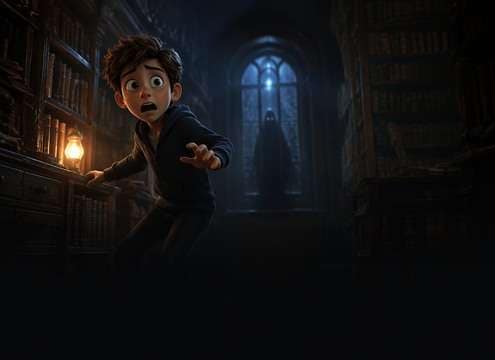
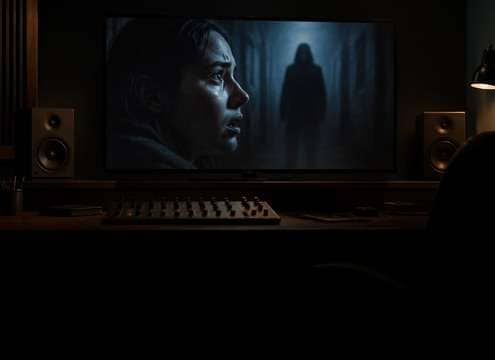
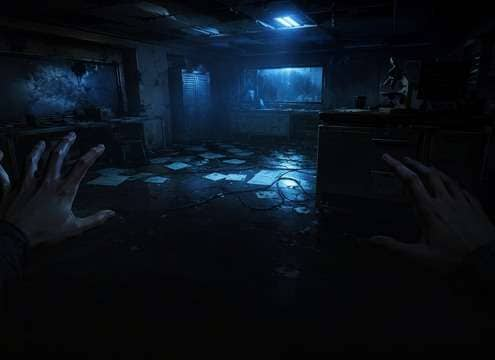


A fearful sound should follow a cause. Sudden surprise is brief; sustained fear changes breathing pattern and vocal control over time.
Startle, Dread and Panic Are Not Interchangeable
A scared gasp sound effect is an involuntary quick intake of breath. A scared breathing sound effect tells a longer story: uneven inhale, held breath, a hurried exhale. Use the duration and pauses to suggest what the character is trying not to reveal.
- Inhale timing - A gasp begins suddenly; uneasy breathing gradually becomes less regular.
- Breath restraint - Hiding characters often try to suppress obvious sound.
- Vocal breaks - A trembling voice may crack rather than rise smoothly.
- Distance - Nearby breath feels intimate; distant screams create space.
- Dynamics - Leave headroom so the scream does not overpower the edit.
Choose a Fear Sound by the Character Beat
A scared scream sound effect is best reserved for an emotional release or immediate threat. Repeating a full scream beneath every tense shot leaves little room for suspense. Silence and shallow breath can be more unsettling.
- Single startled gasp - Use at the first sight of a threat.
- Shallow nervous breaths - Works while hiding or watching a doorway.
- Held breath and release - Builds suspense just before danger passes.
- Quiet terrified whimper - Suggests fear without revealing location.
- Brief horror scream - Best for immediate shock and reaction cuts.
- Panicked short exhales - Communicates movement under stress.
- Fearful whisper - Fits a secret warning to another character.
- Post-scare trembling - Suggests shock after the event has ended.