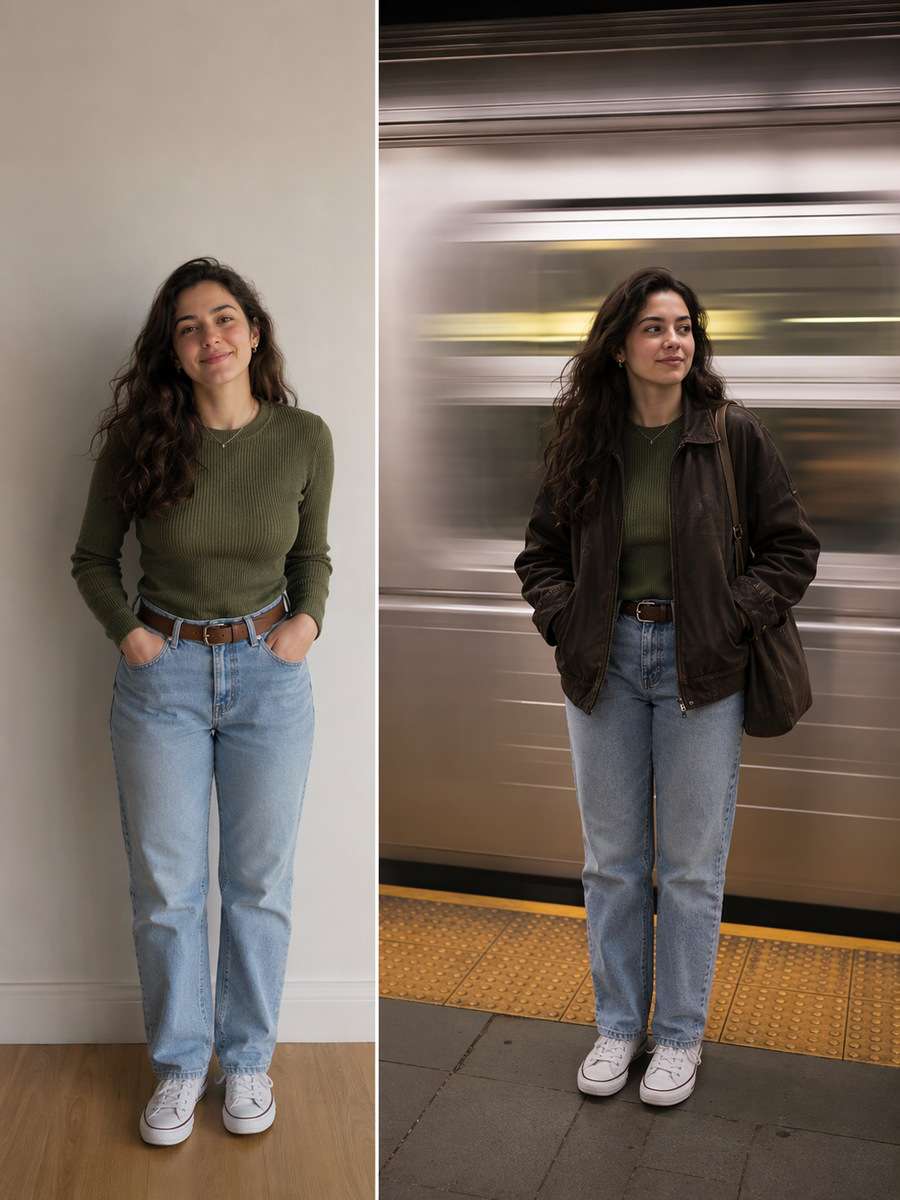
Home>AI Prompts>25 ChatGPT Subway Station Portrait Prompts with Real City Mood
25 ChatGPT Subway Station Portrait Prompts with Real City Mood
The best underground portraits use the station itself: repeating tiles, platform lights and a train moving past. These ChatGPT Subway Station Portrait Prompts explore commuter candids, fashion shots, quiet last-train moments and motion-blurred arrivals. Adapt the lighting and camera distance to match your original photo, and keep every pose on a safe public platform. You can create a city story without turning every underground scene into the same neon cyberpunk picture.
See safe subway-platform portraits, moving-train backgrounds and underground street scenes made with Media.io - powered by ChatGPT.
How to Create a Cinematic Subway Station Portrait
Urban transit portraits with spatial realism and safe platform positioning starts with a real source photo and a scene you can clearly describe. Use this three-step workflow to keep the result believable.
1
Choose the source photo that fits the scene
A portrait with visible outfit for environmental framing. Check that the source has enough visible detail for the visual change you plan, and only use pictures you are authorized to edit.
2
Copy a scene-specific editing prompt
Choose one of the 25 scene ideas below, then specify its camera position, setting and important materials. Linear tile and platform geometry and separated moving train blur help keep this edit on-theme.
3
Generate and review the result
Open the linked Media.io ChatGPT image-to-image tool, upload your own reference and paste the chosen prompt. Check dangerous tracks poses, distorted architecture, invented transit logos before using the image publicly.
25 Subway Platform Portrait Ideas for Urban Photos
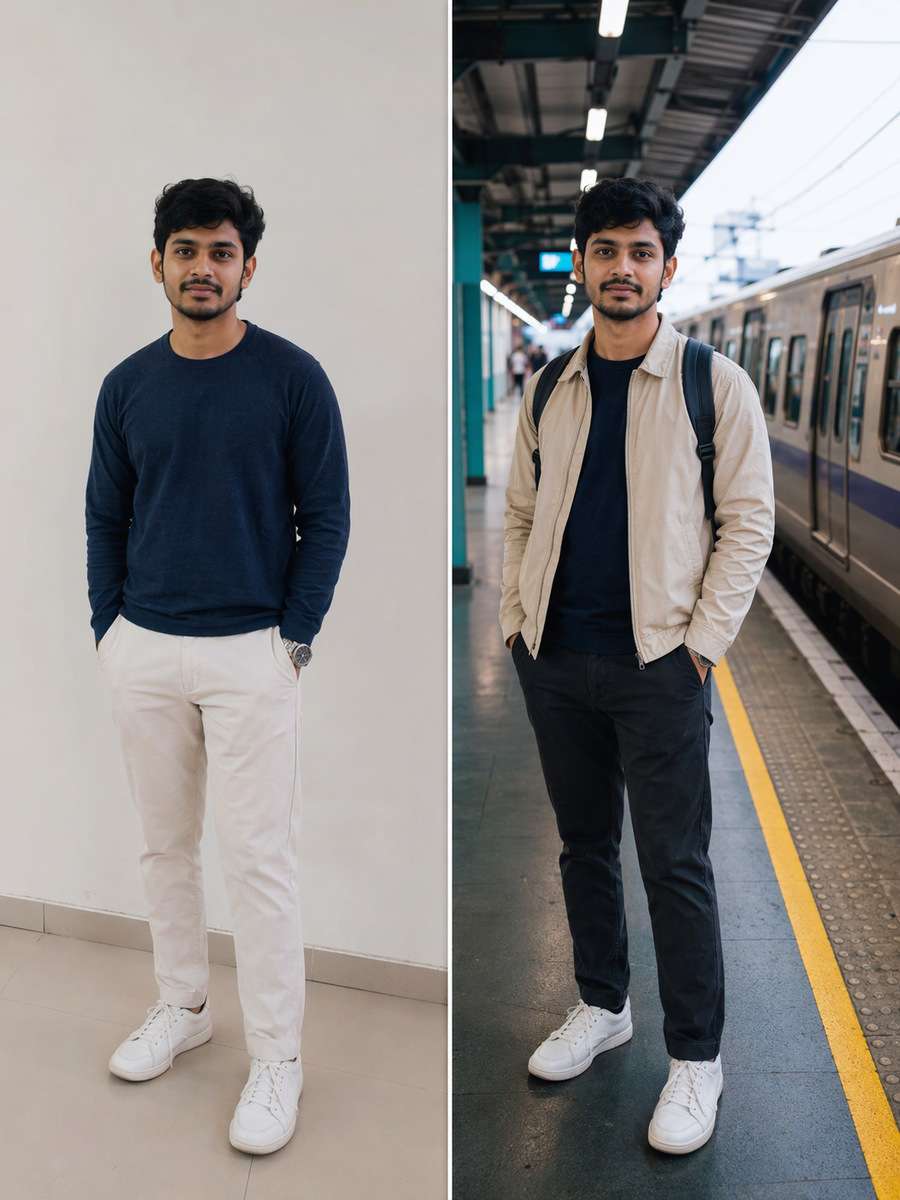
Moving Train Still Subject
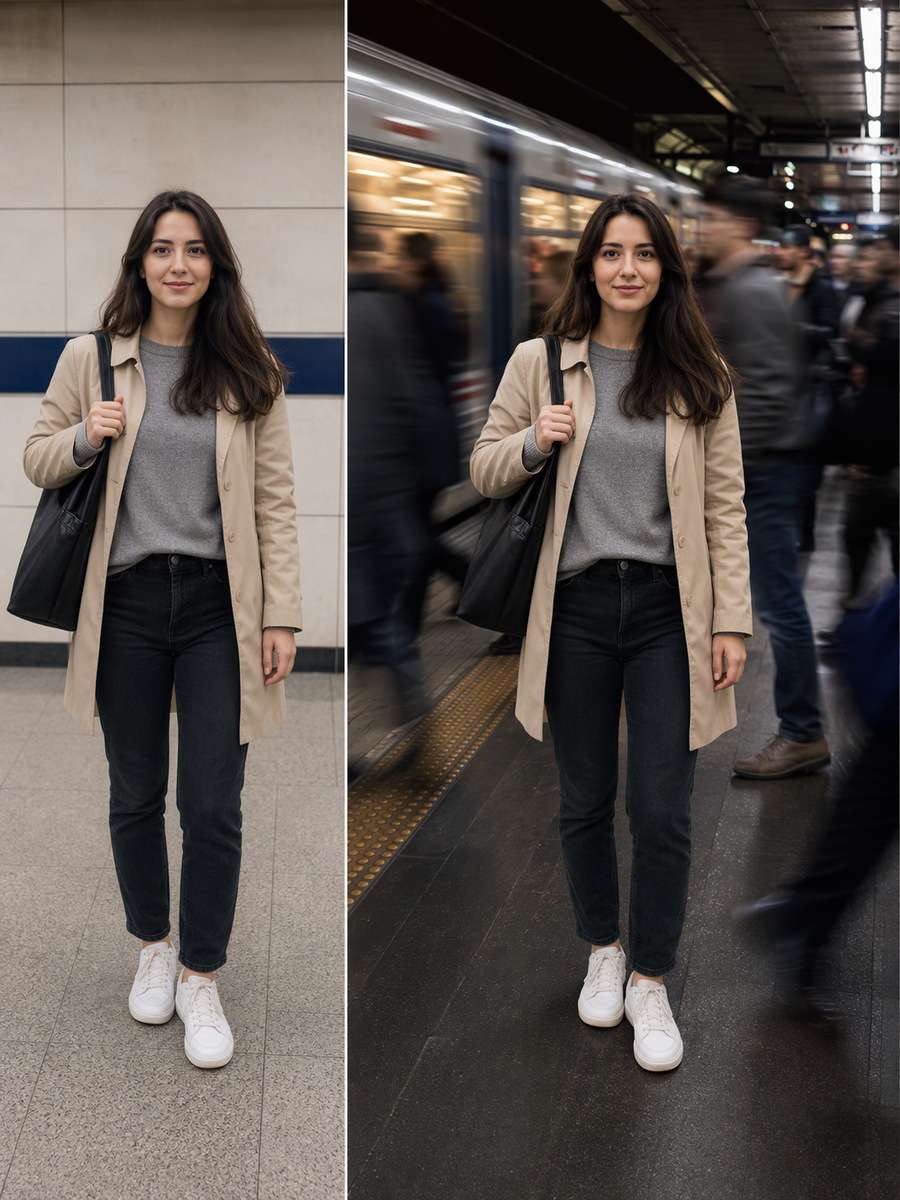
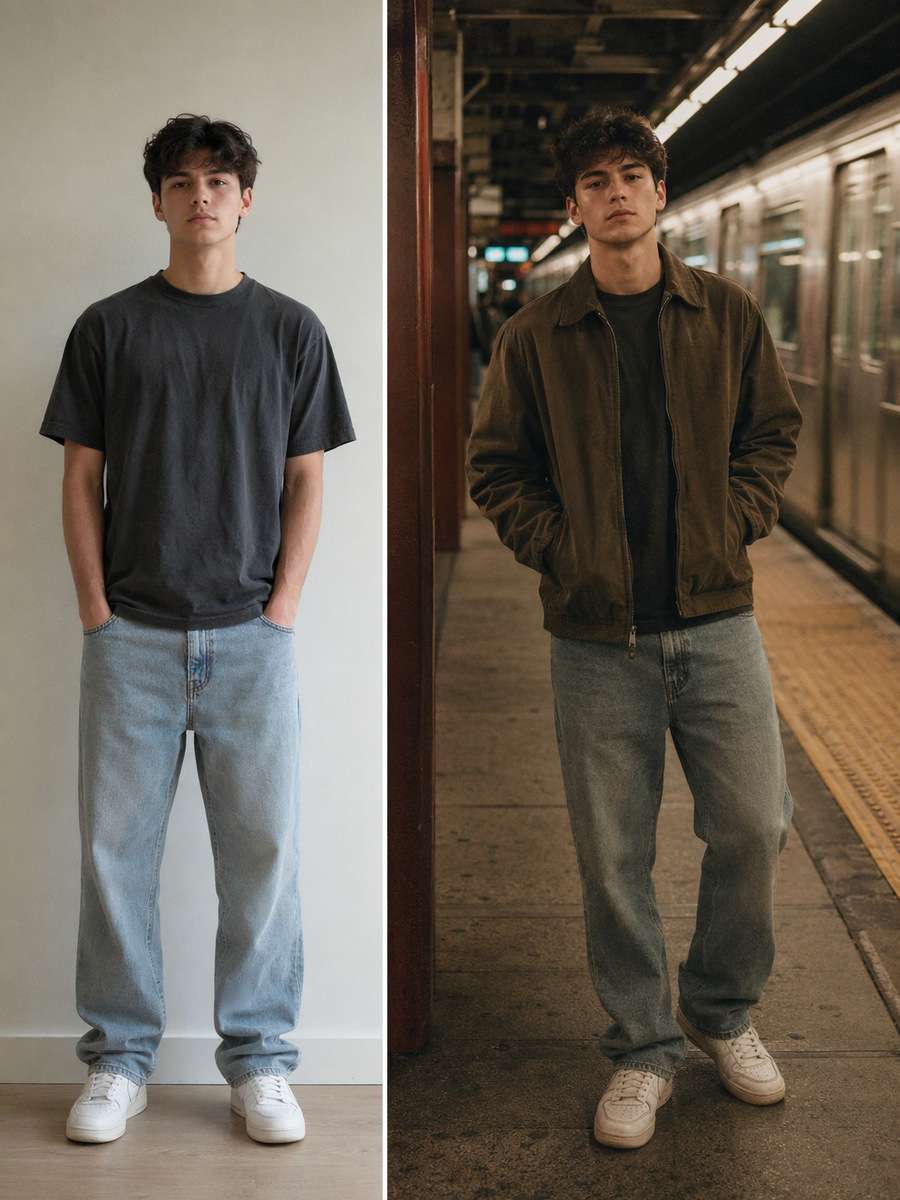
Use the original uploaded portrait as the person reference. For this particular concept, keep a waiting passenger tack-sharp as a train passes behind in horizontal motion blur, safely behind platform line. Keep the original face, hairline, skin texture, age and number of people; make the edited scene physically coherent rather than a pasted-face effect. Match environmental reflections and shadows to the actual light sources. Keep the subject behind platform safety lines with valid perspective; trains may blur in the background but faces, hands and station geometry should remain coherent. Avoid these common errors: dangerous tracks poses, distorted architecture, invented transit logos. Create a usable standalone image suitable for city editorial and commuter storytelling.
Empty Platform Morning
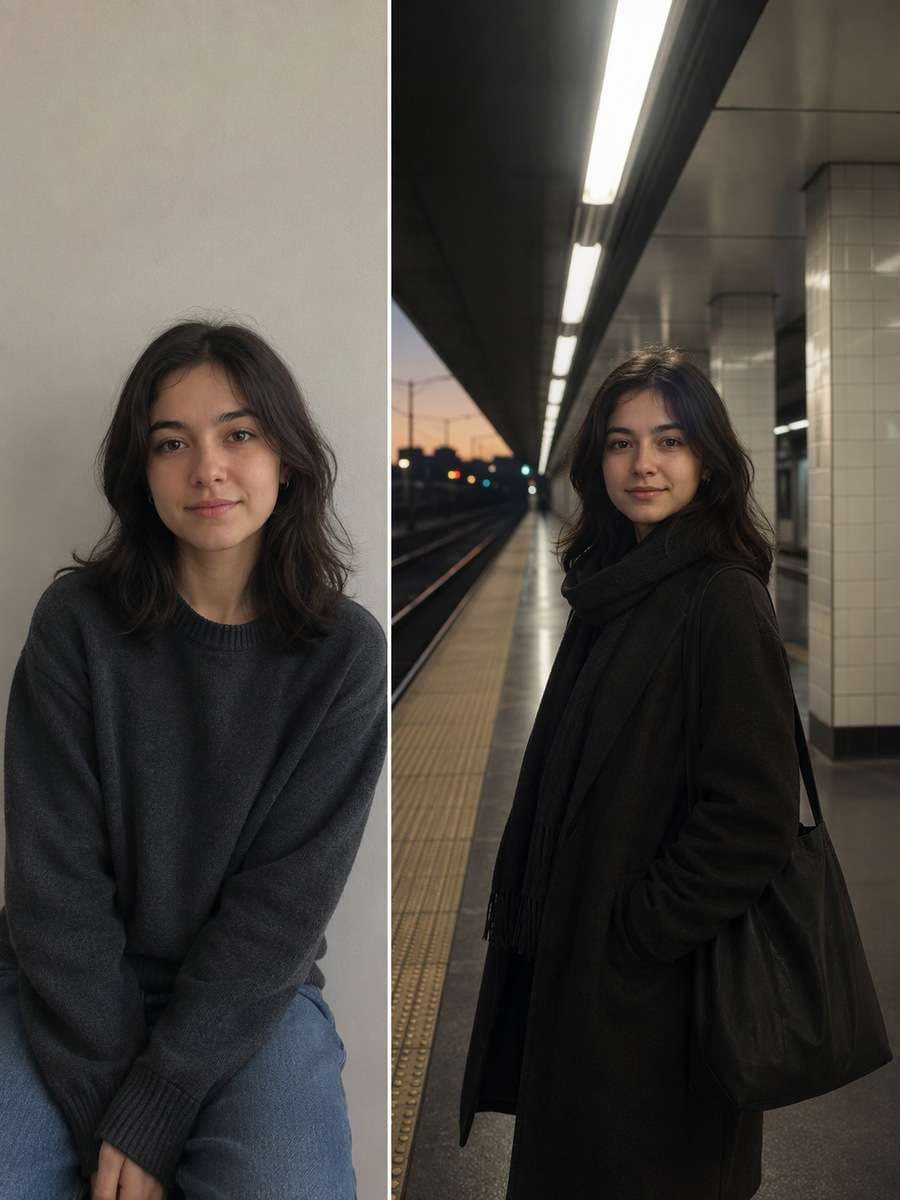
Restyle the existing photograph, retaining the same individual. For this particular concept, frame a quiet commuter at dawn under long fluorescent ceiling lights and clean tiled columns. Keep the original face, hairline, skin texture, age and number of people; make the edited scene physically coherent rather than a pasted-face effect. Choose framing that gives the subject and its key details enough space to be recognizable. Keep the subject behind platform safety lines with valid perspective; trains may blur in the background but faces, hands and station geometry should remain coherent. Avoid these common errors: dangerous tracks poses, distorted architecture, invented transit logos. Create a usable standalone image suitable for city editorial and commuter storytelling.
Escalator Arrival Portrait
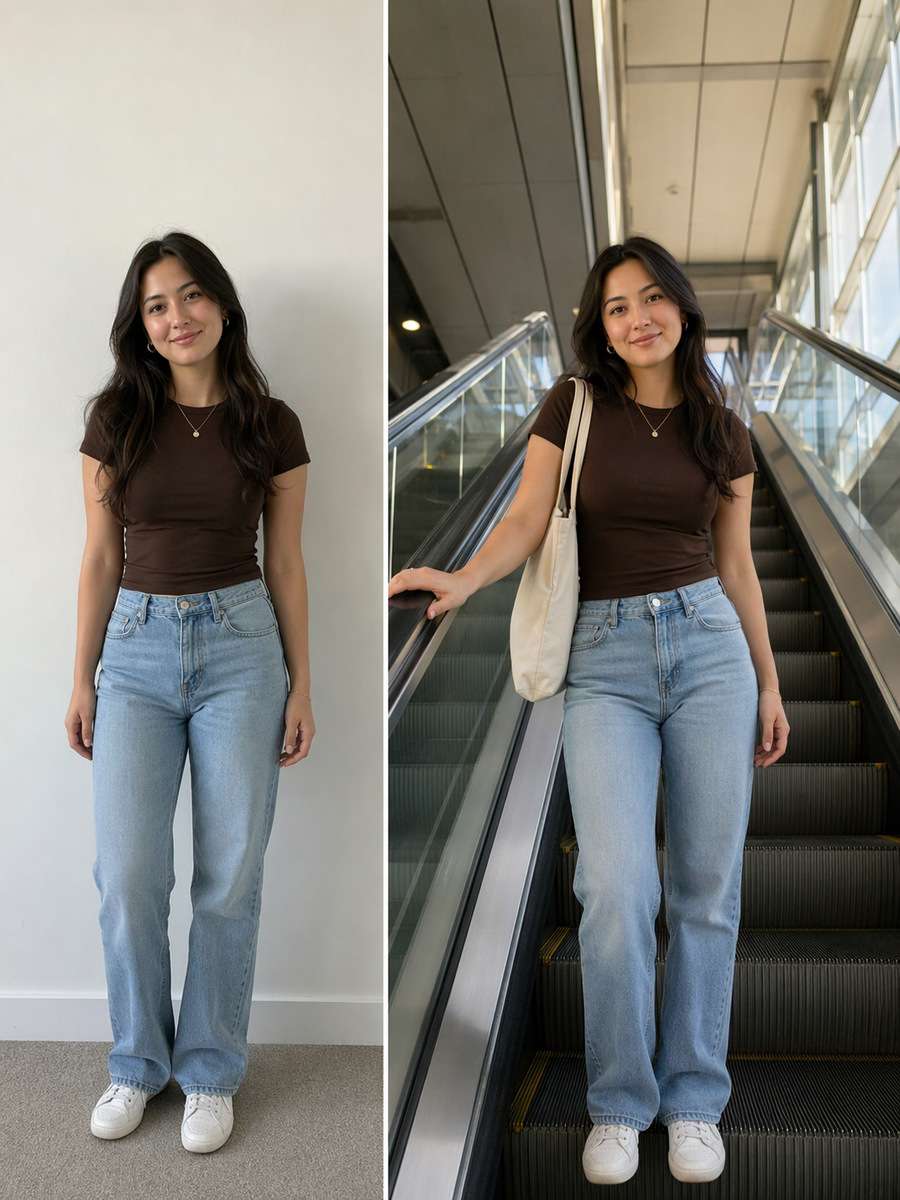
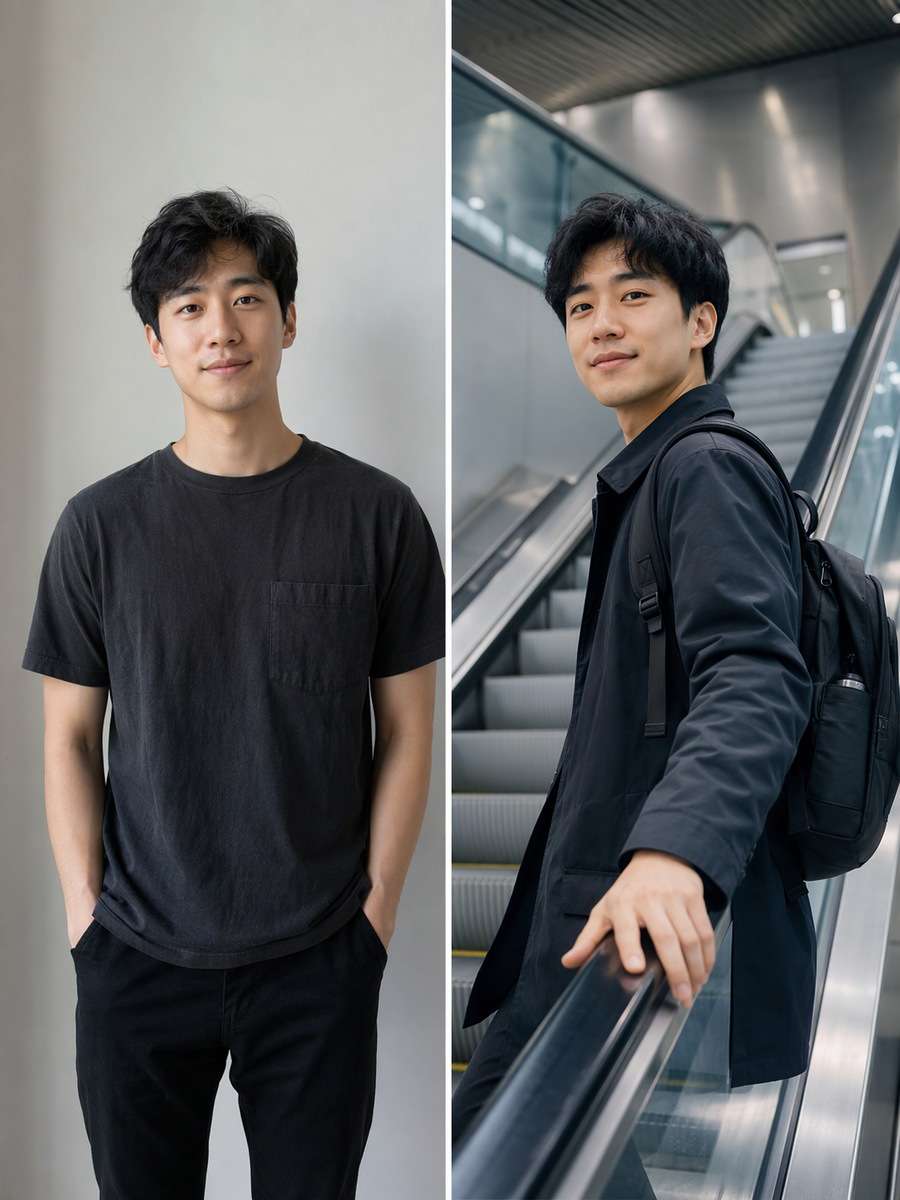
Begin with a clear consented selfie or body portrait. For this particular concept, compose a portrait riding a stationary-feeling escalator with correct handrail and feet on steps. Keep the original face, hairline, skin texture, age and number of people; make the edited scene physically coherent rather than a pasted-face effect. Use natural material textures and avoid forced high saturation or artificial glow. Keep the subject behind platform safety lines with valid perspective; trains may blur in the background but faces, hands and station geometry should remain coherent. Avoid these common errors: dangerous tracks poses, distorted architecture, invented transit logos. Create a usable standalone image suitable for city editorial and commuter storytelling.
Metro Stairway Geometry
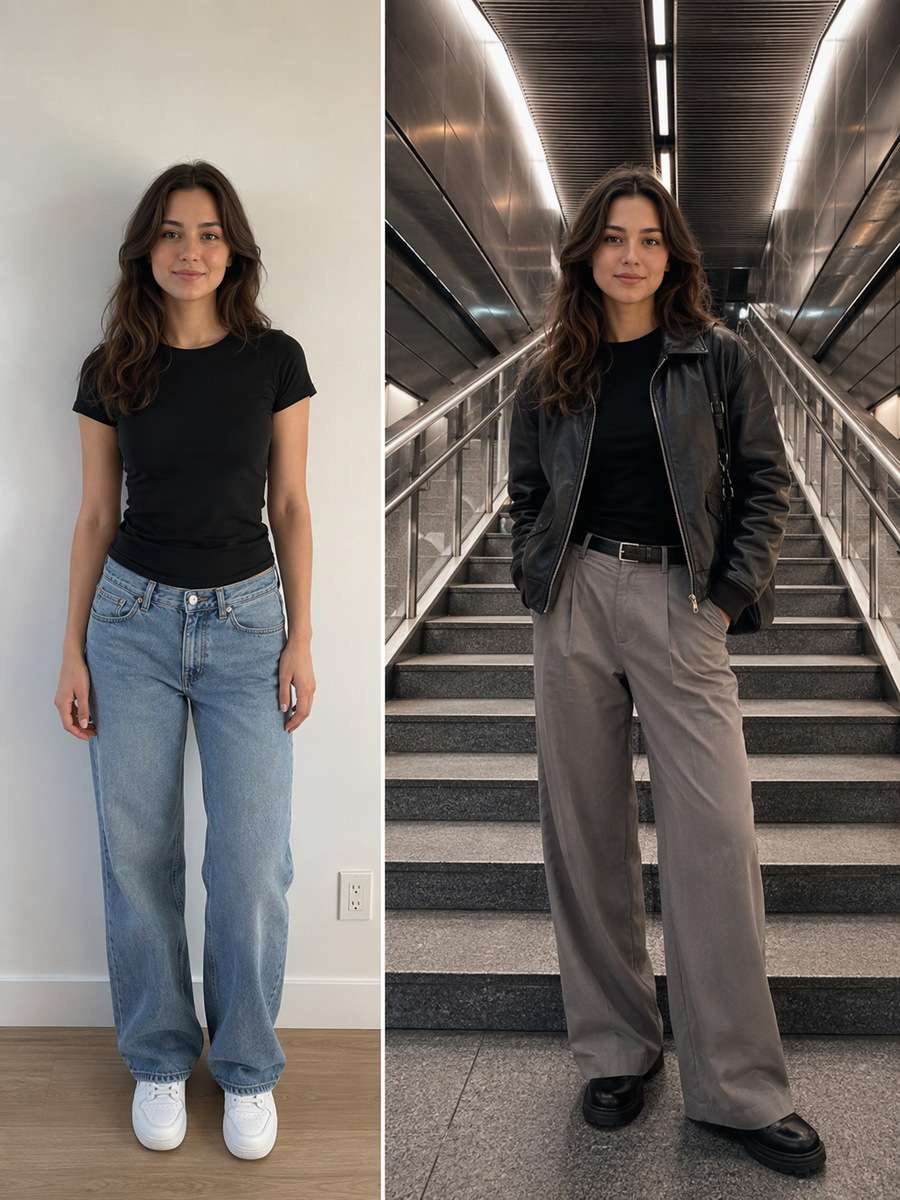
Use the original uploaded portrait as the person reference. For this particular concept, use stairwell leading lines for a full-body urban outfit photo with no person on tracks. Keep the original face, hairline, skin texture, age and number of people; make the edited scene physically coherent rather than a pasted-face effect. Keep hand positions, object contact points and camera perspective plausible. Keep the subject behind platform safety lines with valid perspective; trains may blur in the background but faces, hands and station geometry should remain coherent. Avoid these common errors: dangerous tracks poses, distorted architecture, invented transit logos. Create a usable standalone image suitable for city editorial and commuter storytelling.
Window Reflection in Train
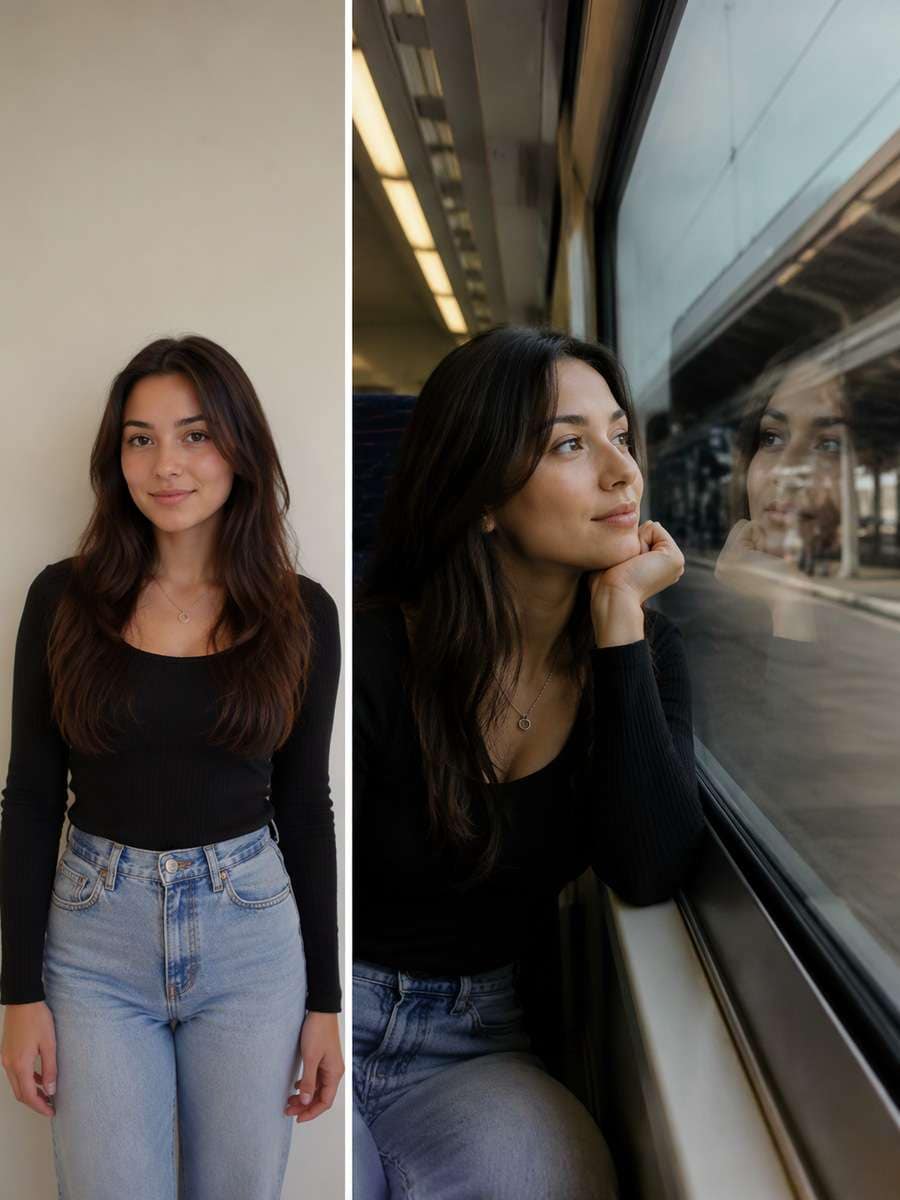
Restyle the existing photograph, retaining the same individual. For this particular concept, reflect the passenger's face subtly in the window of a stopped train with matching glass angle. Keep the original face, hairline, skin texture, age and number of people; make the edited scene physically coherent rather than a pasted-face effect. Finish with restrained photographic detail rather than generic AI glamour effects. Keep the subject behind platform safety lines with valid perspective; trains may blur in the background but faces, hands and station geometry should remain coherent. Avoid these common errors: dangerous tracks poses, distorted architecture, invented transit logos. Create a usable standalone image suitable for city editorial and commuter storytelling.
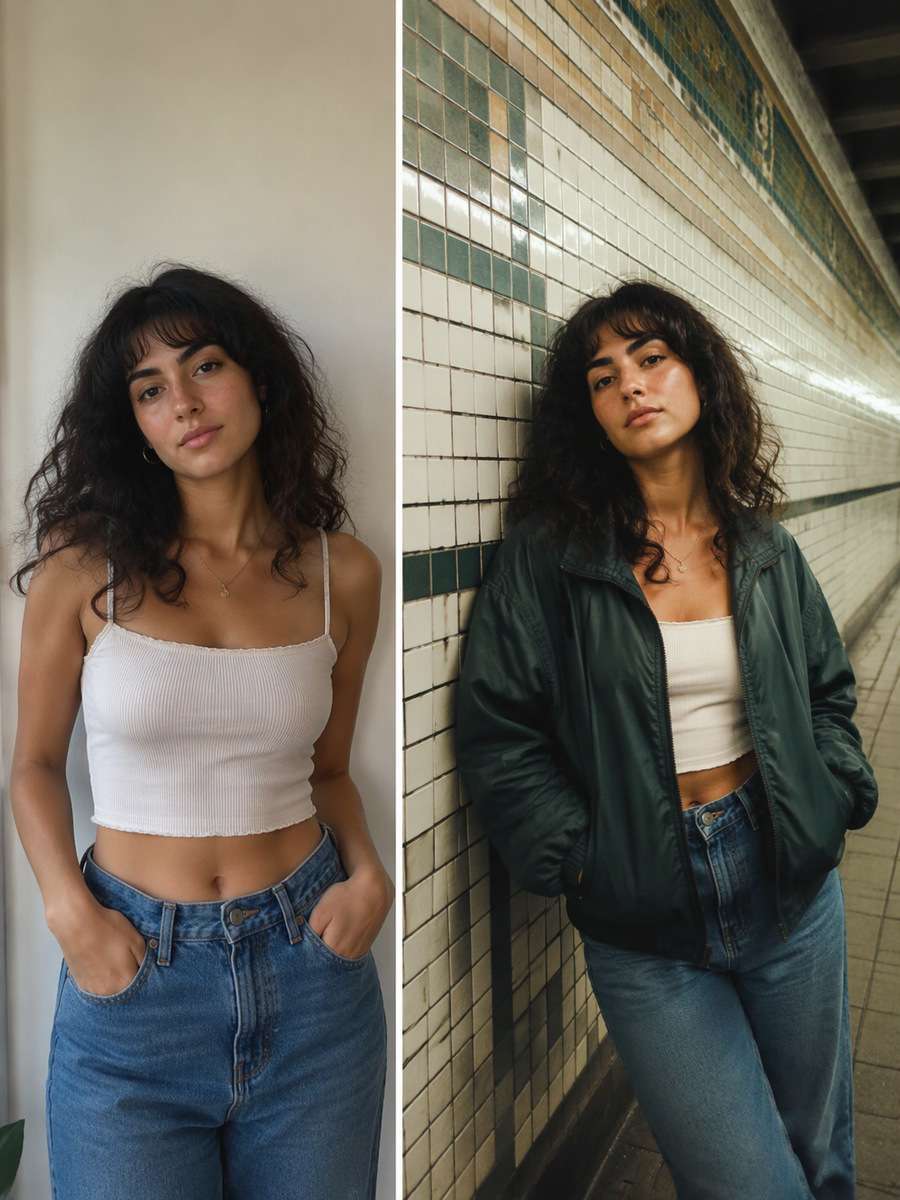
Subway Tile Corridor
Begin with a clear consented selfie or body portrait. For this particular concept, place a streetwear portrait against a repeating mosaic-tile station hallway, realistic tile perspective. Keep the original face, hairline, skin texture, age and number of people; make the edited scene physically coherent rather than a pasted-face effect. Match environmental reflections and shadows to the actual light sources. Keep the subject behind platform safety lines with valid perspective; trains may blur in the background but faces, hands and station geometry should remain coherent. Avoid these common errors: dangerous tracks poses, distorted architecture, invented transit logos. Create a usable standalone image suitable for city editorial and commuter storytelling.
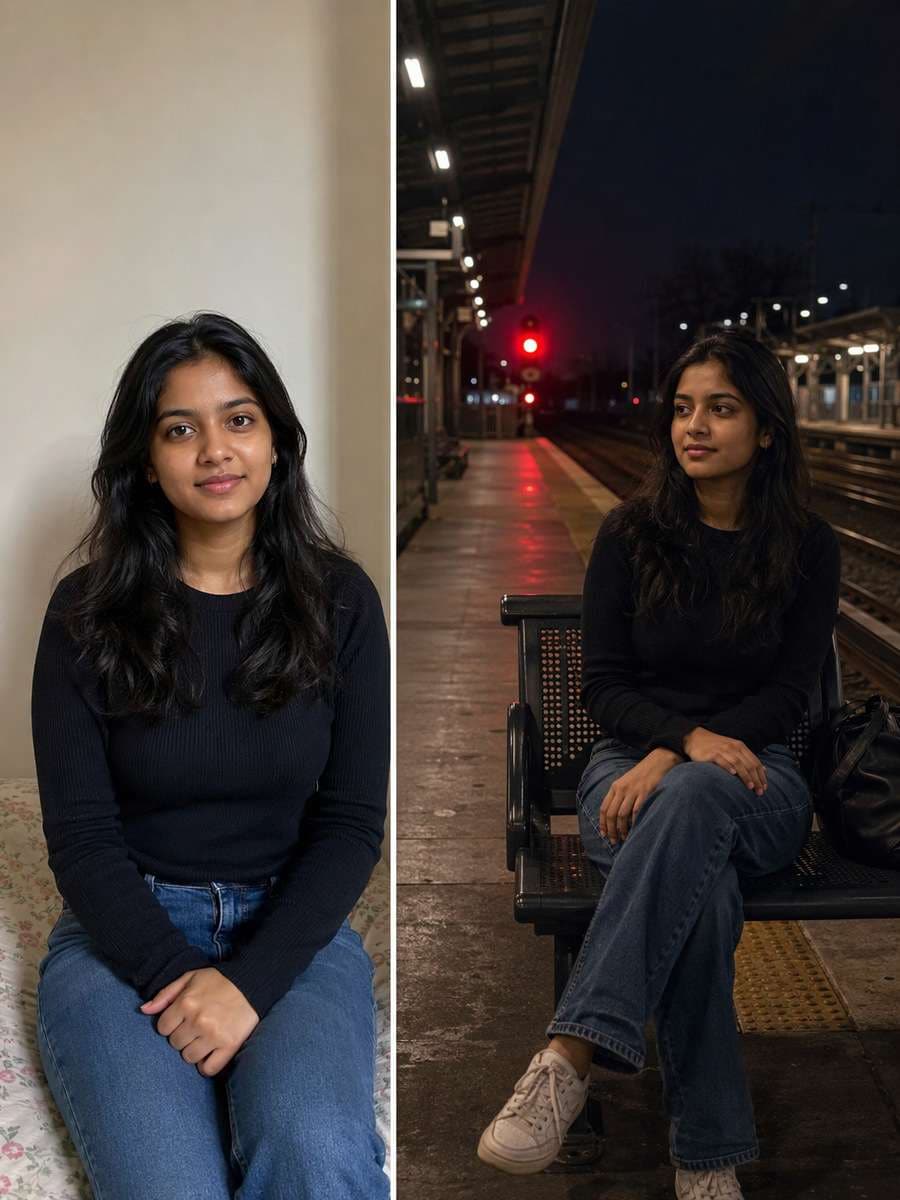
Red Signal Night Platform
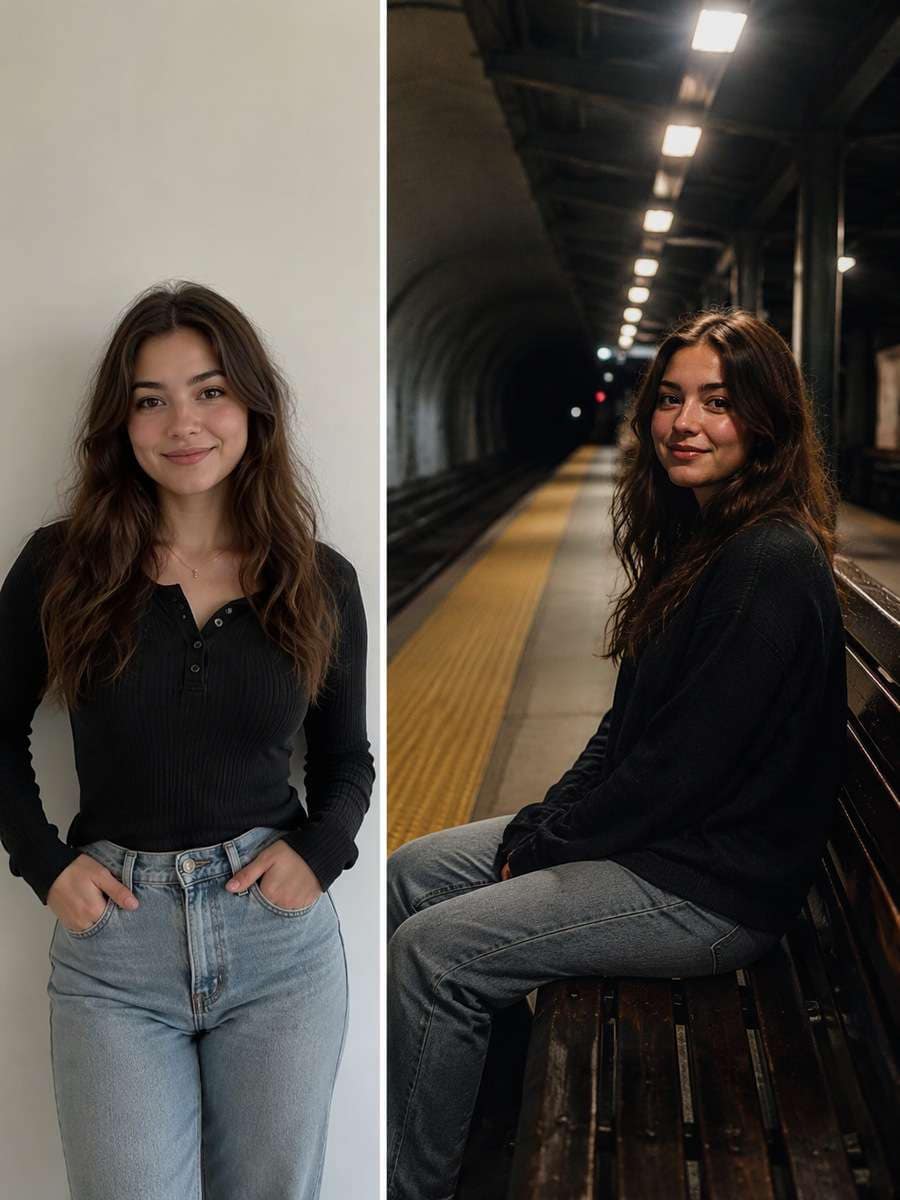
Use the original uploaded portrait as the person reference. For this particular concept, build a late-night platform scene with one small distant red signal behind a calm seated commuter. Keep the original face, hairline, skin texture, age and number of people; make the edited scene physically coherent rather than a pasted-face effect. Choose framing that gives the subject and its key details enough space to be recognizable. Keep the subject behind platform safety lines with valid perspective; trains may blur in the background but faces, hands and station geometry should remain coherent. Avoid these common errors: dangerous tracks poses, distorted architecture, invented transit logos. Create a usable standalone image suitable for city editorial and commuter storytelling.
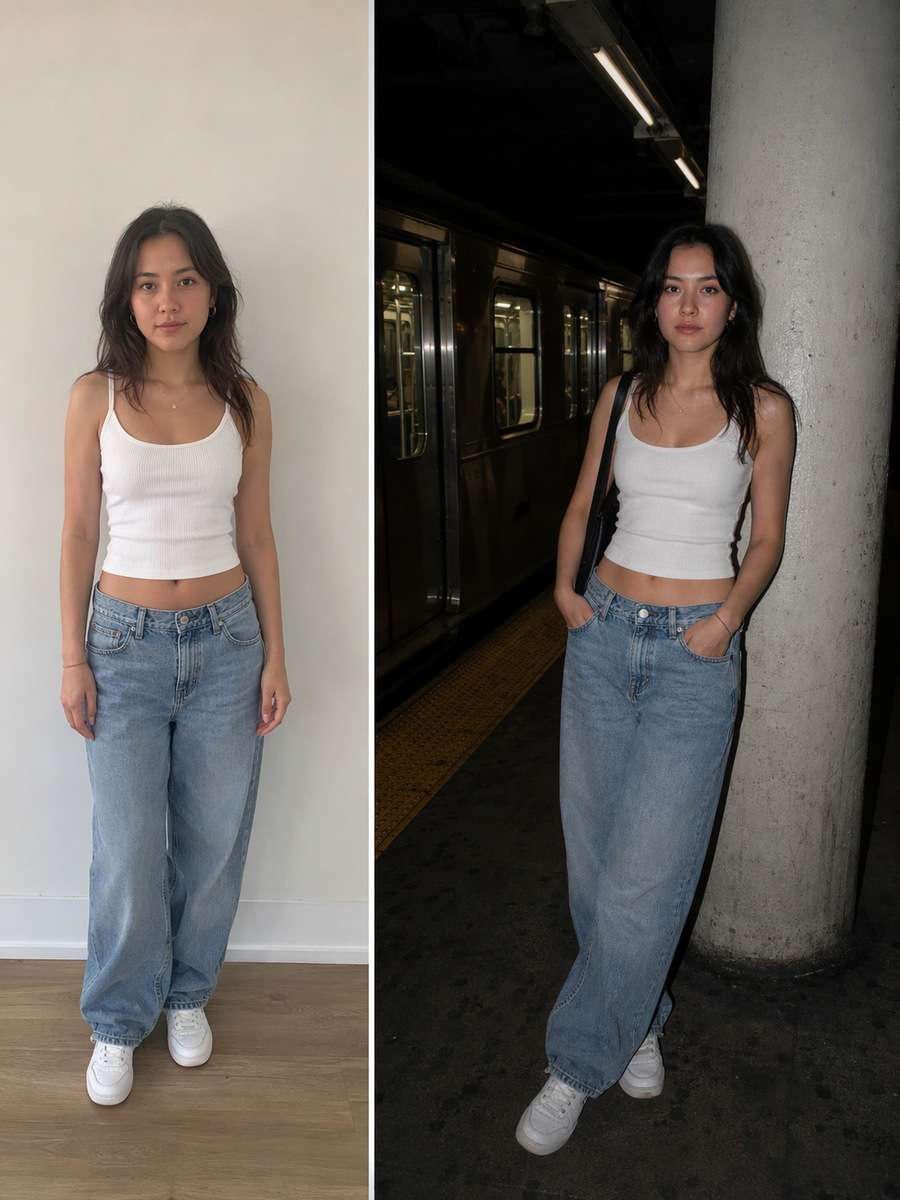
Flash Portrait by Column
Restyle the existing photograph, retaining the same individual. For this particular concept, use direct compact-camera flash for one person standing beside a concrete support, realistic black shadows. Keep the original face, hairline, skin texture, age and number of people; make the edited scene physically coherent rather than a pasted-face effect. Use natural material textures and avoid forced high saturation or artificial glow. Keep the subject behind platform safety lines with valid perspective; trains may blur in the background but faces, hands and station geometry should remain coherent. Avoid these common errors: dangerous tracks poses, distorted architecture, invented transit logos. Create a usable standalone image suitable for city editorial and commuter storytelling.
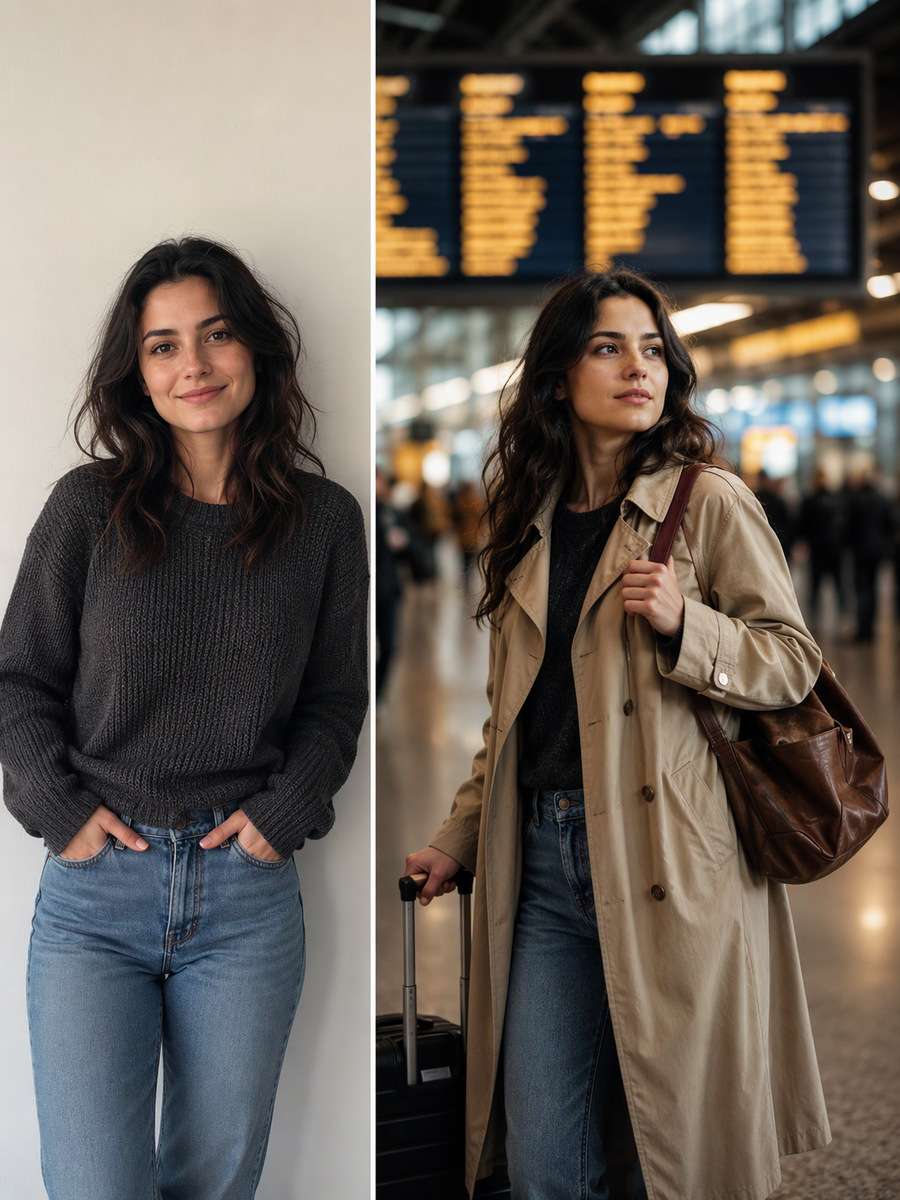
Departure Board Mood
Begin with a clear consented selfie or body portrait. For this particular concept, show passenger beneath an out-of-focus generic signboard with no invented location text or copied transit logo. Keep the original face, hairline, skin texture, age and number of people; make the edited scene physically coherent rather than a pasted-face effect. Keep hand positions, object contact points and camera perspective plausible. Keep the subject behind platform safety lines with valid perspective; trains may blur in the background but faces, hands and station geometry should remain coherent. Avoid these common errors: dangerous tracks poses, distorted architecture, invented transit logos. Create a usable standalone image suitable for city editorial and commuter storytelling.
Safe Edge Wide Editorial
Use the original uploaded portrait as the person reference. For this particular concept, shoot a wide platform portrait with clear yellow line separating person and track, train stationary in background. Keep the original face, hairline, skin texture, age and number of people; make the edited scene physically coherent rather than a pasted-face effect. Finish with restrained photographic detail rather than generic AI glamour effects. Keep the subject behind platform safety lines with valid perspective; trains may blur in the background but faces, hands and station geometry should remain coherent. Avoid these common errors: dangerous tracks poses, distorted architecture, invented transit logos. Create a usable standalone image suitable for city editorial and commuter storytelling.
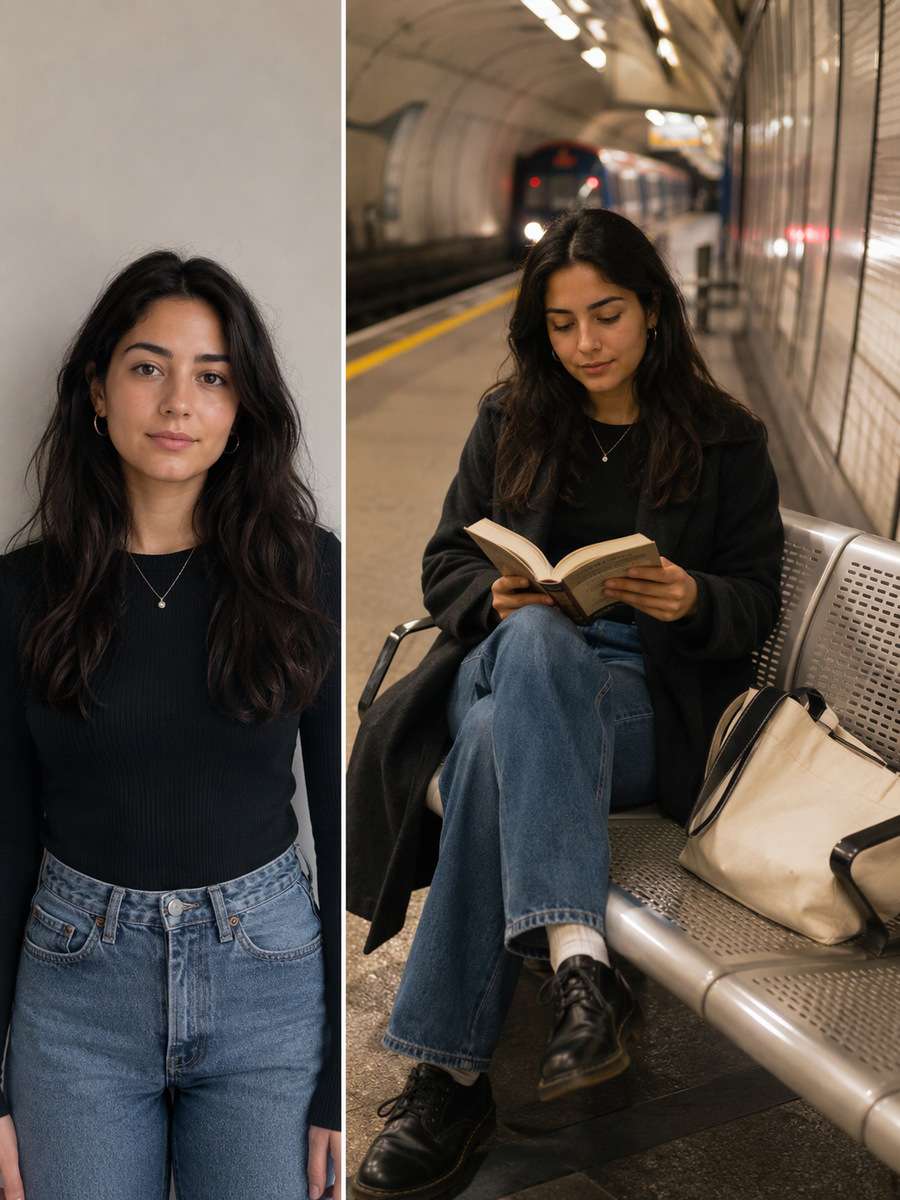
Underground Book Reader
Restyle the existing photograph, retaining the same individual. For this particular concept, photograph a person reading a book on a clean station bench with safe feet and mellow ambient light. Keep the original face, hairline, skin texture, age and number of people; make the edited scene physically coherent rather than a pasted-face effect. Match environmental reflections and shadows to the actual light sources. Keep the subject behind platform safety lines with valid perspective; trains may blur in the background but faces, hands and station geometry should remain coherent. Avoid these common errors: dangerous tracks poses, distorted architecture, invented transit logos. Create a usable standalone image suitable for city editorial and commuter storytelling.
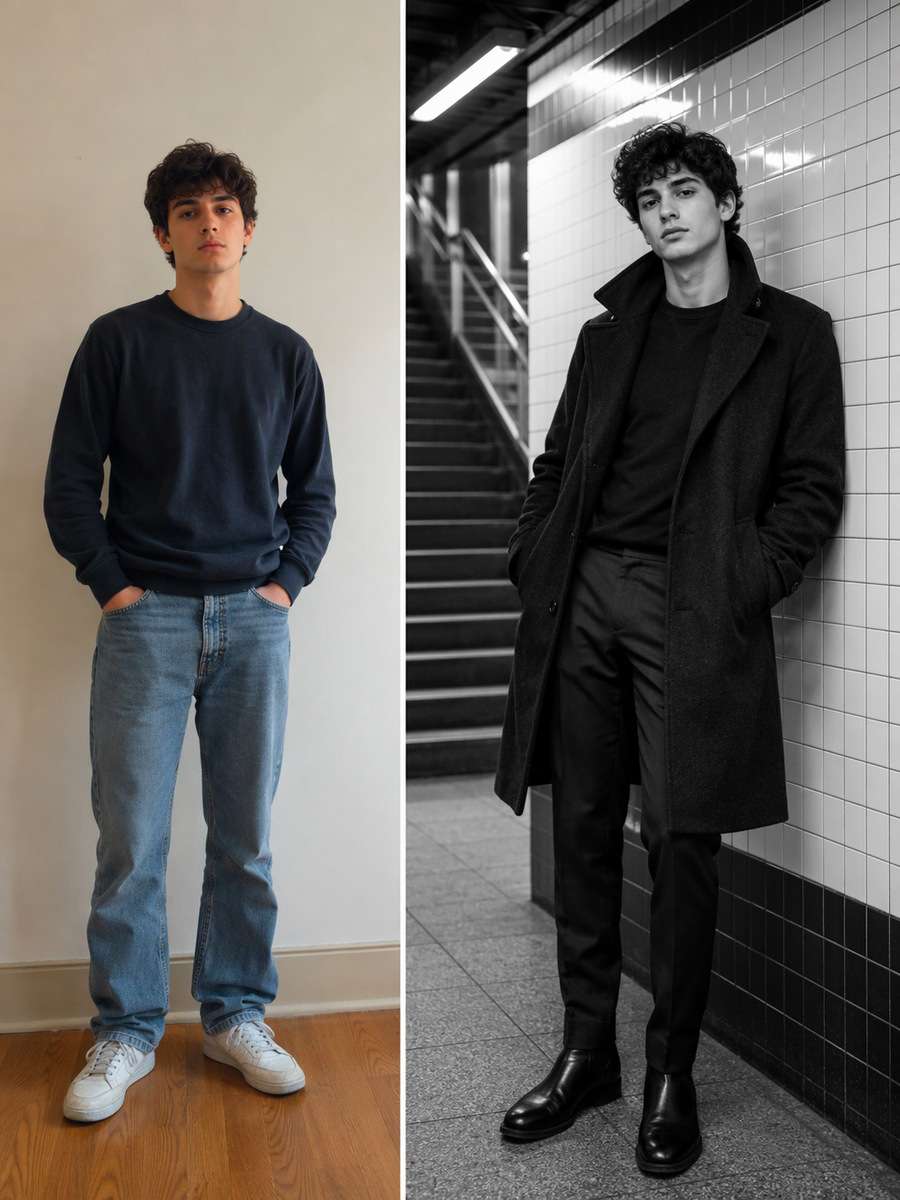
Subway Fashion High Contrast
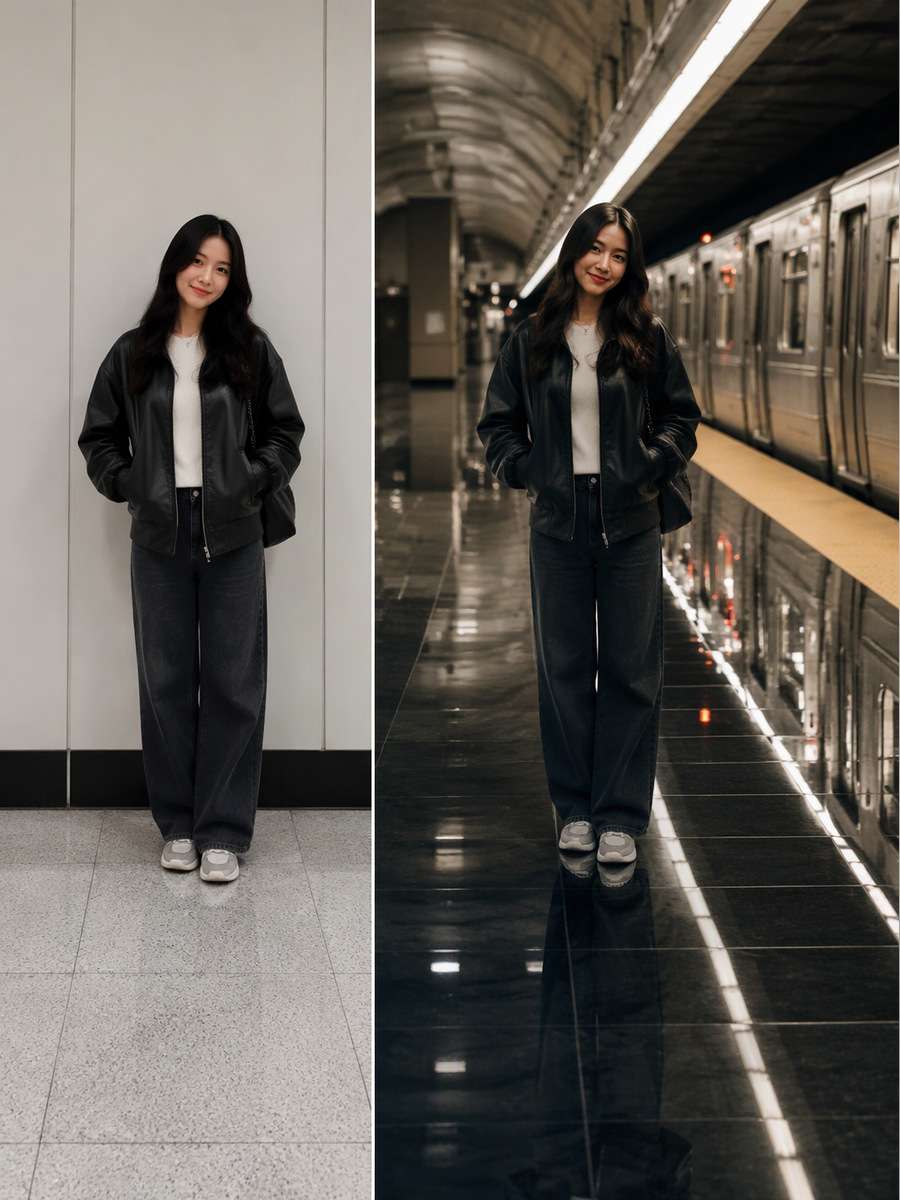
Begin with a clear consented selfie or body portrait. For this particular concept, make a monochrome editorial at a tiled station entrance, sharp jacket texture and bright wall panels. Keep the original face, hairline, skin texture, age and number of people; make the edited scene physically coherent rather than a pasted-face effect. Choose framing that gives the subject and its key details enough space to be recognizable. Keep the subject behind platform safety lines with valid perspective; trains may blur in the background but faces, hands and station geometry should remain coherent. Avoid these common errors: dangerous tracks poses, distorted architecture, invented transit logos. Create a usable standalone image suitable for city editorial and commuter storytelling.
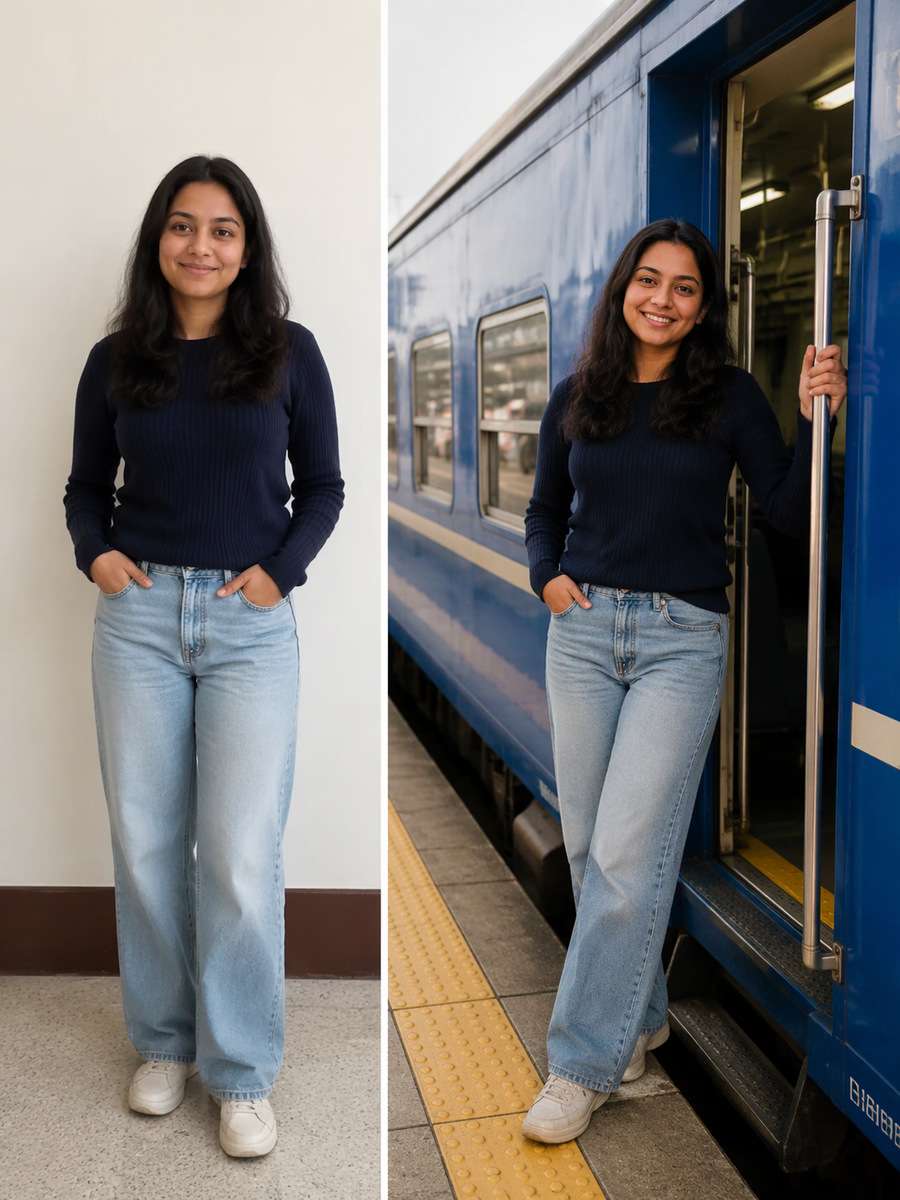
Blue Train Door Frame
Use the original uploaded portrait as the person reference. For this particular concept, place one person near a stopped blue train's open doorway, physically plausible door proportions. Keep the original face, hairline, skin texture, age and number of people; make the edited scene physically coherent rather than a pasted-face effect. Use natural material textures and avoid forced high saturation or artificial glow. Keep the subject behind platform safety lines with valid perspective; trains may blur in the background but faces, hands and station geometry should remain coherent. Avoid these common errors: dangerous tracks poses, distorted architecture, invented transit logos. Create a usable standalone image suitable for city editorial and commuter storytelling.
Station Mirror-like Floor
Restyle the existing photograph, retaining the same individual. For this particular concept, use light reflections in polished concourse tiles without making surfaces unrealistically wet. Keep the original face, hairline, skin texture, age and number of people; make the edited scene physically coherent rather than a pasted-face effect. Keep hand positions, object contact points and camera perspective plausible. Keep the subject behind platform safety lines with valid perspective; trains may blur in the background but faces, hands and station geometry should remain coherent. Avoid these common errors: dangerous tracks poses, distorted architecture, invented transit logos. Create a usable standalone image suitable for city editorial and commuter storytelling.
Commuter Crowd Motion
Begin with a clear consented selfie or body portrait. For this particular concept, leave subject clear and other fictional commuters as soft motion silhouettes with separate human limbs. Keep the original face, hairline, skin texture, age and number of people; make the edited scene physically coherent rather than a pasted-face effect. Finish with restrained photographic detail rather than generic AI glamour effects. Keep the subject behind platform safety lines with valid perspective; trains may blur in the background but faces, hands and station geometry should remain coherent. Avoid these common errors: dangerous tracks poses, distorted architecture, invented transit logos. Create a usable standalone image suitable for city editorial and commuter storytelling.
Late Night Platform Bench
Use the original uploaded portrait as the person reference. For this particular concept, seat one subject on a platform bench with a distant empty tunnel and soft overhead light. Keep the original face, hairline, skin texture, age and number of people; make the edited scene physically coherent rather than a pasted-face effect. Match environmental reflections and shadows to the actual light sources. Keep the subject behind platform safety lines with valid perspective; trains may blur in the background but faces, hands and station geometry should remain coherent. Avoid these common errors: dangerous tracks poses, distorted architecture, invented transit logos. Create a usable standalone image suitable for city editorial and commuter storytelling.
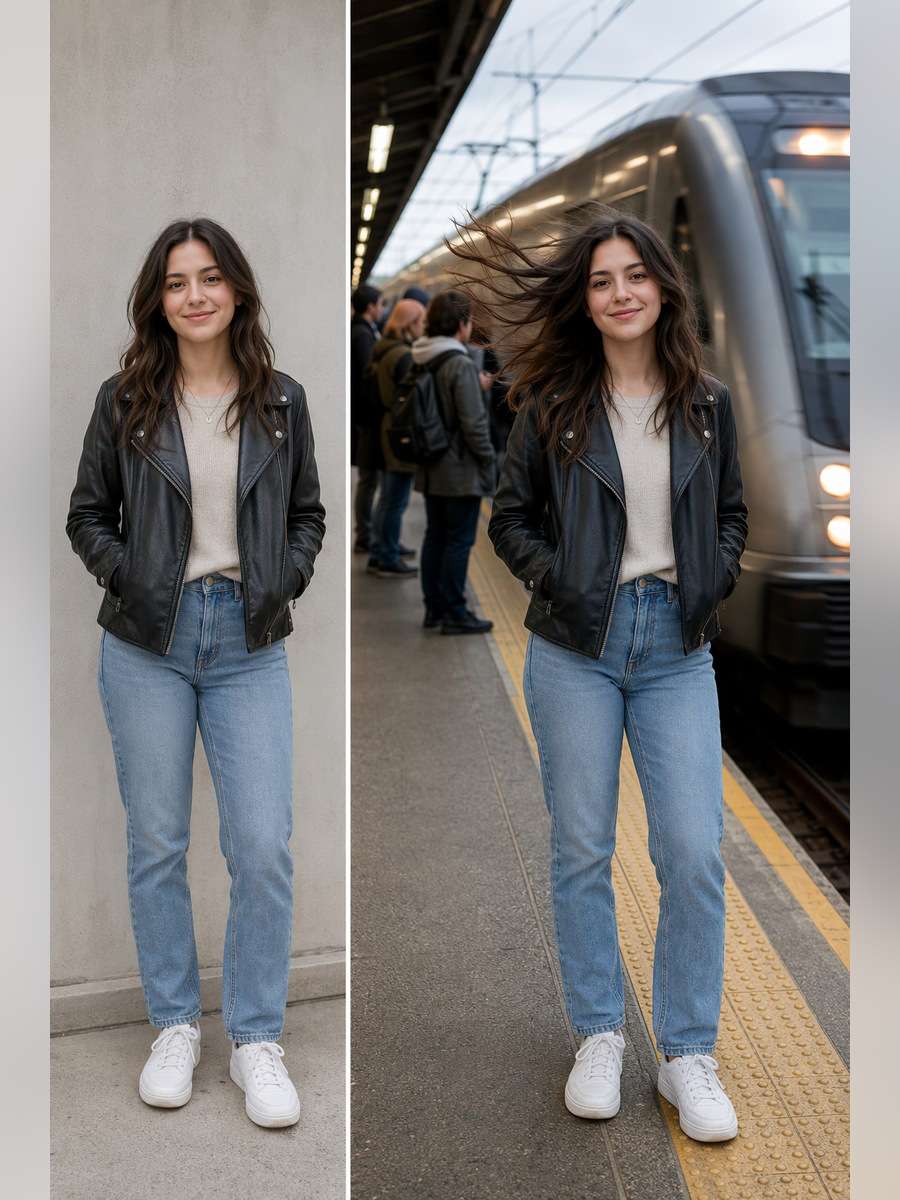
Windy Train Arrival
Restyle the existing photograph, retaining the same individual. For this particular concept, show controlled hair and jacket movement from approaching train air, all people behind safety markings. Keep the original face, hairline, skin texture, age and number of people; make the edited scene physically coherent rather than a pasted-face effect. Choose framing that gives the subject and its key details enough space to be recognizable. Keep the subject behind platform safety lines with valid perspective; trains may blur in the background but faces, hands and station geometry should remain coherent. Avoid these common errors: dangerous tracks poses, distorted architecture, invented transit logos. Create a usable standalone image suitable for city editorial and commuter storytelling.
Vintage Film Metro Portrait
Begin with a clear consented selfie or body portrait. For this particular concept, add modest grain and subdued color to a present-day station with straight architecture lines. Keep the original face, hairline, skin texture, age and number of people; make the edited scene physically coherent rather than a pasted-face effect. Use natural material textures and avoid forced high saturation or artificial glow. Keep the subject behind platform safety lines with valid perspective; trains may blur in the background but faces, hands and station geometry should remain coherent. Avoid these common errors: dangerous tracks poses, distorted architecture, invented transit logos. Create a usable standalone image suitable for city editorial and commuter storytelling.
Public Stair Rail Portrait
Use the original uploaded portrait as the person reference. For this particular concept, pose a traveler with a hand on an escalator railing, believable grip and clean commuter backpack. Keep the original face, hairline, skin texture, age and number of people; make the edited scene physically coherent rather than a pasted-face effect. Keep hand positions, object contact points and camera perspective plausible. Keep the subject behind platform safety lines with valid perspective; trains may blur in the background but faces, hands and station geometry should remain coherent. Avoid these common errors: dangerous tracks poses, distorted architecture, invented transit logos. Create a usable standalone image suitable for city editorial and commuter storytelling.
Glass Elevator in Station
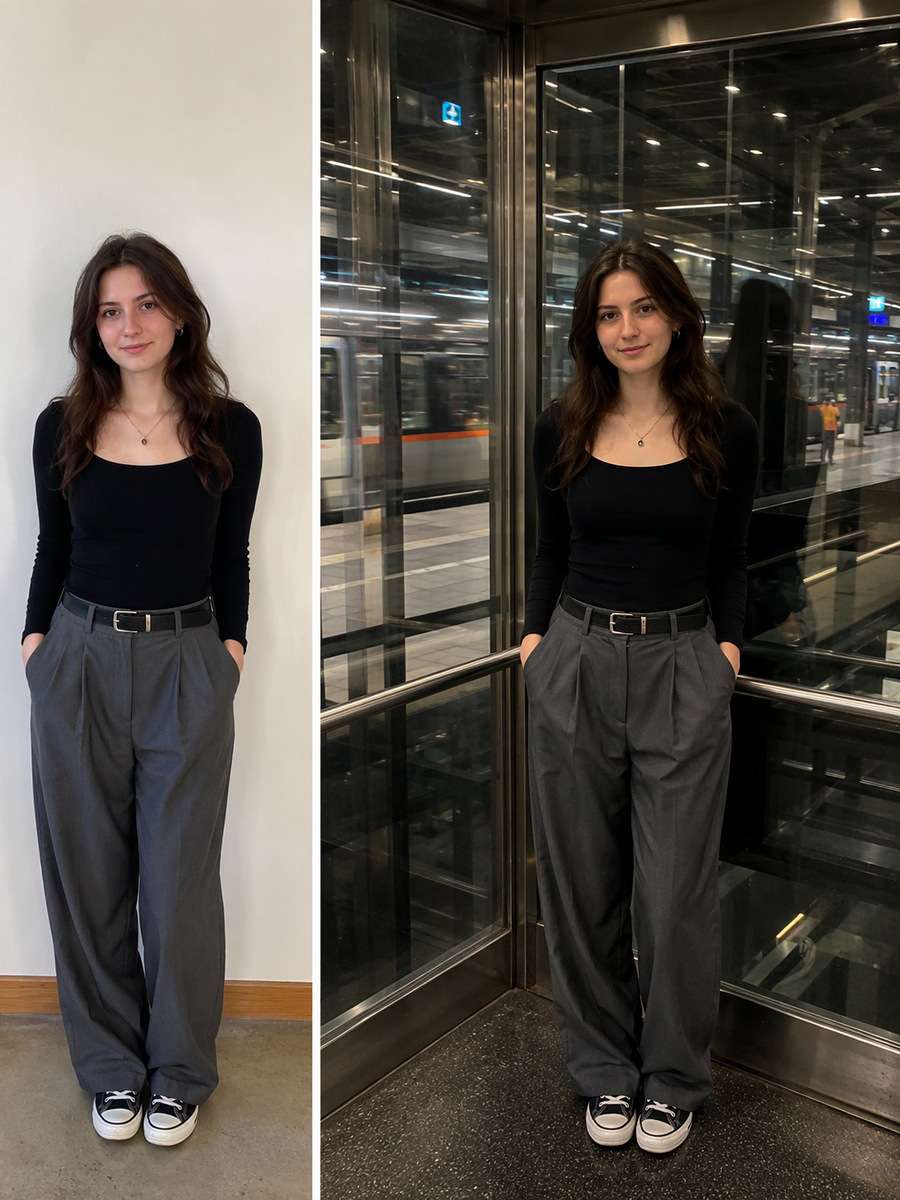
Restyle the existing photograph, retaining the same individual. For this particular concept, photograph a person inside a station lift with layered reflections but only one real face. Keep the original face, hairline, skin texture, age and number of people; make the edited scene physically coherent rather than a pasted-face effect. Finish with restrained photographic detail rather than generic AI glamour effects. Keep the subject behind platform safety lines with valid perspective; trains may blur in the background but faces, hands and station geometry should remain coherent. Avoid these common errors: dangerous tracks poses, distorted architecture, invented transit logos. Create a usable standalone image suitable for city editorial and commuter storytelling.
Backpack and Coffee Commute
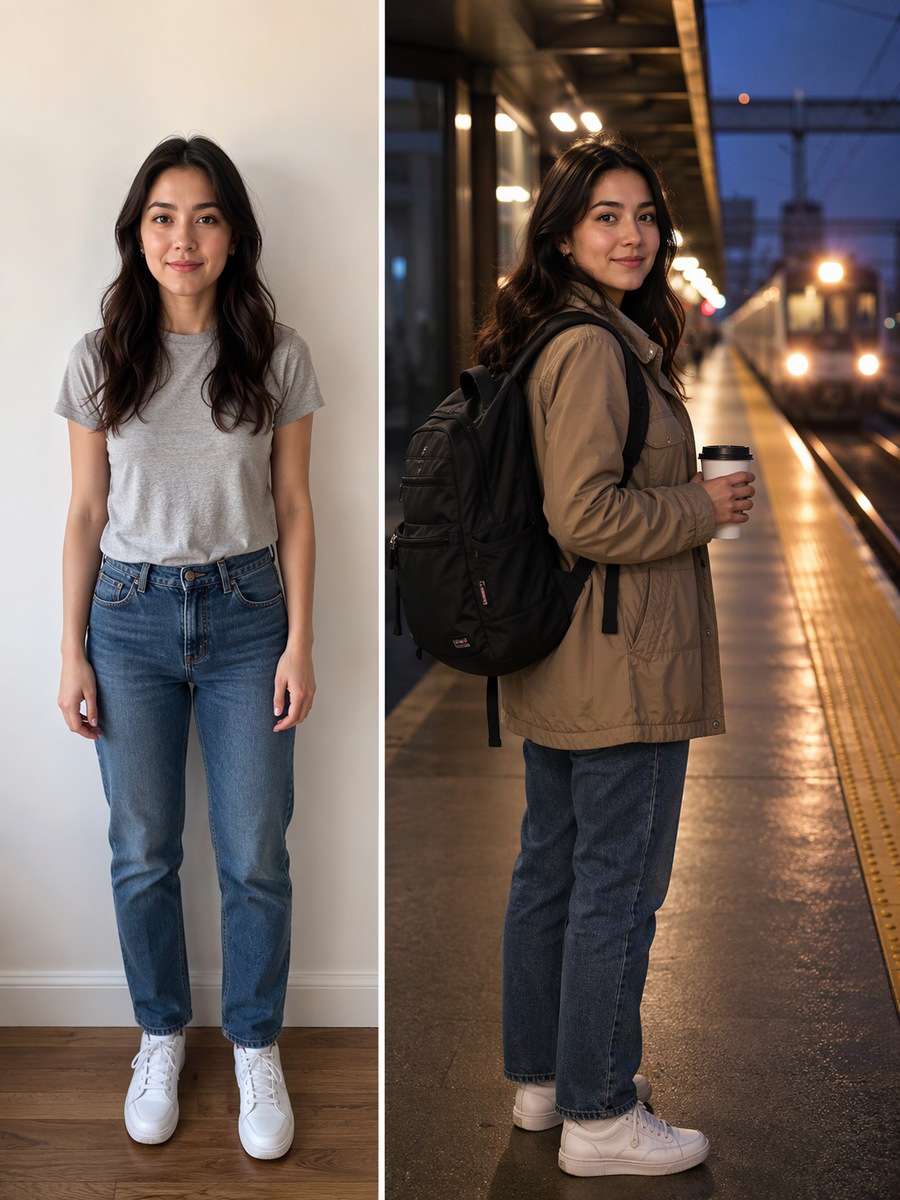
Begin with a clear consented selfie or body portrait. For this particular concept, frame commuter with plain travel cup and backpack as train headlights glow far down platform. Keep the original face, hairline, skin texture, age and number of people; make the edited scene physically coherent rather than a pasted-face effect. Match environmental reflections and shadows to the actual light sources. Keep the subject behind platform safety lines with valid perspective; trains may blur in the background but faces, hands and station geometry should remain coherent. Avoid these common errors: dangerous tracks poses, distorted architecture, invented transit logos. Create a usable standalone image suitable for city editorial and commuter storytelling.
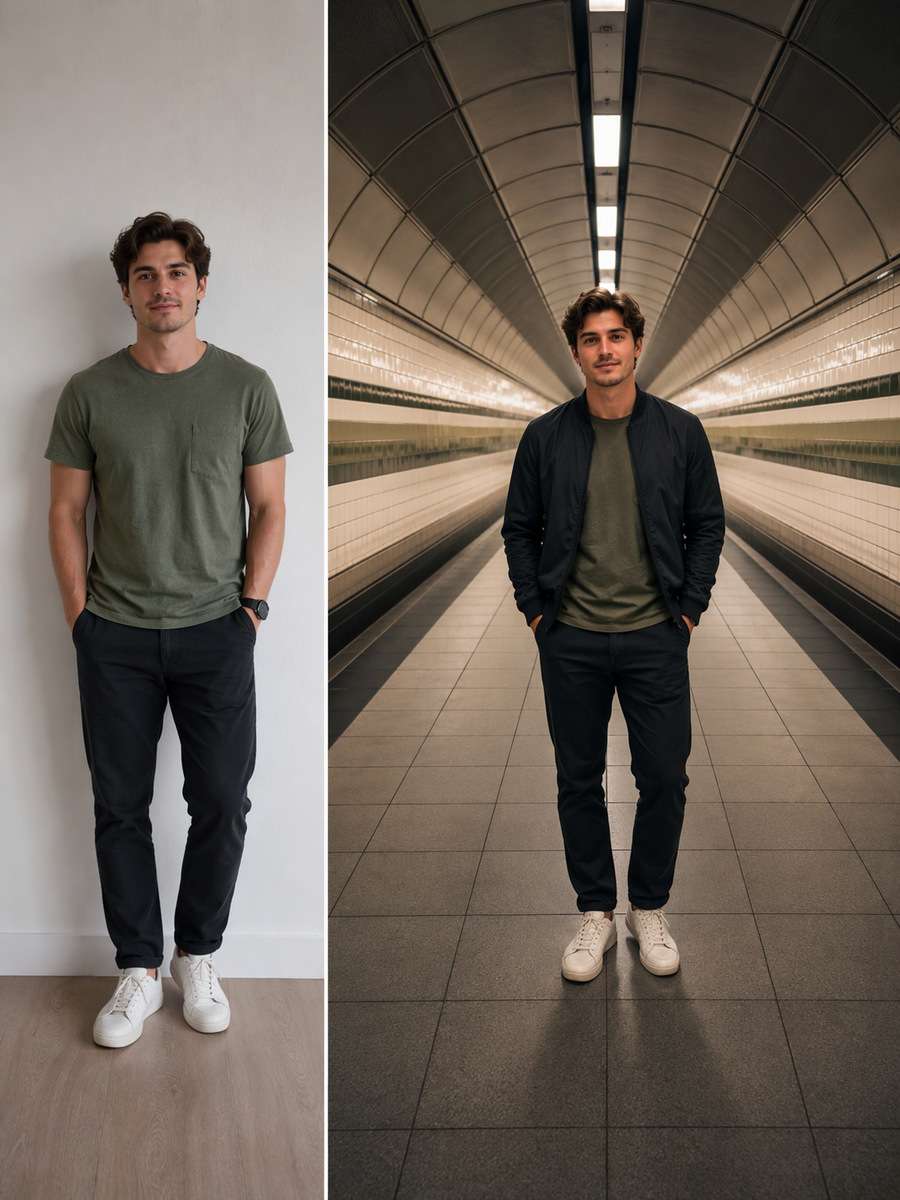
Metro Corridor Vanishing Point
Use the original uploaded portrait as the person reference. For this particular concept, center an adult at the end of a tiled tunnel corridor, balanced perspective and no fake train entry. Keep the original face, hairline, skin texture, age and number of people; make the edited scene physically coherent rather than a pasted-face effect. Choose framing that gives the subject and its key details enough space to be recognizable. Keep the subject behind platform safety lines with valid perspective; trains may blur in the background but faces, hands and station geometry should remain coherent. Avoid these common errors: dangerous tracks poses, distorted architecture, invented transit logos. Create a usable standalone image suitable for city editorial and commuter storytelling.
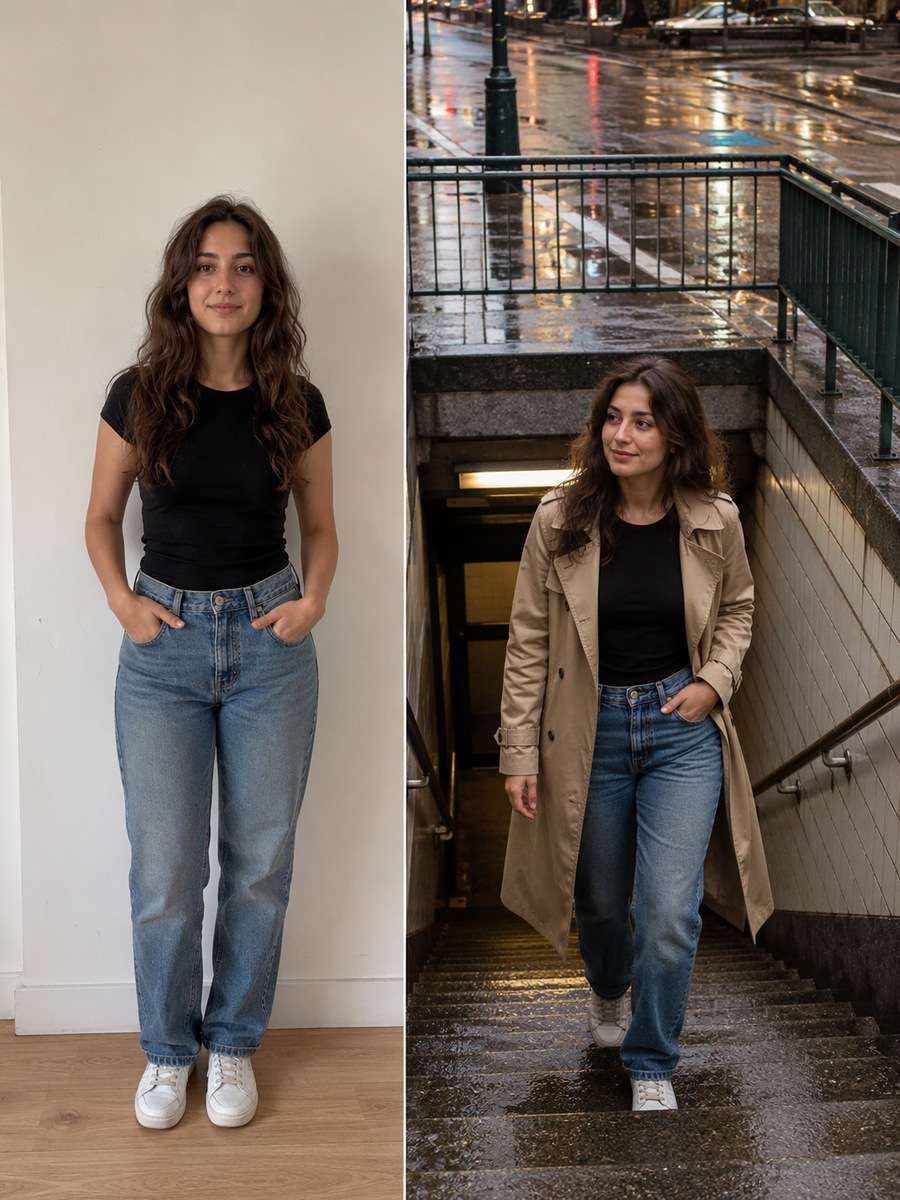
Rainy Street to Subway Entry
Restyle the existing photograph, retaining the same individual. For this particular concept, show person descending a safe outdoor station entrance after rain, puddles confined to street. Keep the original face, hairline, skin texture, age and number of people; make the edited scene physically coherent rather than a pasted-face effect. Use natural material textures and avoid forced high saturation or artificial glow. Keep the subject behind platform safety lines with valid perspective; trains may blur in the background but faces, hands and station geometry should remain coherent. Avoid these common errors: dangerous tracks poses, distorted architecture, invented transit logos. Create a usable standalone image suitable for city editorial and commuter storytelling.
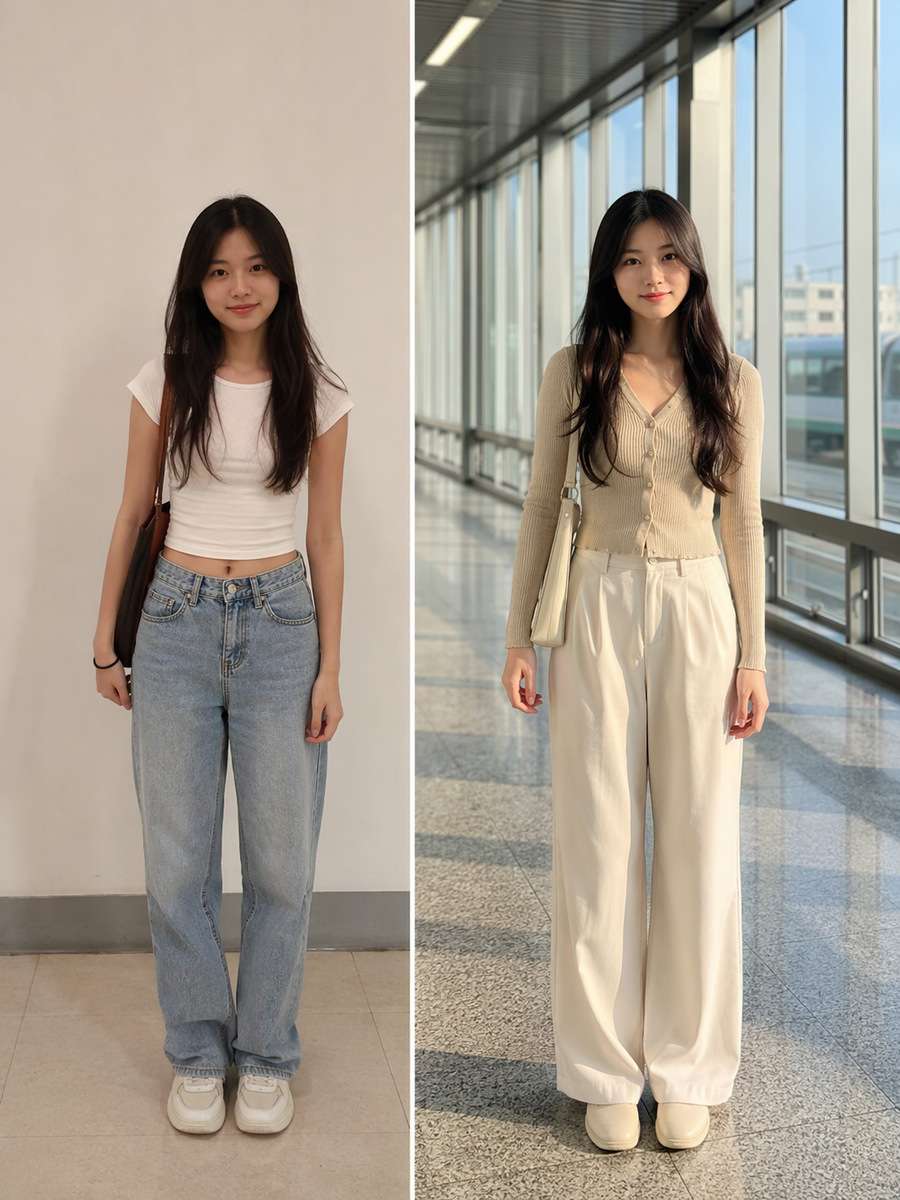
Bright Day Underground Concourse
Begin with a clear consented selfie or body portrait. For this particular concept, use bright modern station windows and a clean profile portrait instead of neon darkness. Keep the original face, hairline, skin texture, age and number of people; make the edited scene physically coherent rather than a pasted-face effect. Keep hand positions, object contact points and camera perspective plausible. Keep the subject behind platform safety lines with valid perspective; trains may blur in the background but faces, hands and station geometry should remain coherent. Avoid these common errors: dangerous tracks poses, distorted architecture, invented transit logos. Create a usable standalone image suitable for city editorial and commuter storytelling.
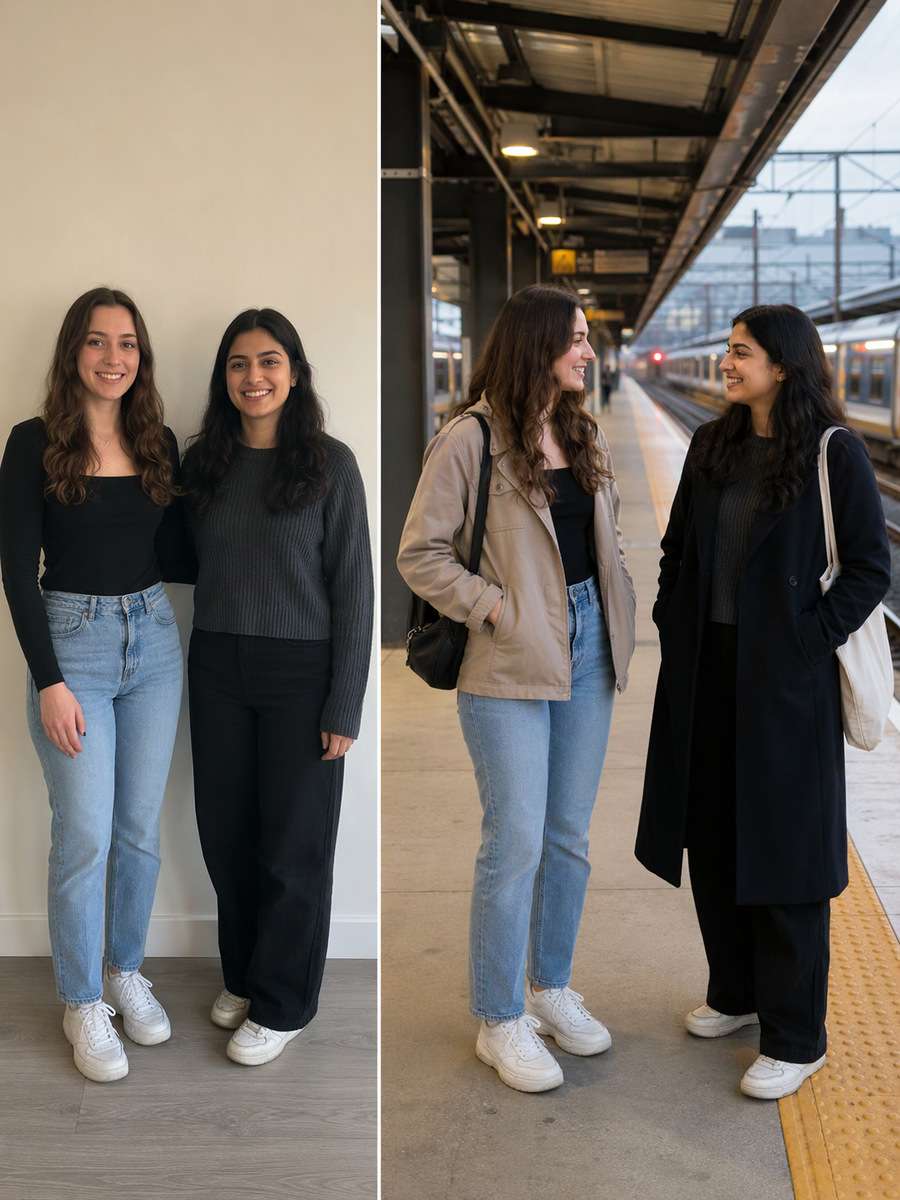
Two Friends Awaiting Train
Use the original uploaded portrait as the person reference. For this particular concept, place two friends chatting well inside safe platform area, distinct faces and believable casual distance. Keep the original face, hairline, skin texture, age and number of people; make the edited scene physically coherent rather than a pasted-face effect. Finish with restrained photographic detail rather than generic AI glamour effects. Keep the subject behind platform safety lines with valid perspective; trains may blur in the background but faces, hands and station geometry should remain coherent. Avoid these common errors: dangerous tracks poses, distorted architecture, invented transit logos. Create a usable standalone image suitable for city editorial and commuter storytelling.
Get the Details Right for Subway Station Portrait Prompts
Urban transit portraits with spatial realism and safe platform positioning works best when you decide on the input, visual scene and subject constraints before generating. A strong edit should feel specific to the subject, not a stock-style filter.
Start With the Right Original Photo
Best source: a portrait with visible outfit for environmental framing.
Use visible linear tile and platform geometry as the visual anchor. Build around separated moving train blur rather than adding unrelated decoration.
Preserve source truth: Keep the subject behind platform safety lines with valid perspective; trains may blur in the background but faces, hands and station geometry should remain coherent.
Refine Style Without Losing Accuracy
Work deliberately with fluorescent light direction and safe platform distance.
The result should be appropriate for city editorial and commuter storytelling.
Common errors to correct: dangerous tracks poses, distorted architecture, invented transit logos.
Ways to Use Subway Station Portrait Prompts
Pick a practical outlet for city editorial and commuter storytelling; these four uses call for slightly different crops, detail levels and lighting.
City portrait set
Use a dedicated source-photo edit built around linear tile and platform geometry. For city portrait set, adjust framing and background to fit the final display while keeping the original subject accurate.
Streetwear editorial
Use a dedicated source-photo edit built around separated moving train blur. For streetwear editorial, adjust framing and background to fit the final display while keeping the original subject accurate.
Travel moodboard
Use a dedicated source-photo edit built around fluorescent light direction. For travel moodboard, adjust framing and background to fit the final display while keeping the original subject accurate.
Night commute illustration
Use a dedicated source-photo edit built around safe platform distance. For night commute illustration, adjust framing and background to fit the final display while keeping the original subject accurate.
FAQs About Subway Station Portrait Prompts
1. Where should a subject stand in an AI subway station photo?
Keep the person safely on a public platform, behind the marked edge. Blur the passing train while retaining clear subject features, tile perspective and believable fluorescent lighting.
2. Can a train be blurred while the subject remains sharp?
Yes. Describe the subject as still on the platform, with the train moving behind and blur confined to the passing carriages. Keep tiles and vertical pillars straight.
3. How do I avoid dangerous or unrealistic subway poses?
Do not place anyone on the tracks or across the platform edge. Frame a scene from a safe public area with plausible feet, shadows and distance from the train.
4. What should I check when editing photos for city editorial and commuter storytelling?
Compare the result with the source for factual details. In particular, avoid dangerous tracks poses, distorted architecture, invented transit logos. If you share the image publicly, distinguish a synthetic edit from a documentary photograph where necessary.