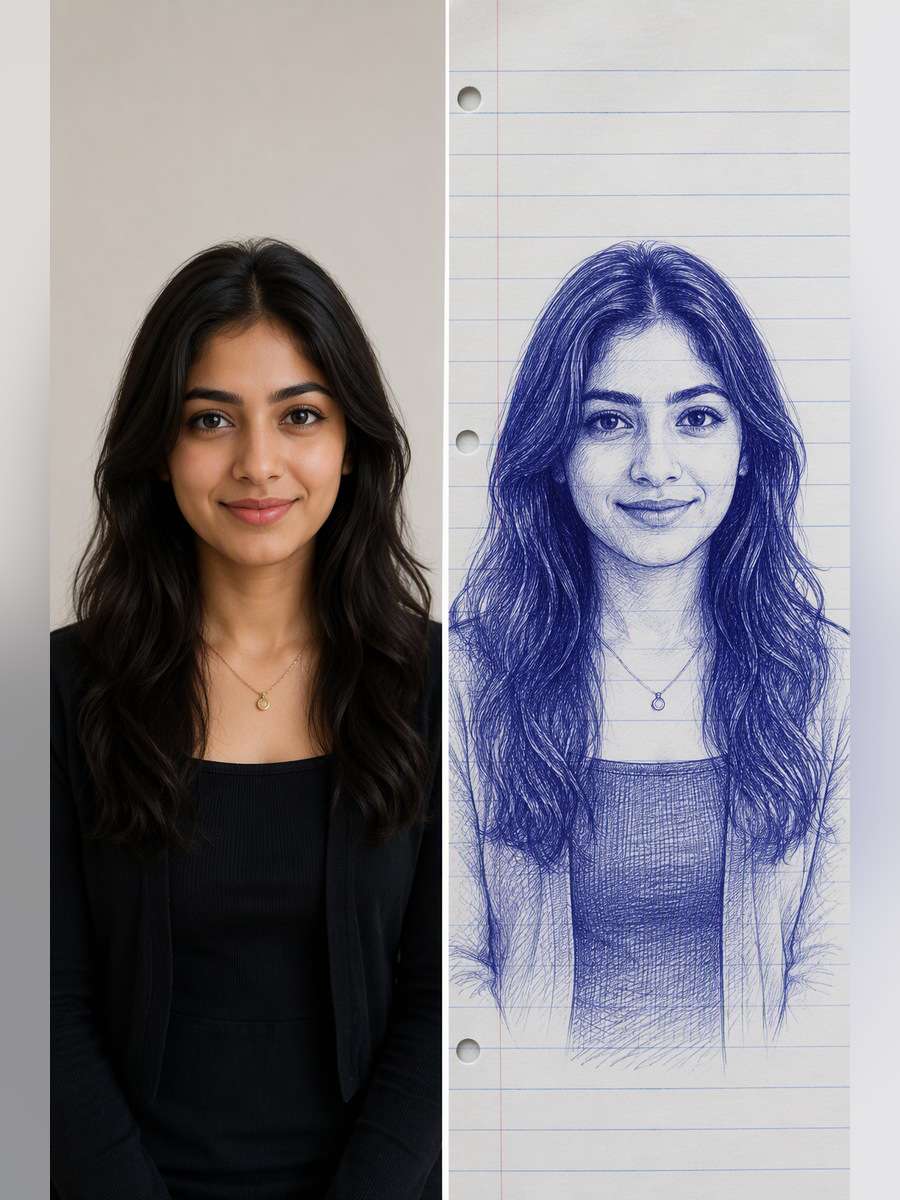
Notebook Margin Portrait
Turn the uploaded portrait into a blue ballpoint pen drawing on white notebook paper with neat line work and light shadow hatching. Keep the person recognizable and the sketch handmade, not digitally over-smoothed.
Blue ballpoint portrait edits are popular because they feel handmade, nostalgic and easy to share. Instead of a generic filter, these ChatGPT Blue Ballpoint Pen Portrait Prompts describe line density, paper texture, notebook backgrounds and crosshatching so a photo can turn into a believable pen drawing. They work well for profile art, gifts, journal aesthetics and artist-style social posts.
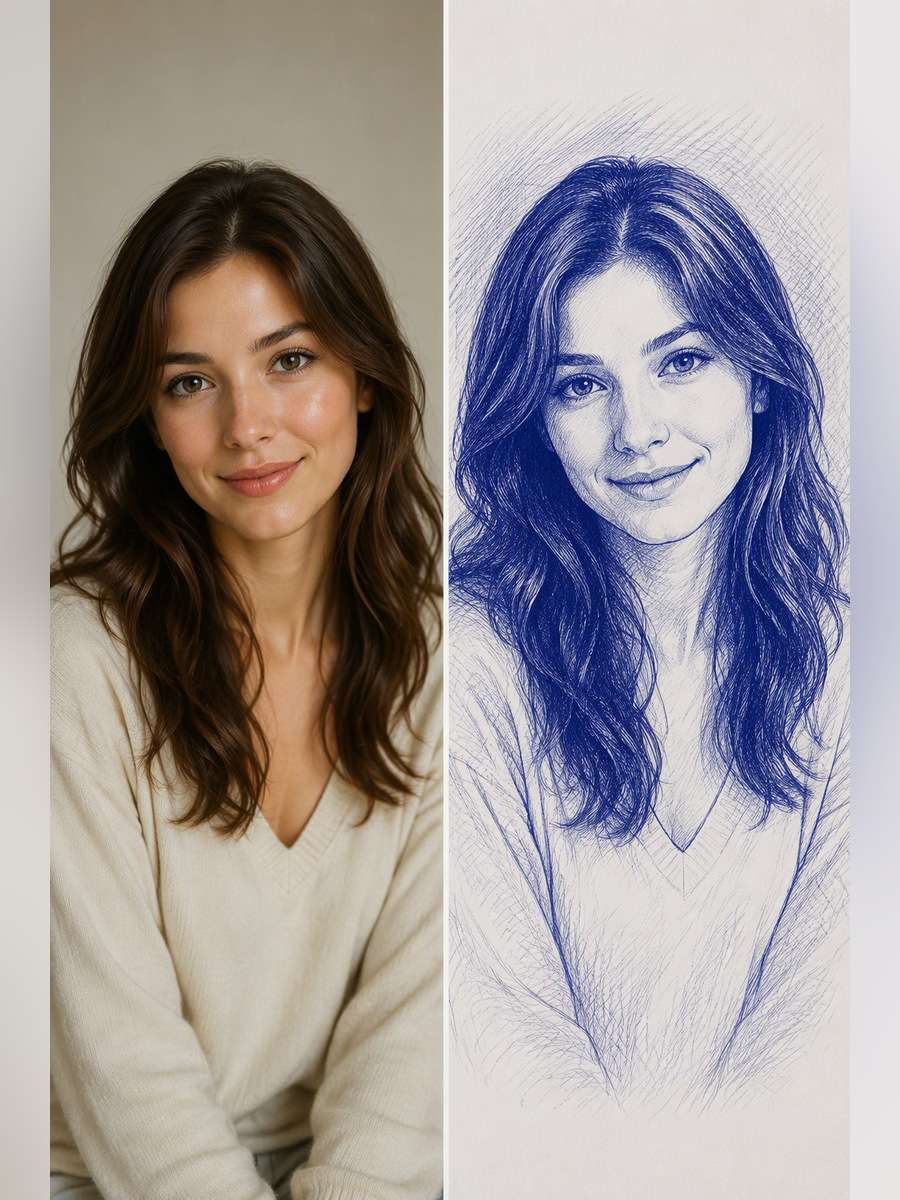
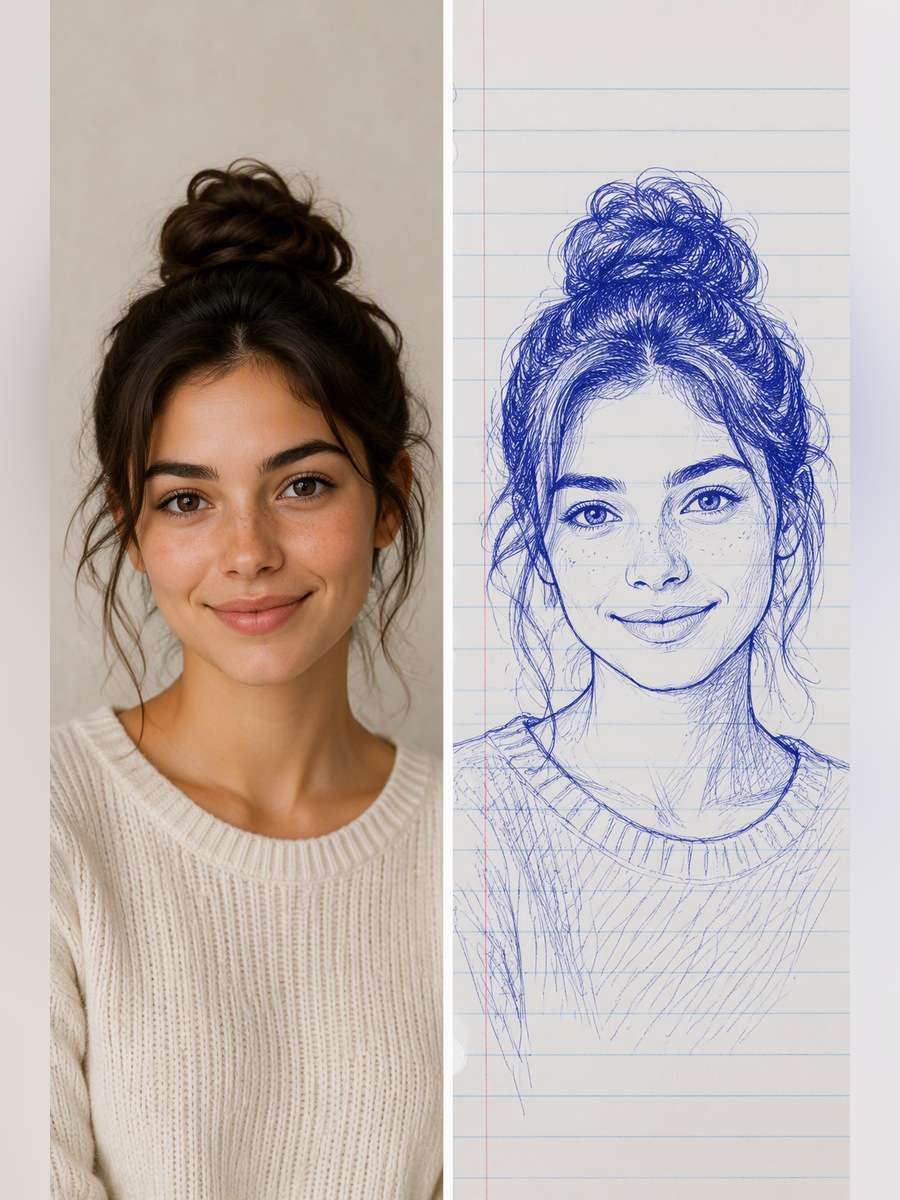
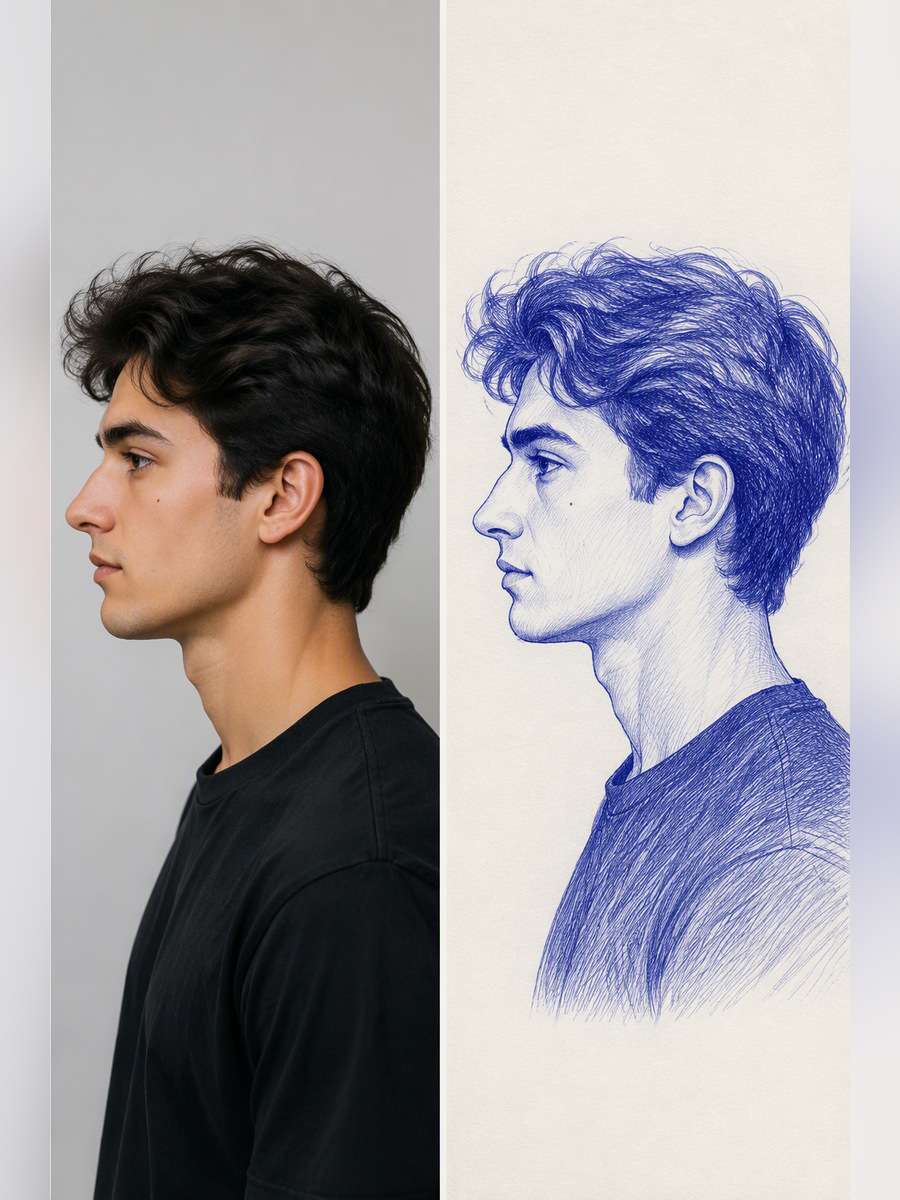
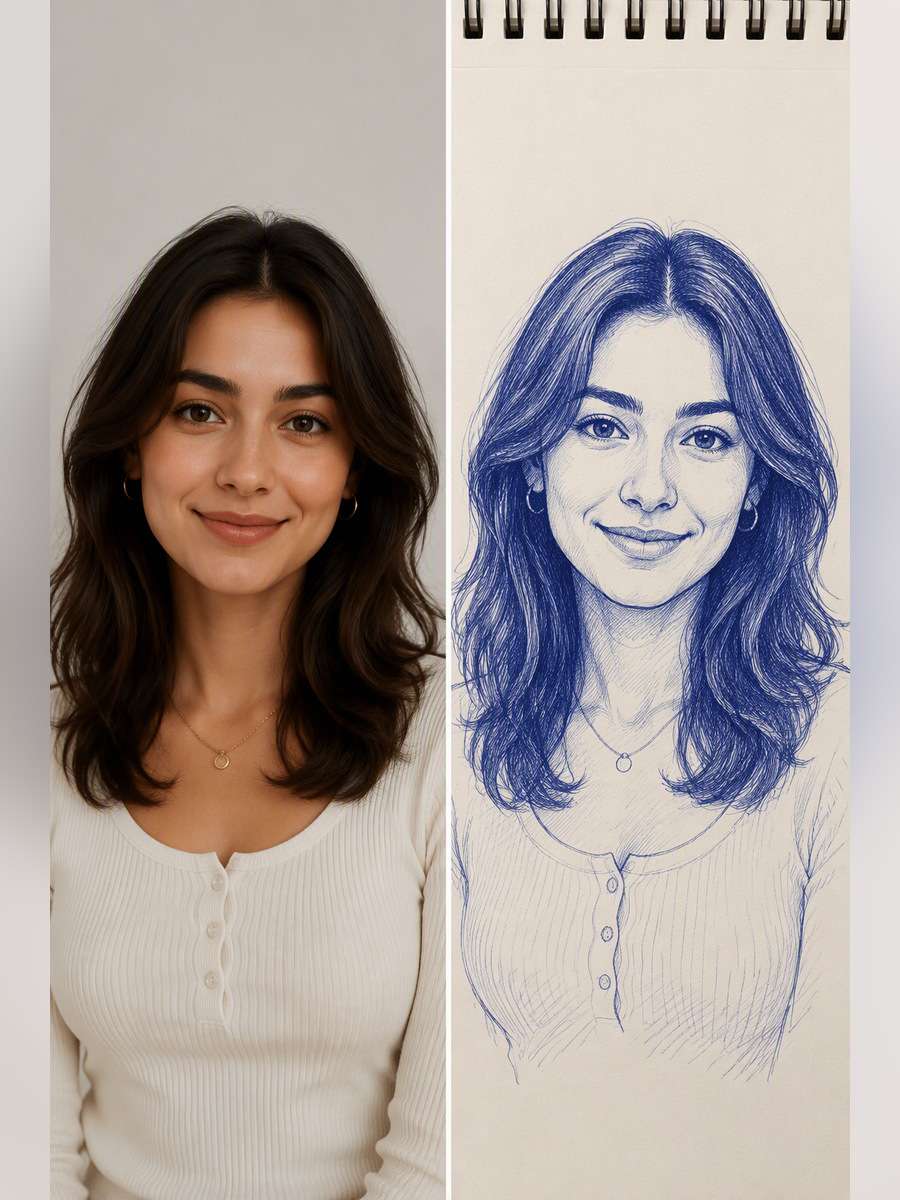
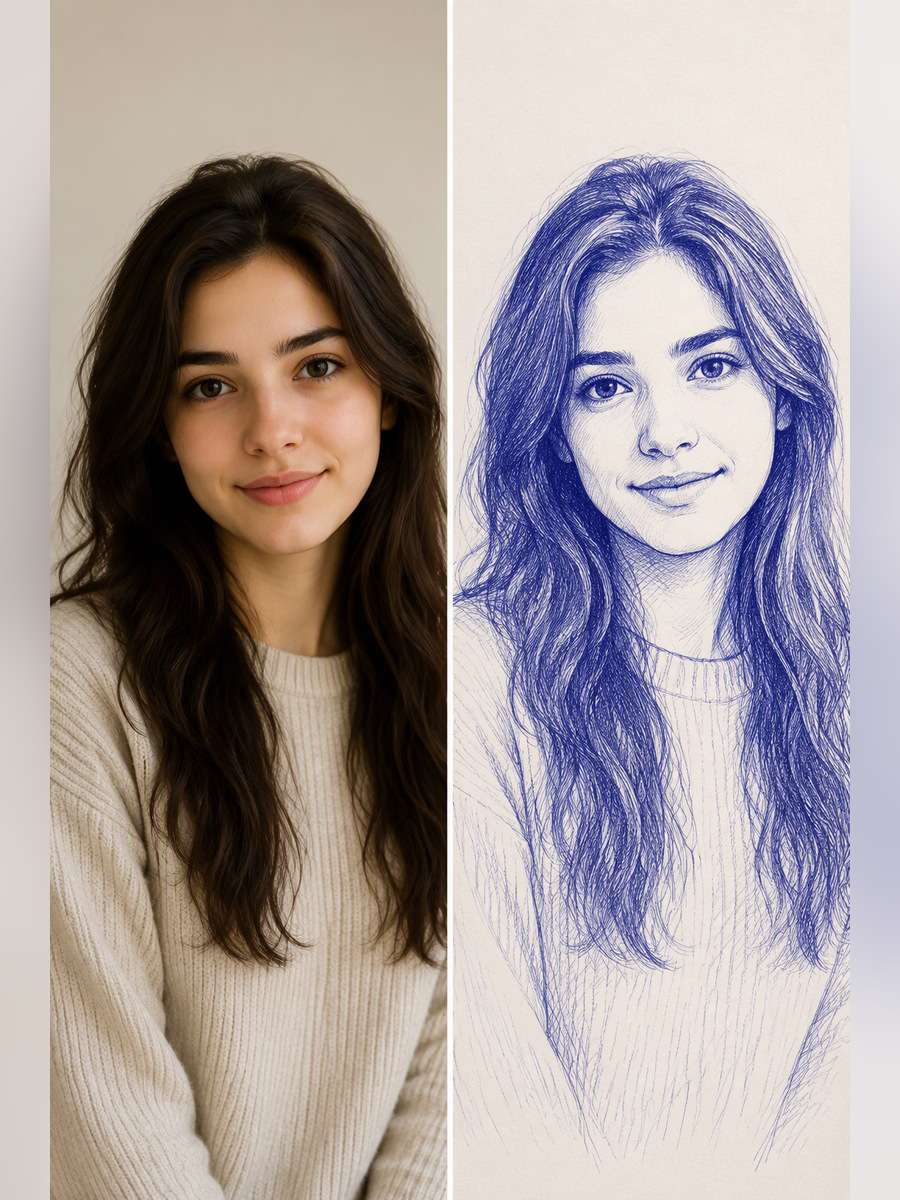
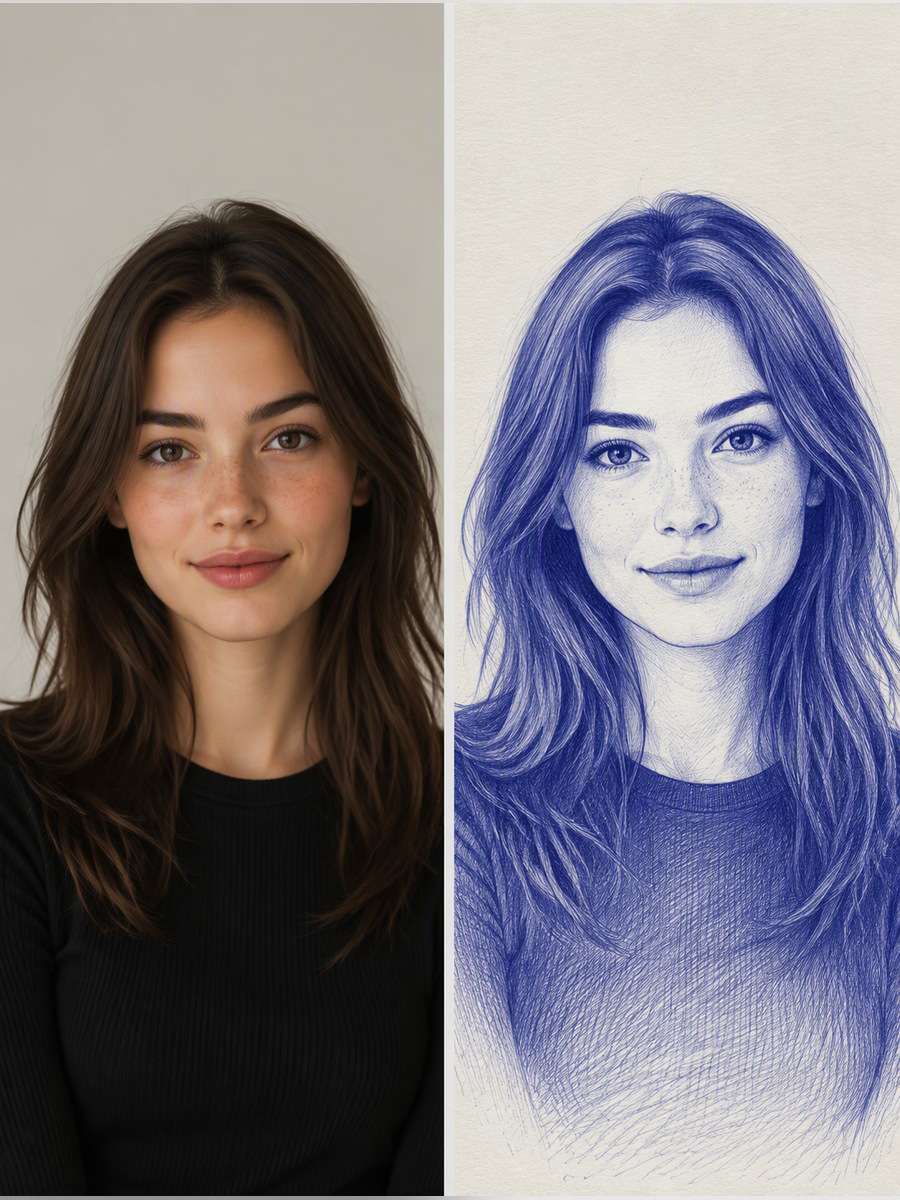
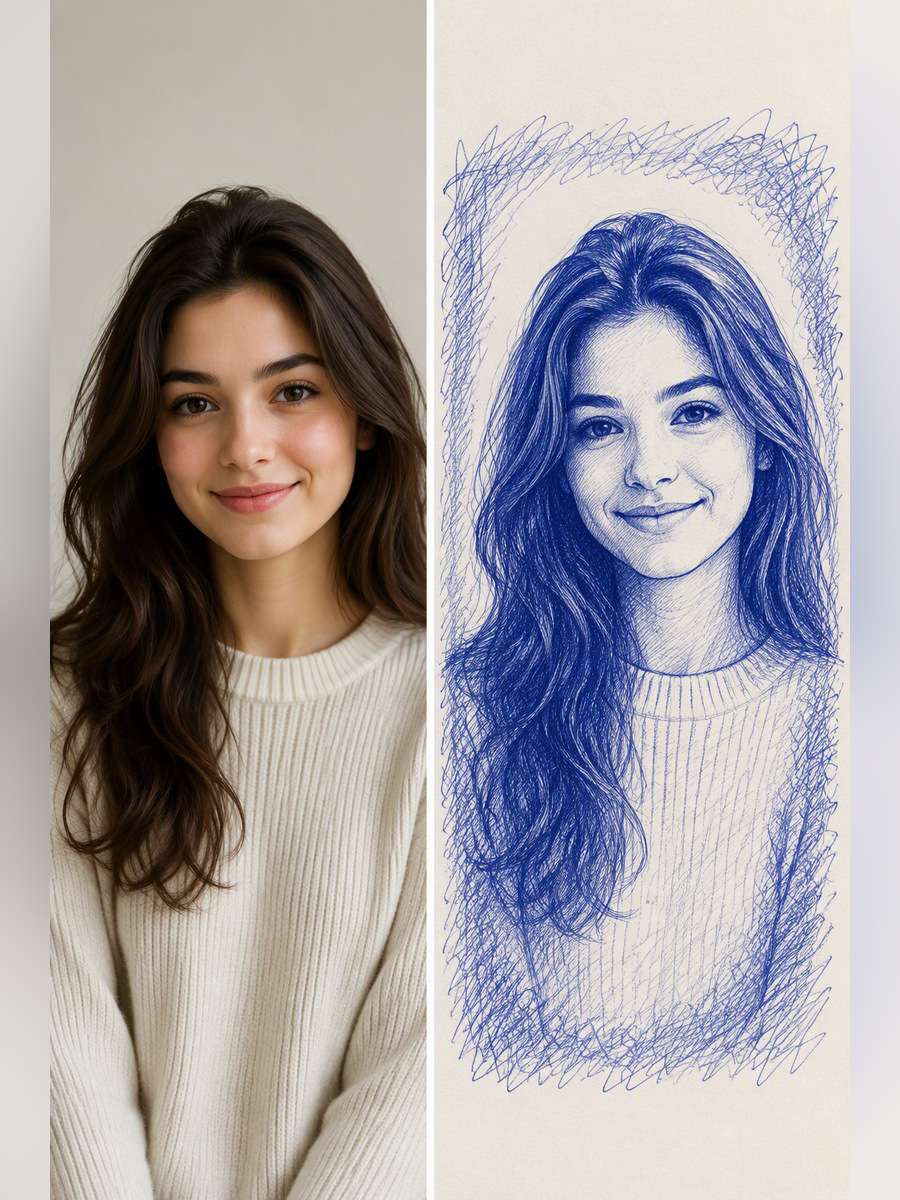
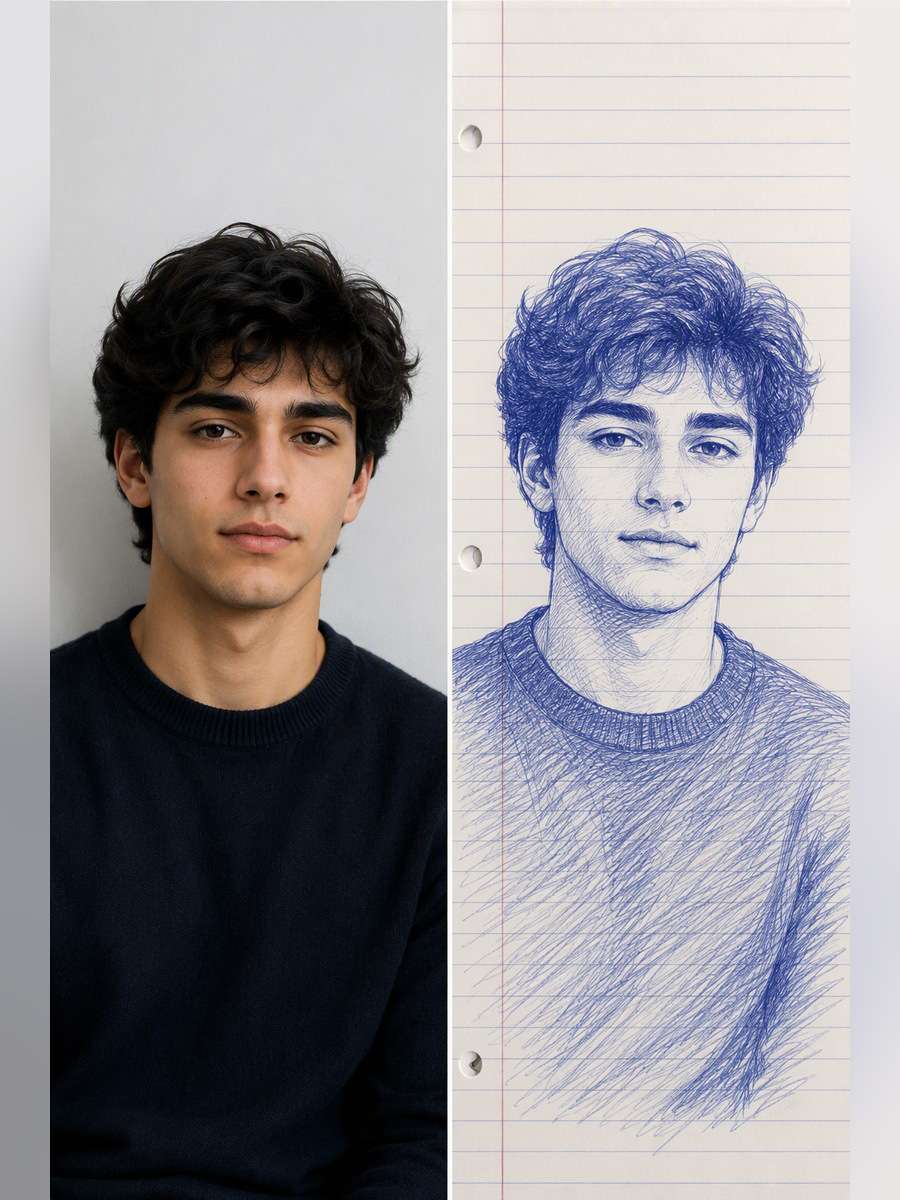
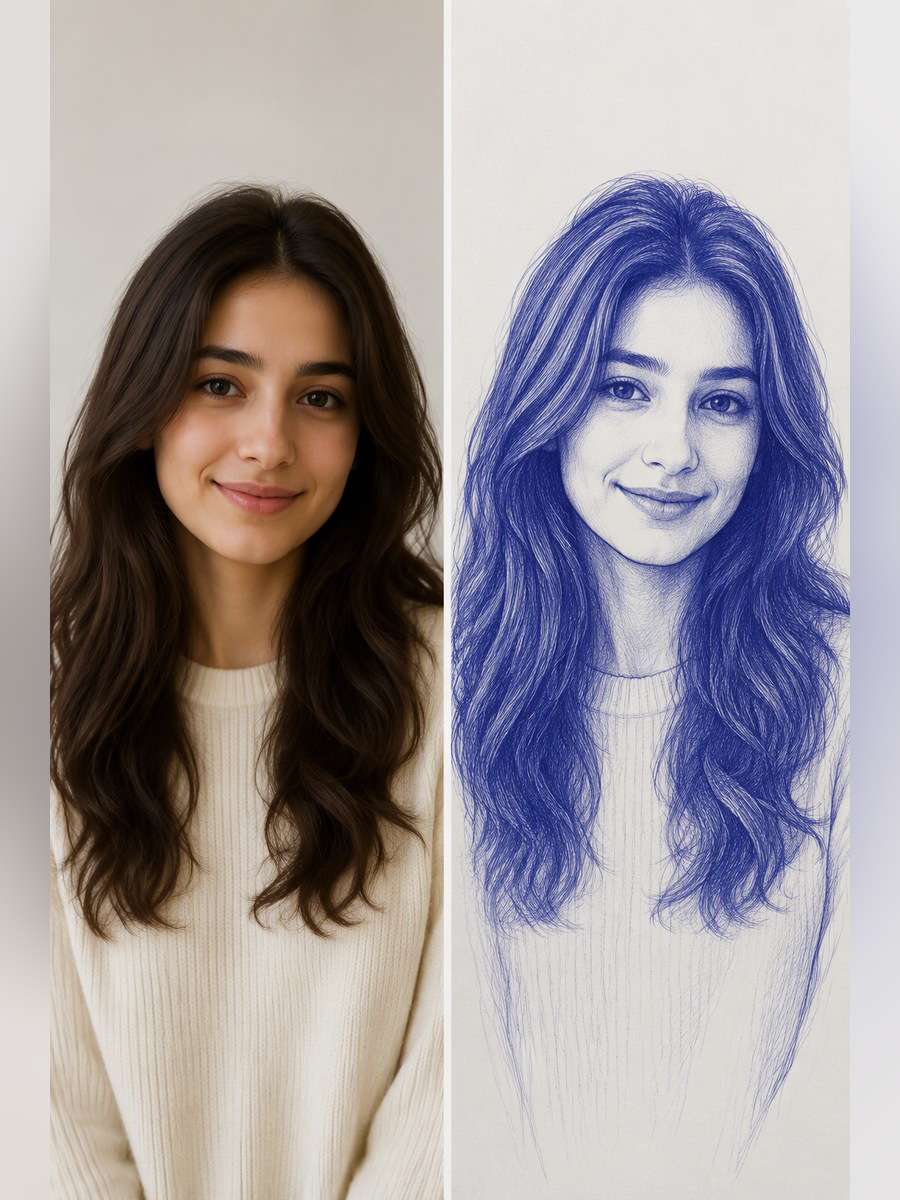
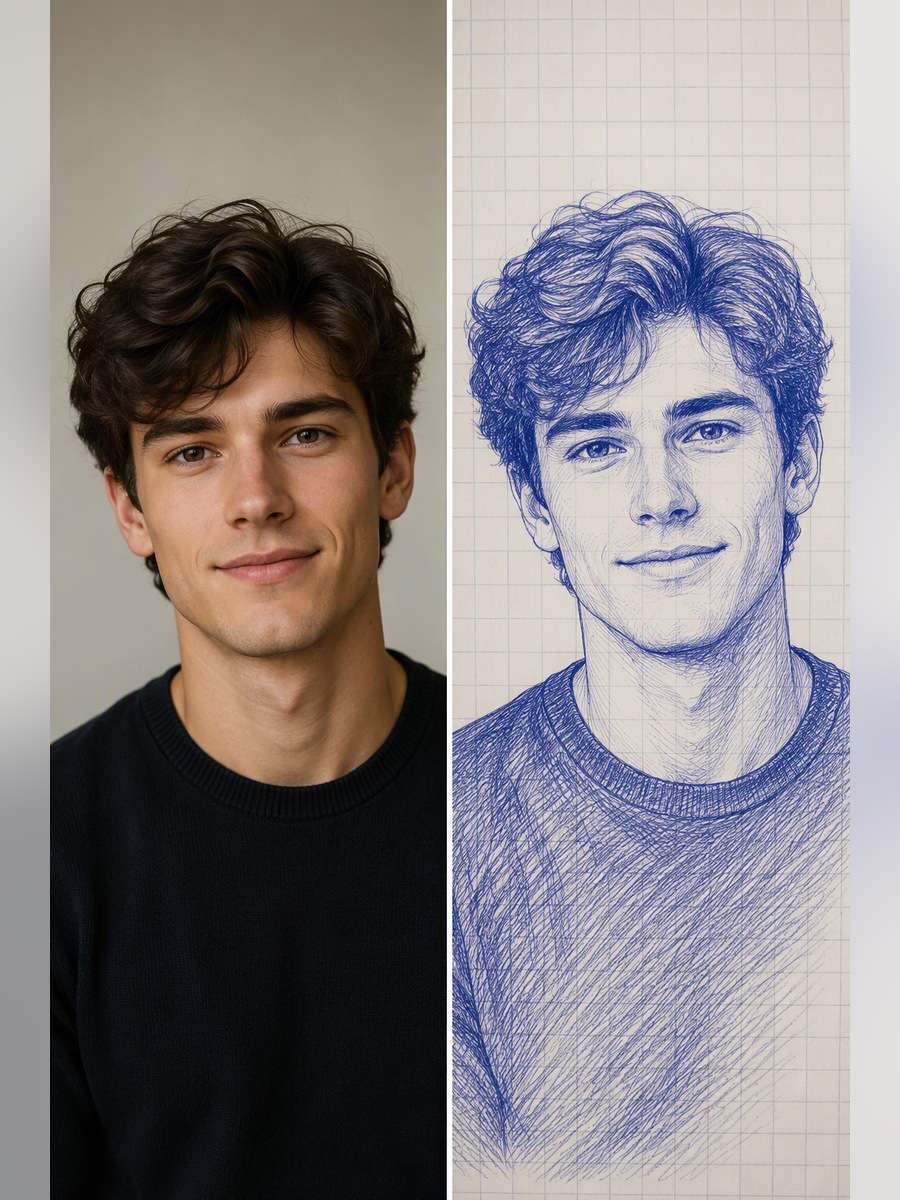
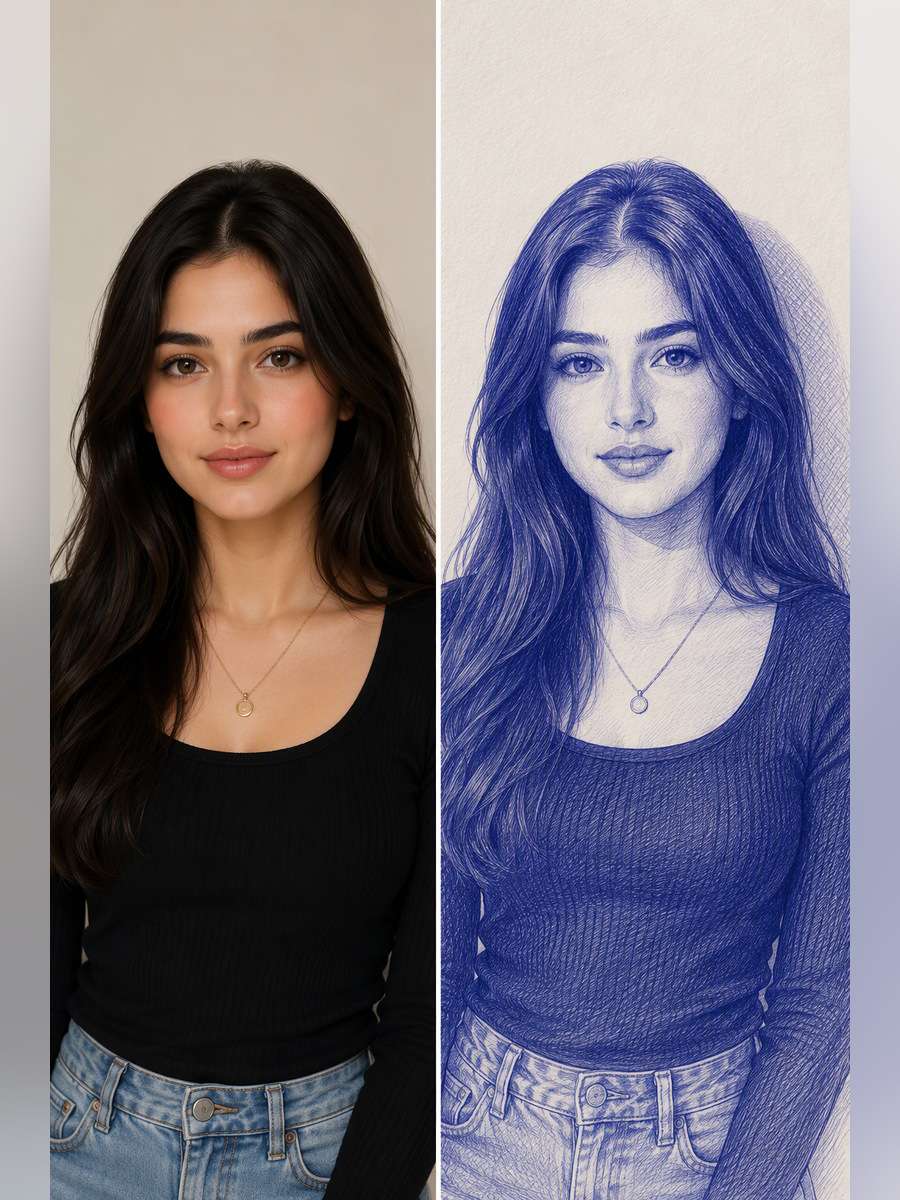
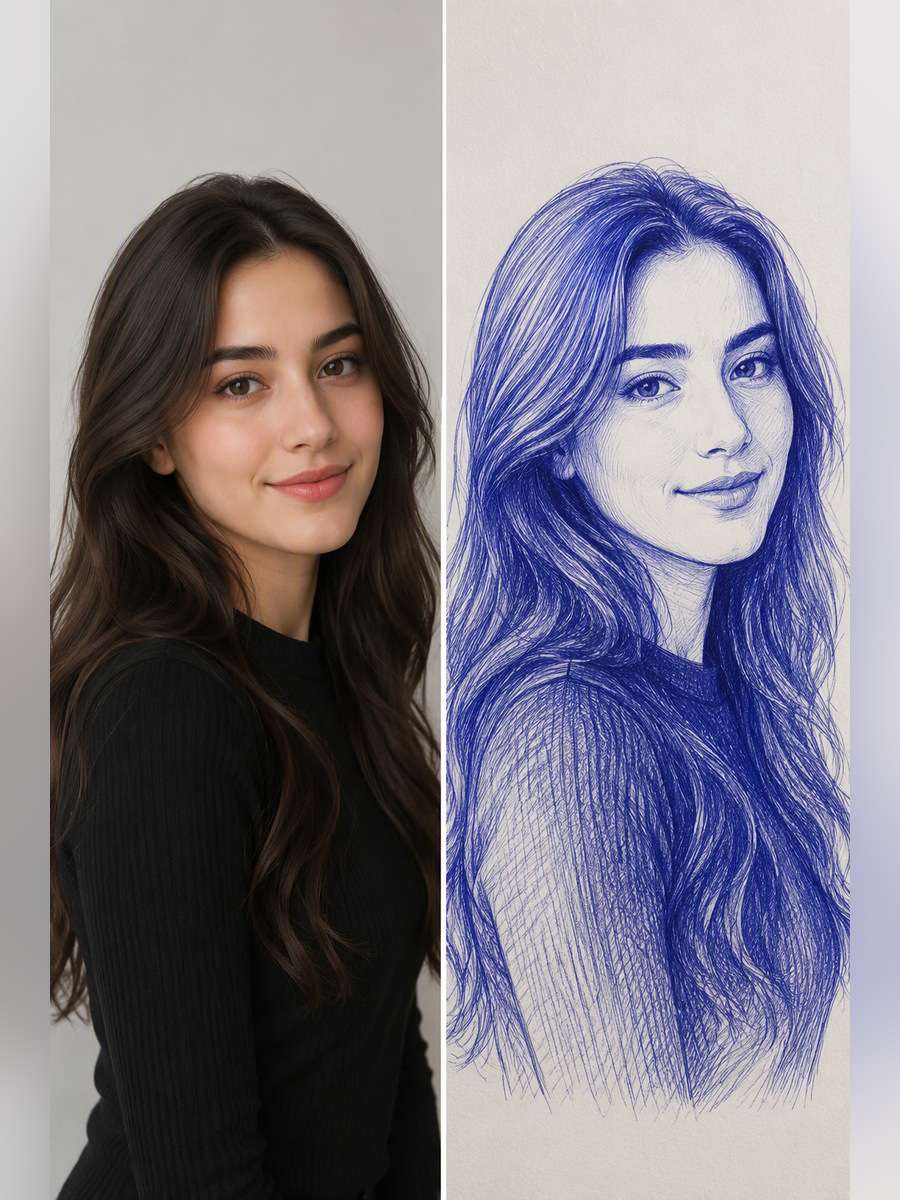
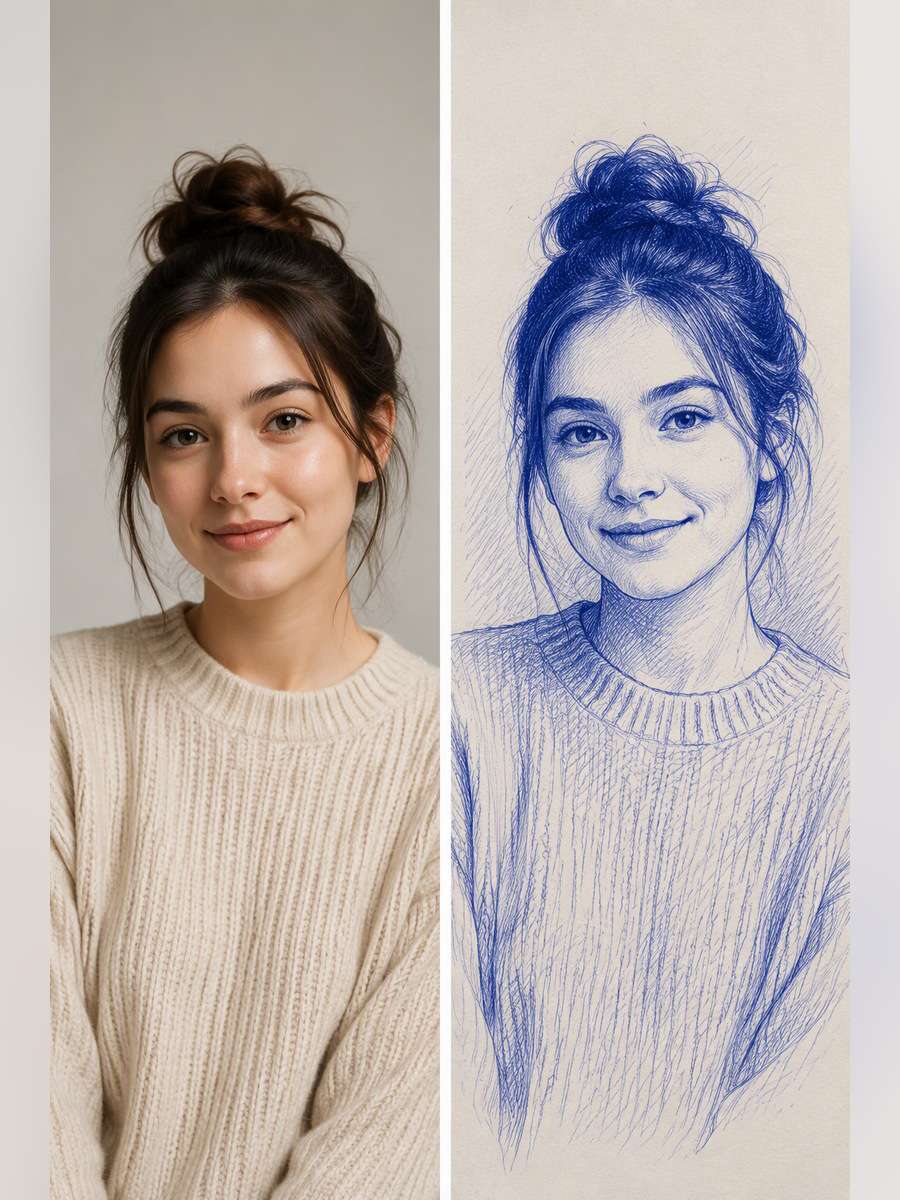
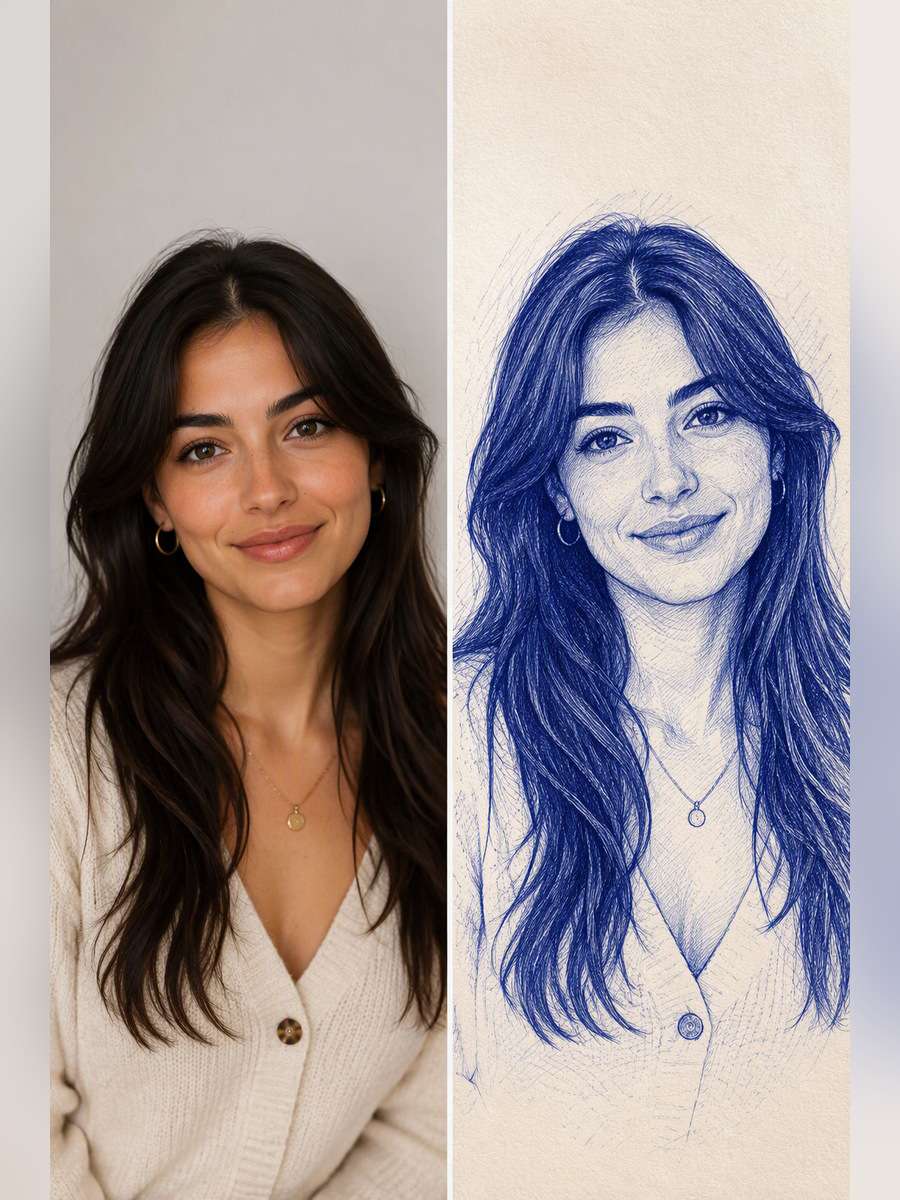
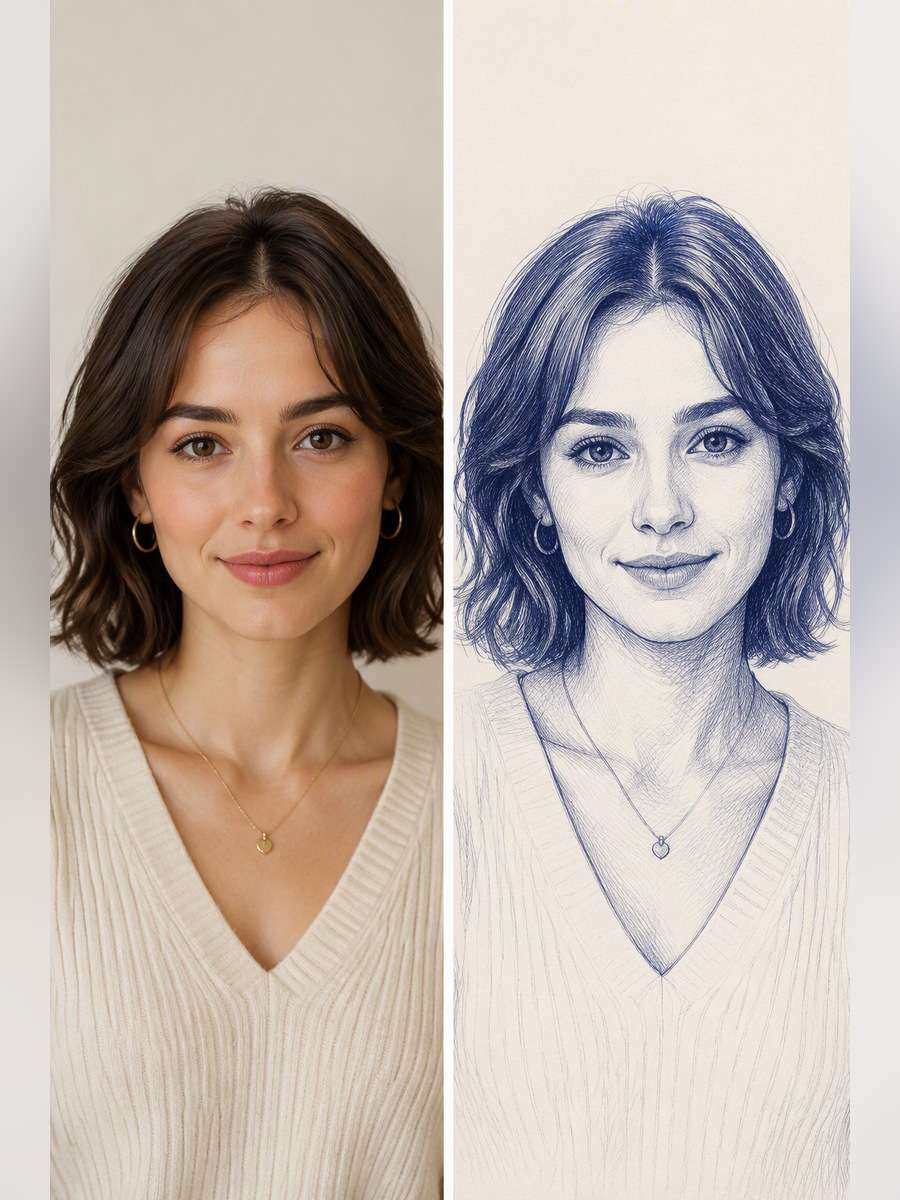
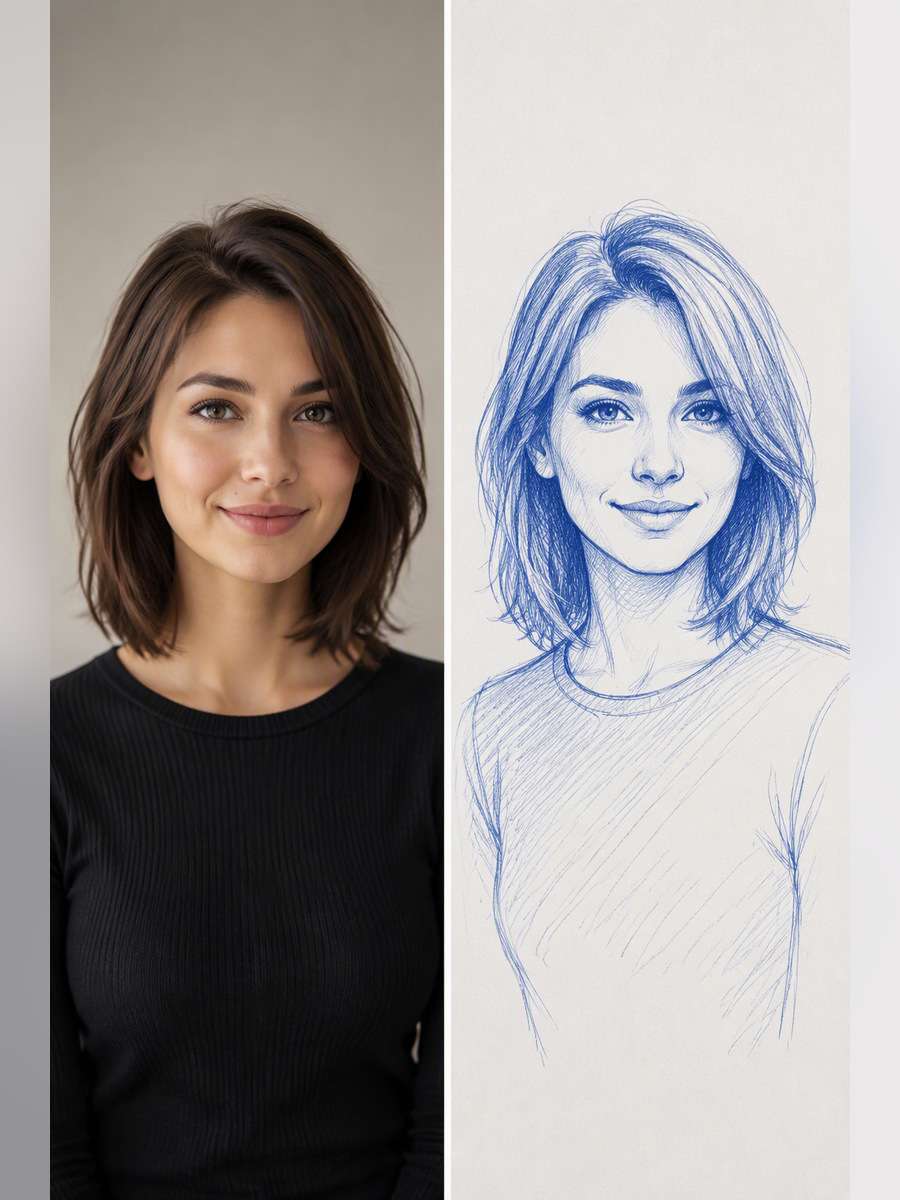
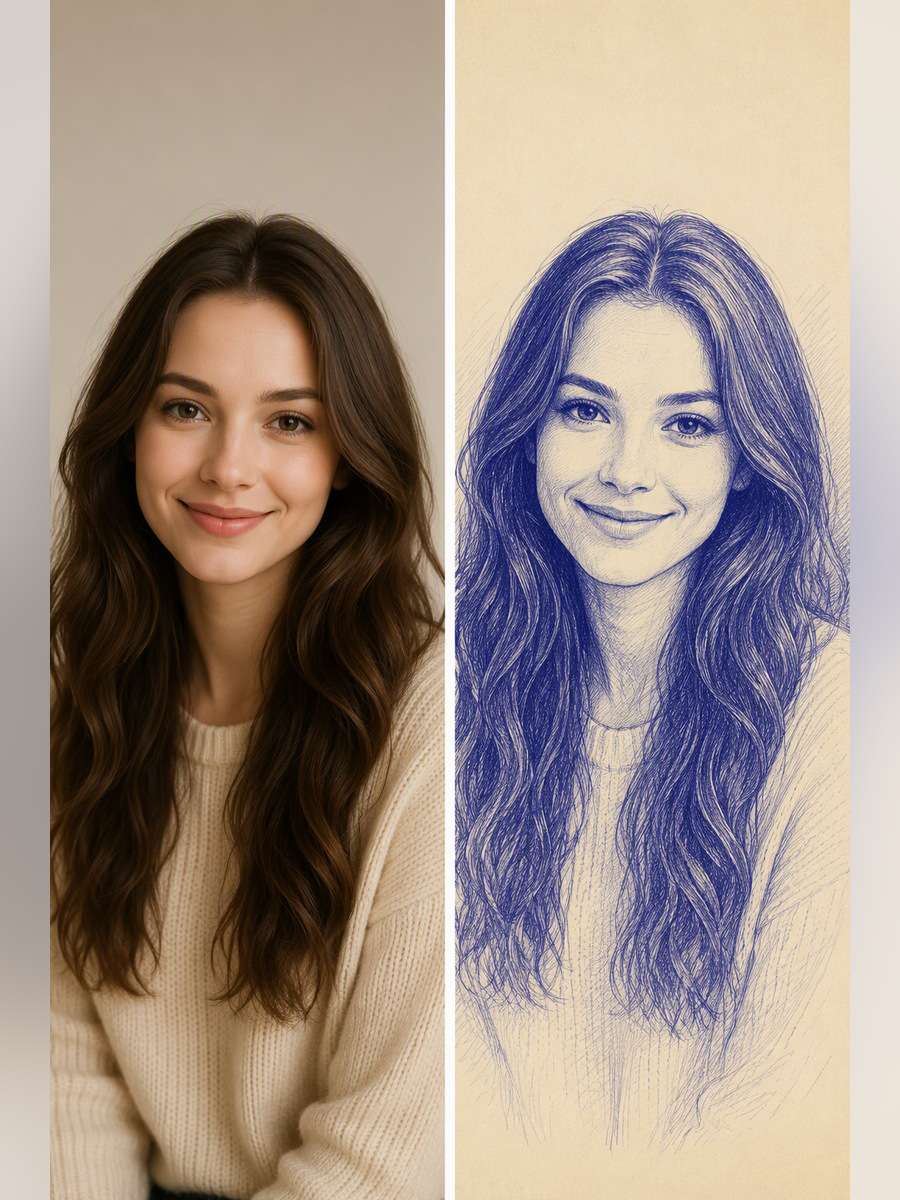
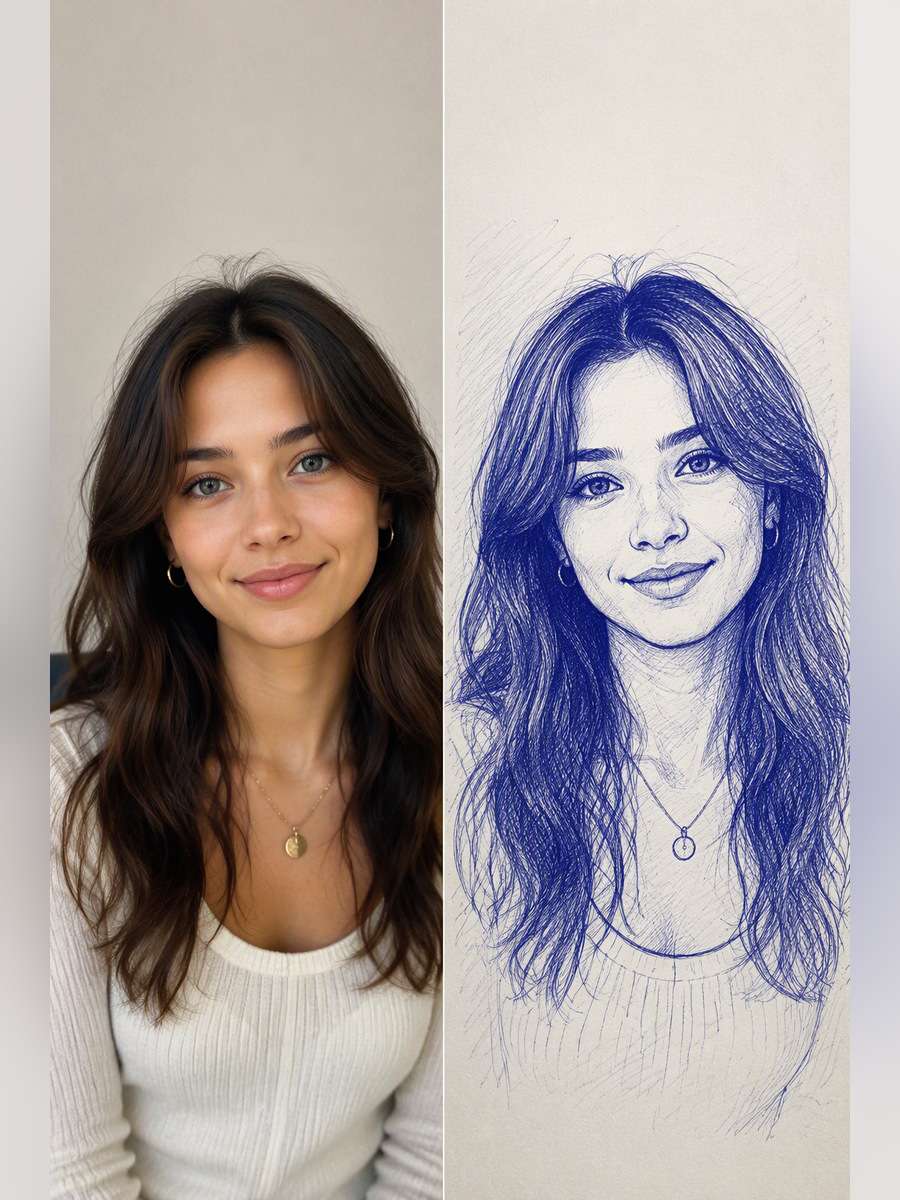
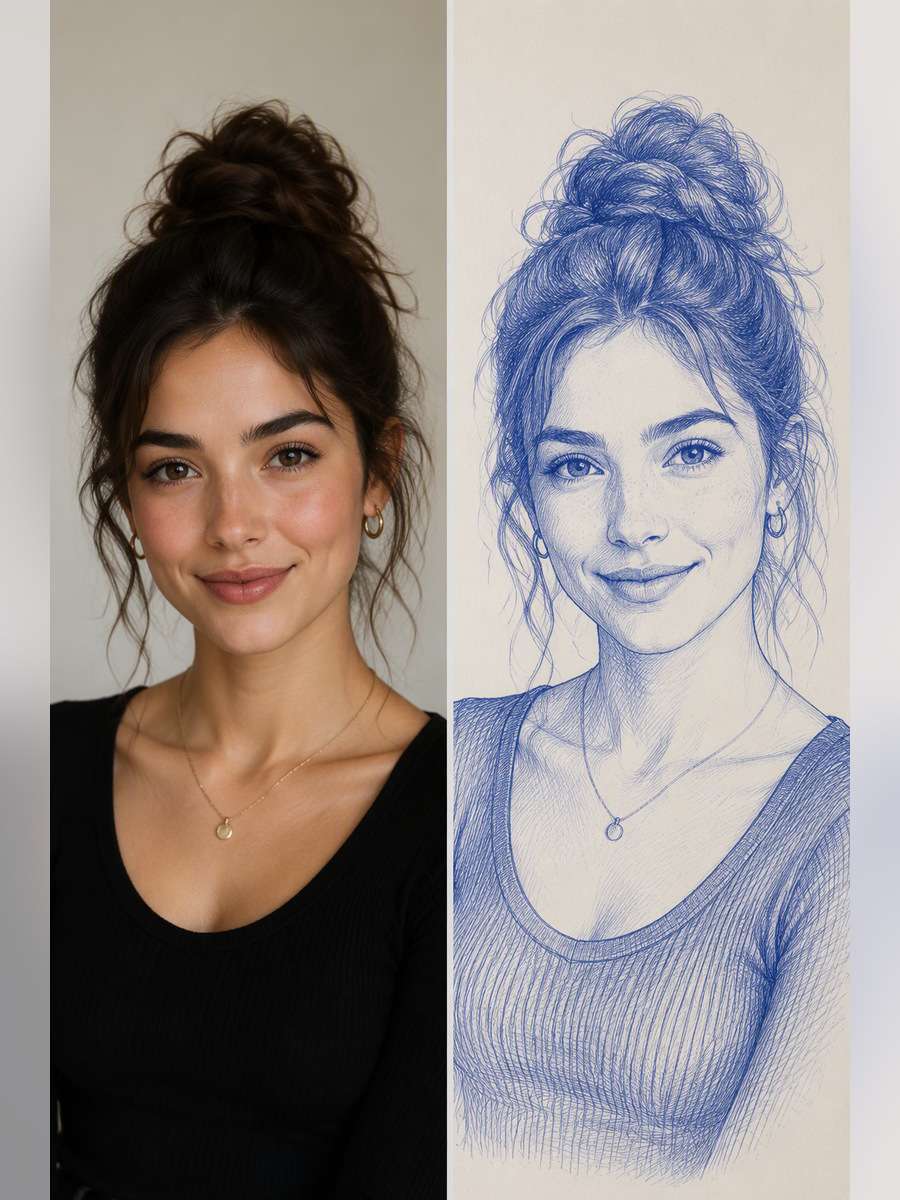
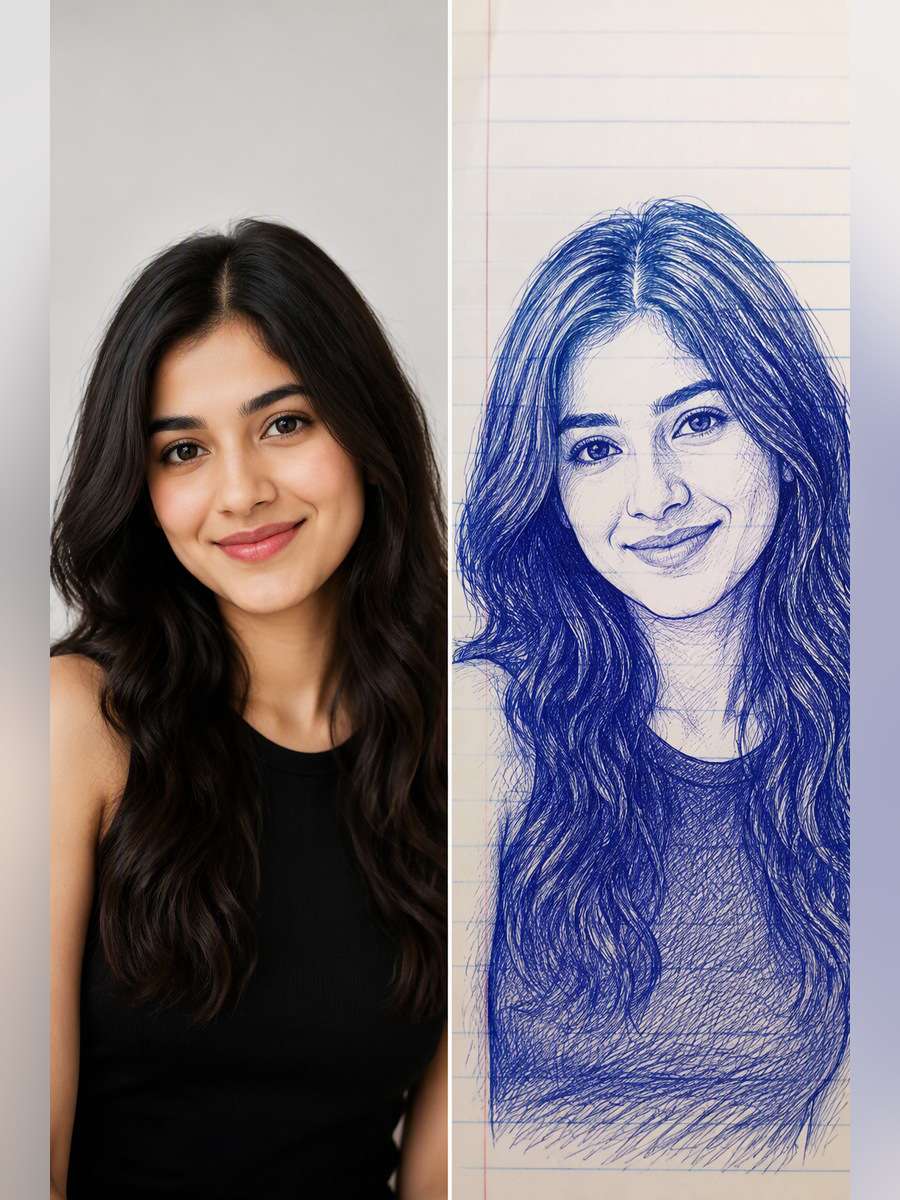
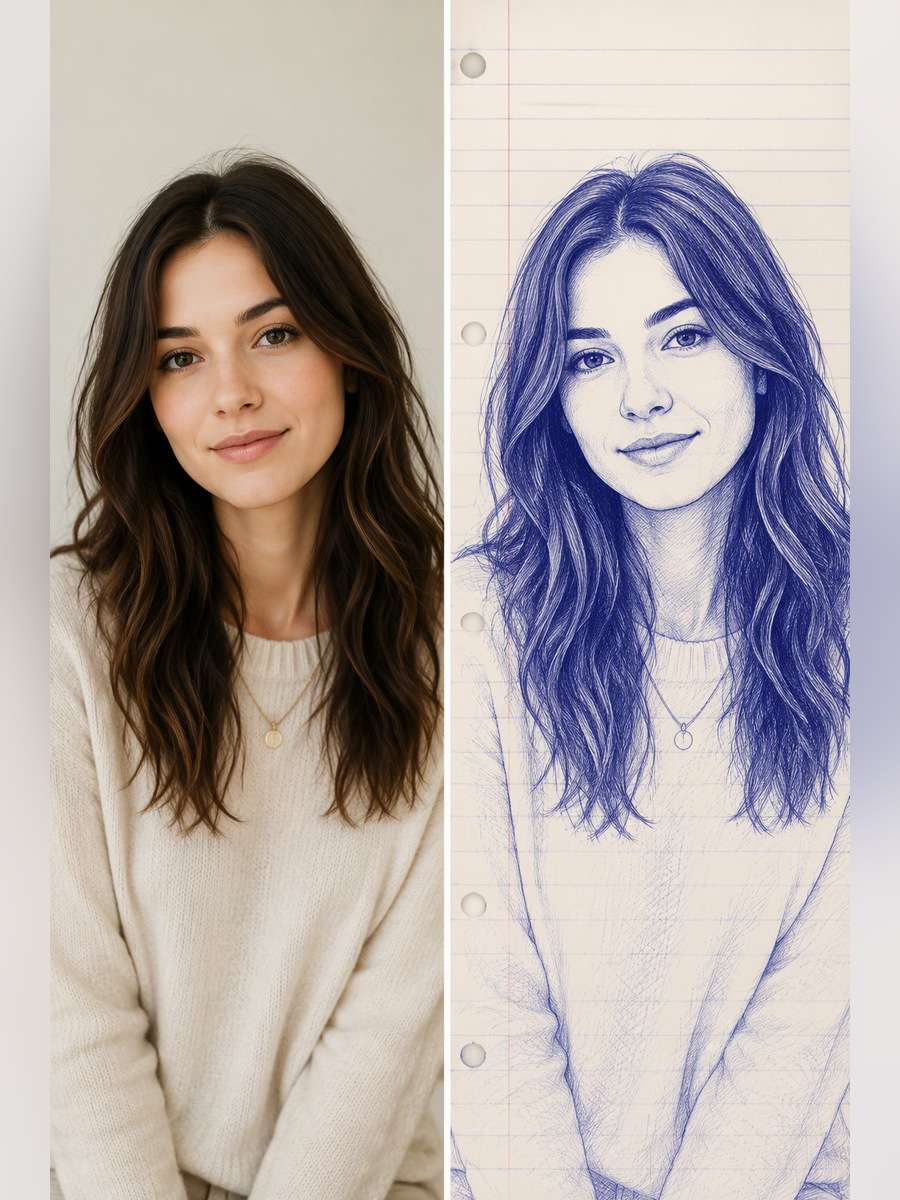
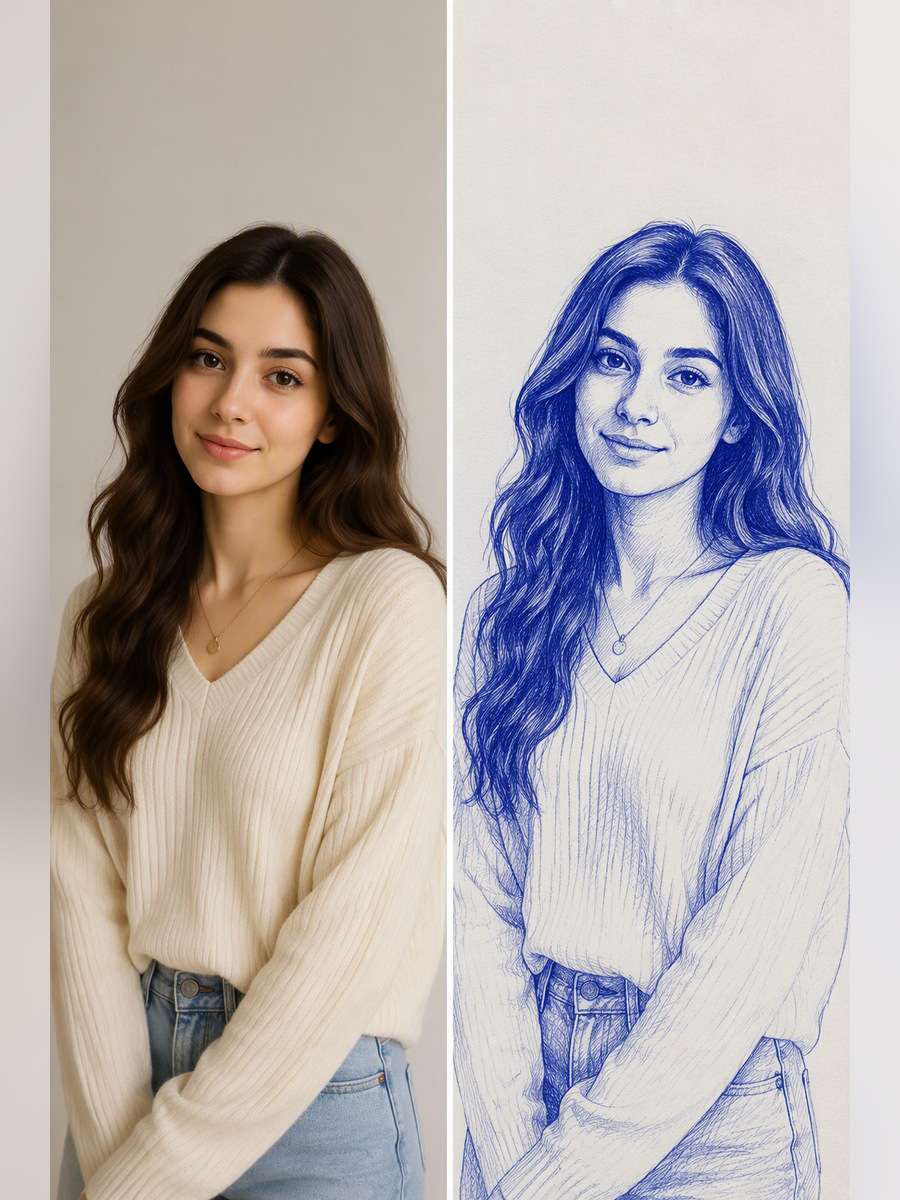
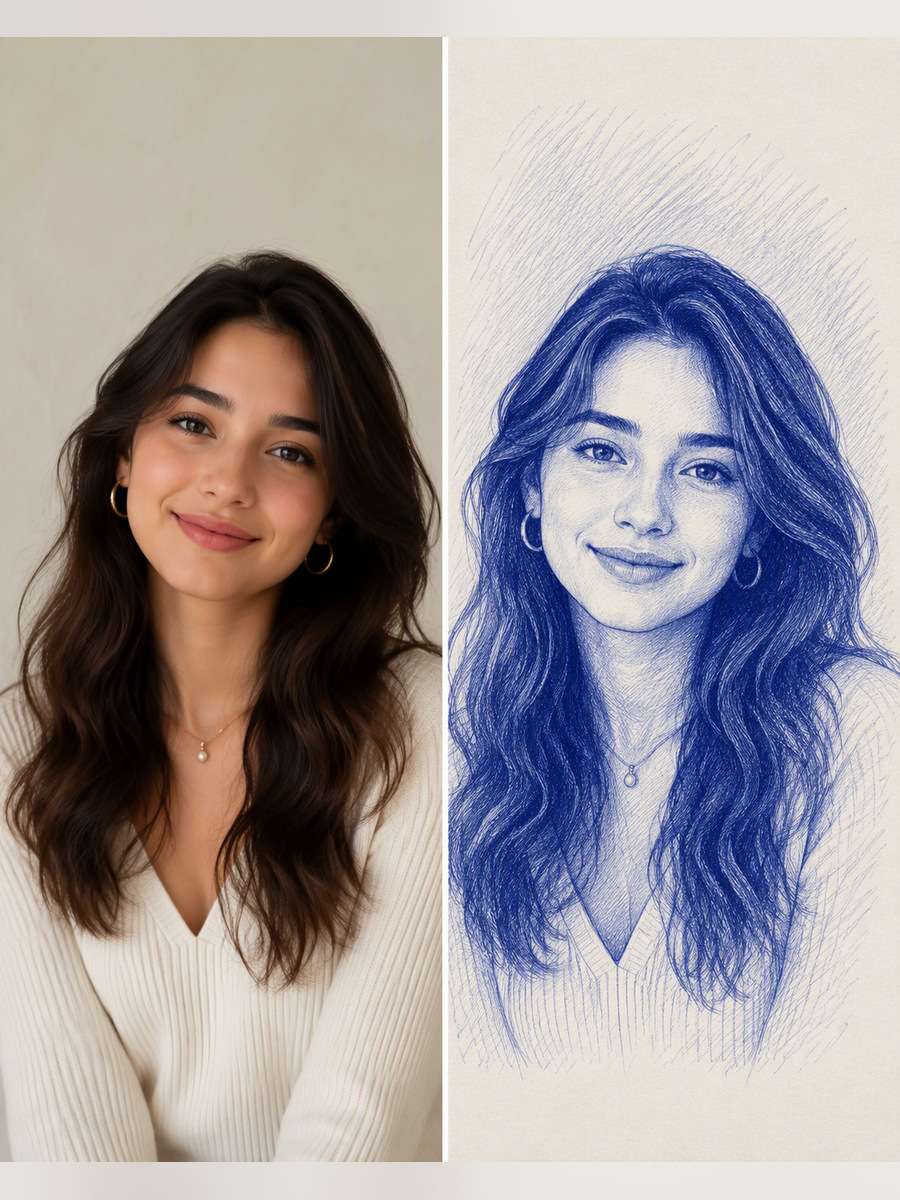
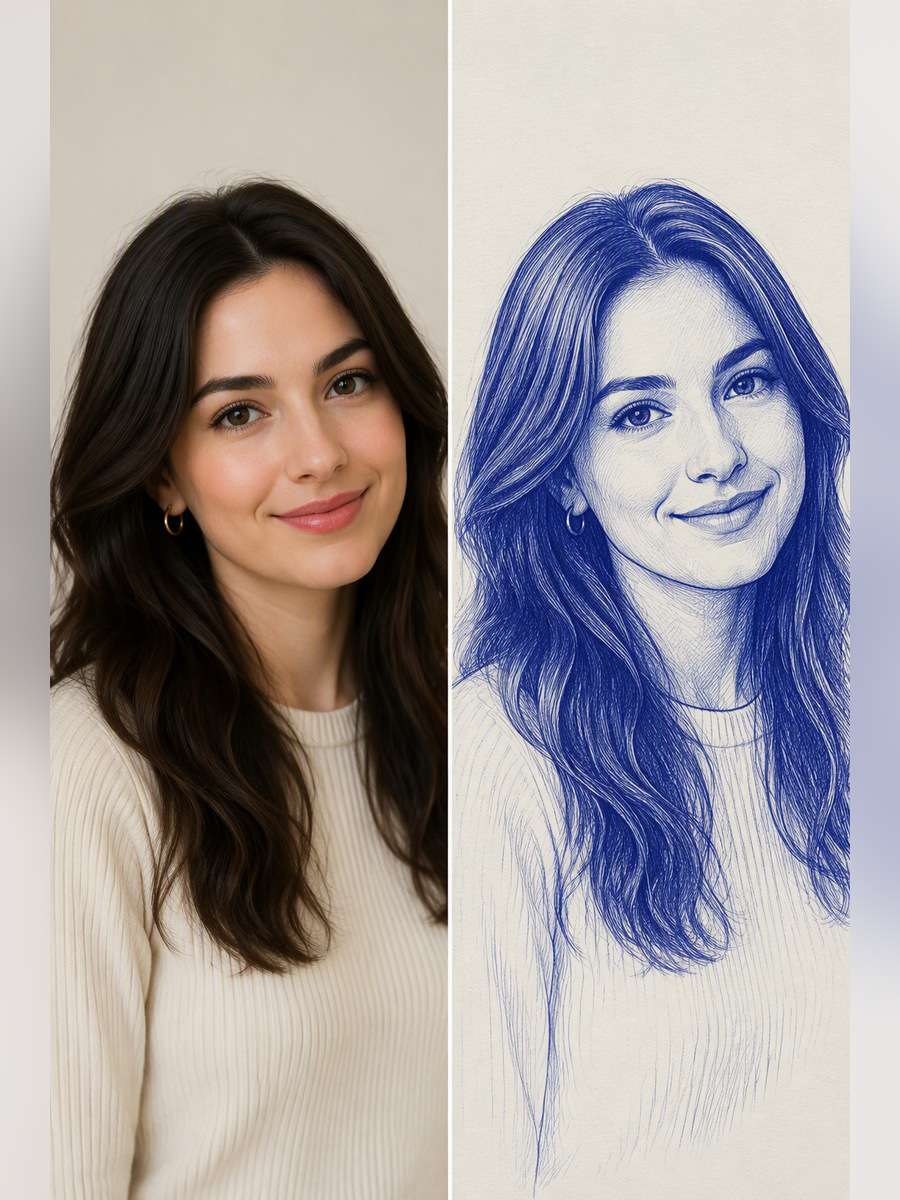
Choose a portrait with a clear face and clean silhouette so the drawing style can stay recognizable even after the image becomes line-based.
A clear face gives the drawing enough structure for line work around eyes, hair and jawline.
Use prompts for notebook doodles, clean portrait studies, loose sketchbook pages or more detailed crosshatching.
Check that the final sketch still looks like the original person and that the blue-ink lines remain legible and elegant.
Turn the uploaded portrait into a blue ballpoint pen drawing on white notebook paper with neat line work and light shadow hatching. Keep the person recognizable and the sketch handmade, not digitally over-smoothed.
Create a detailed blue-ink portrait study with visible crosshatching around the cheeks, hair and neck. Preserve the original face and make the pen strokes believable and expressive.
Restyle the photo as a looser blue ballpoint doodle on a journal page, with casual line confidence and slight imperfections. Keep the facial likeness intact.
Generate a side-profile portrait rendered entirely in blue ballpoint pen, with subtle shading and clean outlines. Maintain the identity of the source portrait while embracing a hand-drawn illustration feel.
Create a sketchbook-style page showing a blue-ink portrait with light paper texture and tidy hand-drawn lines. The person should remain recognizable, and the image should feel like an artist's study page.
Turn the image into a simpler blue ballpoint portrait using economical lines and just enough hatching for form. Keep the result elegant, readable and true to the original face.
Generate a close-up portrait in blue pen with careful eye detail, visible line direction and subtle paper grain. Avoid looking like a flat digital filter.
Create a blue-ink portrait on paper with a slightly scribbled border and sketchbook energy. Keep the drawing clean and the subject clearly identifiable.
Restyle the photo into a notebook-study portrait with blue pen lines, margin spacing and a calm observational style. Keep the mood studious and handmade.
Make the same person into a blue ballpoint portrait emphasizing layered pen strokes in the hair and clean facial structure. Preserve the original expression and proportions.
Generate a blue pen portrait drawn on subtle grid paper with natural hatching and visible line variation. Keep the style sketchy but polished.
Create a blue ballpoint portrait where the form is built through delicate pen shading and a soft cast shadow on paper. Maintain a refined artistic feel.
Turn the photo into a blue-ink three-quarter portrait sketch with realistic line placement and moderate detail. Keep the likeness strong.
Style the image like an art-class ballpoint study pinned on paper, with visible pen motion and observational accuracy. Preserve the source subject's features.
Create a blue-ink portrait that feels at home in a journal or scrapbook, with light paper texture and tidy composition. Keep the face recognizable and expressive.
Generate a pen portrait where the eyes, brows and lashes are defined with fine hatching and blue-ink detail. Keep the drawing believable as a hand-rendered piece.
Restyle the subject into a blue ballpoint sketch that includes simplified shoulder lines and upper-body indication. Maintain the same person while keeping the drawing airy.
Create a portrait drawn in blue pen on slightly cream paper, with subtle vintage warmth and hand-drawn texture. Preserve the subject's likeness.
Generate a sketchbook headshot with slightly expressive blue pen lines, balancing realism and artistic looseness. Keep the portrait flattering and readable.
Turn the source portrait into a finer-line blue ballpoint illustration with clean contour work and minimal clutter. Avoid thick comic-book outlines.
Make the image look like a carefully made blue pen portrait in a student notebook, with honest line work and soft paper background. Keep the style charming and believable.
Create a blue-ink portrait on a note-page style background, suggesting a personal sketchbook without adding readable text. Preserve the same face.
Generate a half-body blue ballpoint sketch with upper torso visible and careful pen rendering around clothing folds. Keep anatomy clean and proportions natural.
Restyle the subject as a thoughtful blue pen portrait suitable for a handmade gift or keepsake. Use elegant hatching and a balanced composition.
Create a polished blue ballpoint drawing that uses varied line weight, controlled outlines and subtle shading for a realistic handmade portrait. Keep the person clearly identifiable.
A good chatgpt blue pen sketch prompt goes beyond "turn this into a drawing" and describes the pen, the paper and the line behavior.
This style sits between realistic illustration and casual sketchbook charm, so it fits both creative and personal uses.

A blue-ink sketch gives profile photos a crafted, artsy look without needing full painterly transformation.

The notebook-paper aesthetic pairs naturally with journaling and personal memory projects.

Hand-drawn style portraits feel thoughtful for birthdays, notes or personal keepsakes.

Sketch aesthetics are widely shared because they feel personal, tactile and visually distinctive.


Ballpoint prompts emphasize ink lines, crosshatching and paper texture instead of smudged graphite shading.
Yes. Ask the model to preserve the same facial proportions, expression and hair shape while changing only the rendering style.
Either works. Notebook and grid paper create stronger "journal" or "study" vibes, while plain paper feels more polished.
No. They can also work for half-body sketches, though the face usually remains the focal point.
Mention visible pen strokes, line variation, slight imperfections and paper texture to reinforce the hand-drawn effect.


