Home>Comparison>VideoGen

VideoGen AI Video Agent Review

VideoGen is built around an AI video agent that tries to take a brief and produce marketing, training, or explainer drafts, often with avatars and reusable templates. It is most relevant when a team wants the software to plan scenes instead of operating one generator at a time. Media.io AI Script to Video is the lighter path when the brief is already written, and AI Talking Avatar covers presenter-style clips from a portrait.

Core Features of VideoGen

VideoGen is an AI video generator and agent platform for creating marketing videos, explainers, training content, presentations, and avatar-led clips at scale. It is especially relevant to teams that want a brief-to-draft workflow rather than a blank editor.

Core Feature Overview

  • AI Video Agent: Runs a brief-to-draft video workflow that plans scenes and assets instead of asking users to operate one generator at a time.
  • Text-to-Video: Generates short videos from prompts, scene descriptions, or written ideas for concept tests, explainers, and social hooks.
  • Talking Photo and Avatar: Creates presenter, talking-photo, face-swap, or lip-sync clips for explainers, localized messages, training videos, and portrait-led social posts.
  • Training and Explainer Videos: Turns lessons, training points, and explainer outlines into structured videos for classrooms, onboarding, and internal enablement.

AI Video Agent in VideoGen

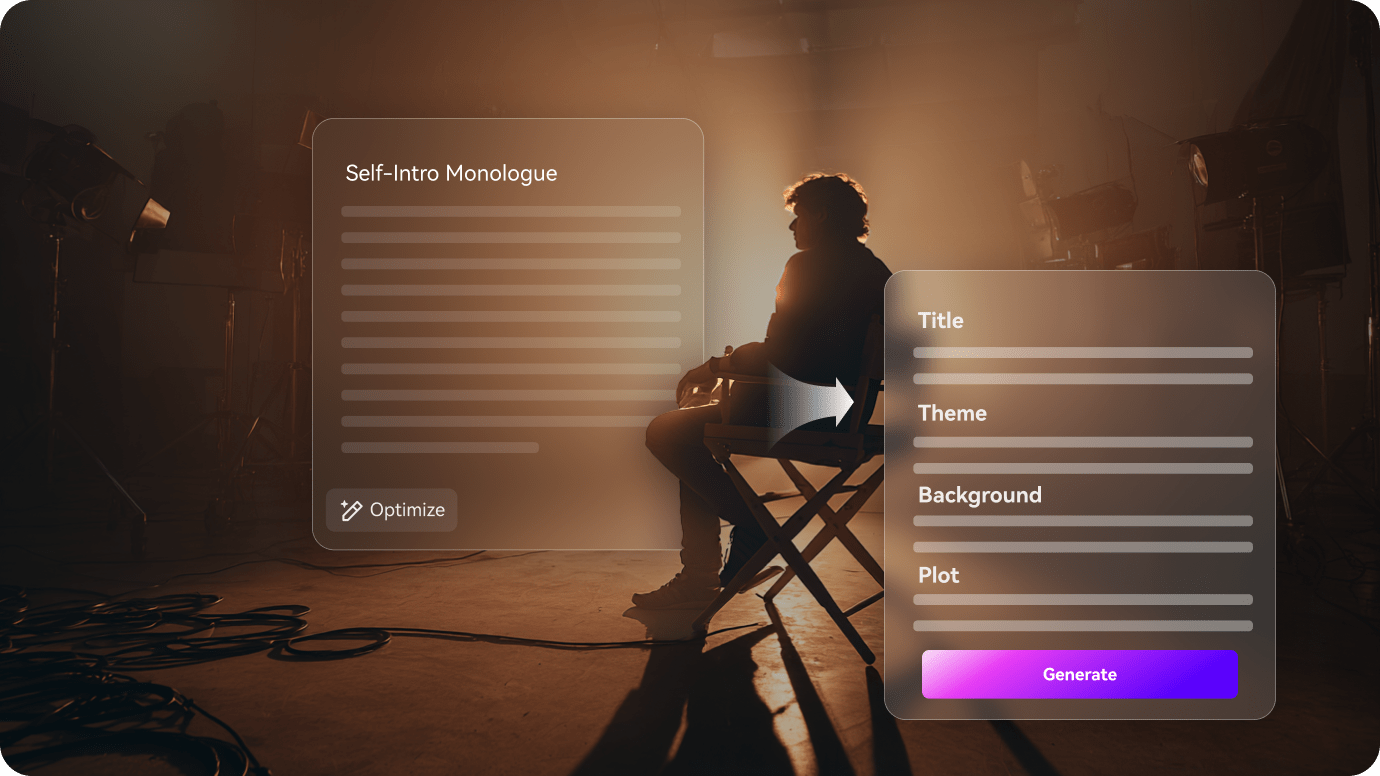
VideoGen's AI Video Agent takes a brief and tries to plan the video: scenes, assets, pacing, and a draft, instead of asking the user to run one generator at a time. It fits marketing, training, and explainer teams that want a production shortcut from a written goal rather than a blank timeline. Evaluate how much of the plan you can edit, how the agent handles brand assets, and whether the draft is a usable story or only a rough clip. Media.io AI Story Video Maker also provides the basic agent mode which allows you to paste your scripts, and then wait until the story video finishes in one click. It is a lighter VideoGen alternatives when the brief already contains the story, scenes, or narration and the user wants a structured draft instead of an autonomous production agent.

VideoGen AI Video Agent

Text-to-Video in VideoGen

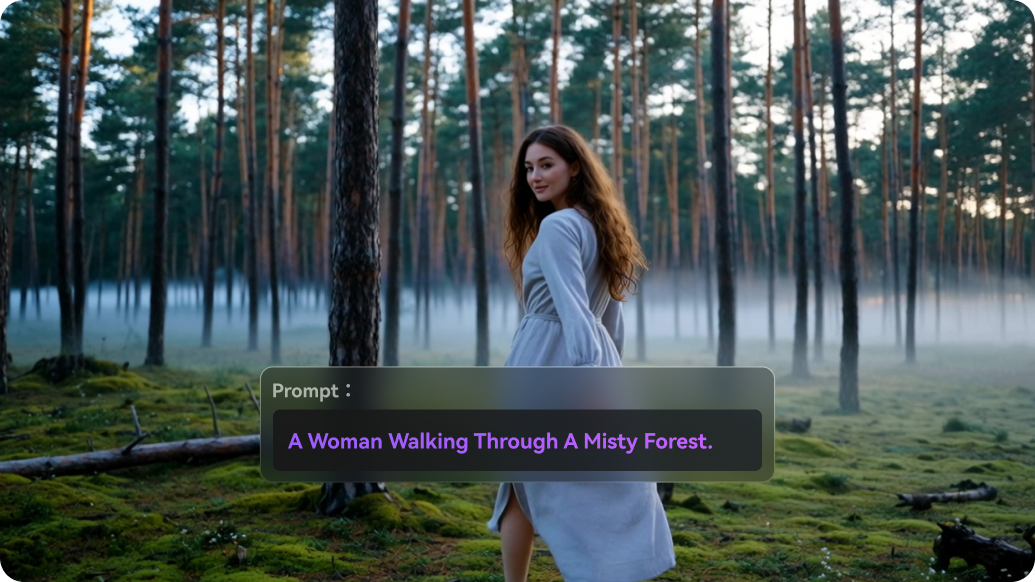
VideoGen's Text-to-Video starts from a written prompt and generates a short visual clip or scene direction. For text-to-video, creators describe the scene, subject, style, or message they want before choosing whether the draft deserves a fuller edit. The useful controls are prompt detail, subject consistency, camera motion, style, duration, and how directly the text-to-video output answers the brief. If you only need a first motion test from text, Media.io AI Text to Video is the Media.io comparison before any storyboard work.

VideoGen Text-to-Video

Talking Photo and Avatar in VideoGen

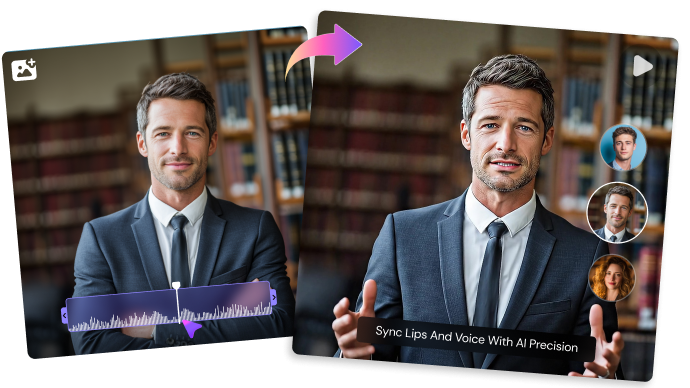
VideoGen's Talking Photo and Avatar creates presenter-style videos from a portrait, avatar, scripted message, or recorded voice. It fits sales intros, onboarding videos, training lessons, support explainers, and short social messages where a visible speaker improves clarity. The output should be evaluated by expression control, voice fit, language support, and whether the presenter style matches the brand. Media.io AI Talking Avatar covers the lighter presenter workflow: start from a portrait or avatar asset and turn it into a talking video.

VideoGen Talking Photo and Avatar

Training and Explainer Videos in VideoGen

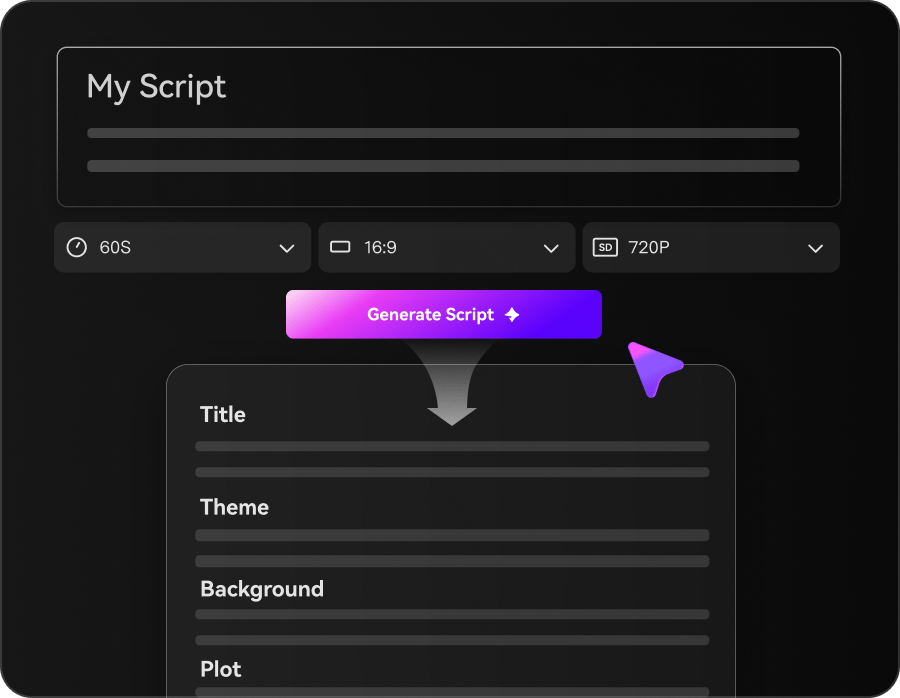
VideoGen's Training and Explainer Videos turns lessons, training points, and explainer outlines into structured videos for classrooms, onboarding, and internal enablement. The source is usually a curriculum, talking points, or a process, not a cinematic prompt, so clarity beats visual spectacle. Look at scene order, caption readability, voiceover fit, and whether a learner could follow the takeaway without extra slides. Use AI Video Generators when the training message is already written and the video just needs a watchable scene plan.

VideoGen Training and Explainer Videos

How to Use Media.io AI Script to Video

1
2
3
1
Step 1: Open Media.io Script to Video

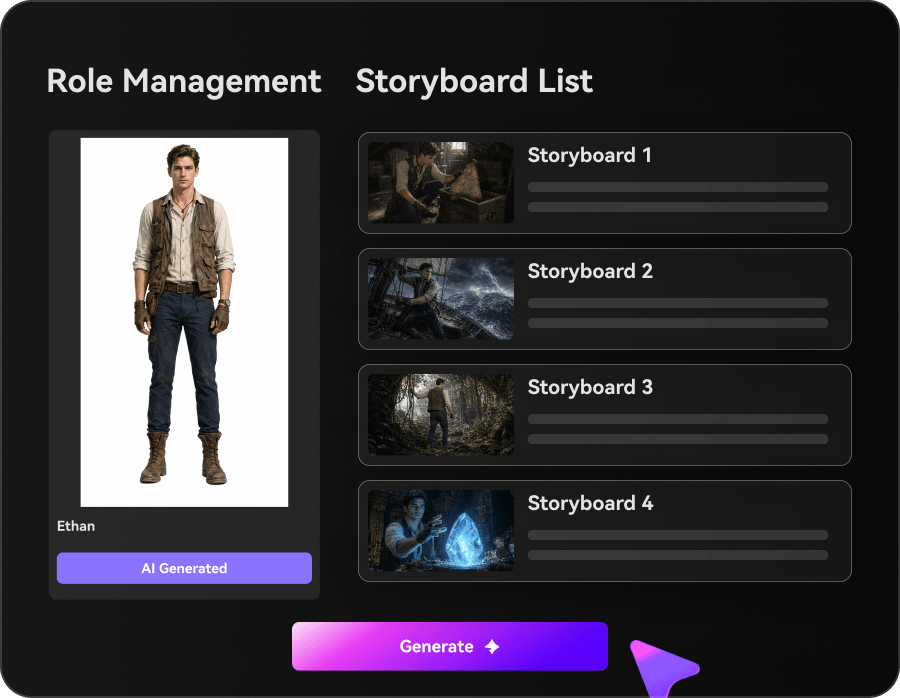
Launch Media.io AI Script to Video and paste the script, lesson outline, or story beats you already wrote.

2
Step 2: Set Characters and Scene Order

Name the people or roles that must stay consistent and keep the original takeaway in the scene list.

3
Step 3: Generate the Draft and Check Continuity

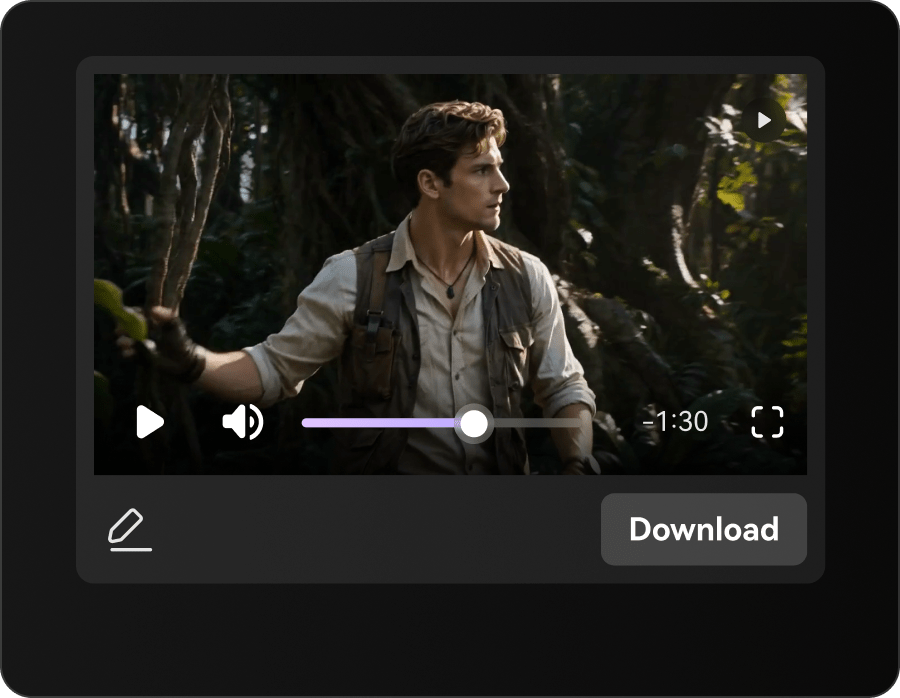
Preview the story video, fix scenes that break character or message, and export only after the outline still makes sense.

step1 visit media.io
step2 add script and characters
step3 generate story video

Real-World Use Cases: Where VideoGen Fits

These are the jobs where VideoGen is a reasonable first tool for agent-led AI video creation for marketing, ecommerce, training, explainers, avatars, and presentations. Each case maps to a real VideoGen capability, so you can judge the product on work you already have.

Go from Brief to a First Production Draft

Marketing and training teams can use VideoGen when they want a planned draft from a written goal instead of running one generator at a time. Check how much of the plan you can still edit before you trust it.

Turn a Short Prompt into a Clip Test

VideoGen fits creators who want a first motion draft from a sentence or scene note. The useful check is whether the prompt became a watchable hook, not whether the tool can replace a full storyboard.

Turn a Portrait into a Talking Message

Sales, support, and training teams can use VideoGen for talking-photo or avatar clips when a visible speaker helps, but nobody is available to film. Review mouth movement, voice fit, and whether the person still looks like the source.


Where VideoGen Falls Short

These are the gaps that show up when you use VideoGen for agent-led AI video creation for marketing, ecommerce, training, explainers, avatars, and presentations.

A Draft Clip Is Not a Finished Video

VideoGen can get you to a first motion pass, but scene logic, captions, and whether the original brief survived still need a human pass.

Continuity Is the Hard Part

Script and story tools in VideoGen are only as good as character consistency, scene order, and whether the original message survives. A pretty first shot does not prove the full narrative works.

Presenter Clips Need Consent and Likeness Checks

Talking photos and avatars from VideoGen should not go into ads or client work until the source face and voice are cleared to use.

VideoGen vs Media.io: Which One Fits Your Workflow?

This table compares VideoGen with Media.io by real workflow decisions instead of forcing a generic feature checklist. For this topic, Media.io is most relevant around AI Script to Video, AI Talking Avatar, AI Ad Generator, and AI Text to Video, with light editing or export only as supporting steps when the generated asset needs them.

Workflow Need VideoGen Media.io
Primary WorkflowVideoGen is strongest when the brief matches agent-led AI video platform for marketing, ecommerce, training, explainers, avatars, and presentations.Media.io is stronger when the project needs lightweight script-to-video, talking-avatar, text-to-video, and image-to-video generation.
Text-to-VideoUseful when the product supports prompt-led generation and model selection for short clips.Strong Fit best fit
Useful for creators who want lightweight prompt-to-video generation for story, social, product, or campaign scenes.
Image-to-VideoUseful when motion effects, camera movement, or reference-image animation are central.Strong Fit best fit
Useful when users want to animate a source image into a short scenario-based video rather than open a complex editing workflow.
Avatar or Presenter VideoStrong Fit best fit
A better fit when avatar, translation, lip-sync, or presenter workflows are the main reason to buy.
A better fit when avatar output is only one asset inside a wider video workflow.
Light Polish After GenerationMay require additional tools for captions, enhancement, resizing, conversion, or final formatting.Strong Fit best fit
Covers practical polish after generation, but is best framed as lightweight support rather than a heavy editing suite.
Ease for BeginnersCan be effective but may require learning credits, models, settings, or product-specific controls.Strong Fit best fit
Designed for creators who want a simpler path from idea to a usable generated asset.
Best for Core Workflow

Choose VideoGen When You Need:

VideoGen is better suited when the main objective is agent-led AI video platform for marketing, ecommerce, training, explainers, avatars, and presentations.

  • A project centered on agent-led AI video platform for marketing, ecommerce, training, explainers, avatars, and presentations
  • Direct experimentation with the product's own modes, effects, editor, or presentation style
  • A workflow where the competitor's interface, templates, team features, or API are already preferred
  • Fast first drafts where downstream enhancement, cleanup, and format conversion are secondary
  • A focused evaluation of the competitor's core creation path before adding extra finishing tools
Explore VideoGen Review
Best for Scenario Generation

Choose Media.io When You Need:

Media.io is better suited when the brief needs lightweight script-to-video, talking-avatar, text-to-video, and image-to-video generation, especially for lightweight content generation rather than complex editing.

  • AI Script to Video: turns scripts or story ideas into structured AI story videos with character setup and storyboard planning
  • AI Talking Avatar: creates talking avatar or presenter-style videos from portraits or avatar assets
  • AI Ad Generator: creates ad-oriented video concepts and campaign drafts from product or marketing inputs
  • AI Text to Video: creates AI videos from written prompts and can continue into editing and export
  • AI Image to Video: animates source images into video clips with prompt-led motion and browser-based preview
Create Story Video

Final Verdict

Our Take

VideoGen can be a strong choice when the brief depends on agent-led AI video creation for marketing, ecommerce, training, explainers, avatars, and presentations. Its value should be judged by the exact asset the user needs, the quality of the source material, and the amount of review required before publishing.

The main tradeoff is workflow fit. VideoGen may be useful for its specialized creation task, but teams often still need a clearer way to create scenario-based video, image, audio, music, or character assets without moving into a heavy editing workflow. Media.io is a better fit when the project aligns with AI Script to Video, AI Talking Avatar, AI Ad Generator, and AI Text to Video and needs light polish such as cleanup, captions, resizing, conversion, or export after generation.

Bottom line: Choose VideoGen when its specialized workflow is the center of the brief. Choose Media.io when the project needs lightweight, scenario-based AI media generation with practical support tools around it.

VideoGen FAQ

What is VideoGen best used for?
faqfaq

VideoGen is best used when the job matches agent-led AI video creation for marketing, ecommerce, training, explainers, avatars, and presentations. If your brief needs a different input or output, compare a same-type Media.io tool instead of stretching VideoGen.

Consider VideoGen if you already know you need ai video agent and can judge the result on a real asset, not a demo. Skip it if you actually need a different kind of workflow.

VideoGen's AI Video Agent is one of the main reasons to open the product. Test it with the same source you would use in production, then decide whether the output is clear enough to publish or only a draft.

Text-to-Video is a separate job from AI Video Agent. Use it when that is the bottleneck, not as proof that VideoGen also covers every nearby tool.

Choose VideoGen when its specialized workflow around ai video agent is the center of the brief and you specifically want that product's modes, templates, or interface.

Choose Media.io when a script, lesson, or outline should become a structured story draft, or when you only need a reusable character asset rather than VideoGen's full story system.

No. VideoGen is strongest at agent-led AI video creation for marketing, ecommerce, training, explainers, avatars, and presentations. Captions, finishing, or a different input may still sit in another tool.

Judge Talking Photo and Avatar by scene order, character consistency, and whether the original takeaway survives. One strong frame is not enough.

Media.io is a practical alternative when AI Script to Video or AI Character Generator covers the scene plan or role asset you actually need.

What Creators Say About Media.io Story Videos

Media.io user
Maya R.

Story Producer

starstarstarstarstar

I use VideoGen when the script already exists and the scenes have to stay in order.

Character consistency and takeaway matter more than one pretty frame. Media.io AI Script to Video is the lighter comparison when I want a structured draft from the same outline.

Media.io user
Leo C.

Training Lead

starstarstarstarstar

If the lesson order breaks, the video failed.

VideoGen is useful for explainers and multi-scene stories. I compare Media.io AI Script to Video on whether the original points still make sense after generation.

Media.io user
Anika S.

Brand Filmmaker

starstarstarstarstar

A reusable character is the whole point of a story tool.

I keep VideoGen when cast continuity is the brief. Media.io AI Character Generator is the comparison if I only need a stable role asset, and Script to Video if I need the scene plan.

Media.io Online Tools Quality Rating:
vote 4.7 (162,357 Votes)
media.io

AI Video Generator star

Easily generate videos from text or images

Generate