Real-World Use Cases: Where InVideo AI Fits
InVideo AI is most useful when its strongest capabilities match a specific production job, such as prompt-to-video, script-led video drafts, stock/template videos, voiceovers, subtitles, and free-plan export checks, rather than when users expect every generation, editing, rights, and export task to be solved automatically.
Model and Style Exploration
Creators comparing AI tools can use InVideo AI to understand its visual style, prompt behavior, motion limits, and export quality before committing to a production workflow. Test with real campaign assets instead of only demo prompts so the result reflects likely production conditions.
Client and Stakeholder Previews
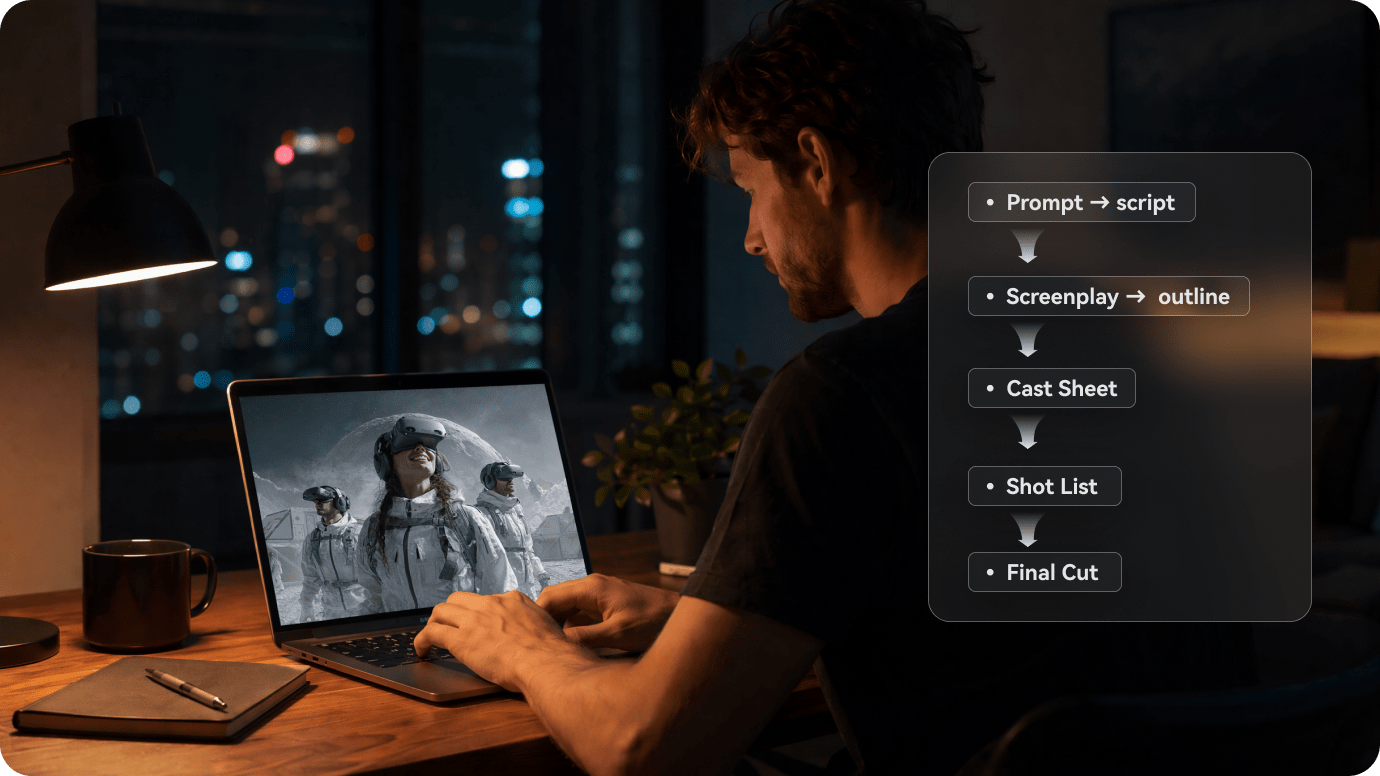
Agencies and in-house teams can use InVideo AI to create fast visual previews before a campaign direction is approved. These drafts help stakeholders react to motion, tone, and message without requiring a full shoot or polished edit.
Lightweight Content Experiments
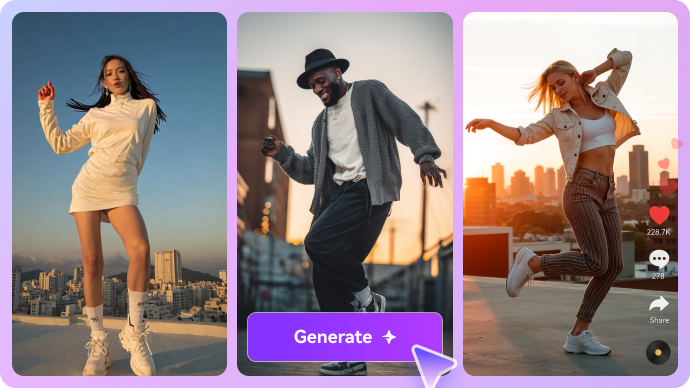
Solo creators can use InVideo AI for quick experiments around hooks, formats, characters, source images, and visual styles. The strongest outputs are the ones that can be refined with captions, sound, cleanup, and platform-ready exports.
Campaign Asset Refreshes
Marketing teams can use InVideo AI to turn an existing idea into a new visual direction for seasonal promos, product updates, or social variants. The output still needs brand review, rights checks, and delivery polish before publication.
Early Creative Direction Tests
Designers can use InVideo AI to compare several visual routes before choosing one for a final storyboard, ad concept, explainer, or creator post. The value is fast direction-setting rather than replacing editorial judgment.
Channel-Specific Drafts
Teams can use InVideo AI to prepare rough concepts for Shorts, Reels, TikTok, landing pages, or paid social. Each channel still needs its own aspect ratio, caption style, hook, and export checks.