Home>Comparison>Imagen 3

Imagen 3 AI Image Generator Review

Imagen 3 is Google DeepMind's text-to-image model for high-fidelity stills, not a video generator. It is most relevant when you care about photorealism, prompt control, and whether generated text and fine detail survive a brand review. Media.io AI Text to Image is the practical comparison when you want a browser workflow for prompt-to-still work, then optional image-to-image edits after a keeper frame exists.

Core Features of Imagen 3

Imagen 3 is Google DeepMind's text-to-image model for high-fidelity stills, prompt-led visual control, and reference-based image editing. It is especially relevant to creators and marketers who need photorealistic images, stronger text rendering, and a stills workflow rather than AI video generation.

Core Feature Overview

  • Text-to-Image: Creates still images from written prompts for thumbnails, product mockups, style frames, and campaign boards.
  • High-Fidelity Image Models: Focuses on higher-fidelity image models and cleaner detail for portraits, product shots, and campaign stills.
  • Creative Prompting: Helps users steer image results through prompt wording, style notes, and iteration instead of uploading a finished reference.
  • Image-to-Image Editing: Edits an uploaded reference image into a controlled variation while preserving the source subject, layout, or design direction.

Text-to-Image in Imagen 3

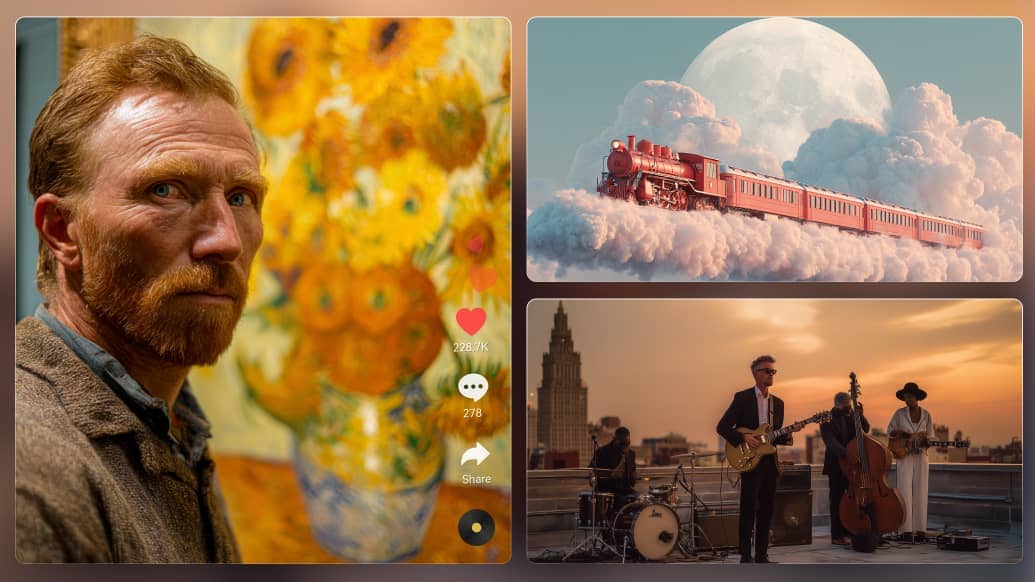
Imagen 3's Text-to-Image turns a written prompt into a still image for thumbnails, product mockups, style frames, and campaign boards. Creators describe the subject, style, lighting, and composition, then decide whether the still is clear enough to publish or animate later. This is an image workflow, not a video generator, so judge the result by subject accuracy, composition, and brand fit rather than motion quality. Use Media.io AI Text to Image to get a publishable or board-ready still from words, then decide whether that frame should be edited or animated.

Imagen 3 Text-to-Image

High-Fidelity Image Models in Imagen 3

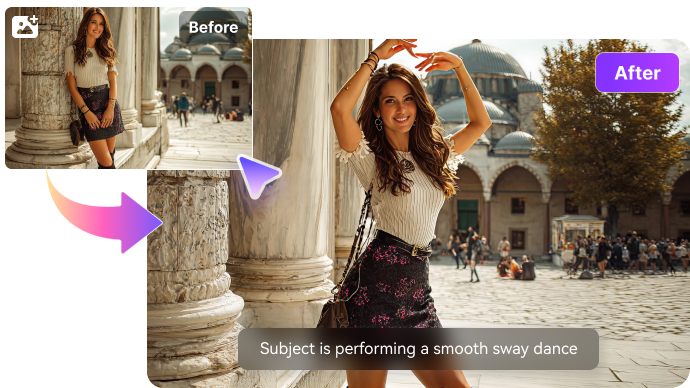
Imagen 3's High-Fidelity Image Models focuses on cleaner detail, sharper textures, and more believable stills from higher-fidelity image models. It matters for portraits, product shots, and campaign images where softness, warped hands, or muddy type would fail a brand review. Compare outputs on the same prompt and look at edges, text, materials, and whether the still holds up at publishing size. Explore AI image models in Media.io!

Imagen 3 High-Fidelity Image Models

Creative Prompting in Imagen 3

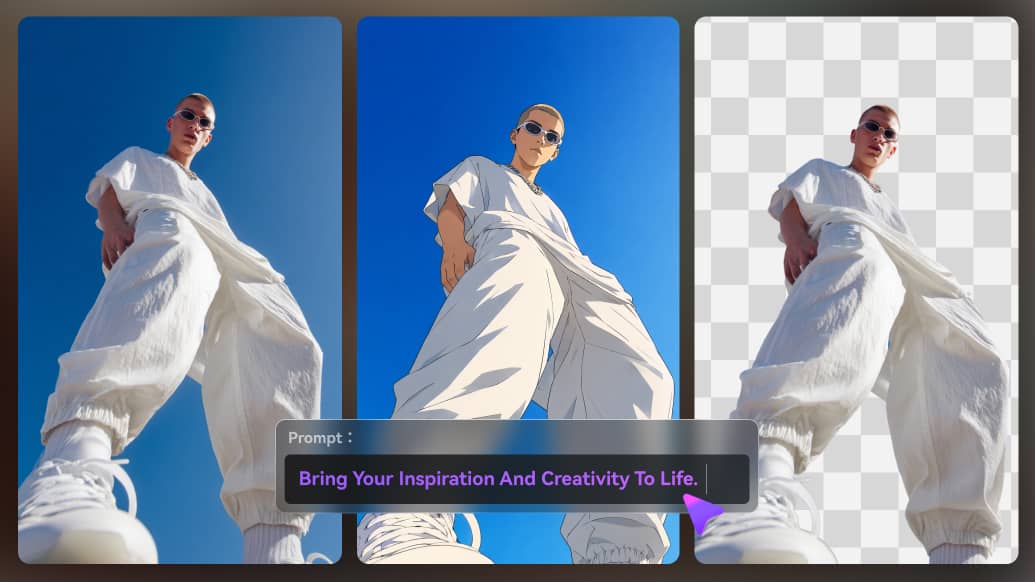
Imagen 3's Creative Prompting is the control layer for stills: prompt wording, style notes, and iteration that steer the image without uploading a finished reference. It fits users who know the look they want and need to refine lighting, composition, or medium through language. The feature is working when small prompt changes create predictable visual changes instead of random rerolls. Use best free AI image generators to explore wording, style, and composition before you lock a source image.

Imagen 3 Creative Prompting

Image-to-Image Editing in Imagen 3

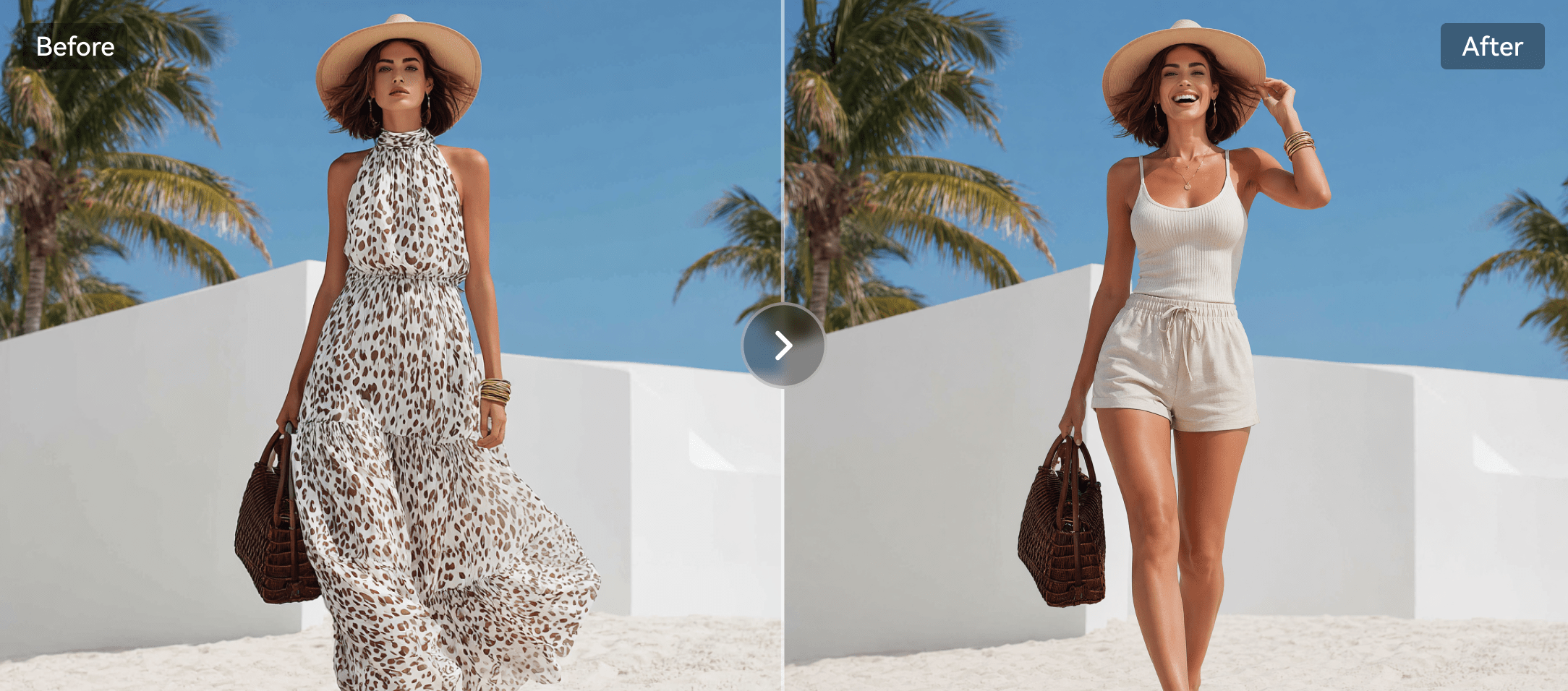
Imagen 3's Image-to-Image Editing starts with an uploaded image and changes selected visual qualities while keeping the source subject recognizable. It fits product shots, campaign stills, portraits, and layout-preserving edits where a blank prompt would throw away a usable reference. Judge the result as an image edit: subject identity, labels, composition, and whether the new version still matches the original idea. Media.io's reference-image path is Media.io AI Image to Image: keep the subject, change the look, and stop when the still still matches the original idea. Explore more AI image editors with prompts.

Imagen 3 Image-to-Image Editing

How to Use Media.io AI Text to Image

1
2
3
1
Step 1: Open Media.io and Start from a Prompt

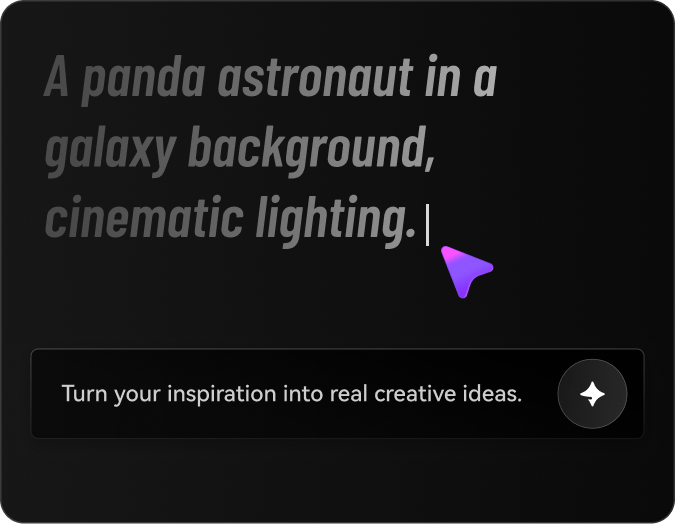
Launch Media.io AI Text to Image and describe the still you need: subject, style, lighting, and where the image will be used.

2
Step 2: Add a Reference Photo When You Have One

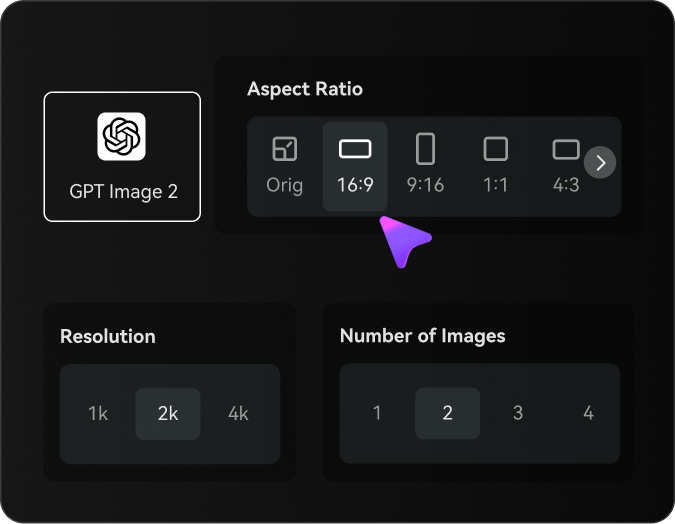
If the job is a variation, portrait, or product shot, upload the source image so the result stays recognizable.

3
Step 3: Generate the Still and Keep Only the Keeper

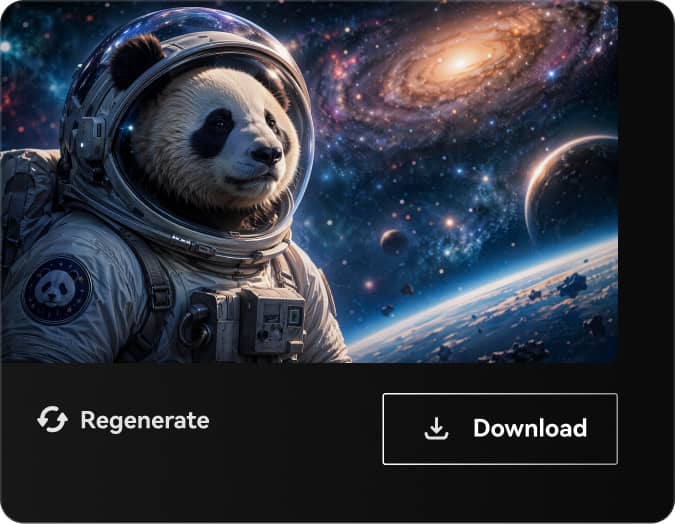
Preview the image, refine the prompt or reference, and export the version that is clear enough to publish. Animate it later only if the brief actually needs motion.

step1 visit media.io
step2 choose a model and upload an image
step3 generate image

Real-World Use Cases: Where Imagen 3 Fits

These are the jobs where Imagen 3 is a reasonable first tool for Google DeepMind Imagen 3 text-to-image generation for high-fidelity stills, prompt-led visuals, and reference-based image editing. Each case maps to a real Imagen 3 capability, so you can judge the product on work you already have.

Prompted Stills in Imagen 3

Use Imagen 3 when a marketer, designer, or seller needs a thumbnail, mockup, style frame, or campaign still from a written brief. Judge the still by subject accuracy and whether it is clear enough to publish or hand to a motion step.

Push for Cleaner Image Detail

Use Imagen 3 when the still needs tighter texture, lighting, or model look. Compare it on the same prompt and subject, then decide whether a reference-image edit is the next step.

Iterate on Prompt Direction

Imagen 3 helps when the brief is still wording, style, and composition. Lock a still you trust before you animate it or rebuild it from a photo.

Where Imagen 3 Falls Short

These are the gaps that show up when you use Imagen 3 for Google DeepMind Imagen 3 text-to-image generation for high-fidelity stills, prompt-led visuals, and reference-based image editing.

Imagen 3 Stops at the Still

Imagen 3 is an image workflow first. A strong portrait, product still, or stylized photo still needs a separate motion or talking-video path if the brief is already a clip.

Likeness and Detail Can Drift

Prompted or restyled images in Imagen 3 can lose facial identity, product labels, or material detail after a few retries. That is the real quality check for this product.

A Sharper Model Still Needs a Clear Subject

Higher-fidelity output in Imagen 3 will not save a vague prompt or a product that never appears clearly in the frame.

Imagen 3 vs Media.io: Which One Fits Your Workflow?

This table compares Imagen 3 with Media.io by real workflow decisions instead of forcing a generic feature checklist. For this topic, Media.io is most relevant around AI Text to Image, AI Image to Image, AI Image to Video, and AI Character Generator, with light editing or export only as supporting steps when the generated asset needs them.

Workflow Need Imagen 3 Media.io
Primary WorkflowImagen 3 is strongest when the brief matches Google DeepMind text-to-image model for high-fidelity stills, prompt control, and reference-based image editing.Media.io is stronger when the project needs browser-based text-to-image and image-to-image workflow with an optional path into image-to-video.
Text-to-ImageImagen 3 is useful when the brief is still words: subject, style, lighting, and composition for a still.Media.io AI Text to Image is the browser prompt-to-still path for thumbnails, mockups, and campaign boards.
Image FidelityImagen 3 should be judged on photorealism, fine detail, and whether generated text survives a brand review.Media.io AI Text to Image is the comparison for texture, lighting, and whether the prompt still reads as the same subject.
Prompt ControlImagen 3 is useful when small prompt changes should create predictable stills rather than random rerolls.Media.io AI Text to Image is the place to test wording, style, and composition before locking a source image.
Image-to-Image EditingImagen 3 is useful when a real reference image should stay in the loop while style, lighting, or setting change.Media.io AI Image to Image keeps the uploaded subject and generates a controlled variation instead of rebuilding the shot from text.
Still to MotionImagen 3 is an image workflow first. A keeper still still needs another tool if the brief is already a clip.Strong Fit best fit
Media.io AI Image to Video is the optional next step after a still is selected, not a replacement for the image model itself.
Best for Core Workflow

Choose Imagen 3 When You Need:

Imagen 3 is better suited when the main objective is Google DeepMind text-to-image model for high-fidelity stills, prompt control, and reference-based image editing.

  • A project centered on Google DeepMind text-to-image model for high-fidelity stills, prompt control, and reference-based image editing
  • Direct experimentation with the product's own modes, effects, editor, or presentation style
  • A workflow where the competitor's interface, templates, team features, or API are already preferred
  • Fast first drafts where downstream enhancement, cleanup, and format conversion are secondary
  • A focused evaluation of the competitor's core creation path before adding extra finishing tools
Explore Imagen 3
Best for Scenario Generation

Choose Media.io When You Need:

Media.io is better suited when the brief needs browser-based text-to-image and image-to-image workflow with an optional path into image-to-video, especially for lightweight content generation rather than complex editing.

  • AI Text to Image: creates image assets from prompts for thumbnails, scenes, storyboards, or supporting visuals
  • AI Image to Image: transforms existing images into new visual styles or supporting assets
  • AI Image to Video: animates source images into video clips with prompt-led motion and browser-based preview
  • AI Character Generator: helps create AI character assets for visual stories, recurring roles, and creative projects
  • AI Text to Music: creates music from text ideas for videos and campaigns
Try AI Image Now

Final Verdict

Our Take

Imagen 3 can be a strong choice when the brief depends on Google DeepMind Imagen 3 text-to-image generation for high-fidelity stills, prompt-led visuals, and reference-based image editing. Its value should be judged by the exact asset the user needs, the quality of the source material, and the amount of review required before publishing.

The main tradeoff is workflow fit. Imagen 3 may be useful for its specialized creation task, but teams often still need a clearer way to create scenario-based video, image, audio, music, or character assets without moving into a heavy editing workflow. Media.io is a better fit when the project aligns with AI Text to Image, AI Image to Image, AI Image to Video, and AI Character Generator and needs light polish such as cleanup, captions, resizing, conversion, or export after generation.

Bottom line: Choose Imagen 3 when its specialized workflow is the center of the brief. Choose Media.io when the project needs lightweight, scenario-based AI media generation with practical support tools around it.

Imagen 3 FAQ

What is Imagen 3 best used for?
faqfaq

Imagen 3 is best used when the job matches Google DeepMind Imagen 3 text-to-image generation for high-fidelity stills, prompt-led visuals, and reference-based image editing. If your brief needs a different input or output, compare a same-type Media.io tool instead of stretching Imagen 3.

Consider Imagen 3 if you already know you need text-to-image and can judge the result on a real asset, not a demo. Skip it if you actually need a different kind of workflow.

Imagen 3's Text-to-Image is one of the main reasons to open the product. Test it with the same source you would use in production, then decide whether the output is clear enough to publish or only a draft.

High-Fidelity Image Models is a separate job from Text-to-Image. Use it when that is the bottleneck, not as proof that Imagen 3 also covers every nearby tool.

Choose Imagen 3 when its specialized workflow around text-to-image is the center of the brief and you specifically want that product's modes, templates, or interface.

Choose Media.io when you need a prompt-to-still, a reference-image edit, or a portrait, and you want a lighter image workflow than Imagen 3. Animate the still later only if the brief becomes a clip.

No. Imagen 3 is strongest at Google DeepMind Imagen 3 text-to-image generation for high-fidelity stills, prompt-led visuals, and reference-based image editing. If you already need motion, ads, or a talking presenter, that is a different job.

Judge Creative Prompting by whether small prompt changes create predictable visual changes instead of random rerolls.

Media.io is a practical alternative when you need AI Text to Image, AI Image to Image, or a portrait still, then an optional motion step after the picture is right.

What Creators Say About Media.io Image Tools

Media.io user
Sarah L.

Brand Designer

starstarstarstarstar

I judge Imagen 3 on the still, not on a video demo.

When the deliverable is a thumbnail, portrait, or campaign board, I keep the work in Imagen 3 and compare Media.io AI Text to Image on the same prompt. I only animate later if the picture already looks right.

Media.io user
John D.

Ecommerce Marketer

starstarstarstarstar

Photo restyling and prompt stills are different jobs.

Imagen 3 is useful when I already have a photo to restyle or a prompt for a new still. Media.io AI Image to Image is the comparison I use when the source picture has to stay recognizable after the edit.

Media.io user
Emily T.

Content Lead

starstarstarstarstar

If the brief is a picture, I keep it a picture.

Headshots, posters, and listing images fail for different reasons than clips do. I compare Imagen 3 and Media.io on likeness, labels, and crop, then decide whether motion is even needed.

Media.io Online Tools Quality Rating:
vote 4.7 (162,357 Votes)
media.io

AI Video Generator star

Easily generate videos from text or images

Generate