Real-World Use Cases: Where Clipchamp AI Fits
Clipchamp AI is most useful when its strongest capabilities match a specific production job, such as browser video editing, auto compose, captions, text-to-speech, recording, templates, and Microsoft-friendly social exports, rather than when users expect every generation, editing, rights, and export task to be solved automatically.
Social Video and Ad Variants
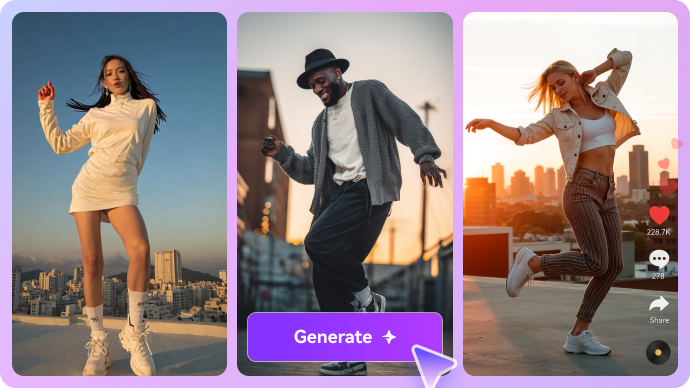
Creators can use Clipchamp AI to turn prompts, product shots, portraits, or style frames into short clips for TikTok, Reels, Shorts, paid ads, and landing-page tests. The workflow is strongest when the team needs several visual directions quickly before deciding which version deserves full editing.
Product Visuals and Campaign Concepts
Marketing teams can test product motion, lifestyle scenes, seasonal offers, and concept ads without booking a shoot. The generated output still needs review for brand accuracy, offer clarity, aspect ratio, captions, and platform-specific export requirements.
Story, Explainer, and Moodboard Drafts
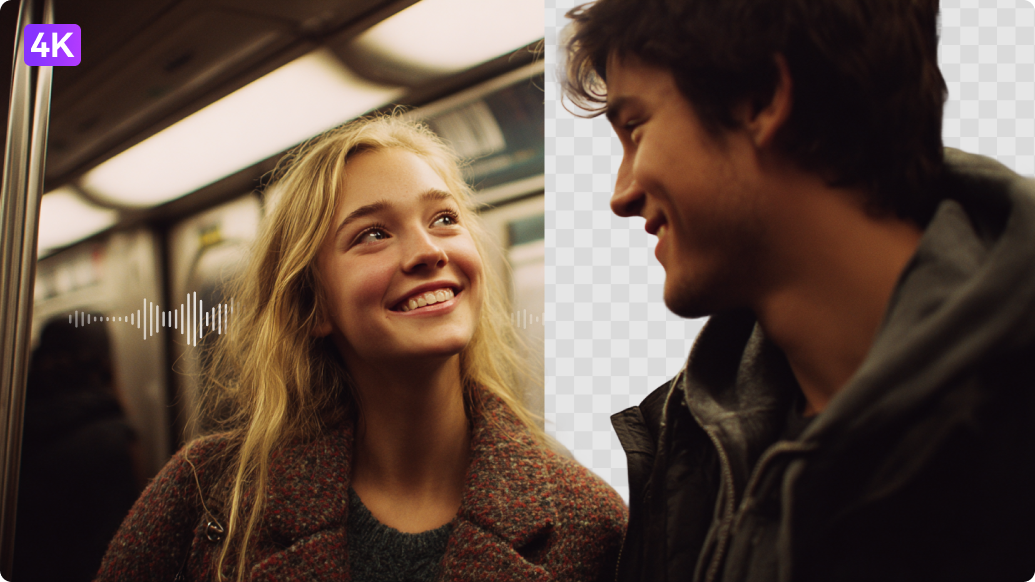
Writers, educators, and creative teams can use Clipchamp AI to turn a short idea into visual material for storyboards, explainers, moodboards, or presentation openers. This is useful for early alignment, but final storytelling often needs pacing, music, subtitles, and continuity work.
Repurposing Existing Long-Form Video
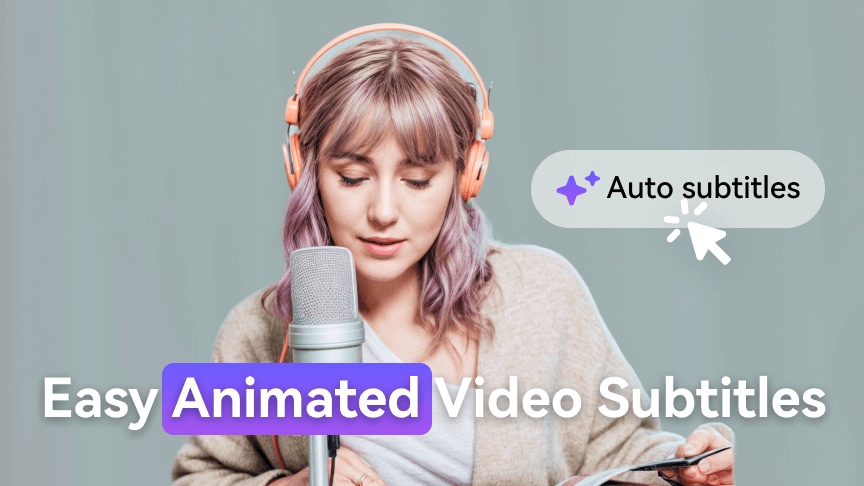
Teams with webinars, lessons, podcasts, demos, or livestreams can use Clipchamp AI to find highlights, add captions, summarize content, reframe for mobile, and create shorter derivatives. This fits content operations more than pure prompt-based generation.
Model and Style Exploration
Creators comparing AI tools can use Clipchamp AI to understand its visual style, prompt behavior, motion limits, and export quality before committing to a production workflow. Test with real campaign assets instead of only demo prompts so the result reflects likely production conditions.
Client and Stakeholder Previews
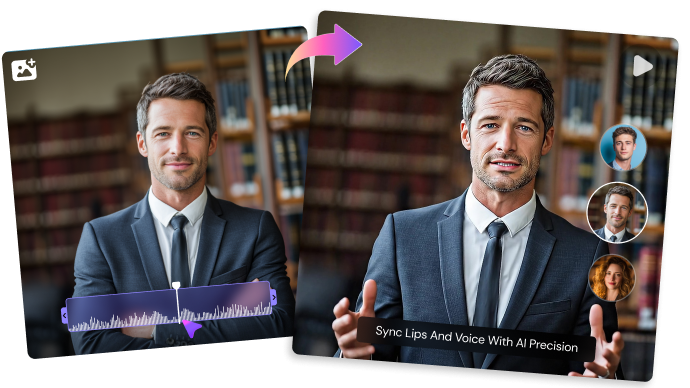
Agencies and in-house teams can use Clipchamp AI to create fast visual previews before a campaign direction is approved. These drafts help stakeholders react to motion, tone, and message without requiring a full shoot or polished edit.