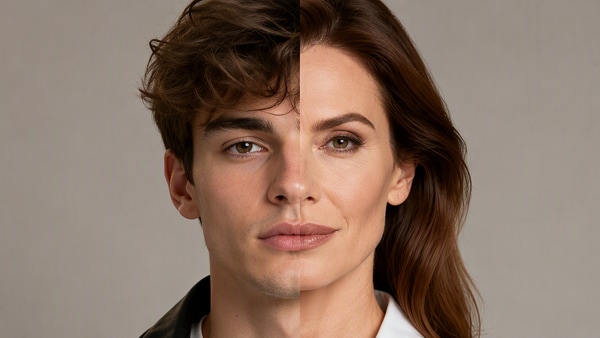
Understand Motion Transfer
Learn when to keep the source video’s motion, camera, cuts, and timing while rebuilding characters, locations, wardrobe, products, or the visual world.
Learn the Higgsfield AI Genjutsu workflow step by step: choose Motion Transfer or Object Swap, upload a source video, add visual references, and describe what should change. Then apply the same reference-led editing logic with Media.io for character, scene, and motion-based AI video edits.
Free credits on signup/login.







Start with an existing video, decide whether you want to rebuild the shot around its motion or change only selected elements, then add references for the characters, products, wardrobe, or locations you want to introduce.
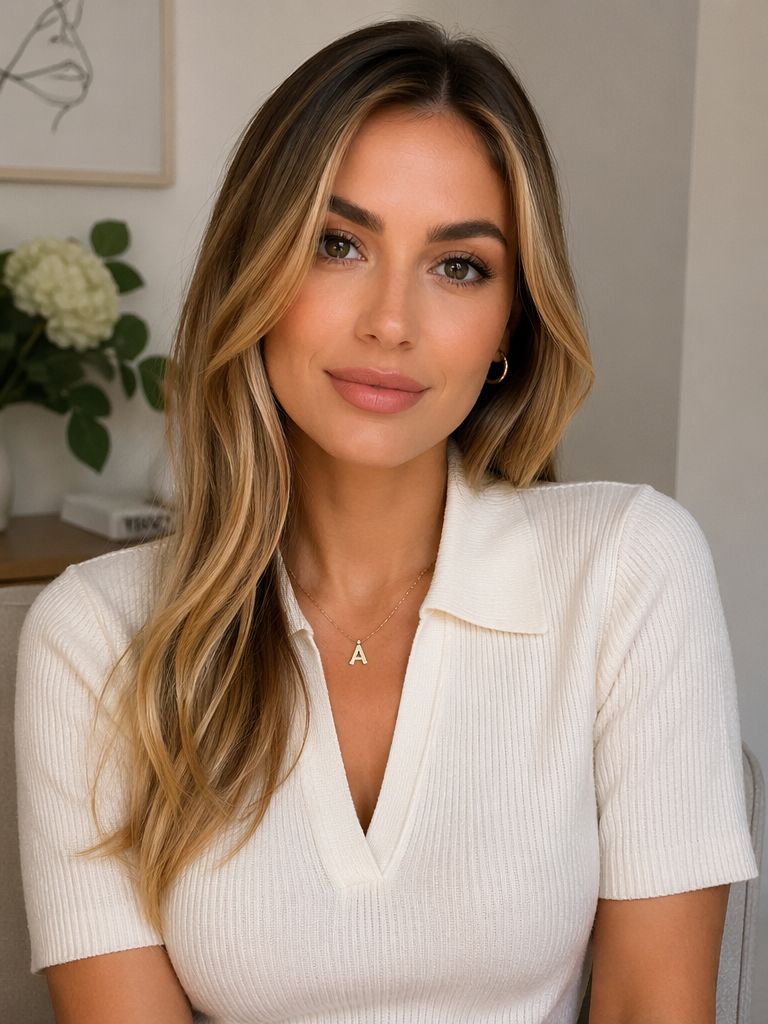
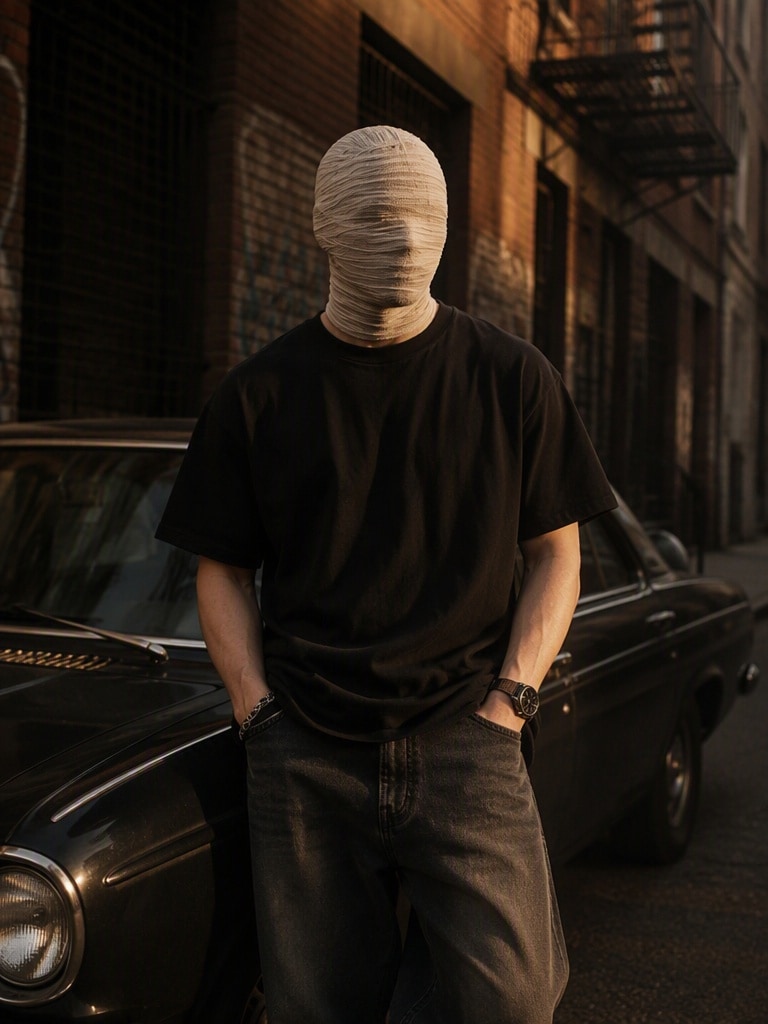
Reference Motion
Lead & Cast References
MOTION TRANSFER EXAMPLE

Keep the original motion, timing, cuts, camera angle, camera movement, framing, and performance from the uploaded video. Recast the main character using Reference Image 1 and move the entire scene into the location shown in Reference Image 2. Preserve the action exactly while rebuilding the visual world around it.
OBJECT SWAP EXAMPLE

Replace only the selected character with the supplied reference person. Preserve the original background, other people, camera movement, timing, lighting direction, pose, and interaction. Keep the new character consistent across the full shot.
GENJUTSU-STYLE RECAST PROMPT

Use the uploaded video as the reference for motion, timing, cuts, camera trajectory, framing, perspective, and performance.

CHANGE:
Replace the main character with Reference Image 1.
Move the scene to the environment shown in Reference Image 2.

PRESERVE:
Keep the original action, body movement, shot duration, camera motion, composition, and interaction timing.

CONSISTENCY:
Maintain the new character's face, hairstyle, body proportions, wardrobe, and scale. Match the new environment's lighting and perspective to the source shot.

AVOID:
identity drift, extra characters, warped hands, floating feet, changing costumes, altered choreography, new camera moves, text, logos, or watermarks.
Learn when to keep the source video’s motion, camera, cuts, and timing while rebuilding characters, locations, wardrobe, products, or the visual world.
Change one selected element while preserving the rest of the shot—useful for character swaps, outfit changes, product replacement, and location edits.
Use clear visual references to define the new person, product, clothing, object, or environment instead of relying on text alone.
Use the same reference-led AI video editing logic to experiment with character replacement, motion-guided transformations, and scene variations.


 4.7 (162,357 Votes)