Home>AI Prompts>AI Outfit Grid Prompts to See 16 Different Looks on One Person
25 AI Outfit Grid Prompts to See 16 Different Looks on One Person
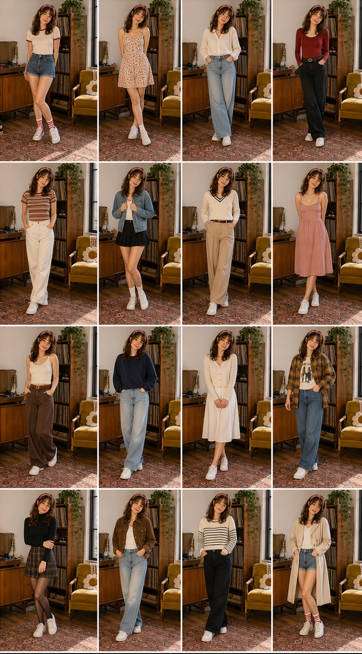
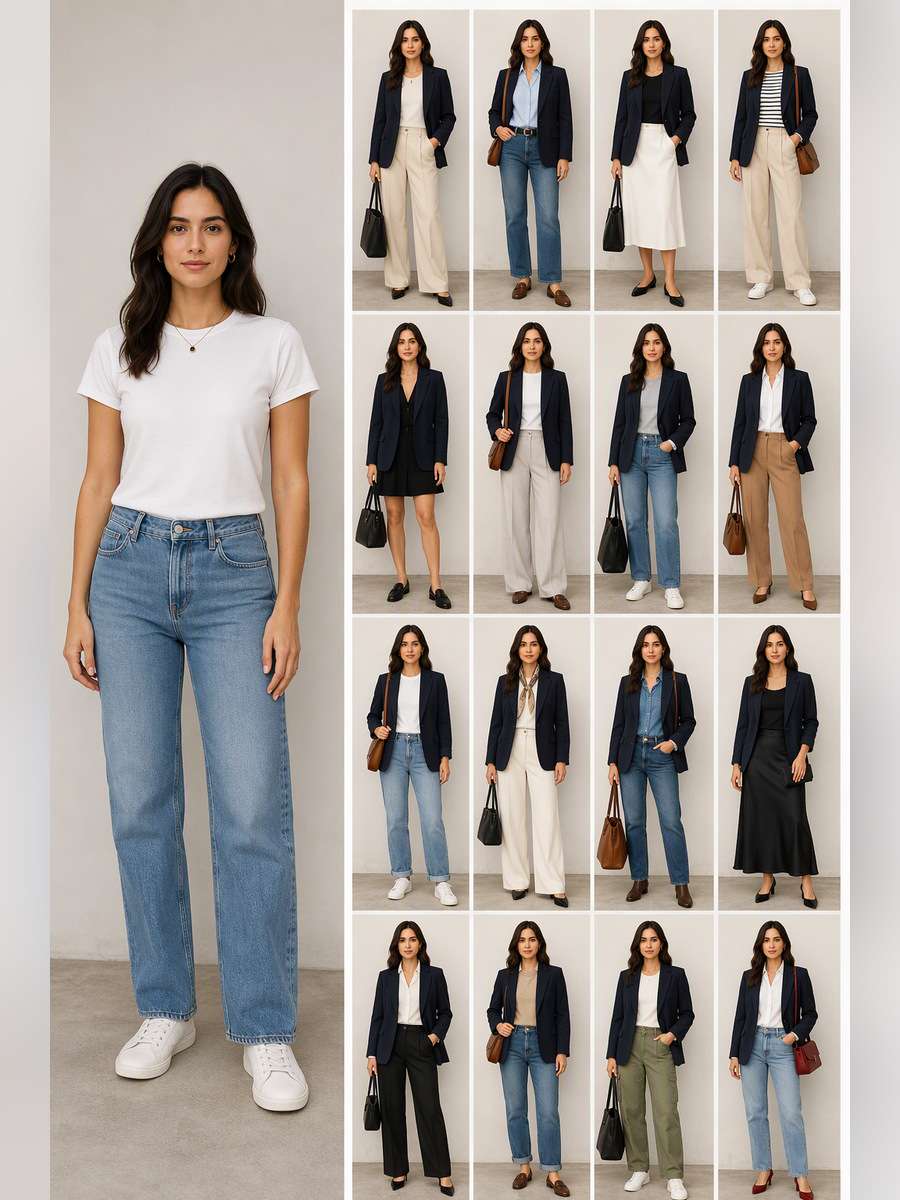
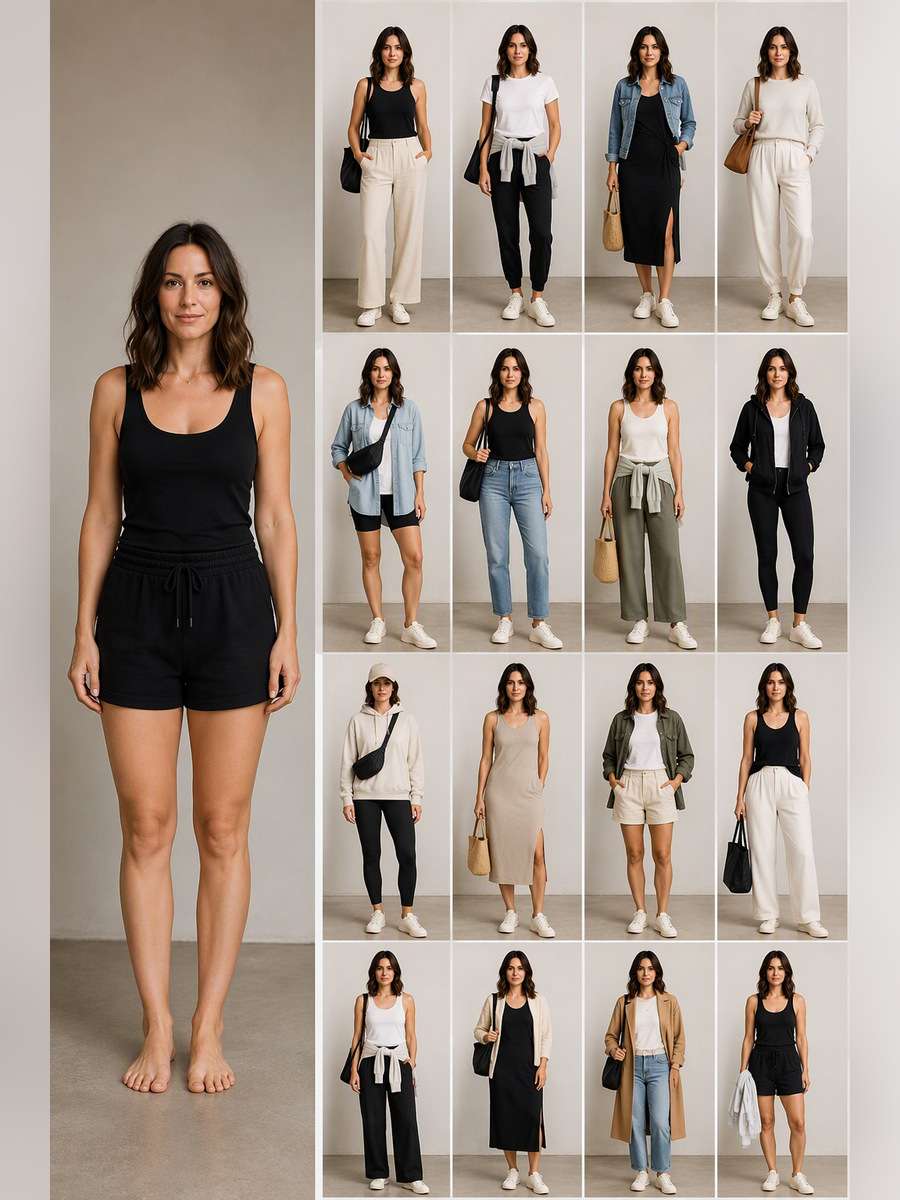
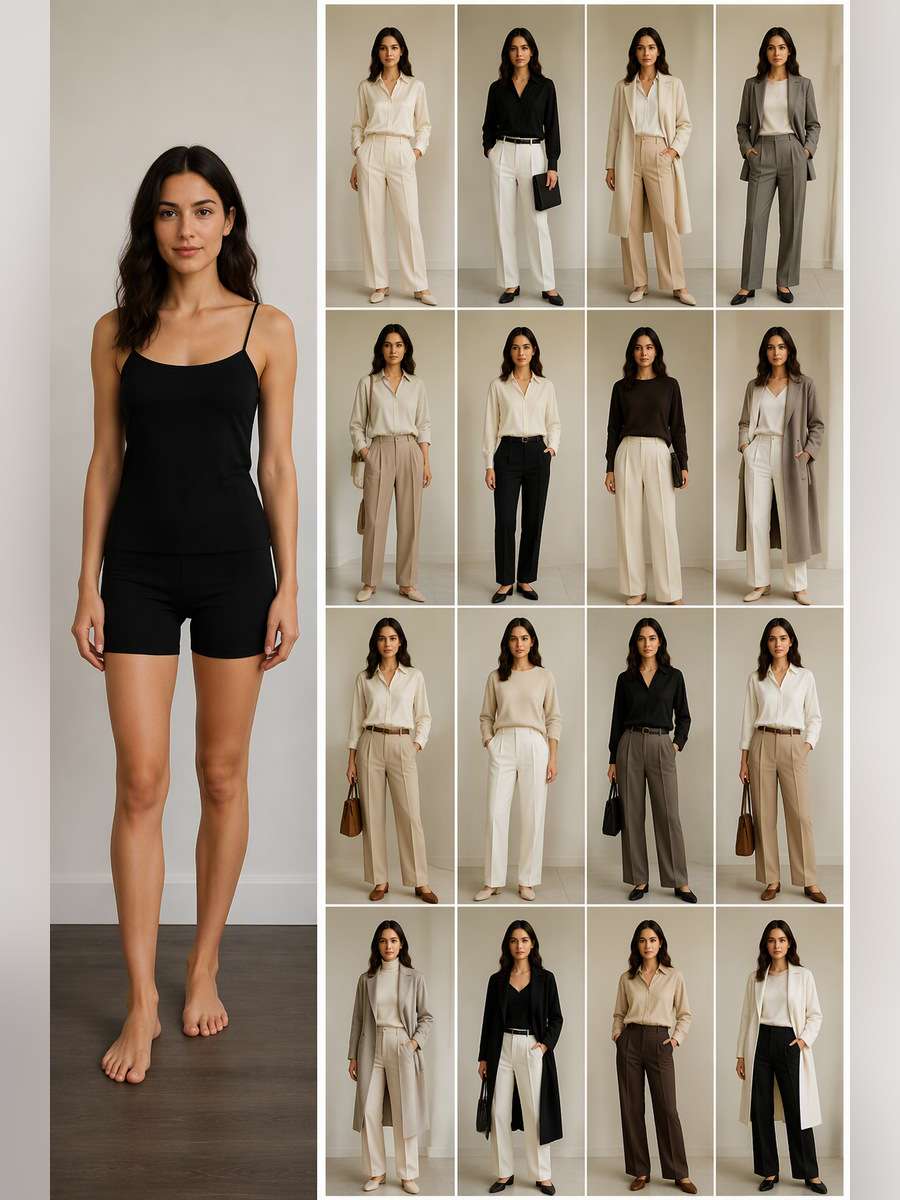
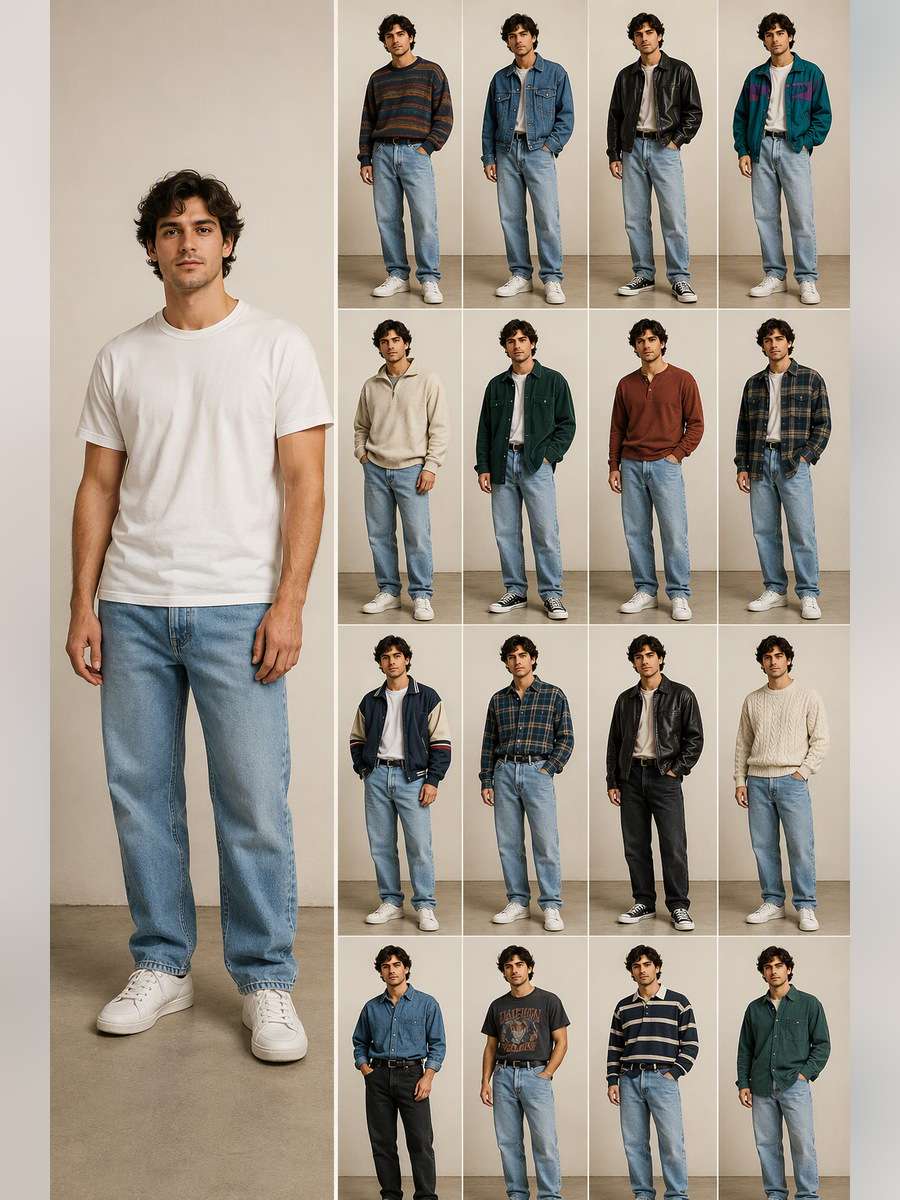
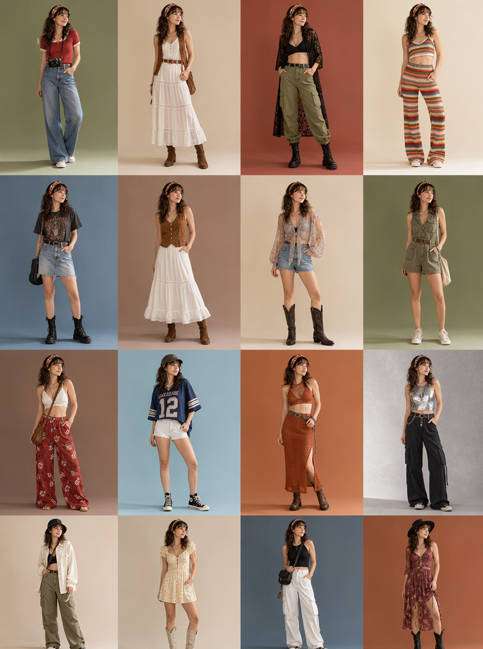
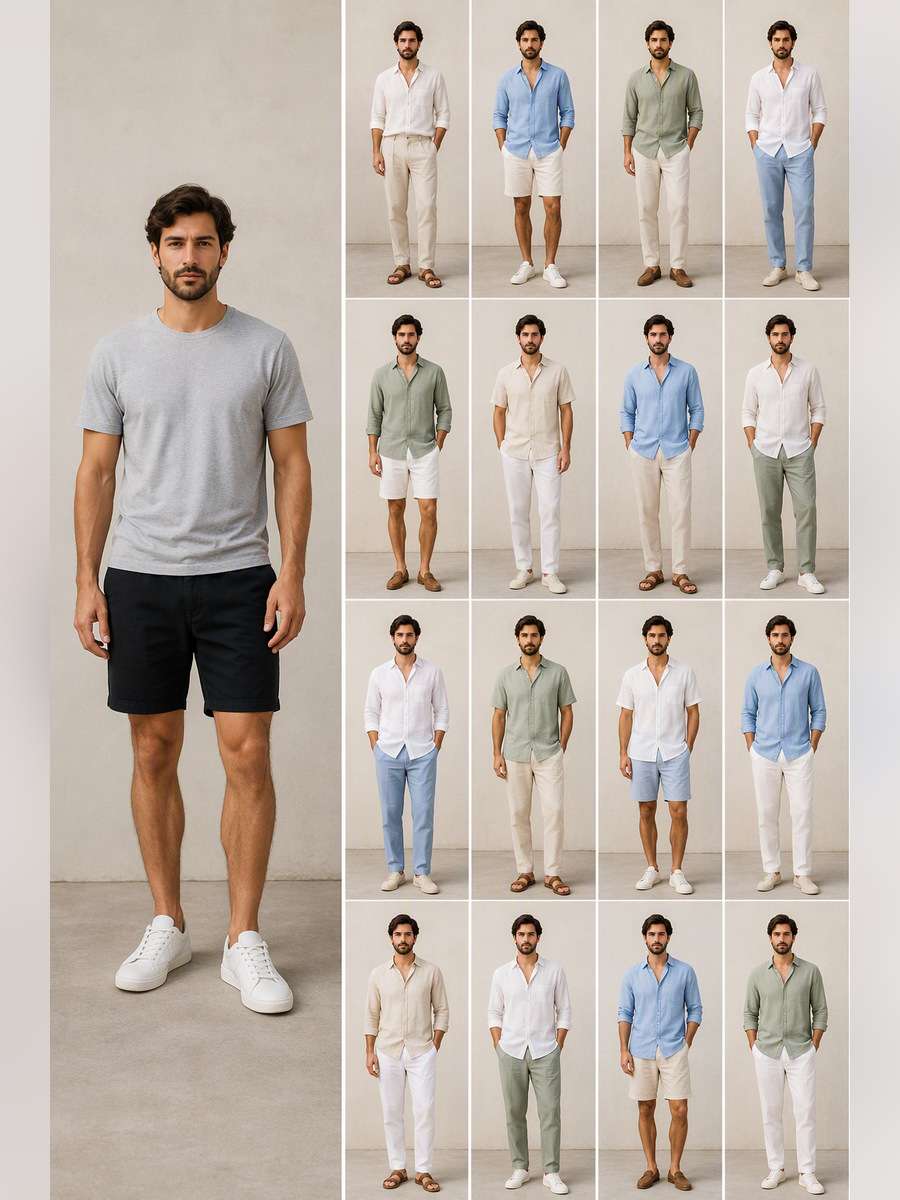
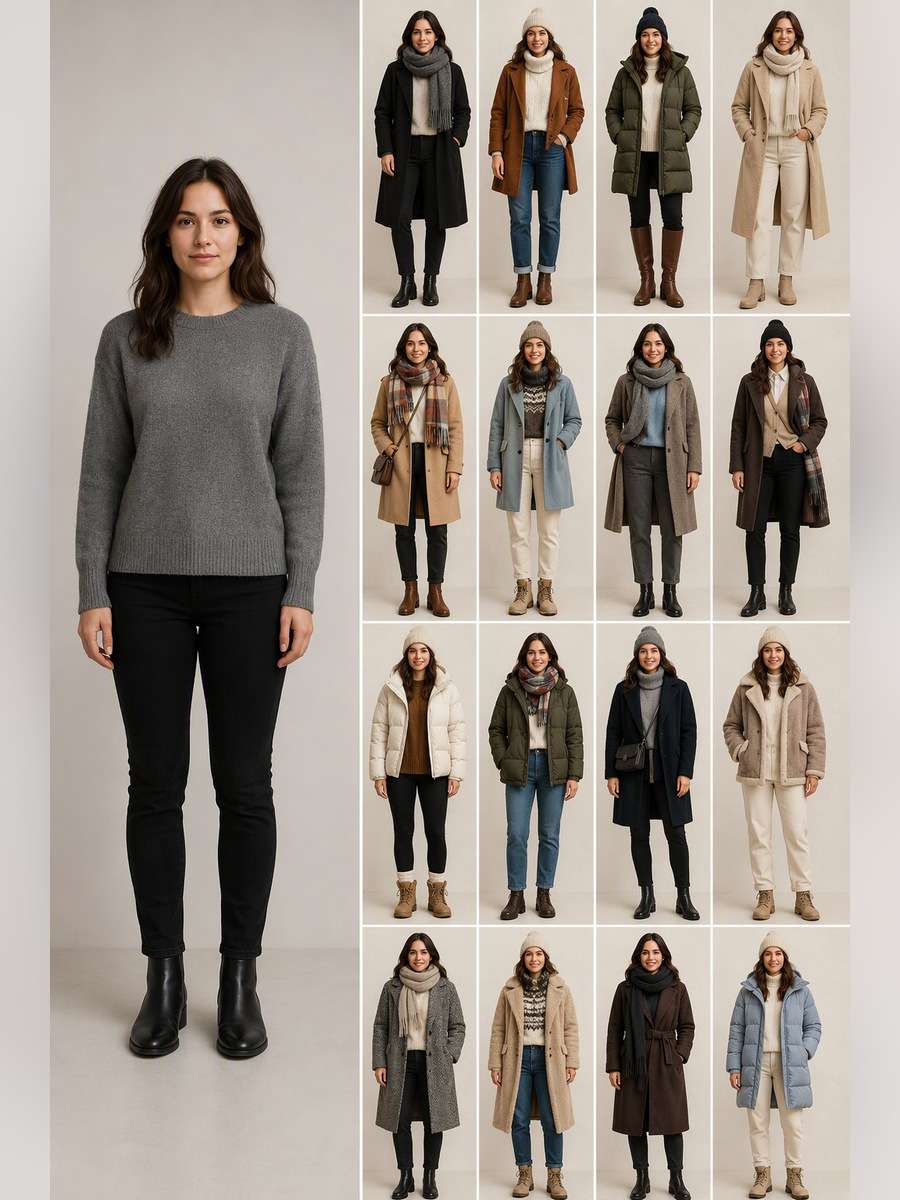
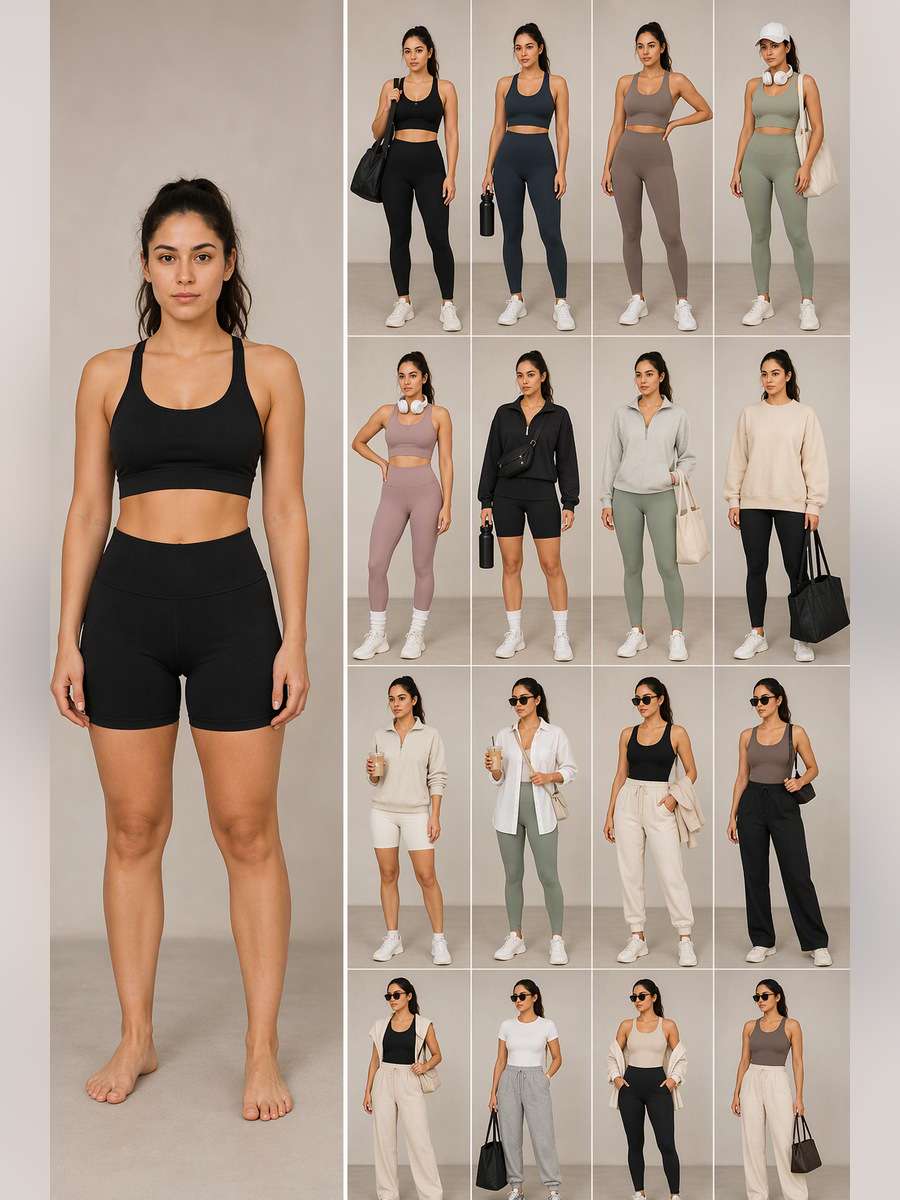
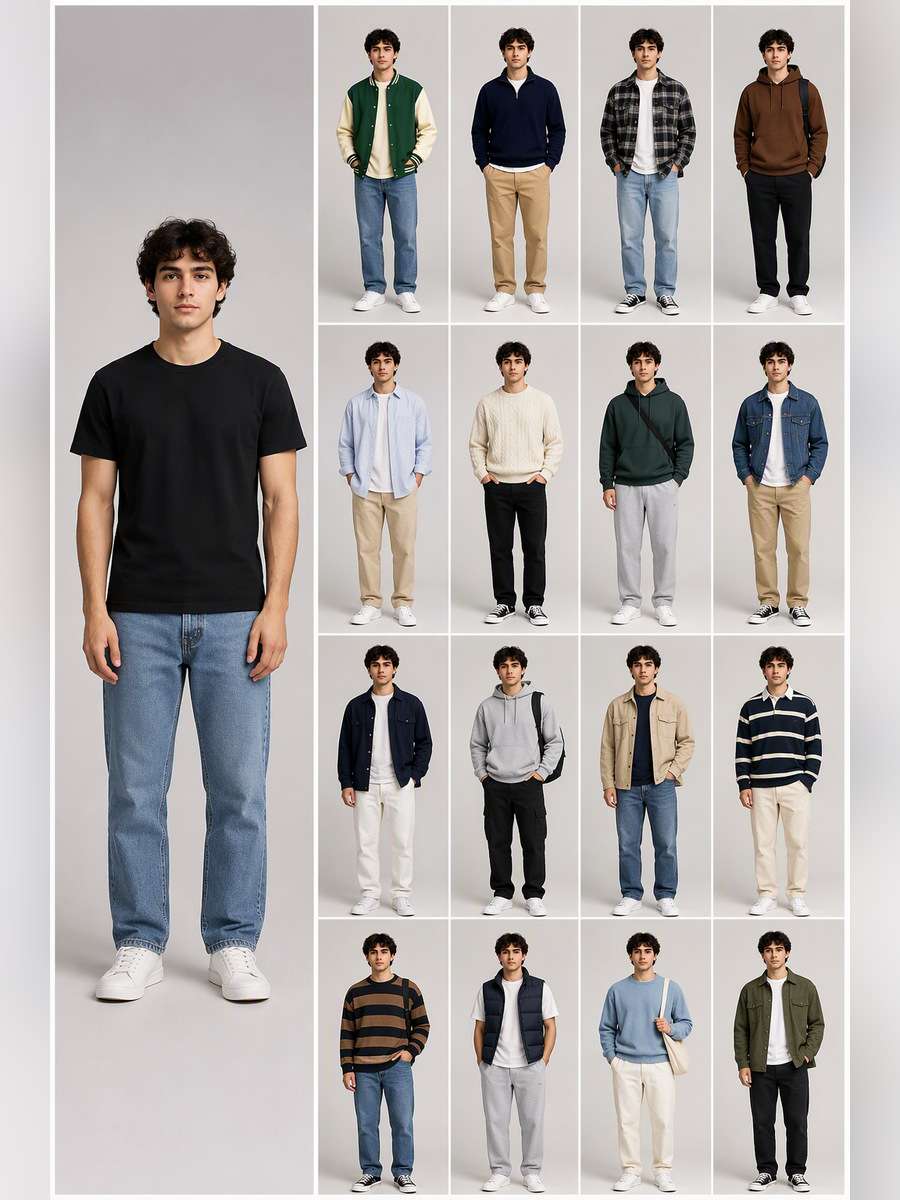
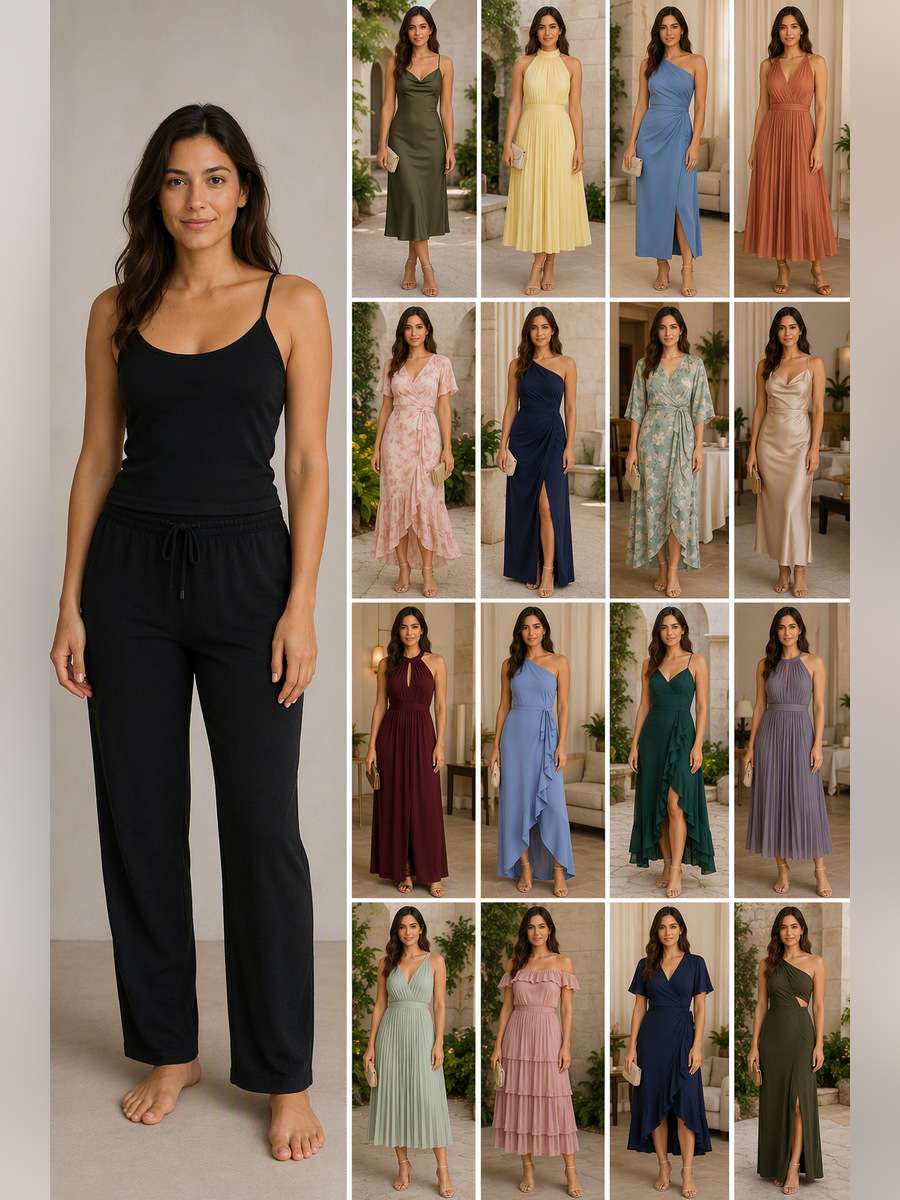
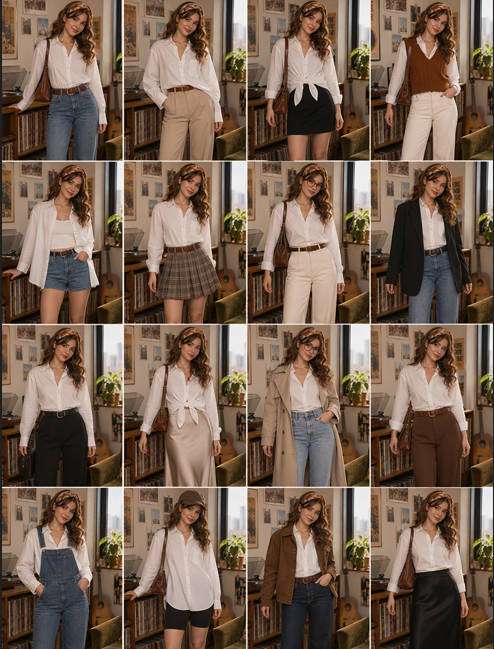
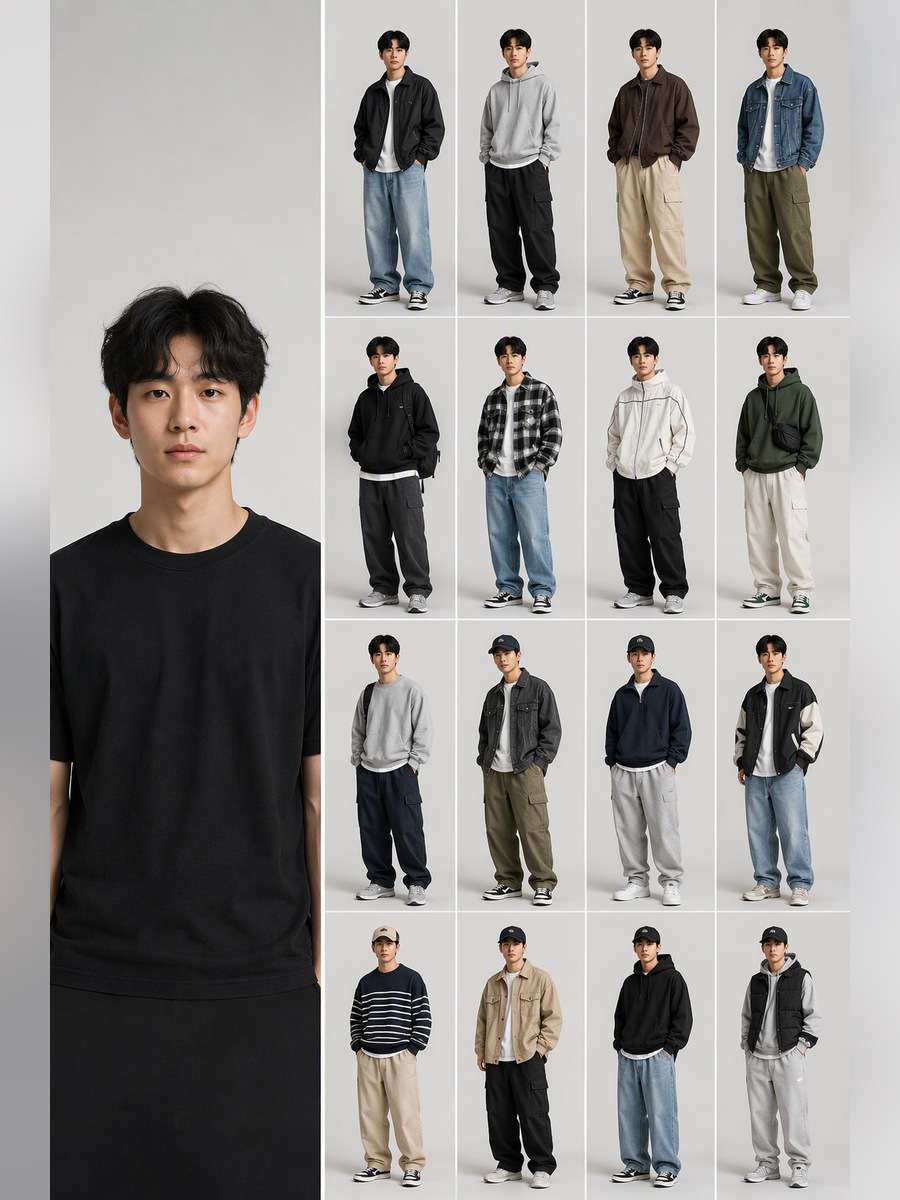
Choosing between sixteen outfits is easier when you can see them all at once. These AI Outfit Grid Prompts turn a single reference selfie into lookbook-style comparisons—clean 4×4 outfit boards, capsule wardrobes, occasion edits and color experiments. The trick is to lock the face, stance, lighting and panel spacing while changing the wardrobe. Try a sharp front-facing image, inspect all sixteen cells and use the grid to narrow your real styling choices rather than treating generated fit as an exact sizing prediction.
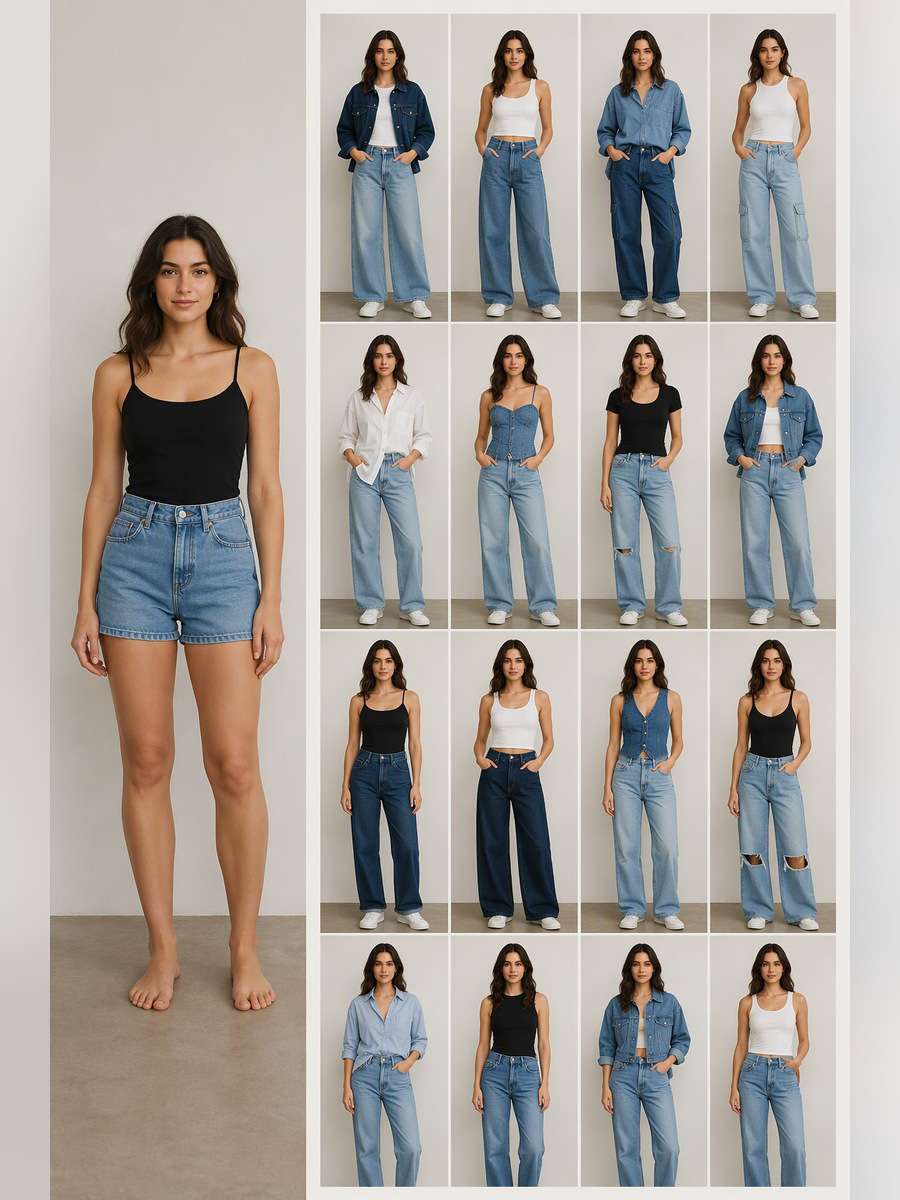
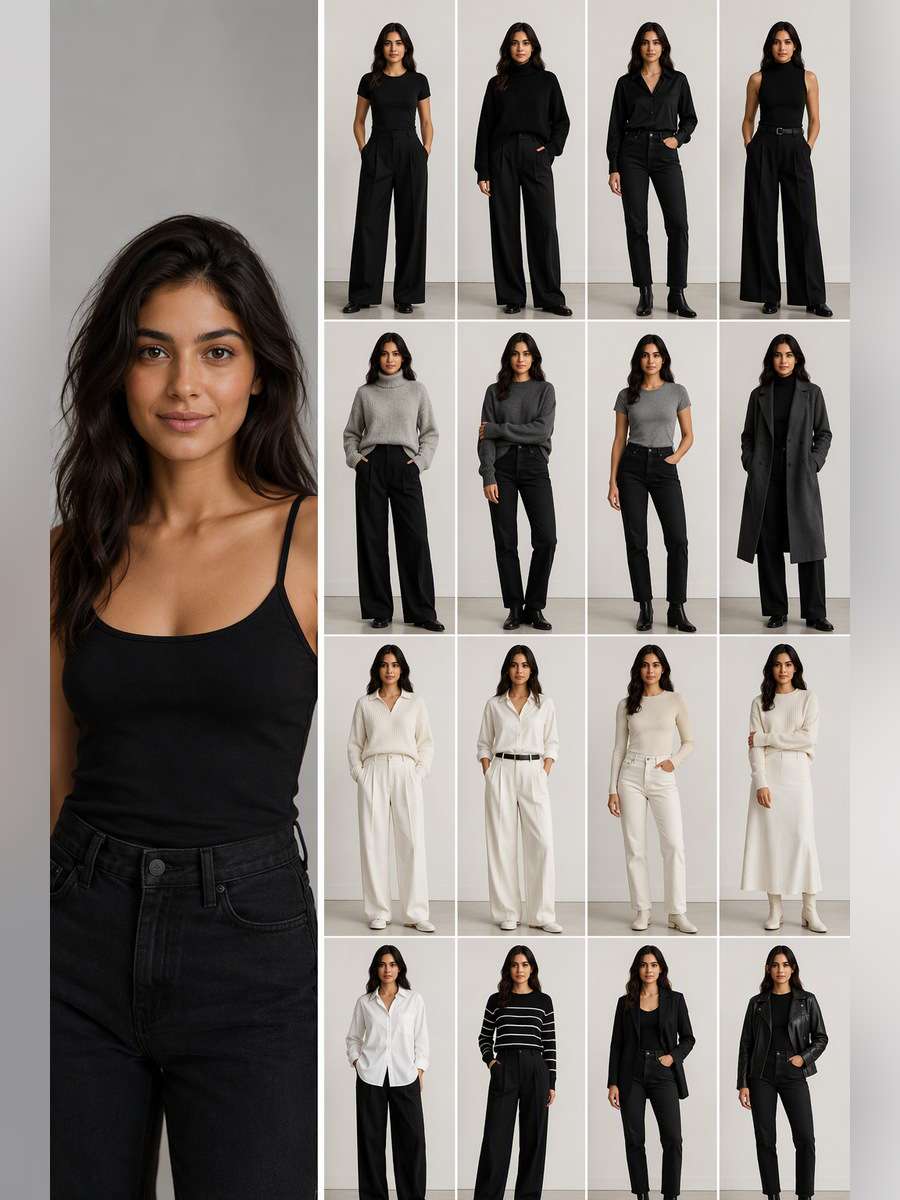
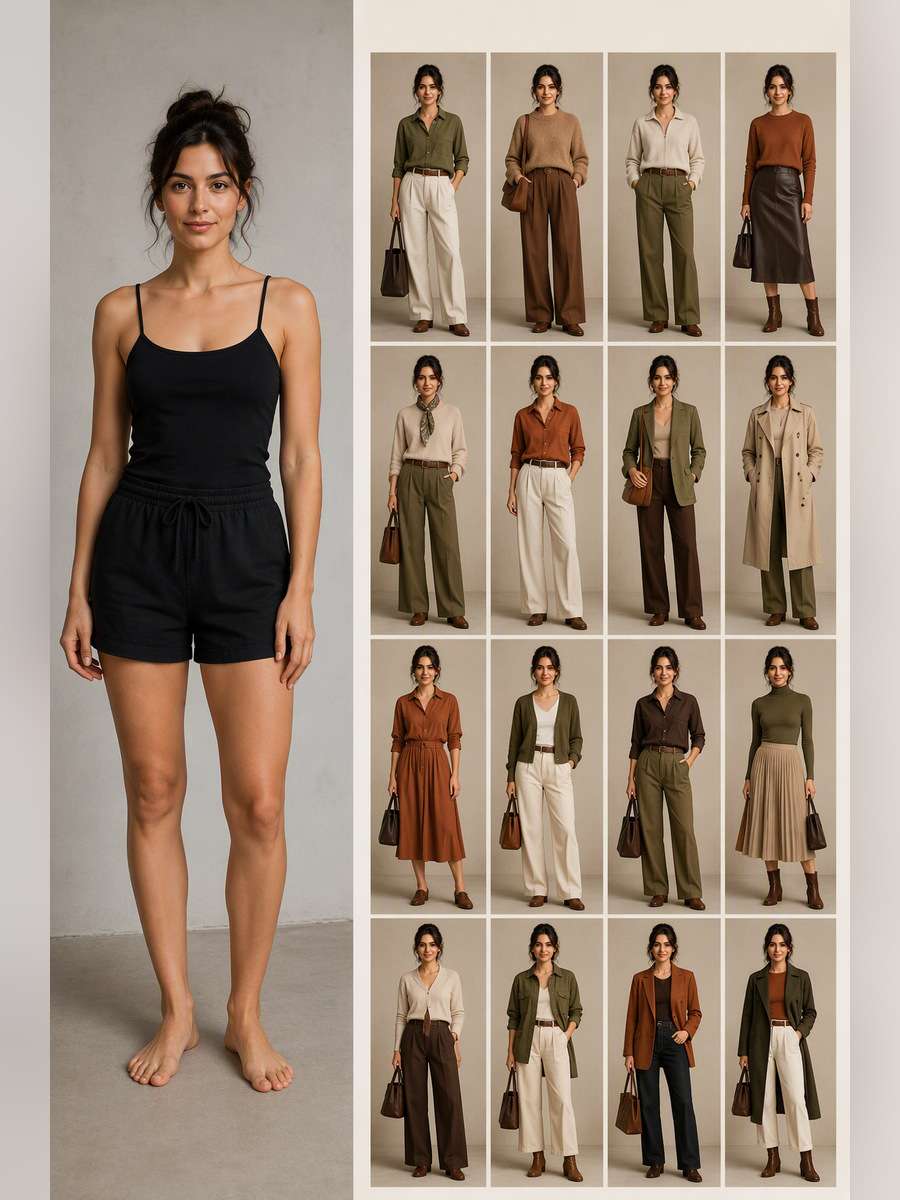
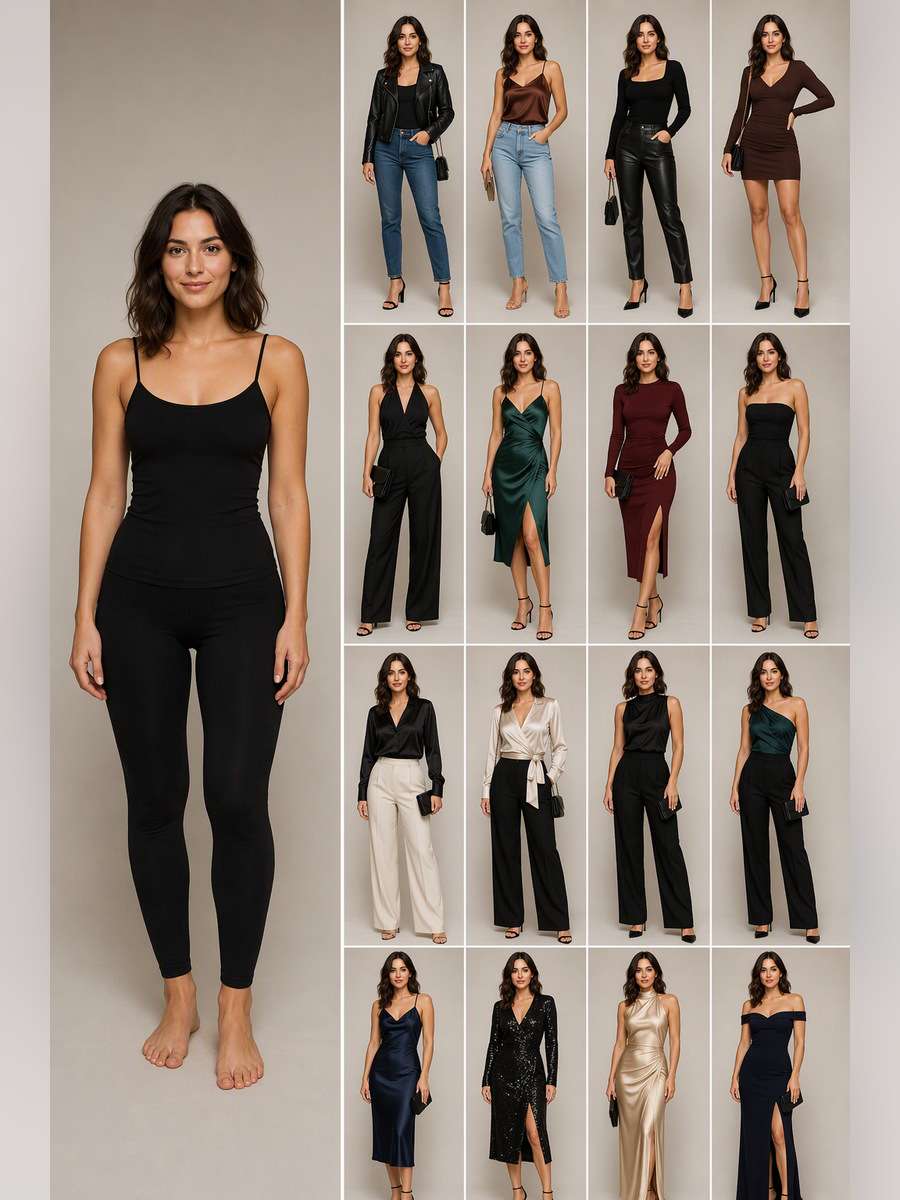
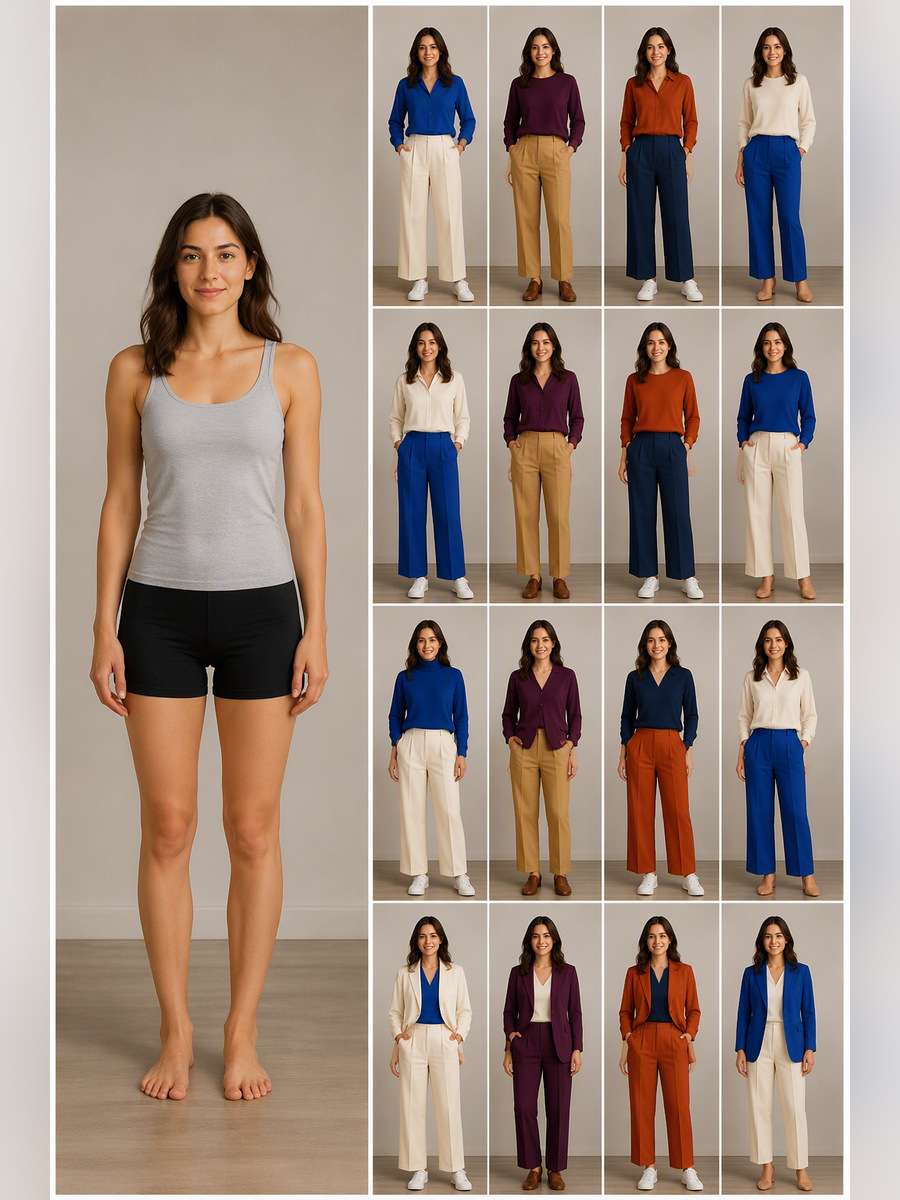
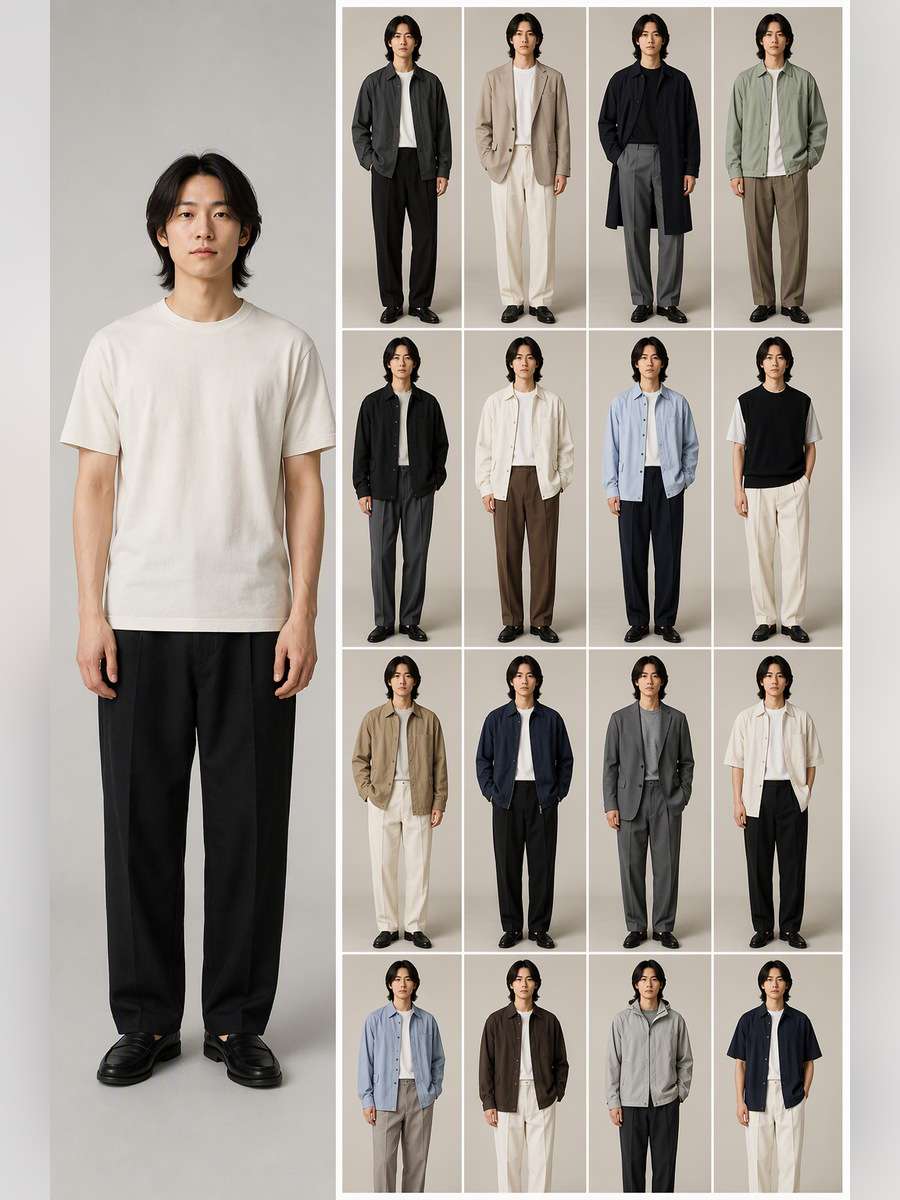
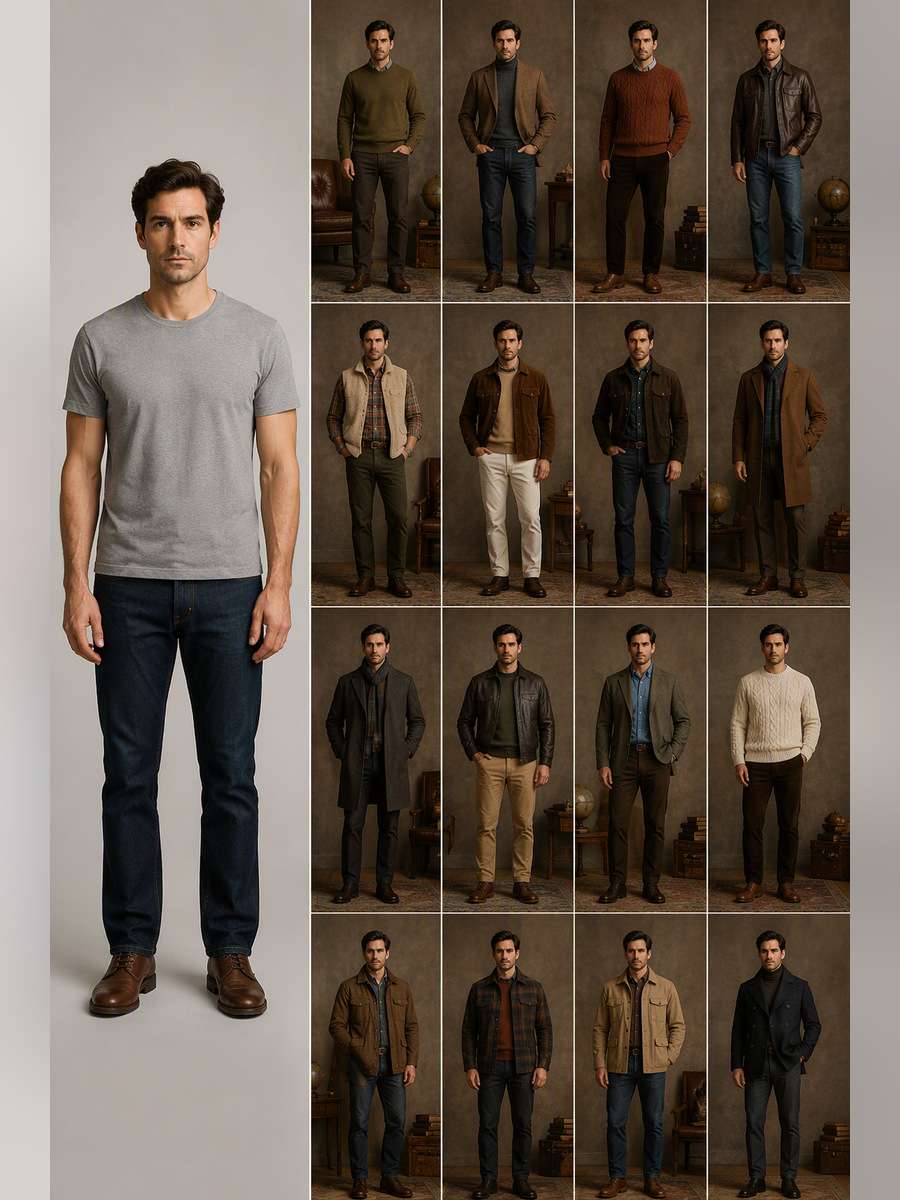
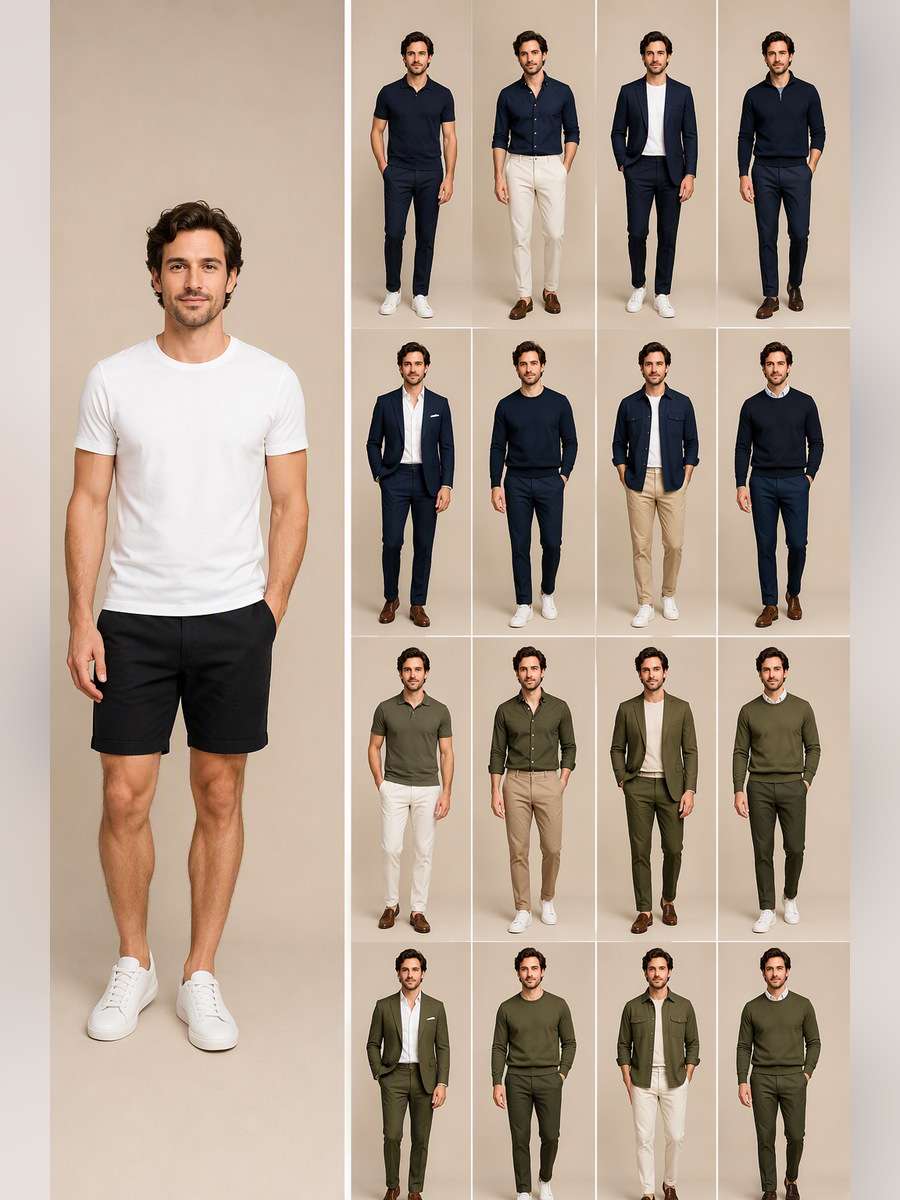
Explore original outfit grid photo concepts. Illustrative examples; create your version with Media.io Image to Image.
How to Make a 4x4 Outfit Grid With AI
One clean reference and one tightly specified grid work better than sixteen unrelated individual portraits.
1
Use One Full-Body Reference
Upload a clear picture showing your face and, ideally, your full outfit. Keep the camera straight so the model can infer consistent proportions.
2
Set the 4x4 Layout and Clothes
Copy a 4x4 outfit grid prompt, specify sixteen distinct looks and request identical pose, distance, lighting, and narrow gutters.
3
Inspect All Sixteen Panels
Generate the image and count 4 rows by 4 columns. Check identity drift, repeated outfits, missing footwear and cropped heads; regenerate when needed.
25 Ai Outfit Grid Prompts Ideas to Copy & Try
Everyday 16-Look Streetwear Board
Using one clear reference photograph, make a single coherent 4x4 fashion lookbook with exactly sixteen cells. Scene: Build a square 4x4 grid of everyday streetwear combinations, from loose denim and cropped jackets to cargo trousers and retro sneakers, on one pale-gray studio set. Keep the same face, hairstyle, body and camera height in each of the sixteen cells; thin white gutters, no captions, head and shoes visible, one 1:1 grid.
Minimalist Capsule Wardrobe
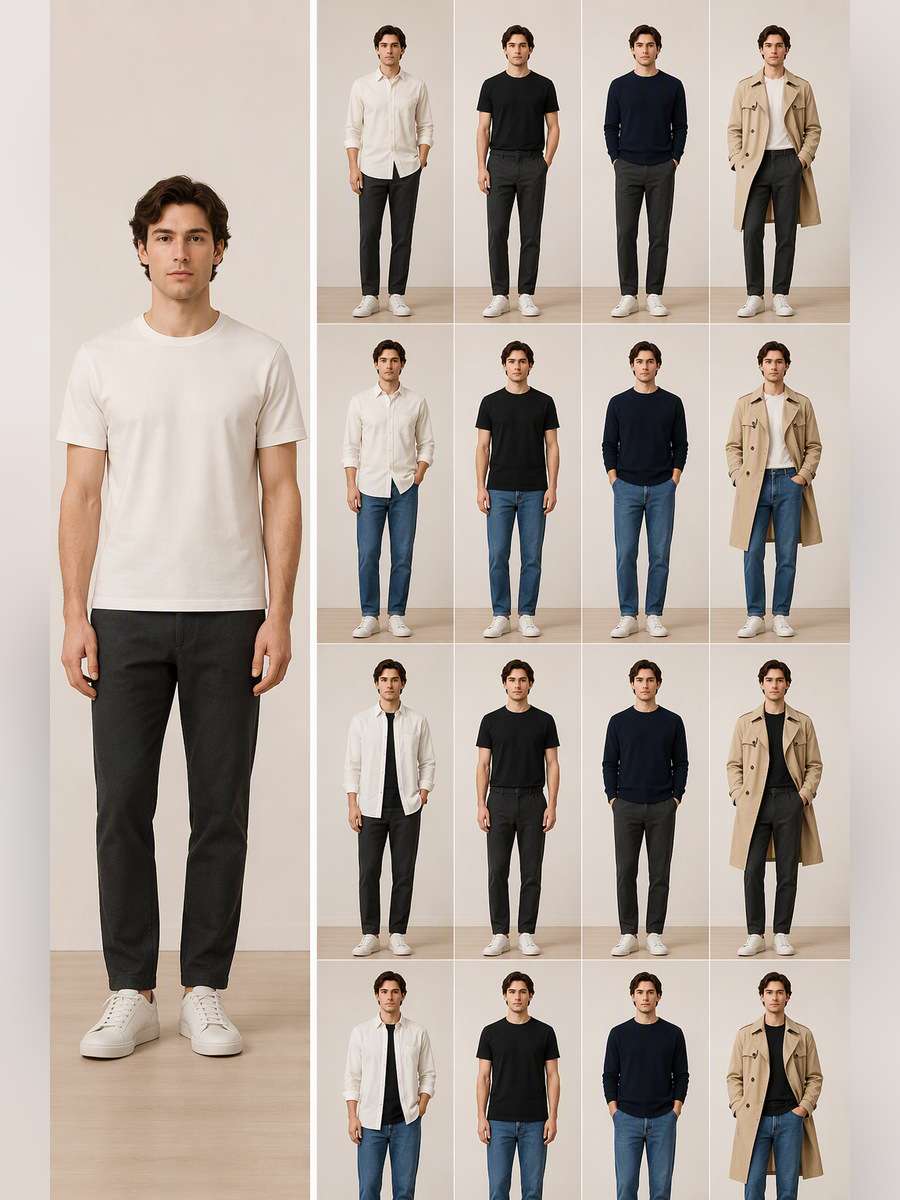
Restyle the uploaded person into a precise four-row, four-column outfit grid, with no missing or merged panels. Scene: Show sixteen combinations made from a cream shirt, black tee, navy knit, beige trench, charcoal pants, blue jeans, and white shoes, with consistent stance and exact garment variations. Make clothing silhouettes genuinely different, not sixteen recolors of one shirt; control background and lighting across all 4 rows and 4 columns.
Office Monday to Friday Grid
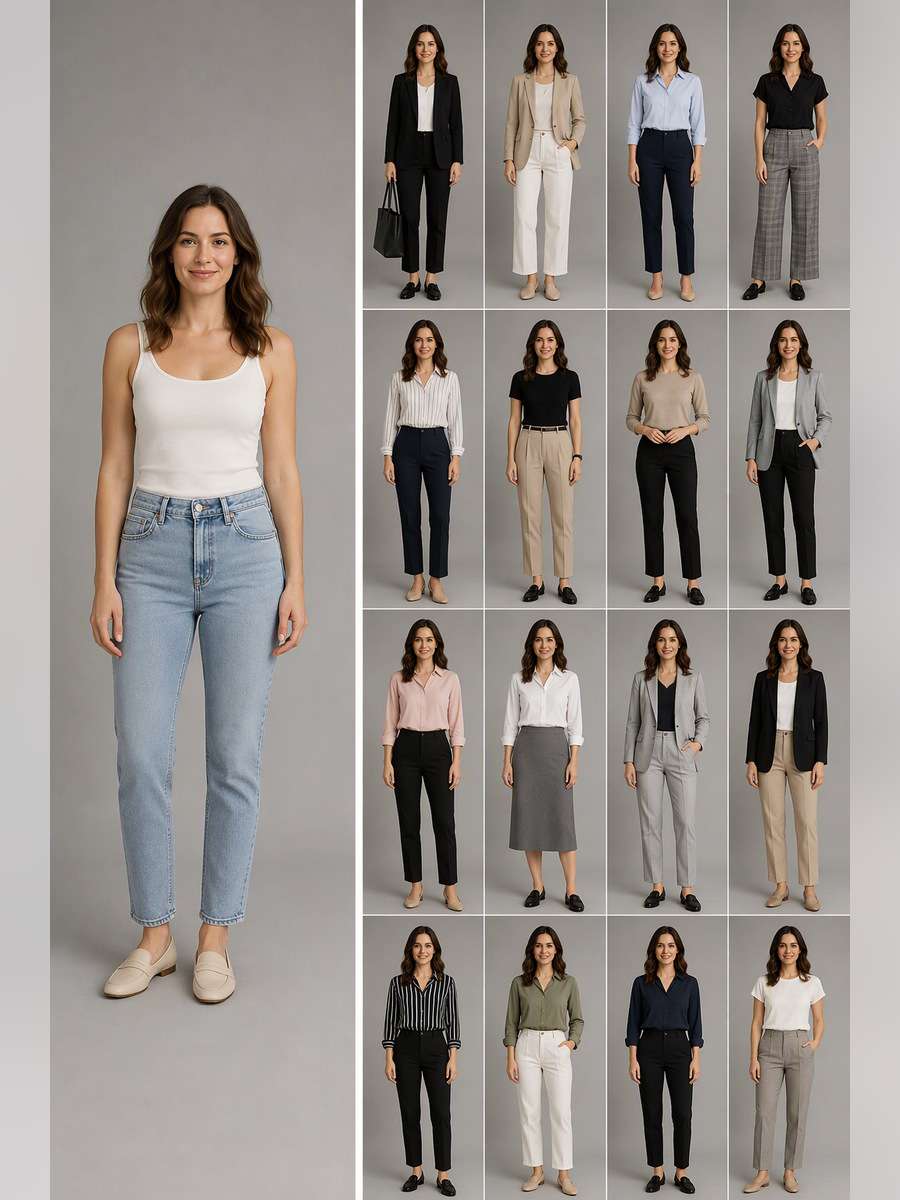
Use the uploaded person as the identity anchor for all sixteen outfits in a clean editorial grid. Scene: Present sixteen realistic office outfits ranging from soft tailoring to smart casual, consistent gray backdrop and full shoes visible, appropriate for an ordinary workplace rather than a runway. Use exact even panel spacing, consistent full-length proportions and neutral studio color; no duplicate cells, cropped footwear or broken grid.
Weekend Coffee Shop Styles
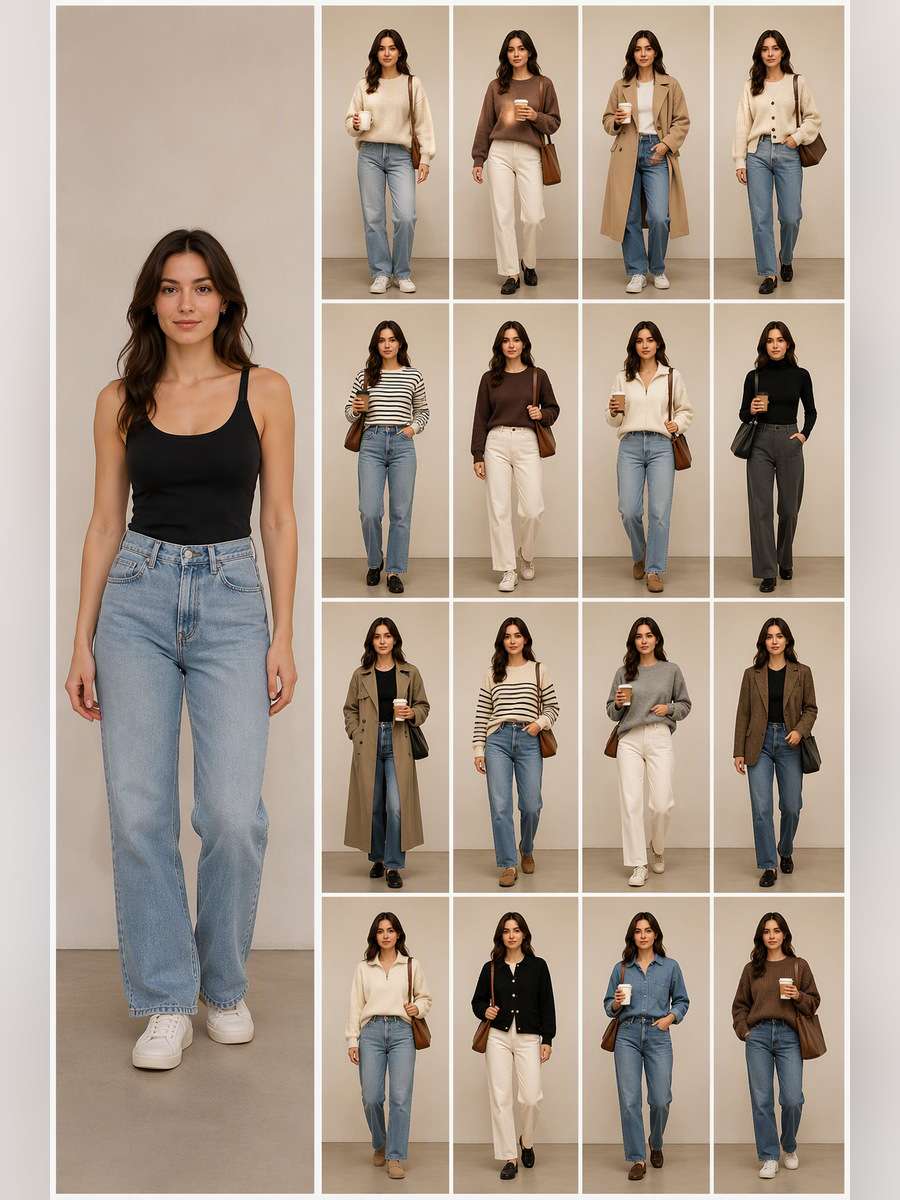
Create one square sixteen-outfit comparison board showing the same adult from the reference image in every panel. Scene: Make a 4x4 collage of cozy weekend layers, knitwear, relaxed jeans and loafers, one person with steady proportions and a simple indoor studio backdrop. Maintain identity across panels and make every outfit visually inspectable, with realistic fabric and subtle shadows in the same studio.
Four Seasons 16 Fits
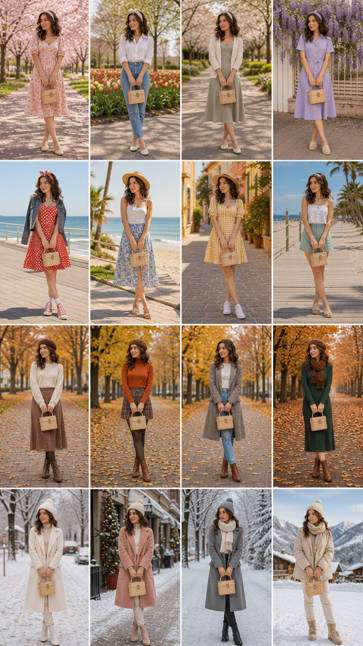
Build a single image with sixteen equal full-body frames of the reference person, all wearing unique clothing combinations. Scene: Divide the 4x4 cells into four rows—spring, summer, fall and winter—with four weather-appropriate outfits each, identical face and stance throughout. The final single square image must contain precisely sixteen distinct clothing combinations of one person, evenly separated without text or brand logos.
Denim Silhouette Laboratory
Create one square sixteen-outfit comparison board showing the same adult from the reference image in every panel. Scene: Contrast sixteen denim cuts and layering approaches, including wide-leg, straight, tapered and relaxed jeans, keeping torso width and camera focal length fixed. Keep the same face, hairstyle, body and camera height in each of the sixteen cells; thin white gutters, no captions, head and shoes visible, one 1:1 grid.
Black and White Wardrobe Test
Build a single image with sixteen equal full-body frames of the reference person, all wearing unique clothing combinations. Scene: Compare sixteen monochrome outfits using black, charcoal, ivory and soft gray, vary textures and silhouettes instead of introducing new colors. Use exact even panel spacing, consistent full-length proportions and neutral studio color; no duplicate cells, cropped footwear or broken grid.
Earth-Tone Outfit Palette
Using one clear reference photograph, make a single coherent 4x4 fashion lookbook with exactly sixteen cells. Scene: Style sixteen coordinated looks in olive, camel, stone, rust and chocolate, deliberate accessories, coherent lighting and equal wardrobe visibility. Maintain identity across panels and make every outfit visually inspectable, with realistic fabric and subtle shadows in the same studio.
Date Night vs Dinner Party
Restyle the uploaded person into a precise four-row, four-column outfit grid, with no missing or merged panels. Scene: Place eight relaxed date-night looks beside eight polished dinner-party outfits in a single 4x4 board, no background changes, formalities visibly distinct. The final single square image must contain precisely sixteen distinct clothing combinations of one person, evenly separated without text or brand logos.
Sneaker Styling Lookbook
Use the uploaded person as the identity anchor for all sixteen outfits in a clean editorial grid. Scene: Keep a recognizable pair of white sneakers in every panel and vary trousers, skirts, layering and outerwear across sixteen natural outfits. Keep the same face, hairstyle, body and camera height in each of the sixteen cells; thin white gutters, no captions, head and shoes visible, one 1:1 grid.
Blazer Mix-and-Match Board
Restyle the uploaded person into a precise four-row, four-column outfit grid, with no missing or merged panels. Scene: Feature one navy blazer styled with sixteen combinations, from office trousers to vintage denim, with stable garment color and meaningful accessories. Make clothing silhouettes genuinely different, not sixteen recolors of one shirt; control background and lighting across all 4 rows and 4 columns.
Travel Carry-On Capsule
Use the uploaded person as the identity anchor for all sixteen outfits in a clean editorial grid. Scene: Invent sixteen wrinkle-conscious travel outfits made from a limited carry-on wardrobe, varied temperature layers and one consistent neutral shoe palette. Use exact even panel spacing, consistent full-length proportions and neutral studio color; no duplicate cells, cropped footwear or broken grid.
Quiet Luxury Outfit Comparison
Create one square sixteen-outfit comparison board showing the same adult from the reference image in every panel. Scene: Show subtle tailored trousers, silk-look shirts and long coats across sixteen understated looks; rely on fit and fabric, not brand marks. The final single square image must contain precisely sixteen distinct clothing combinations of one person, evenly separated without text or brand logos.
Retro 1990s Wardrobe Grid
Build a single image with sixteen equal full-body frames of the reference person, all wearing unique clothing combinations. Scene: Dress the same adult in sixteen wearable 1990s-inspired combinations using vintage denim, ribbed knits, leather jackets and sneakers, cohesive period color grading. Keep the same face, hairstyle, body and camera height in each of the sixteen cells; thin white gutters, no captions, head and shoes visible, one 1:1 grid.
Festival Outfit Mood Board
Using one clear reference photograph, make a single coherent 4x4 fashion lookbook with exactly sixteen cells. Scene: Create sixteen distinct festival-ready looks ranging from practical cargo styling to colorful knit sets, one stable studio face and full-body framing. Make clothing silhouettes genuinely different, not sixteen recolors of one shirt; control background and lighting across all 4 rows and 4 columns.
Summer Linen Coordination
Build a single image with sixteen equal full-body frames of the reference person, all wearing unique clothing combinations. Scene: Compare sixteen lightweight linen outfit ideas with white, oat, sky and sage palettes, visible natural fabric folds and breathable silhouettes. Use exact even panel spacing, consistent full-length proportions and neutral studio color; no duplicate cells, cropped footwear or broken grid.
Winter Layering Comparison
Using one clear reference photograph, make a single coherent 4x4 fashion lookbook with exactly sixteen cells. Scene: Show sixteen legitimate cold-weather arrangements of sweaters, coats, scarves and boots, no duplicate coats, realistic layered volumes. Maintain identity across panels and make every outfit visually inspectable, with realistic fabric and subtle shadows in the same studio.
Gym to Brunch Athleisure
Restyle the uploaded person into a precise four-row, four-column outfit grid, with no missing or merged panels. Scene: Split sixteen full-body looks between training apparel and elevated weekend athleisure, consistent adult body and modest studio lighting. The final single square image must contain precisely sixteen distinct clothing combinations of one person, evenly separated without text or brand logos.
Campus Street Style Grid
Use the uploaded person as the identity anchor for all sixteen outfits in a clean editorial grid. Scene: Display sixteen student-friendly casual looks with varsity layers, overshirts, knitwear and comfortable footwear, no school logos. Make clothing silhouettes genuinely different, not sixteen recolors of one shirt; control background and lighting across all 4 rows and 4 columns.
Wedding Guest Wardrobe
Create one square sixteen-outfit comparison board showing the same adult from the reference image in every panel. Scene: Build a 4x4 lookbook of sixteen guest outfits appropriate for day and evening ceremonies, distinct dress codes, understated accessories and no bridal styling. Use exact even panel spacing, consistent full-length proportions and neutral studio color; no duplicate cells, cropped footwear or broken grid.
One White Shirt Sixteen Ways
Use the uploaded person as the identity anchor for all sixteen outfits in a clean editorial grid. Scene: Keep the same crisp white shirt recognizable in all sixteen looks while changing how it is tucked, layered, buttoned and paired with bottoms. Maintain identity across panels and make every outfit visually inspectable, with realistic fabric and subtle shadows in the same studio.
Color-Blocking Experiment
Create one square sixteen-outfit comparison board showing the same adult from the reference image in every panel. Scene: Compare sixteen wearable color pairings—cobalt with cream, plum with tan, rust with navy—without letting skin tone or facial identity change. The final single square image must contain precisely sixteen distinct clothing combinations of one person, evenly separated without text or brand logos.
Gender-Neutral Smart Casual
Build a single image with sixteen equal full-body frames of the reference person, all wearing unique clothing combinations. Scene: Show sixteen contemporary gender-neutral outfits with loose tailoring, simple loafers, clean tees and technical jackets, a consistent mature adult model. Keep the same face, hairstyle, body and camera height in each of the sixteen cells; thin white gutters, no captions, head and shoes visible, one 1:1 grid.
Autumn Texture Study
Using one clear reference photograph, make a single coherent 4x4 fashion lookbook with exactly sixteen cells. Scene: Construct a 4x4 grid of wool, corduroy, brushed cotton and leather textures in deep seasonal tones, sixteen clearly separate layered combinations. Make clothing silhouettes genuinely different, not sixteen recolors of one shirt; control background and lighting across all 4 rows and 4 columns.
Two-Tone Grid for Polls
Restyle the uploaded person into a precise four-row, four-column outfit grid, with no missing or merged panels. Scene: Make eight navy-led and eight olive-led outfits in a precise 4x4 comparison for a social vote, no numerals or text, visible full-body stances. Maintain identity across panels and make every outfit visually inspectable, with realistic fabric and subtle shadows in the same studio.
Get a Readable 4x4 Outfit Grid, Not Sixteen Different Faces
The visual quality of a 16 outfits AI prompt depends on panel discipline more than dramatic scenery.
Lock the comparison variables
Ask for the same person in every cell with the same standing posture, facial expression and crop.
Use one neutral background and even softbox lighting when the goal is comparing silhouettes.
List sixteen combinations in reading order if exact wardrobe control matters.
Make the grid useful
A same person different outfits prompt should change actual garment shapes, not merely one shirt color.
Use a 1:1 final grid to keep cells balanced; avoid lettering so corrupted labels do not distract.
If faces drift or cells merge, reduce accessory complexity or make a 2×2 test grid before the full sixteen.
Choose the Right Outfit Grid for the Decision You Are Making
A work capsule wardrobe needs consistent lighting; a decade-inspired fashion challenge benefits from stronger stylistic variation.
One-person lookbooks
Compare sixteen clear wardrobe combinations side by side while keeping one identifiable wearer.
Capsule-wardrobe planning
Test how fewer garments mix without assuming AI knows your closet measurements.
Before a purchase
Preview cut and color direction before buying, then check actual size and fabric separately.
Social challenge formats
Use coordinated theme boards to invite friends to vote for their favorite panel.
FAQs About Ai Outfit Grid Prompts
1. How do I make exactly 16 outfits in a 4x4 grid?
Specify four rows, four columns, sixteen full-body cells and the clothes in reading order. Check the count afterward because image models may merge panels.
2. Can I keep exactly the same face in every outfit?
Ask for one consistent face, hair and body shape across cells and provide a clear reference. It helps, but exact identity matching cannot be guaranteed.
3. Should I generate 16 pictures separately?
For a single comparison board, one structured grid prompt often preserves a more coherent visual layout. Separate renders can be better for high-resolution individual outfit images.
4. Can an outfit grid predict how clothes will fit?
Not precisely. These are visual styling concepts, not measurements or verified product try-ons.
5. What size works best for Instagram?
A square board makes sixteen equal cells readable. A tall feed version is possible, but tiny panels may hide clothing detail.