Klicken oder ziehen, um hochzuladen, oder wählen Sie aus Meine HistorieKlicken Sie zum HochladenMeine Historie
Keine Ideen? Erstellen Sie zuerst ein Bild. >
Laden Sie jpg-, jpeg- oder png-Bilder bis zu 50 MB hoch, mit einer Mindestbreite/-höhe von 300 px.
Preview a Full, Swingy Italian Bob Before You Cut
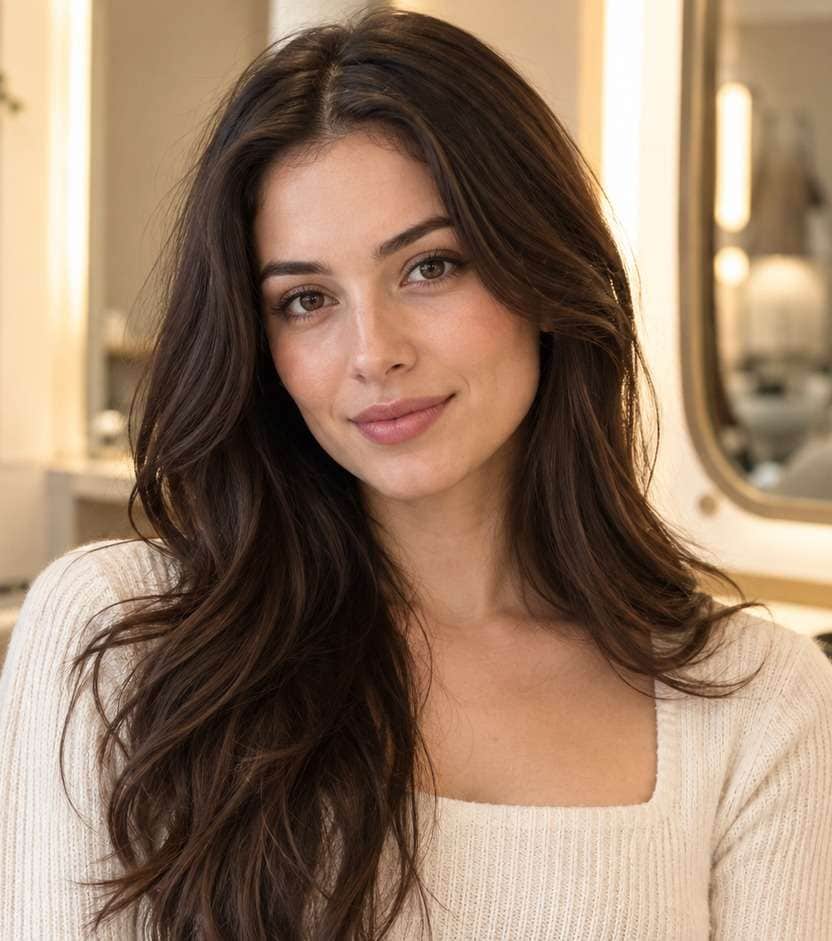
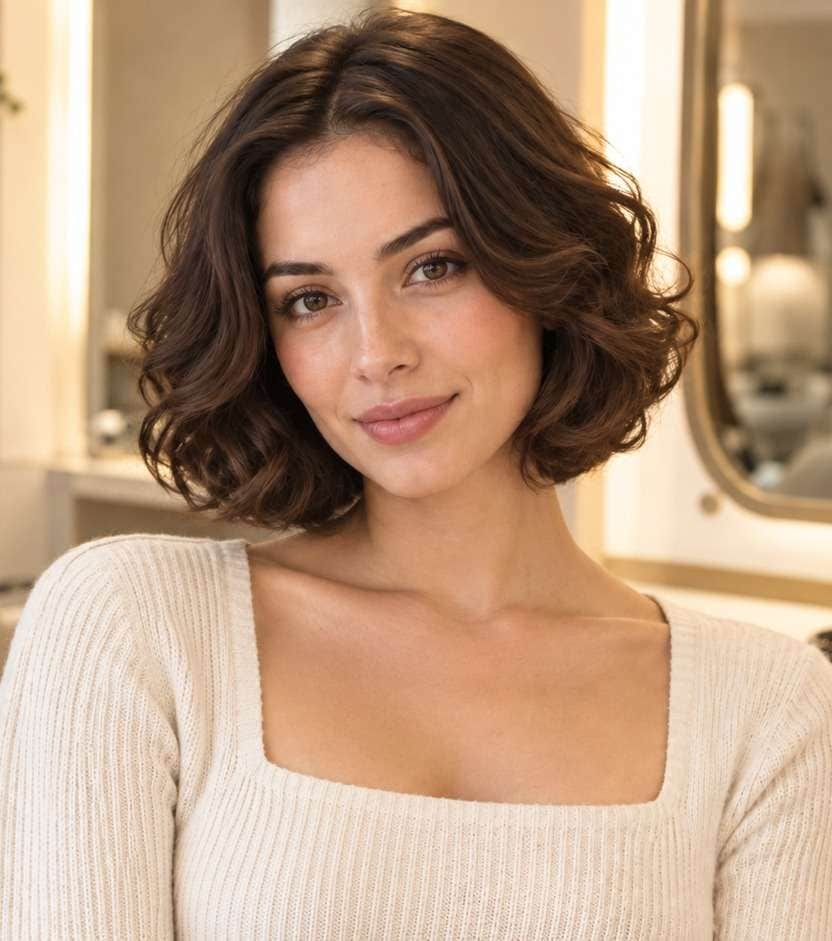
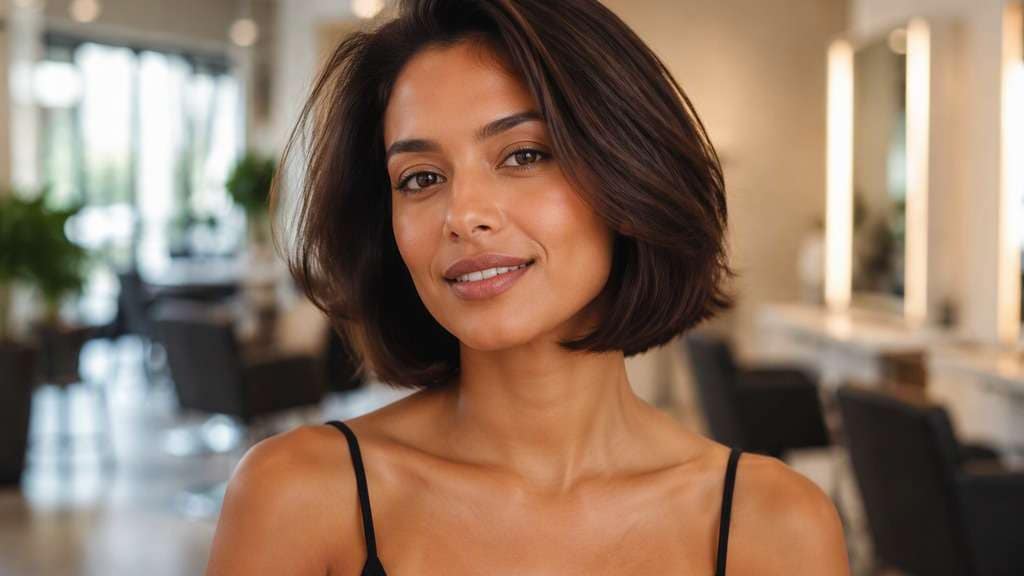
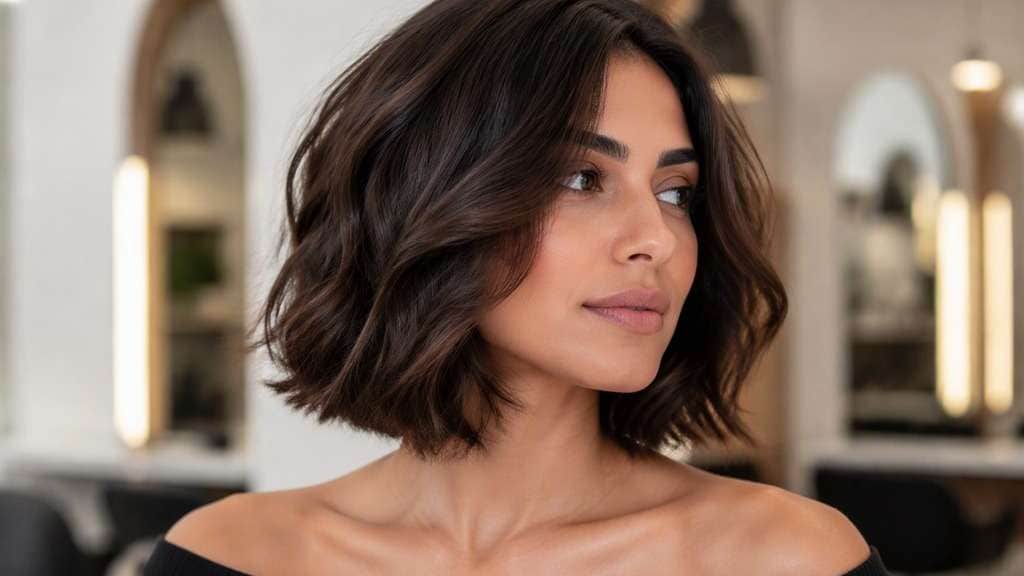
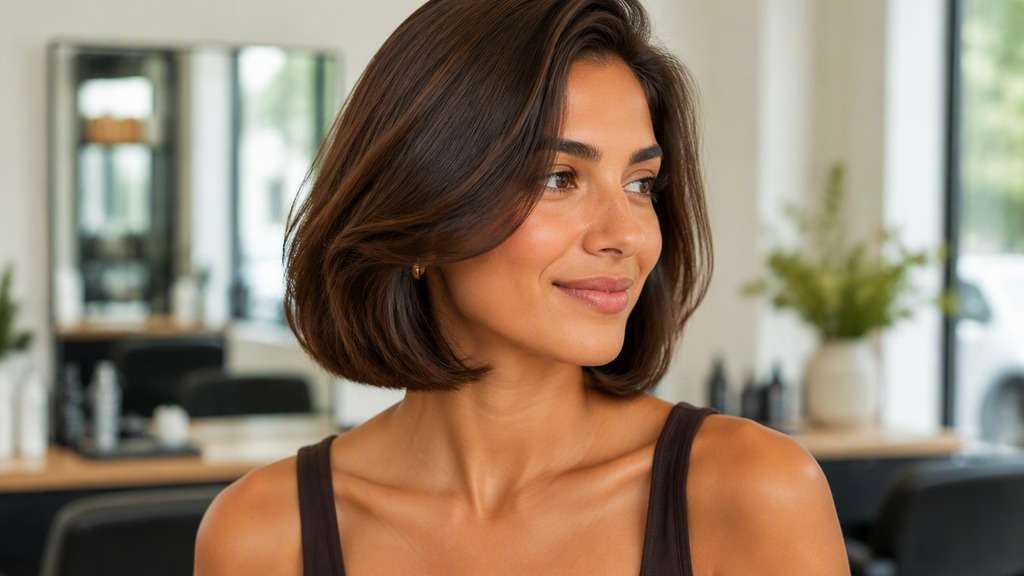
The Italian bob brings weight and movement together: a substantial shape around the lower jaw or neck, often with an easy side part and a bouncy finish. A italian bob filter helps you see how much fullness you actually want beside your face, from an understated everyday bob to a polished blowout-inspired version.
Show your neckline so the full-ended perimeter is visible.
An Italian bob should still read as a strong haircut beneath the styling. These versions compare body, part and finish while retaining a visible lower outline.
Classic Full Italian Bob
In my uploaded portrait, change only the hair to this specific cut: Substantial lower-jaw-to-neck bob with soft side part and inward-curved full ends. Preserve the recognizable facial features, expression, skin tone, existing hair color, clothing, camera perspective and background of the uploaded photo. Avoid an airbrushed wig look; show believable roots, natural strand separation and enough of the neckline to judge length. Do not replace the substantial full-ended shape with a layered shag or short French crop.
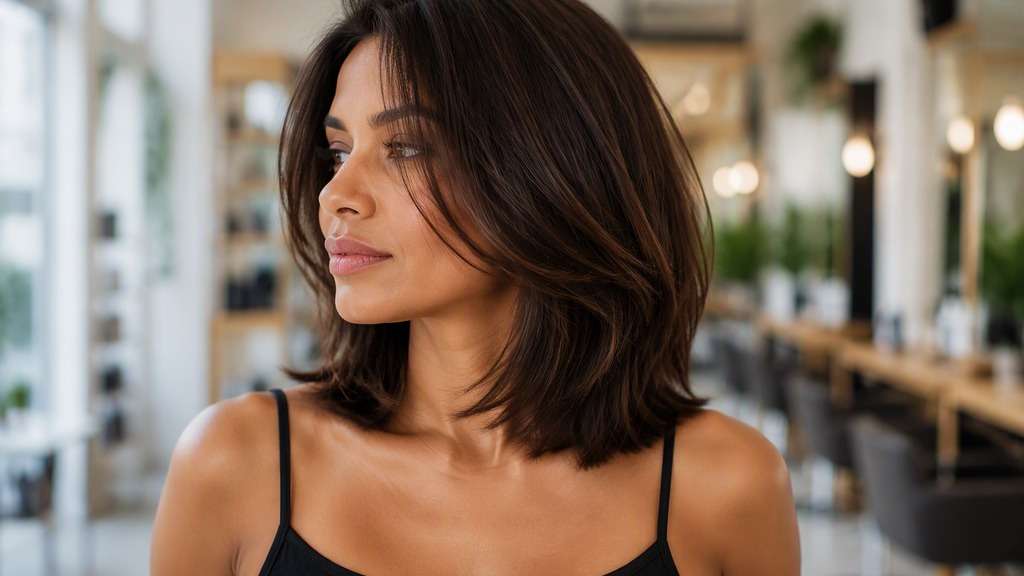
Italian Bob with Soft Blowout
Use the person in my reference image and preview this haircut: Neck-length full bob with root lift, loose blowout bounce and believable salon volume. Use the uploaded photo as the reference; keep the original facial features, hair shade, skin tone, outfit, posture and room lighting recognizable. Keep the result photorealistic and cut-specific, with natural flyaways and a hairline that blends with the original photo. Do not replace the substantial full-ended shape with a layered shag or short French crop.
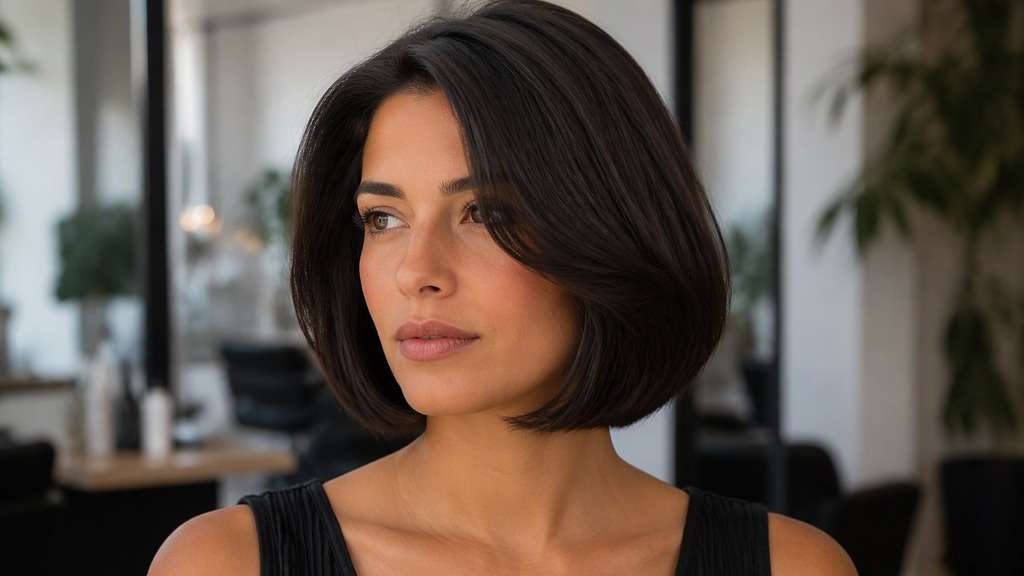
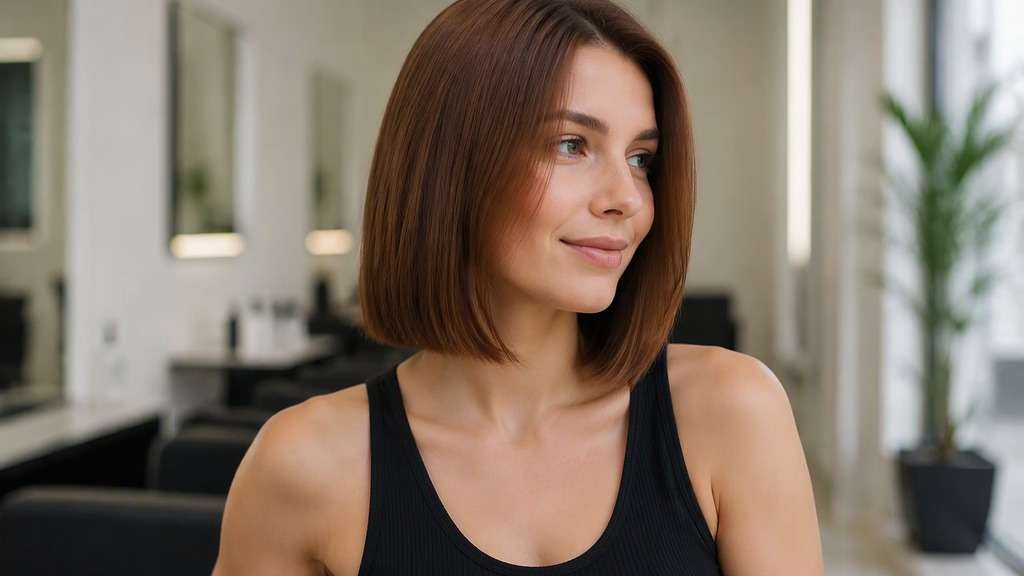
Sleek Italian Bob
Edit my original photo to show the following hairstyle, without replacing the person: Full even perimeter and polished straight finish, no dramatic curls. Edit the hairstyle only on my supplied portrait. Keep my identity cues, face proportions, expression, clothes, original hair color and setting consistent. Show the actual perimeter clearly against the jaw, neck or shoulders, without exaggerated artificial density or altered facial geometry. Do not replace the substantial full-ended shape with a layered shag or short French crop.
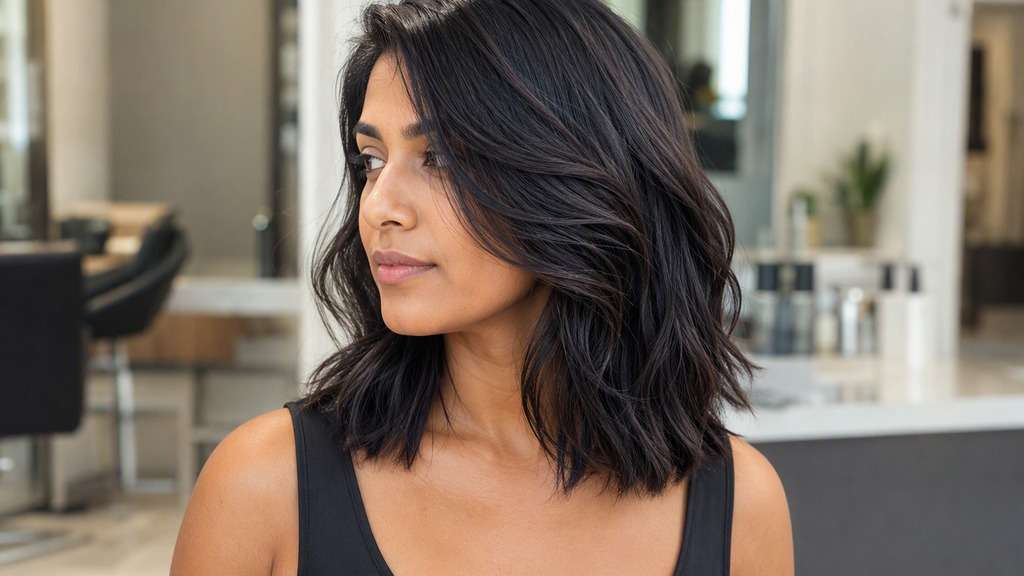
Off-Center Italian Bob
Keep the source portrait as the base and create this precise hairstyle: Strong weight through ends and relaxed offset part with sweeping front strands. Start from my own image and retain the same person, original face, makeup, attire, lighting, camera angle and background where possible. Leave the original camera framing in place, show believable hair strands and avoid changing makeup, outfit or facial structure. Do not replace the substantial full-ended shape with a layered shag or short French crop.
Italian Bob with Subtle Layers
Using my uploaded selfie, show what I would look like with: Heavy overall shape but hidden internal layers supporting movement below ear level. Work from my provided selfie without altering the person, their skin tone, expression, shirt, setting or source lighting. Maintain the visual balance of the original portrait; avoid harsh compositing edges, extra hairpieces and unnaturally uniform strands. Do not replace the substantial full-ended shape with a layered shag or short French crop.
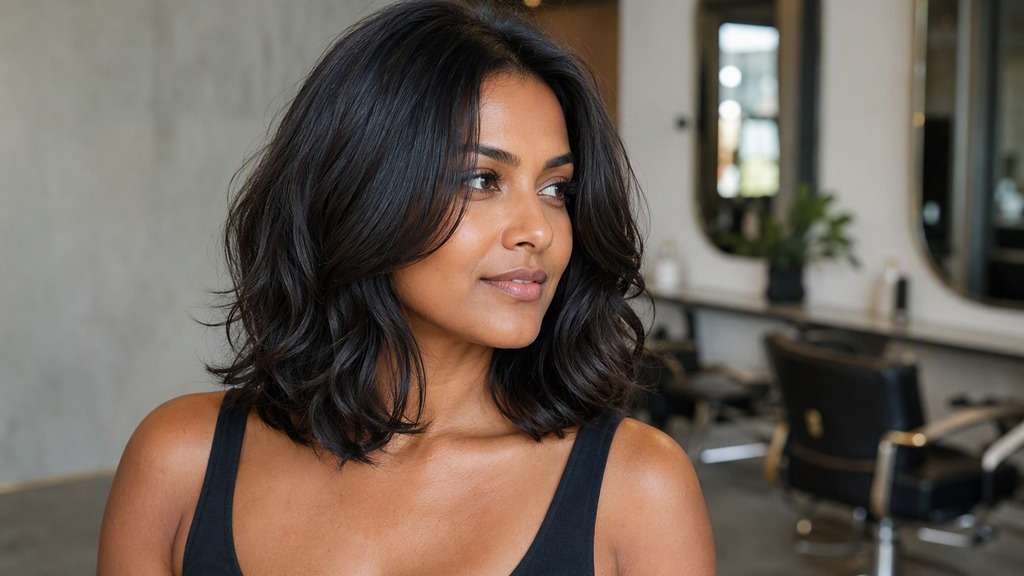
Wavy Italian Bob
In my uploaded portrait, change only the hair to this specific cut: Broad natural waves over substantial neck-length bob and full finish. Preserve the recognizable facial features, expression, skin tone, existing hair color, clothing, camera perspective and background of the uploaded photo. Avoid an airbrushed wig look; show believable roots, natural strand separation and enough of the neckline to judge length. Do not replace the substantial full-ended shape with a layered shag or short French crop.
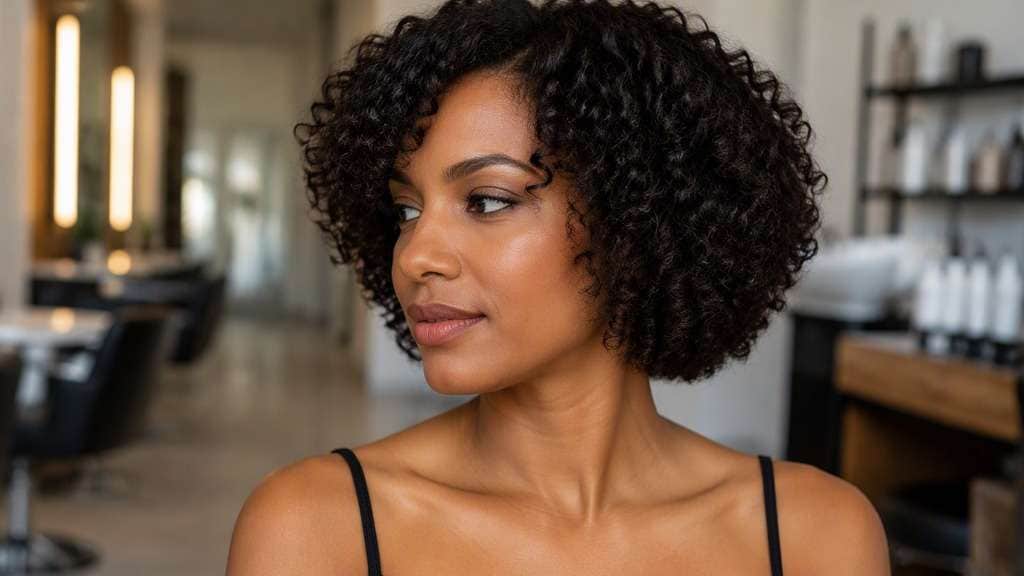
Curly Italian Bob
Use the person in my reference image and preview this haircut: Short defined curls with rounded weight and natural dry shrinkage near neck. Use the uploaded photo as the reference; keep the original facial features, hair shade, skin tone, outfit, posture and room lighting recognizable. Keep the result photorealistic and cut-specific, with natural flyaways and a hairline that blends with the original photo. Do not replace the substantial full-ended shape with a layered shag or short French crop.
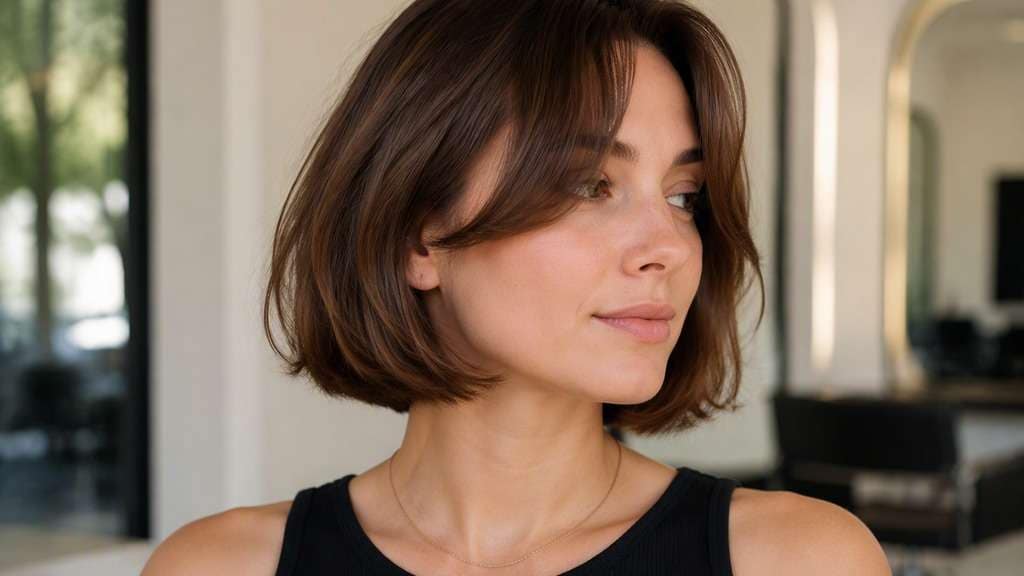
Italian Bob with Curtain Fringe
Edit my original photo to show the following hairstyle, without replacing the person: Full swingy neck-length bob plus soft divided fringe near cheekbones. Edit the hairstyle only on my supplied portrait. Keep my identity cues, face proportions, expression, clothes, original hair color and setting consistent. Show the actual perimeter clearly against the jaw, neck or shoulders, without exaggerated artificial density or altered facial geometry. Do not replace the substantial full-ended shape with a layered shag or short French crop.
Fine-Hair Italian Bob
Keep the source portrait as the base and create this precise hairstyle: Modest realistic root lift and full lower line, without artificially thick strands. Start from my own image and retain the same person, original face, makeup, attire, lighting, camera angle and background where possible. Leave the original camera framing in place, show believable hair strands and avoid changing makeup, outfit or facial structure. Do not replace the substantial full-ended shape with a layered shag or short French crop.
Vintage-Finish Italian Bob
Using my uploaded selfie, show what I would look like with: Weighty polished bob with gentle tucked ends and period-inspired soft side sweep. Work from my provided selfie without altering the person, their skin tone, expression, shirt, setting or source lighting. Maintain the visual balance of the original portrait; avoid harsh compositing edges, extra hairpieces and unnaturally uniform strands. Do not replace the substantial full-ended shape with a layered shag or short French crop.
Understand Why This Bob Looks So Full
Keep More Weight Through the Ends
The outline often feels substantial, unlike highly thinned-out or choppy bobs. Compare a fuller perimeter with one gently lightened for movement.
Use the Part to Change the Silhouette
A soft side part can create a broad sweep through the front without changing the cut. Test it against a center part to separate styling from length.
Balance Volume with Your Hair Density
An italian bob ai try on can suggest fullness, but a very thick image result might not translate to naturally fine strands. Keep density believable.
Tell a Blowout from a Different Cut
The voluminous italian bob is often photographed with lift and inward-curved ends. Preview both styled and unstyled finishes before picking the reference.
How to Use the Italian Bob Filter on Your Photo
For a useful weighty substantial bob silhouette preview, start with a well-lit reference image and change one hairstyle detail at a time.
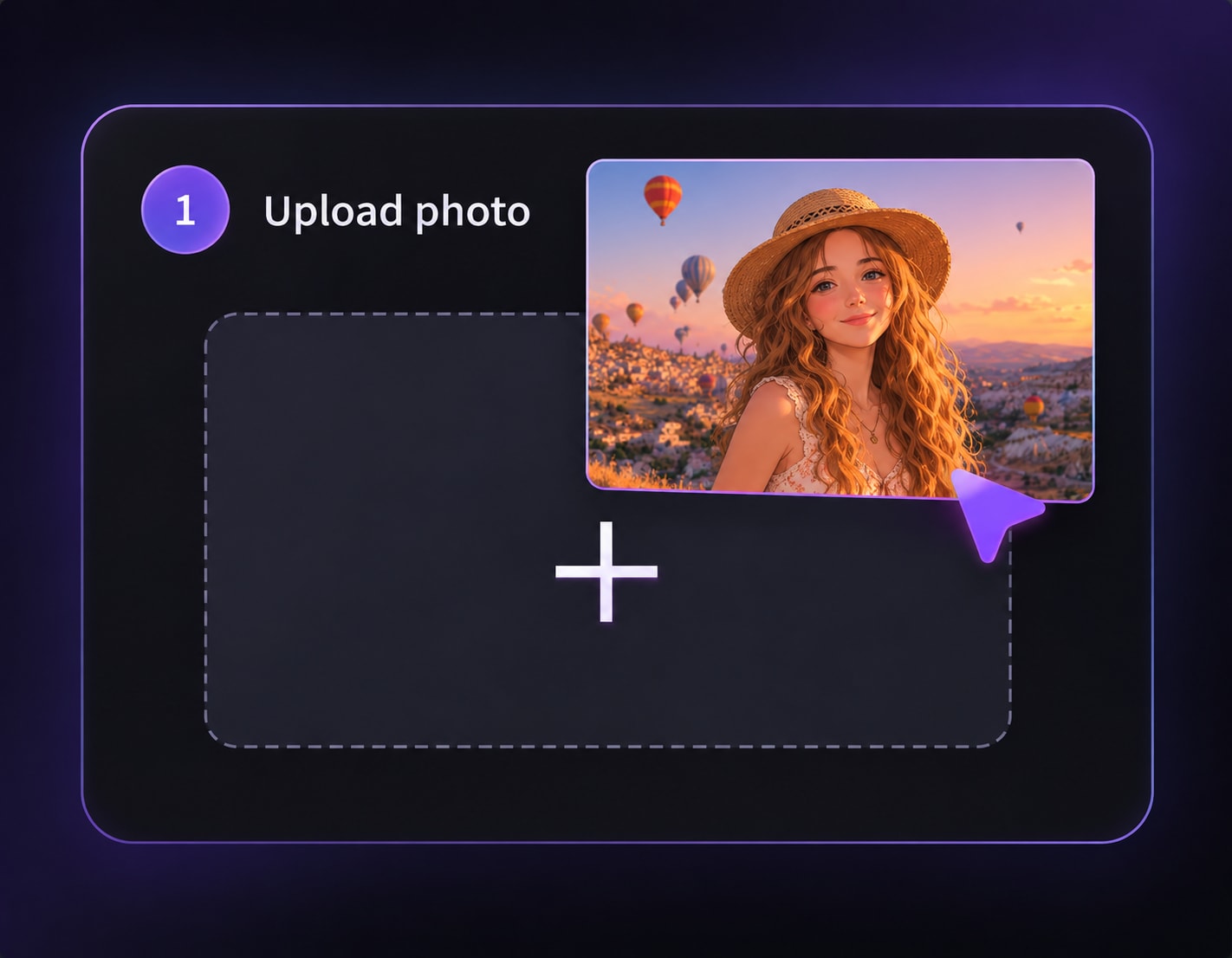
Step 1
Upload Your Photo
Upload a clear photo showing your face and hairline. Show your neckline so the full-ended perimeter is visible. Natural lighting helps the new haircut align with the source photo.
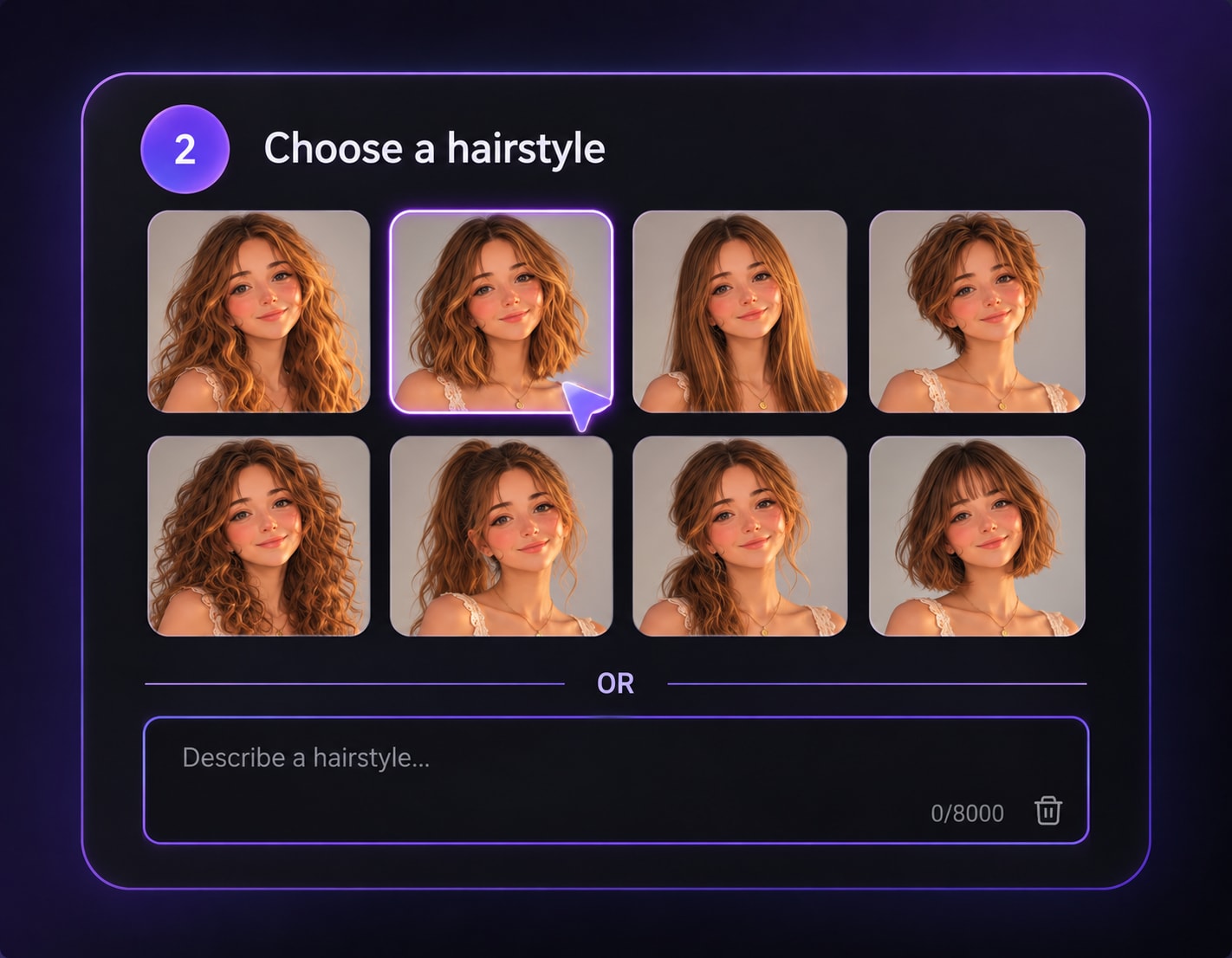
Step 2
Choose a Haircut Filter or Enter a Prompt
Choose a haircut preset if available, or write a custom prompt such as "full lower-jaw to neck bob with side part and loose polished body". Include the intended hair length, fringe and texture, and ask to keep the face and outfit.
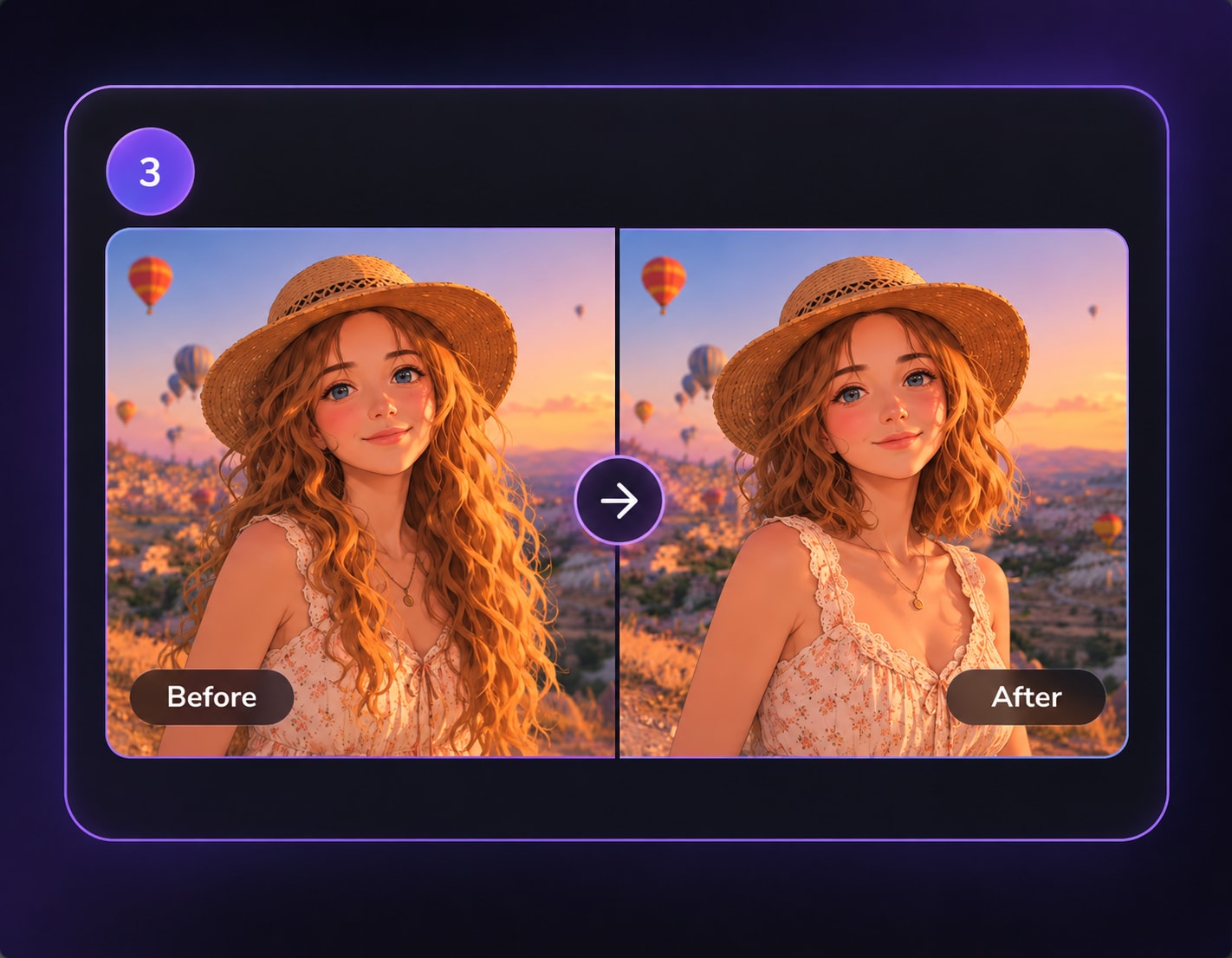
Step 3
Click Generate
Click Generate to create your hairstyle preview. Compare the result with your original portrait, then refine one detail at a time. Download the image you want to keep as a style reference.
Use the image to choose a realistic shape for your actual hair, not only the most dramatic salon finish.
Changing from a Thin Layered Bob
Compare the weightier Italian-bob baseline against airy layers to see whether you like the heavier lower silhouette.
Planning a Polished Everyday Look
Choose a subtle side part and modest natural bounce rather than demanding full editorial volume each morning.
Discussing a New Cut at the Salon
Bring two images: one with the preferred shape and one showing the amount of blowout lift you would like to achieve with styling.
What Media.io Users Say About Bob Hairstyle Previews
Alyssa M.
Salon Client
"Much more useful than a social filter" I wanted to know if a bob would actually suit my face, not just get a funny effect. Media.io gave me previews that looked polished and realistic enough to show my stylist.
Jenna R.
Beauty Content Creator
"Easy to compare several bob styles" I tested blunt, wavy, and curtain-bang versions from one selfie. The ability to generate multiple looks made this feel more like a real makeover tool than a random app filter.
Priya S.
Frequent Mobile User
"Worked well on my phone" I used it in my mobile browser without downloading anything. The results were quick, and the hairstyle blending looked surprisingly natural around my jawline and forehead.
Monica T.
Hair Stylist Assistant
"Helpful for consultation prep" Clients often ask to try a bob hairstyle before cutting. This made it easier to show different lengths and bangs visually, which helped narrow down the best direction faster.
A full-looking, substantial bob often ending near the lower jaw or neck, known for a loose, swingy shape and polished body rather than aggressively choppy layers.
2. How is an Italian bob different from a French bob?
Italian versions usually emphasize greater weight and voluminous movement; French bobs often sit shorter and are styled more casually.
3. Can I try an Italian bob with straight hair?
Yes. A smooth, full-edged version reveals the base shape; you can then compare it with a lifted blowout to see the effect of styling.
4. Will this haircut add volume to fine hair?
Its outline can look fuller, but the actual result depends on density and styling technique. An AI preview is not a promise of extra hair volume.
5. Does an Italian bob require a side part?
No. Side parting is common in styling inspiration, but a center part or relaxed off-center part can also suit the shape.
6. Which source photo should I use?
A front or slight three-quarter portrait with a visible neck and natural hairline helps you compare the fullness around the cheeks and ends.