Turn Prompt Ideas into Images
Bring a Prompt Saar idea into Media.io and turn it into your own image. Describe the subject, pose, wardrobe, background, lighting, and camera feel, then refine the result without needing advanced prompt-writing skills.
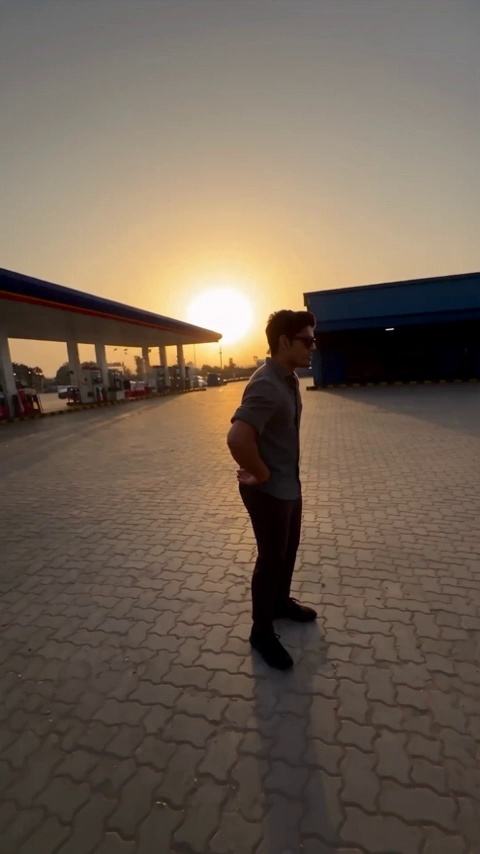
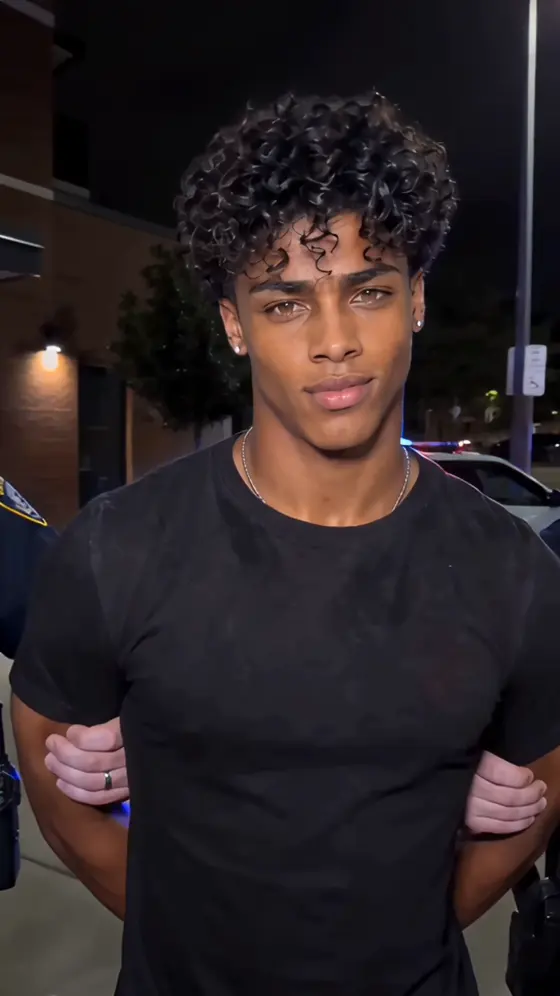
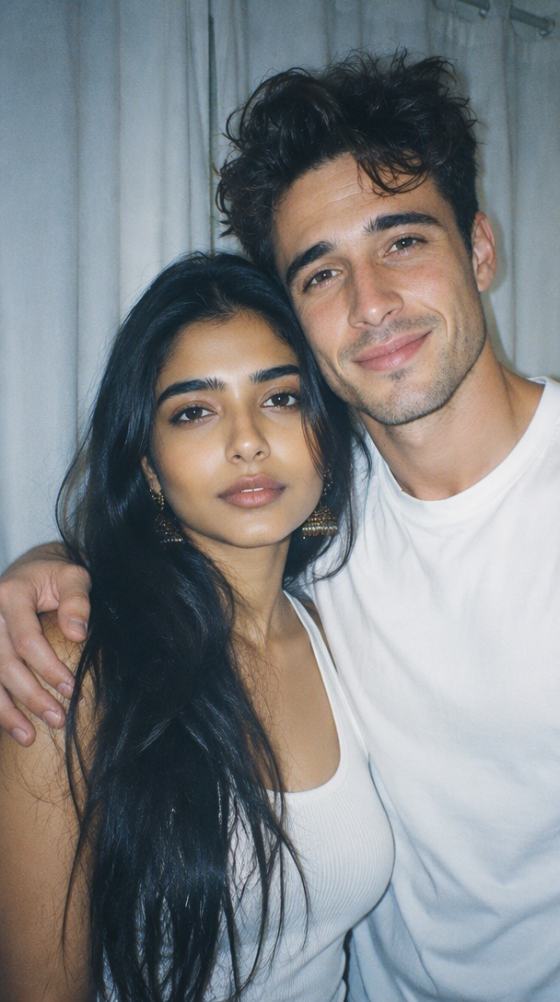
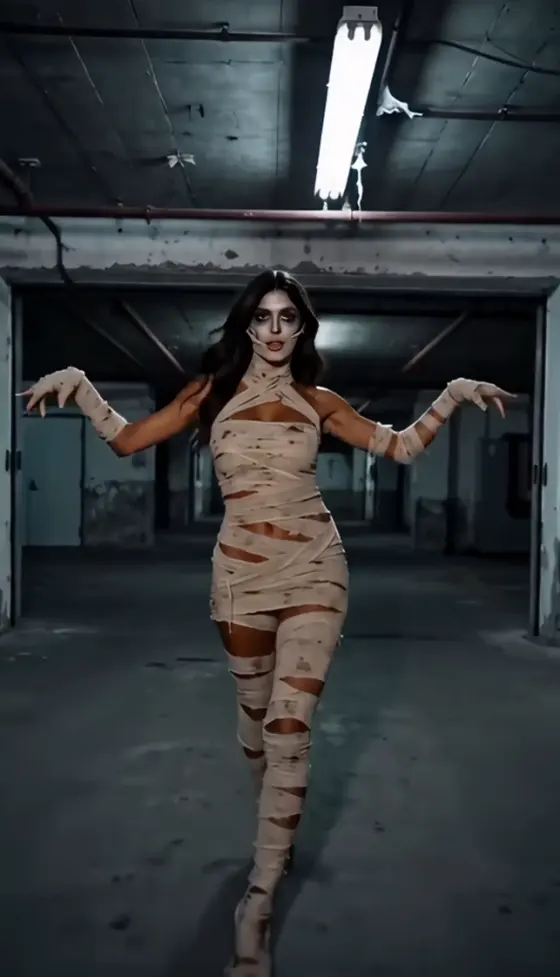
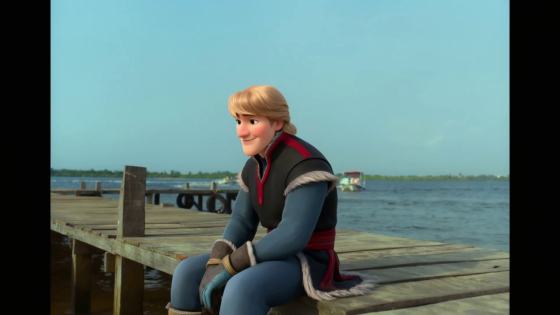
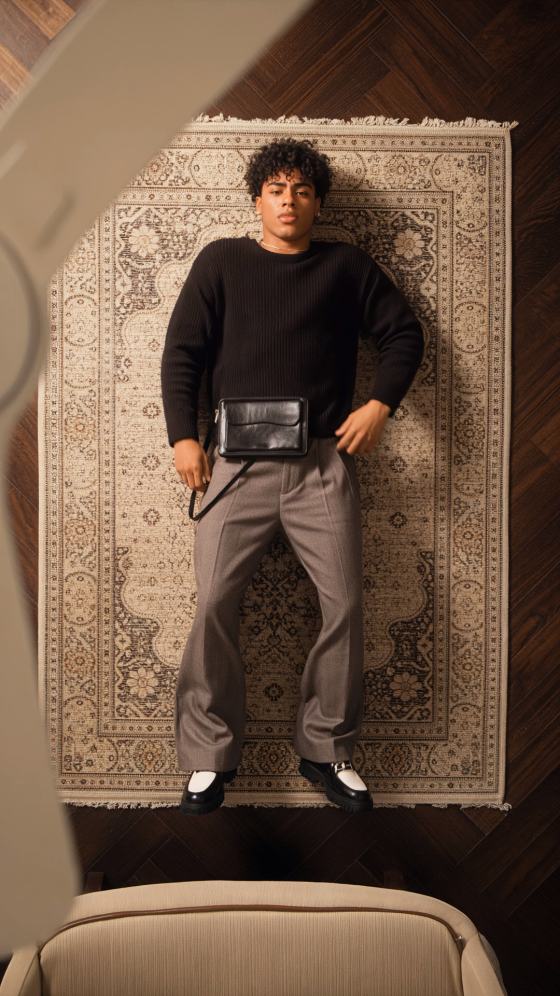
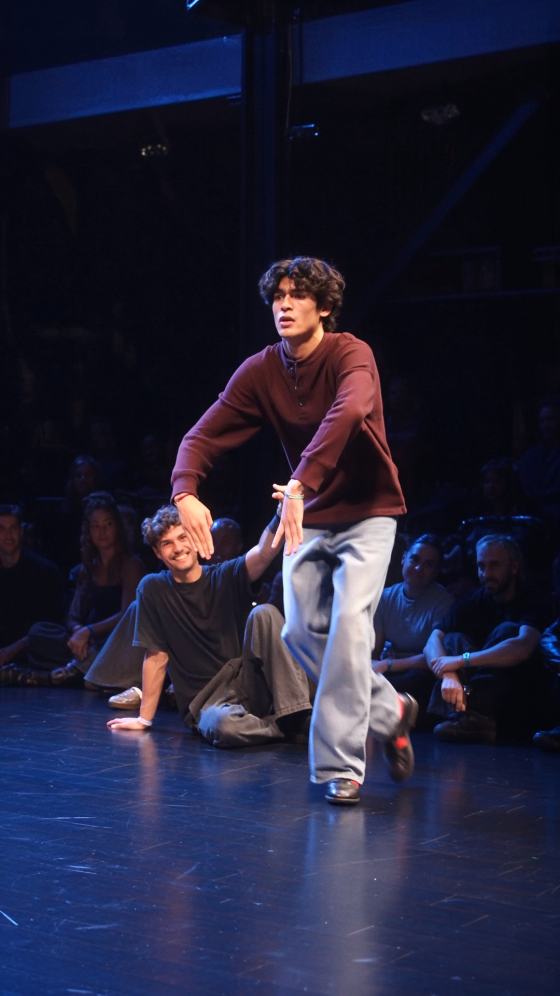
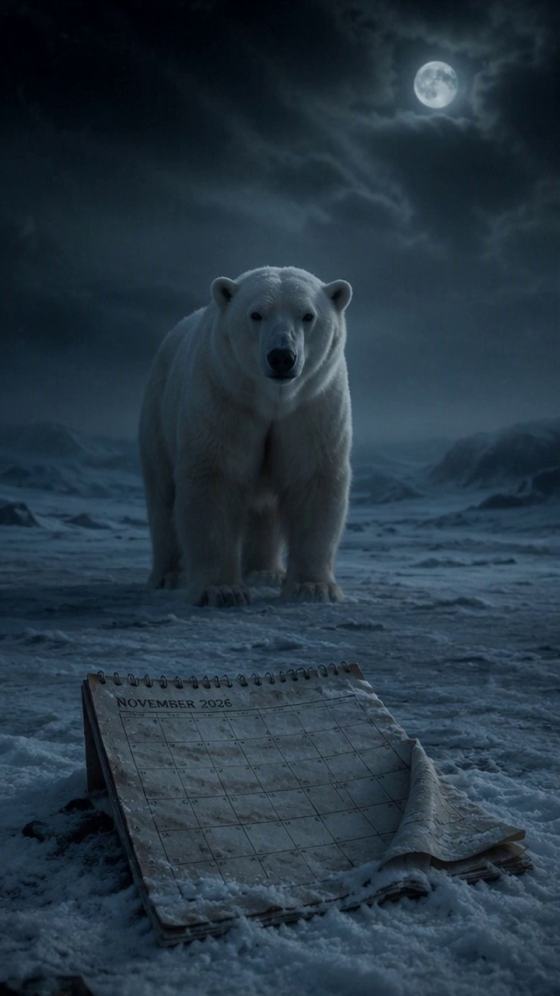
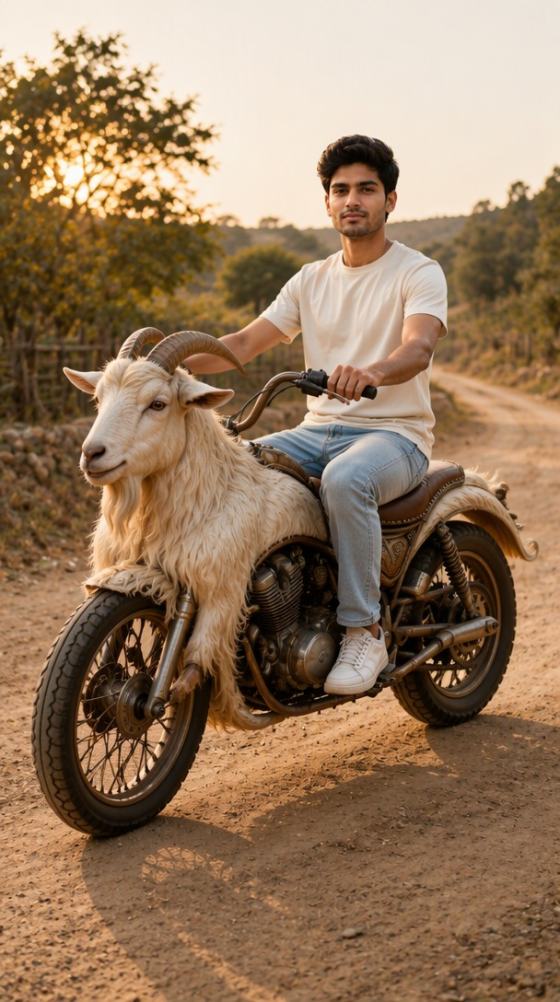
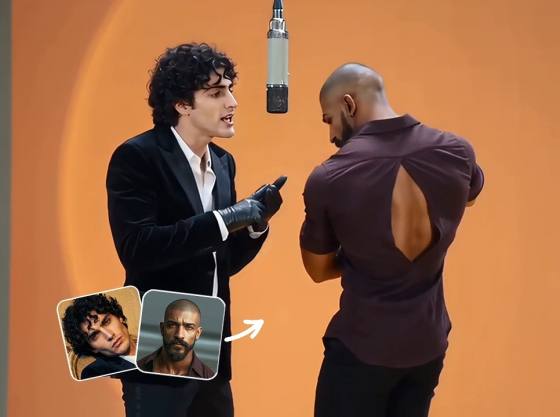
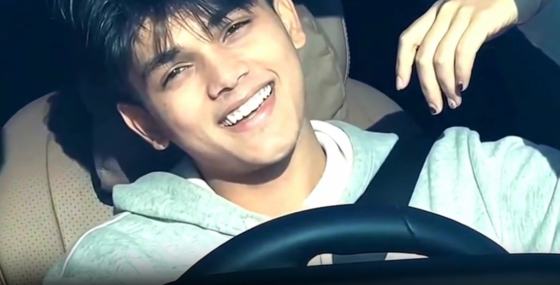
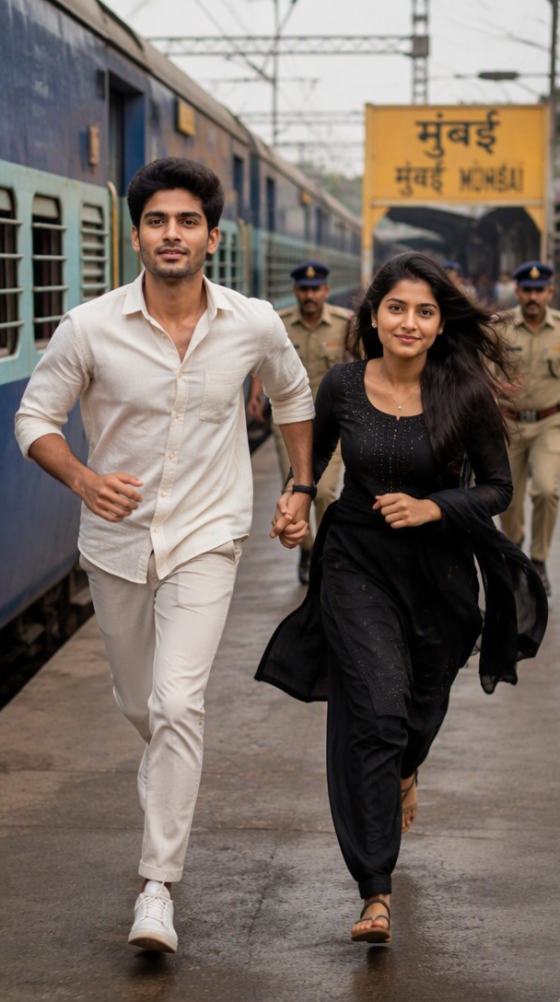
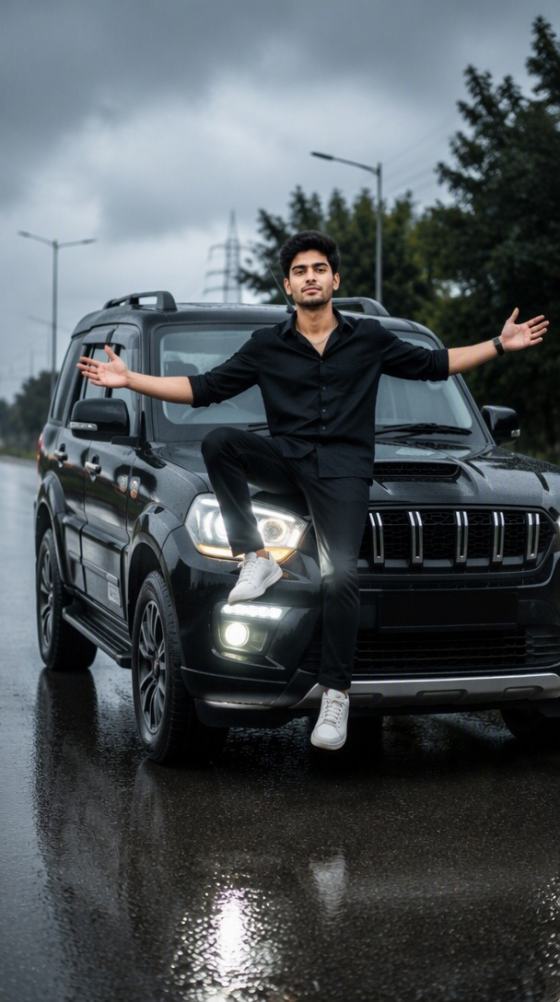
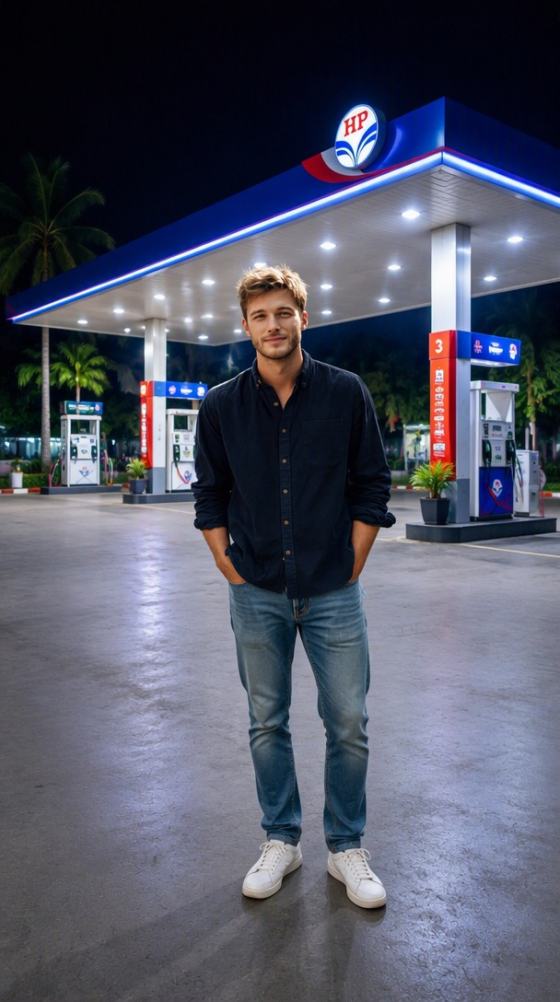
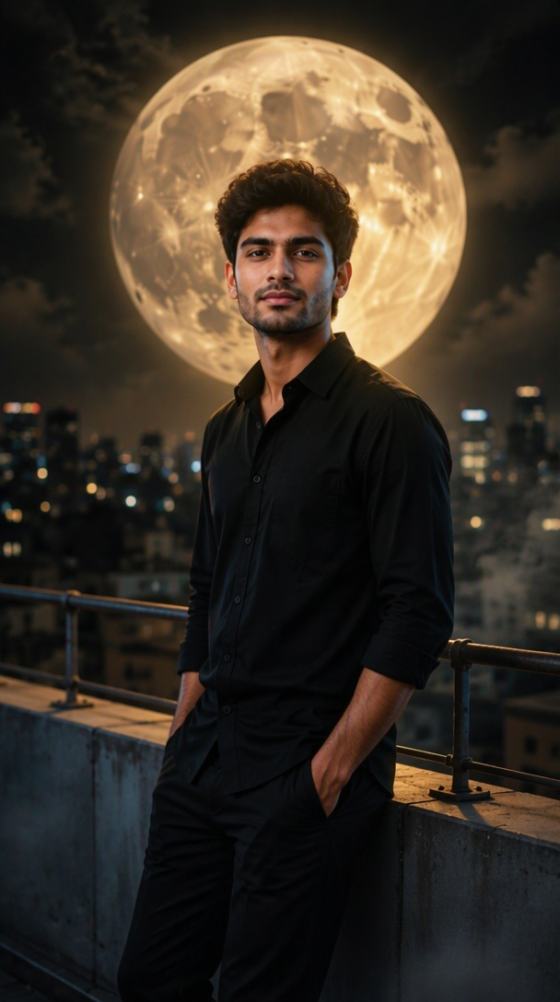
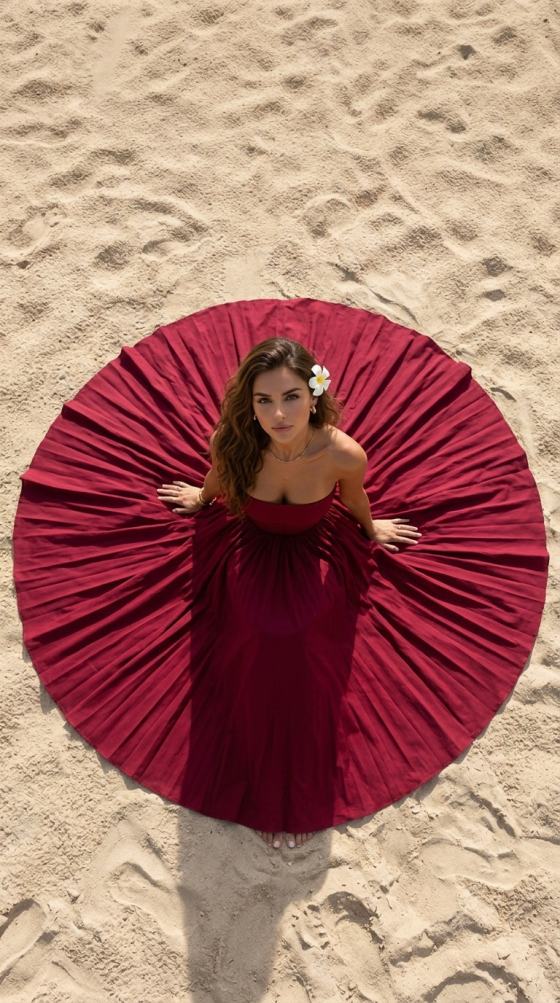
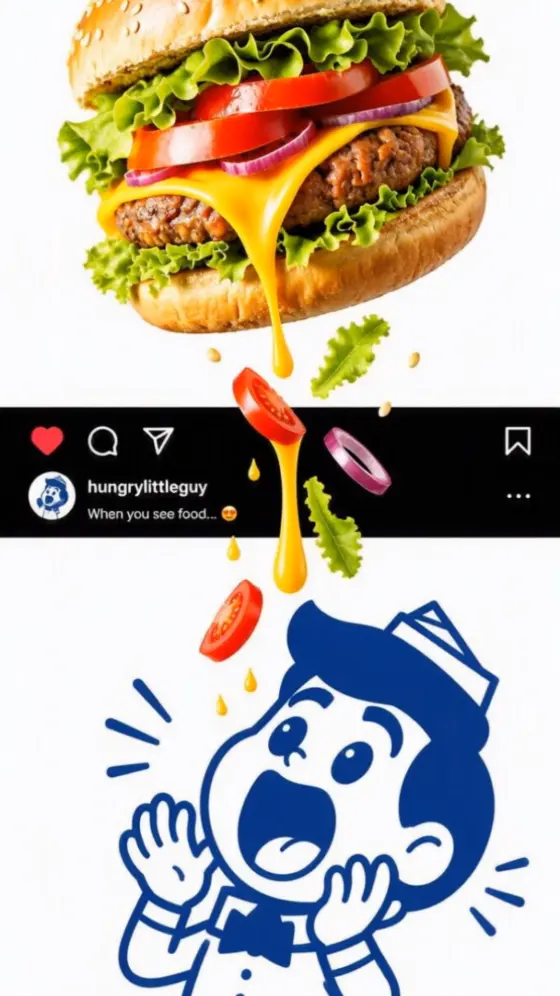
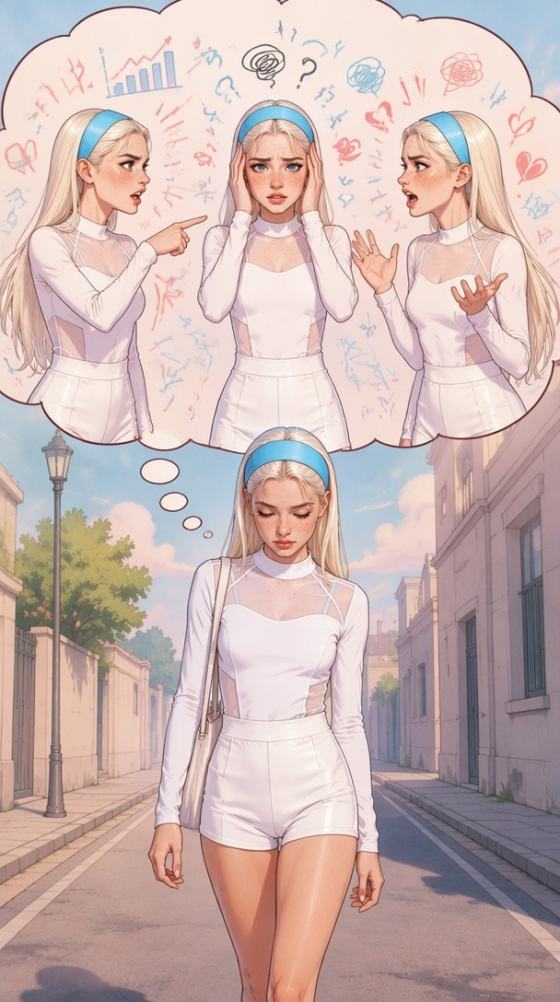
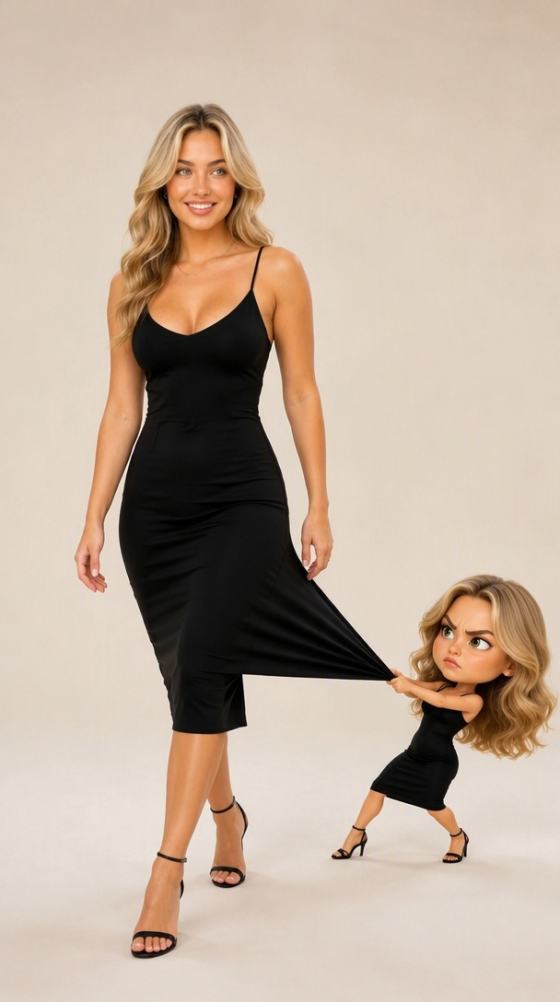
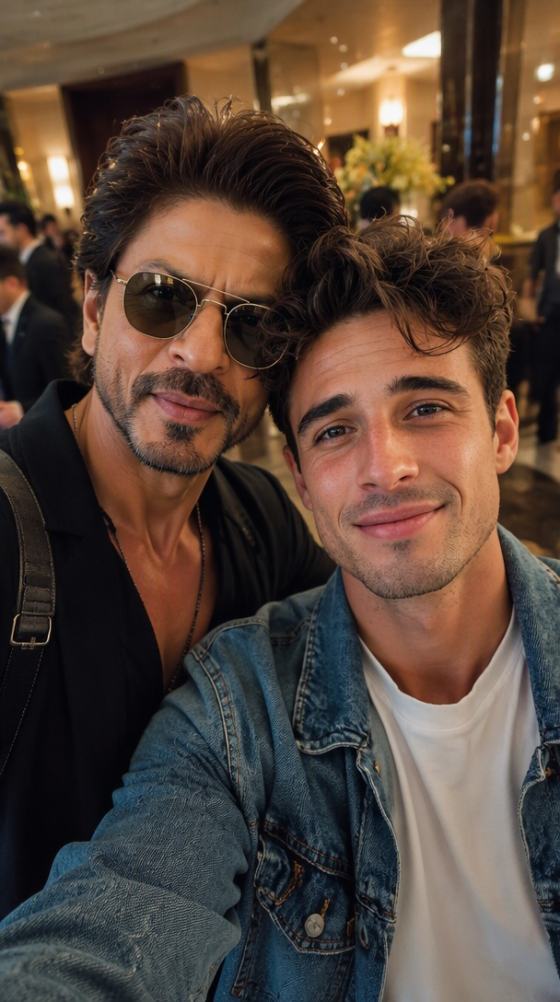
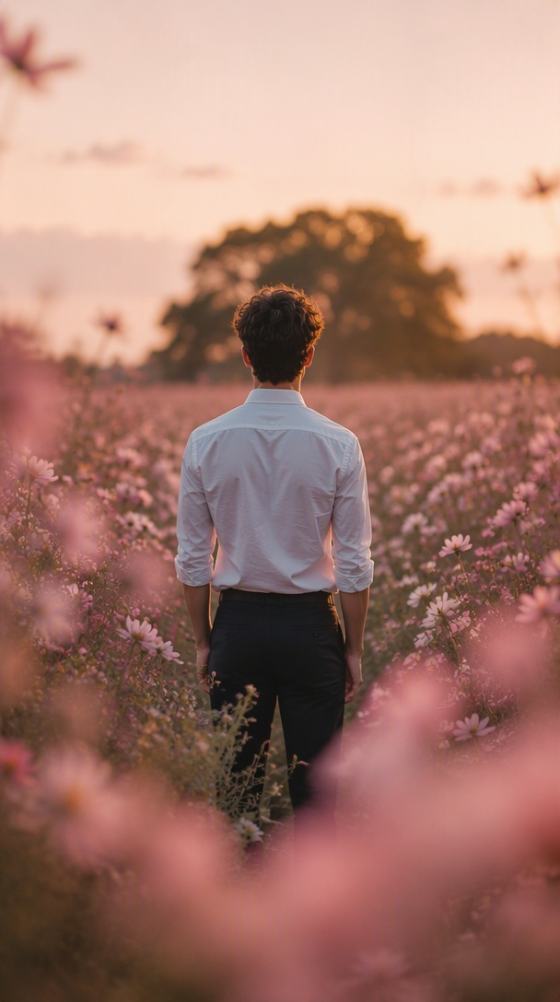
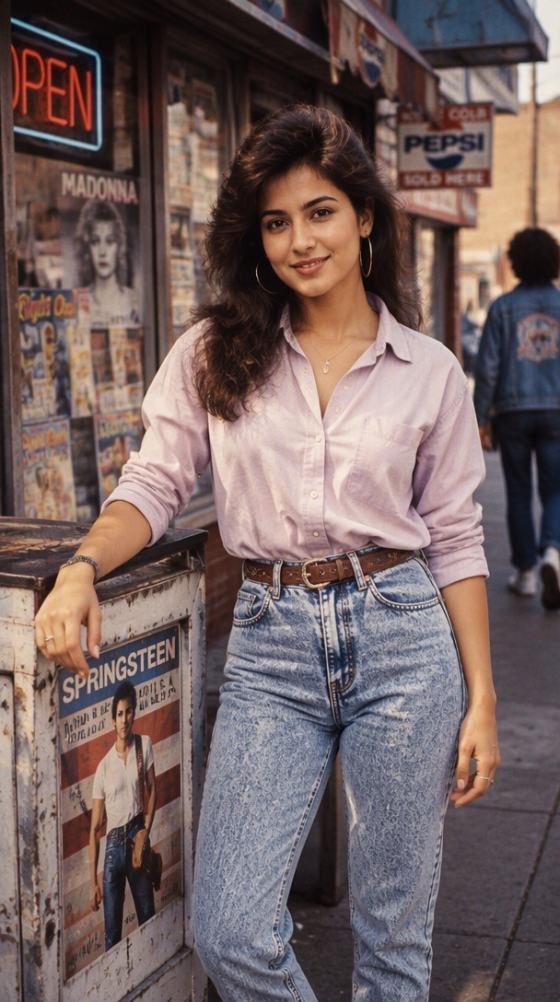

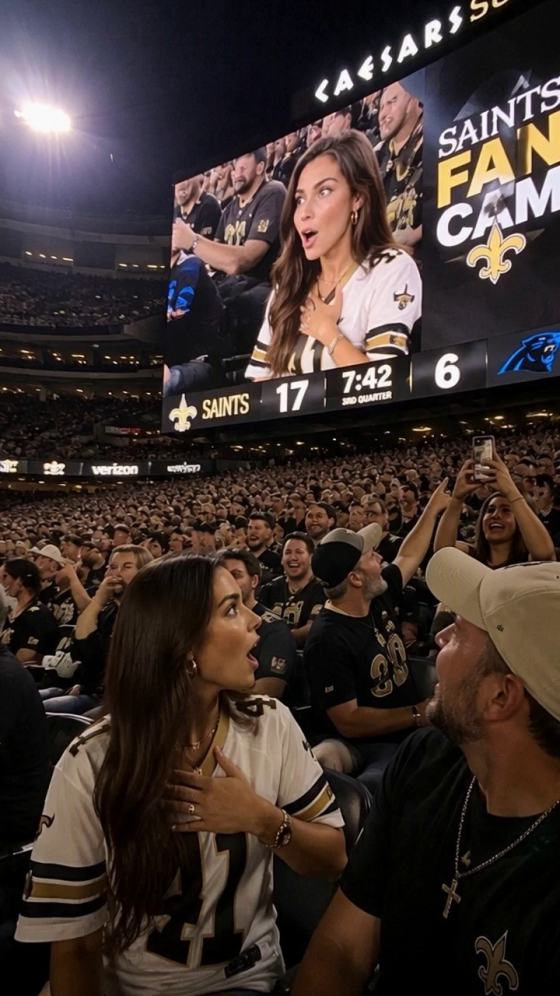
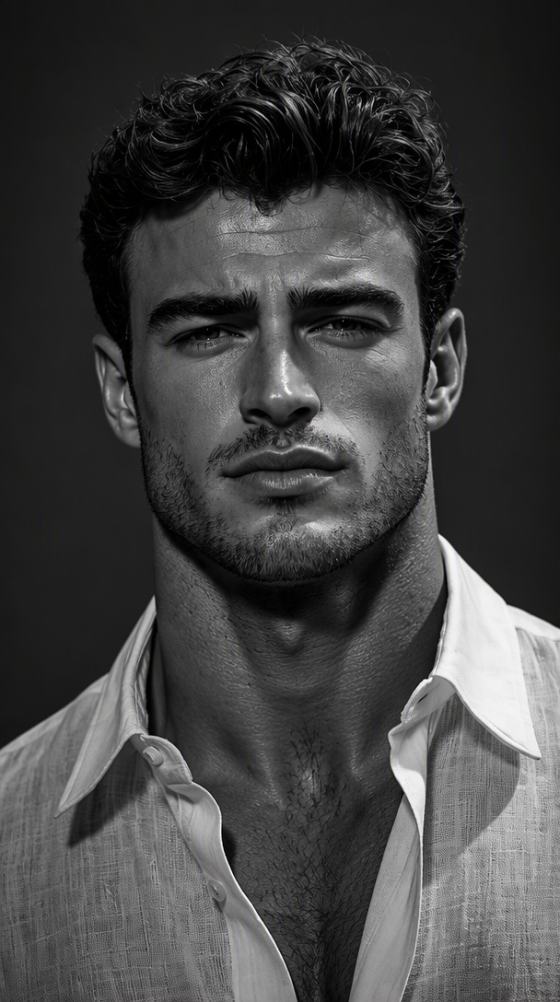
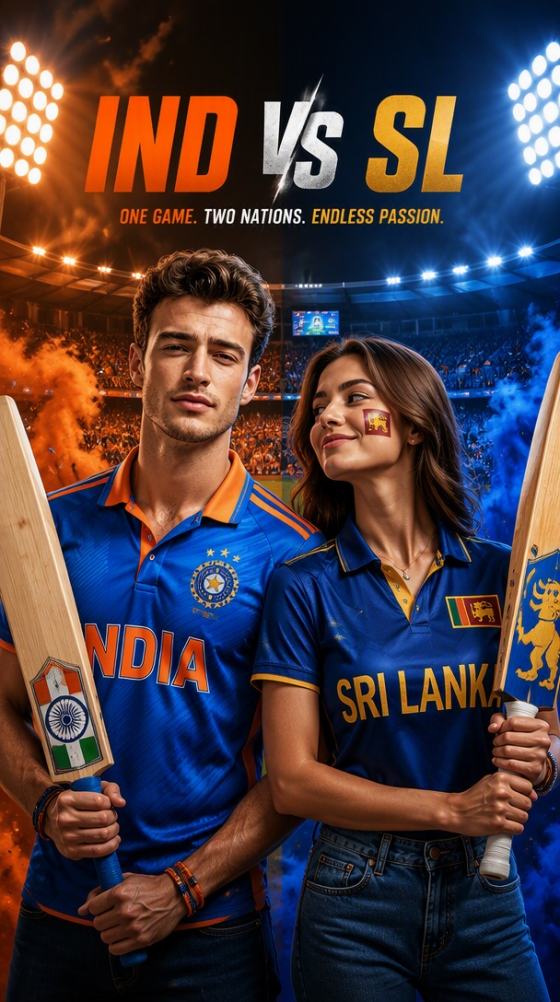
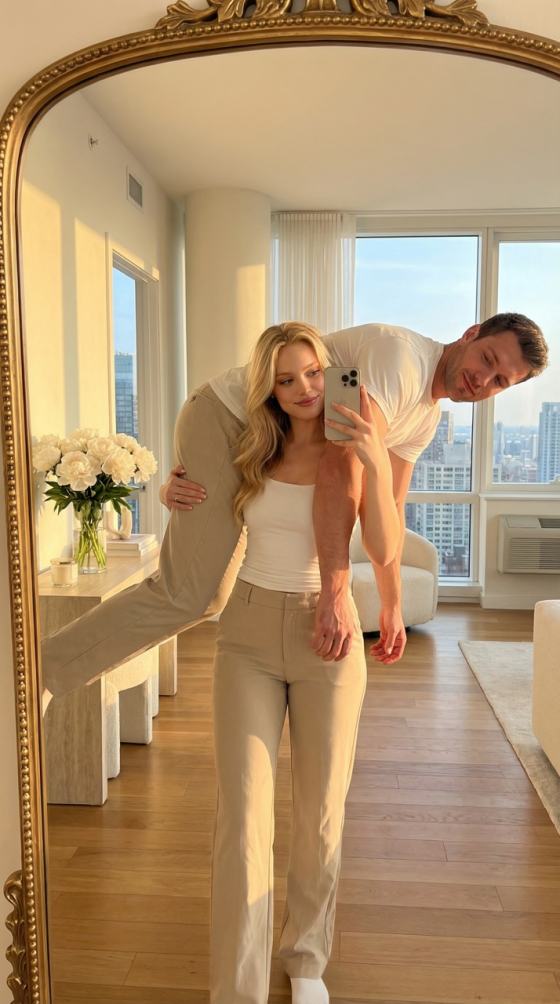
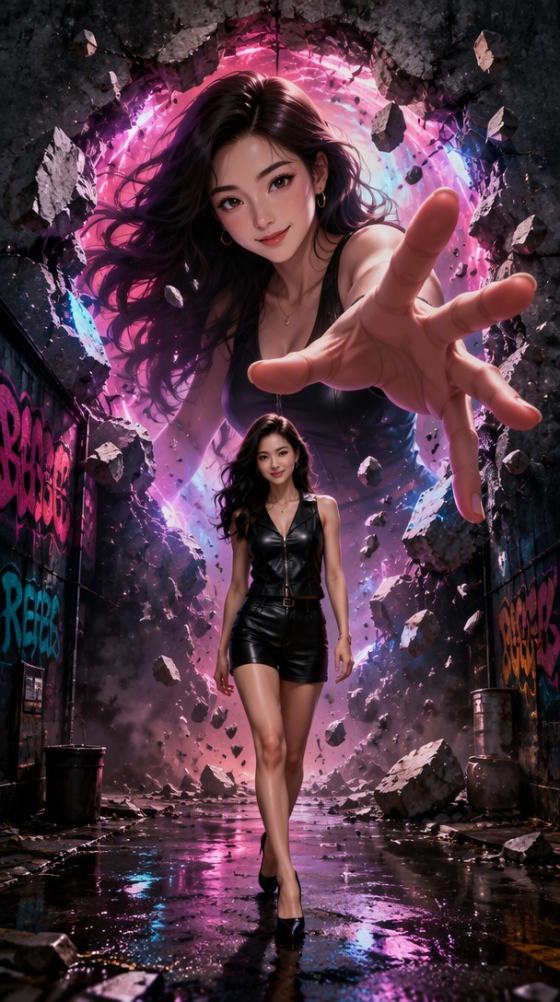
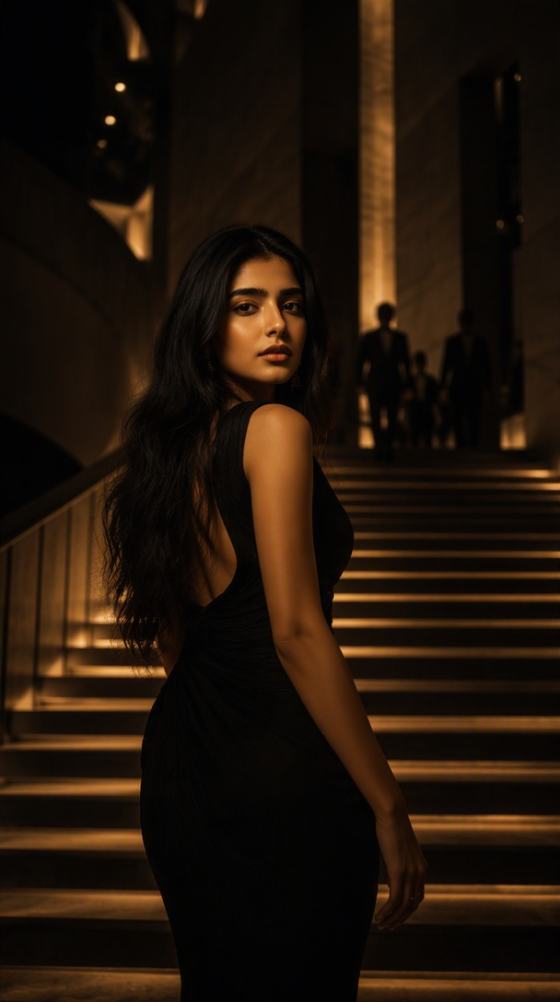
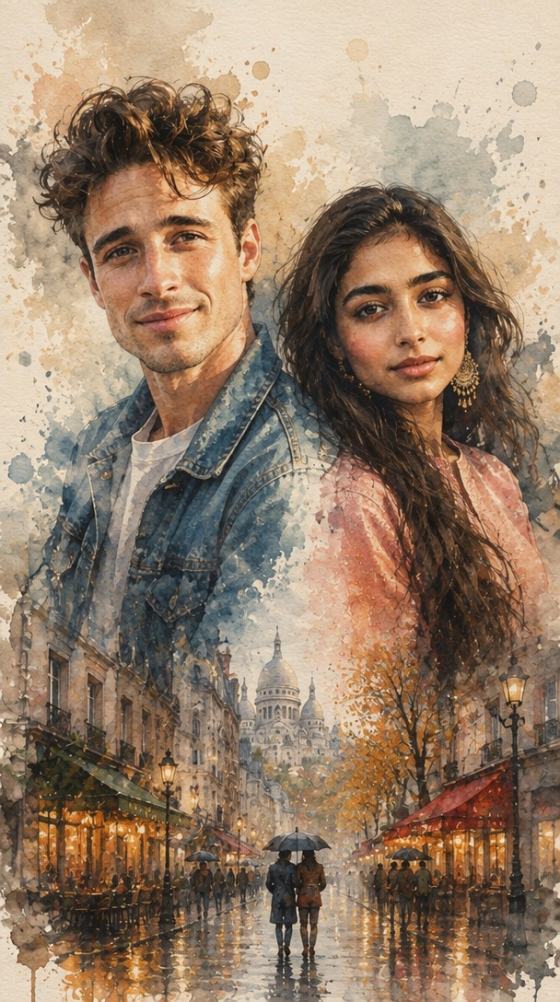
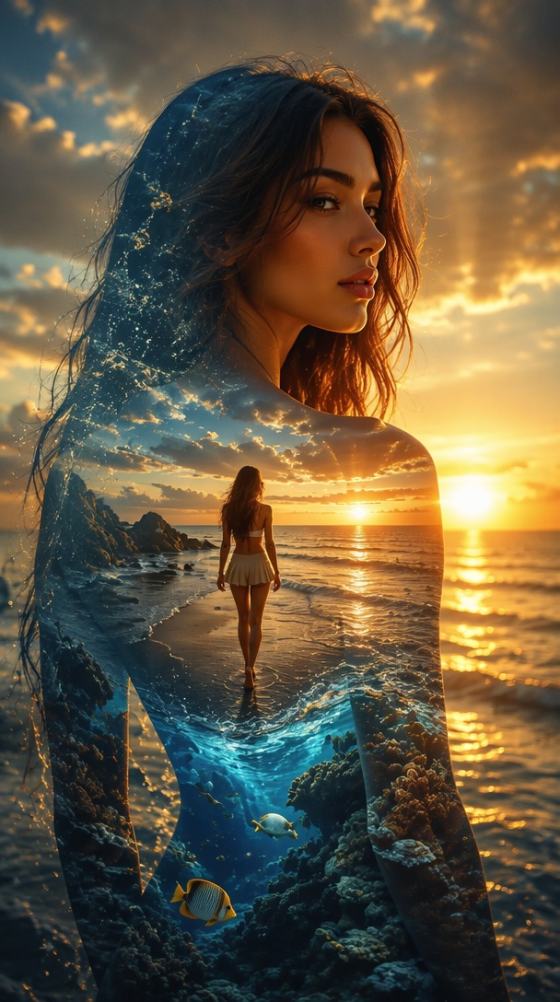
Explore Prompt Saar-inspired AI photo ideas for cinematic portraits, couple photos, retro looks, festivals, fashion, and social DPs. Choose a visual idea, upload your photo to Media.io, describe the look you want, and generate a personalized image without starting from a blank prompt.
Free credits on signup.
Bring a Prompt Saar idea into Media.io and turn it into your own image. Describe the subject, pose, wardrobe, background, lighting, and camera feel, then refine the result without needing advanced prompt-writing skills.
Try the categories commonly associated with Prompt Saar searches: cinematic portraits, couple photos, 90s retro looks, traditional outfits, festivals, bikes and cars, fashion editorials, avatars, and social-media DPs.
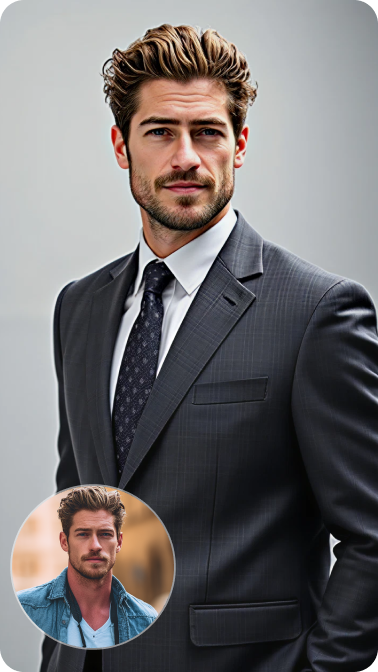
Upload a clear reference photo and ask the AI to preserve your face, hairstyle, skin tone, age appearance, and natural proportions. Review the result carefully, because identity consistency can vary by model and source image.
Generate vertical or square-friendly portraits for Instagram posts, WhatsApp DPs, Reels covers, profile photos, wallpapers, and other personal creative uses. Adjust the framing, lighting, and mood to fit where you plan to share it.
Choose a clear selfie, waist-up portrait, couple photo, or full-body image you have permission to use. Visible facial details and simple lighting give the model a cleaner reference for personalized photo generation.
Start from a Prompt Saar idea or another prompt you are allowed to use, then customize the outfit, pose, location, lighting, camera style, aspect ratio, and mood. Keep identity-preservation instructions when editing your own portrait.
Generate your image, review facial consistency, hands, clothing, background, lighting, and composition, then refine one detail at a time. Download the strongest result for your profile, post, wallpaper, or creative project.
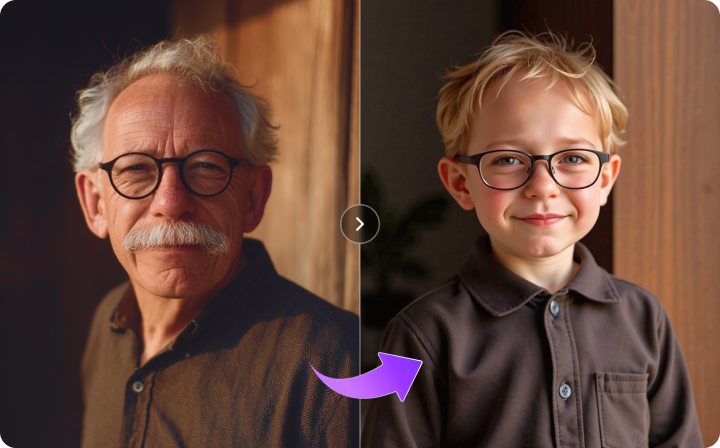
Create cinematic portraits, 90s-inspired photos, film-grain looks, dramatic street scenes, or polished editorial images. Define the era, wardrobe, lighting, composition, and camera feel instead of relying on vague style words.
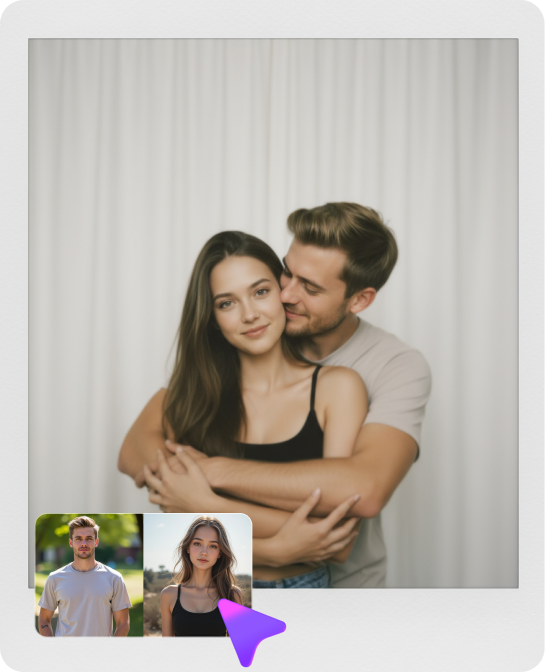
Build romantic couple portraits, date-night scenes, pre-wedding concepts, fashion editorials, travel shots, bike or car portraits, and premium lifestyle photos with controlled pose and wardrobe details.
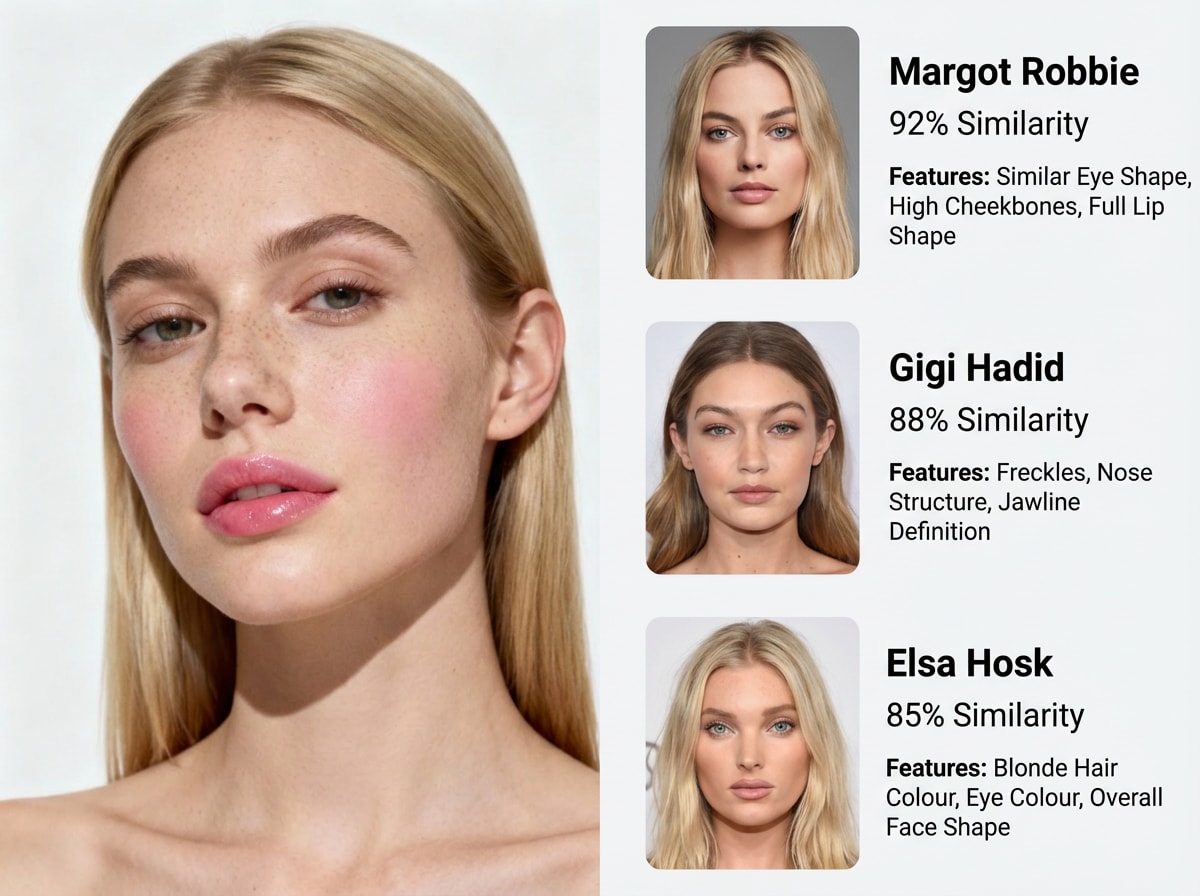
Turn a reference photo into festival-themed portraits, traditional looks, aesthetic profile pictures, social DPs, 3D-style avatars, or other creative concepts while adapting the prompt to your own subject.

AI Portrait Creator · Sample
“Easy to personalize.” I started with a cinematic portrait idea, then changed the outfit and background for my own photo. Keeping the face instructions separate made the result easier to refine.

Social Media Editor · Sample
“Good for quick variations.” I reused the same reference photo for a retro portrait and a social profile look. Changing the scene and lighting gave me two clearly different directions without rebuilding the idea from scratch.

Lifestyle Creator · Sample
“A useful creative starting point.” The prompt structure helped me think about pose, lighting, wardrobe, and framing. I customized those details instead of leaving the request generic.
Prompt Saar is an AI prompt discovery platform and Android prompt-library app focused on ready-to-use image prompts. Its published categories include portraits, couples, festivals, retro and cinematic looks, social DPs, vehicles, avatars, and other creative photo concepts. It is separate from Media.io.
Choose a Prompt Saar idea you want to recreate, then open Media.io Image to Image and upload a clear reference photo. Describe the subject, pose, outfit, setting, lighting, and camera style in your own words. Generate the image and refine individual details if the face, hands, clothing, or composition need adjustment.
Prompt Saar states that its prompt library is designed for use with third-party AI image tools including Gemini and ChatGPT. Prompt interpretation and output can differ between models, so the same prompt may need small adjustments. Media.io is an independent tool and is not affiliated with Prompt Saar.
Popular Prompt Saar categories include boys and men's portraits, girls and women's portraits, couples and romance, family and siblings, festivals and events, cinematic and retro photos, bikes and cars, social-media DPs, 3D avatars, anime, and art-style transformations. Choose a category, then personalize the scene instead of copying every visual detail unchanged.
Use a clear reference photo and explicitly ask the model to preserve the same facial features, face shape, hairstyle, skin tone, age appearance, and natural proportions. Avoid instructions that conflict with those identity details. If the output drifts, change one variable at a time and regenerate; results can still vary by model.
 4.7 (162,357 Votes)