Cliquez ou faites glisser pour télécharger, ou choisissez parmi Mon HistoriqueCliquez pour téléchargerMon Historique
Pas d'idées ? Générer une image d'abord. >
Importez des images jpg, jpeg, png jusqu'à 50 Mo, avec une largeur/hauteur minimale de 300 px.
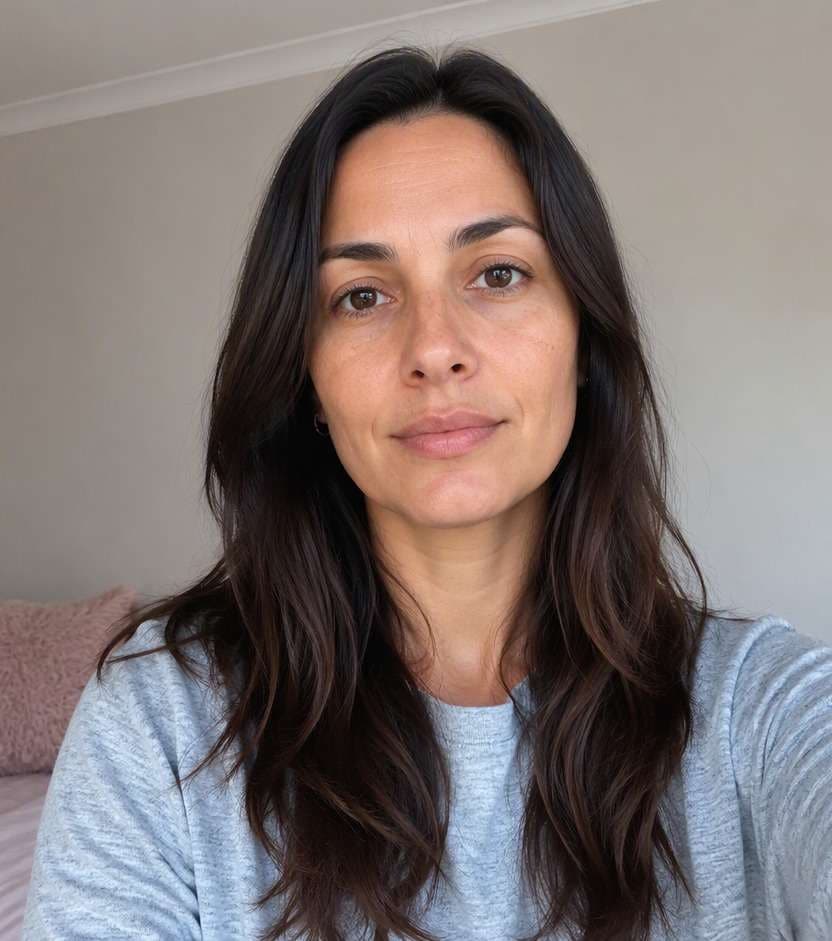
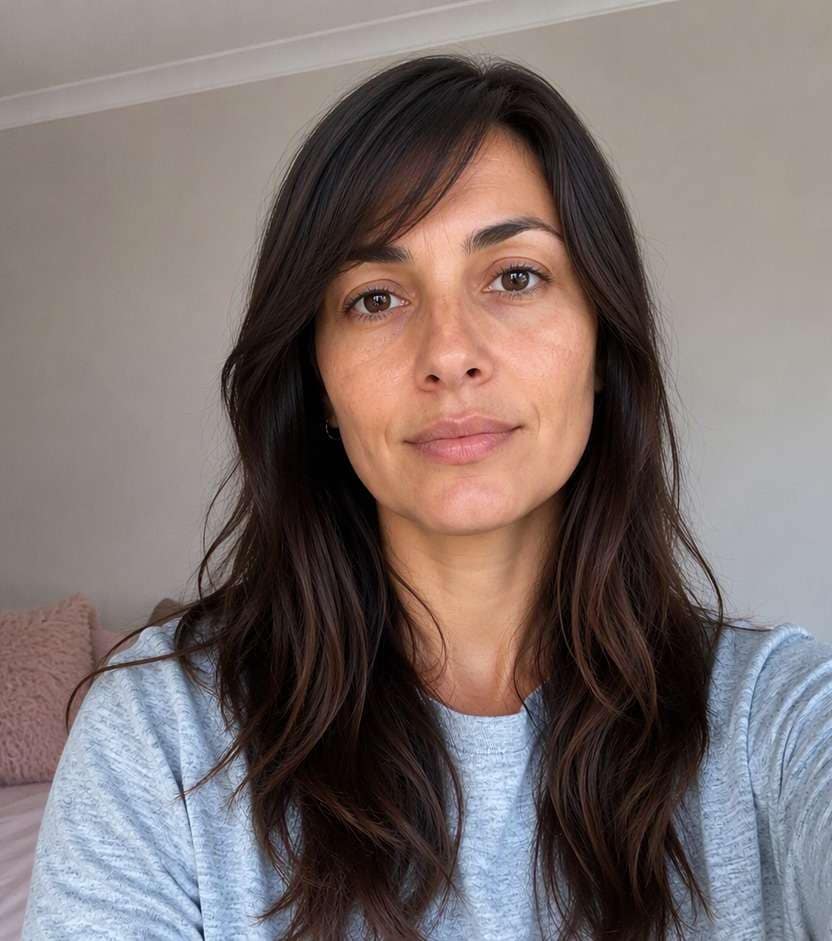
Try Side Swept Bangs with Your Own Selfie
Not sure you want bangs sitting straight across your forehead? A side swept bangs filter lets you test a diagonal fringe that follows your usual part and falls toward one cheek. Compare left and right sweeps, short and long ends, and the amount of forehead you want to leave open before changing your cut.
Use a selfie that shows your part and both eyebrows.
Side Swept Bangs Photo Editing Prompts
The key decision is direction. The same side fringe can look very different when it starts from a deep part versus a subtle one, or finishes at the temple instead of the cheekbone.
Light Right-Swept Fringe
Use the uploaded photo as the reference. Create light diagonal fringe sweeping from left-side part toward right temple. Preserve facial identity, age appearance, expression, hair color, clothing, camera angle and room or street background. Do not cover the eye. Show natural strand direction and a credible hairline. Keep a casual real-life photographic finish, with no captions, branding or beauty-ad lighting.
Light Left-Swept Fringe
On this exact portrait, preview light fringe moving across the forehead toward left temple from a right part. Preserve facial identity, age appearance, expression, hair color, clothing, camera angle and room or street background. Keep eyebrow partially visible. Show natural strand direction and a credible hairline. Keep a casual real-life photographic finish, with no captions, branding or beauty-ad lighting.
Deep Side Part Bangs
Edit only the hair in this reference image to show long side fringe launched from a deep part with a graceful diagonal edge. Preserve facial identity, age appearance, expression, hair color, clothing, camera angle and room or street background. Do not add high salon volume. Show natural strand direction and a credible hairline. Keep a casual real-life photographic finish, with no captions, branding or beauty-ad lighting.
Brow-Level Side Bangs
Make a believable hairstyle try-on with short side bangs ending near the outer eyebrow with a softly tapered tip. Preserve facial identity, age appearance, expression, hair color, clothing, camera angle and room or street background. Avoid straight-across bangs. Show natural strand direction and a credible hairline. Keep a casual real-life photographic finish, with no captions, branding or beauty-ad lighting.
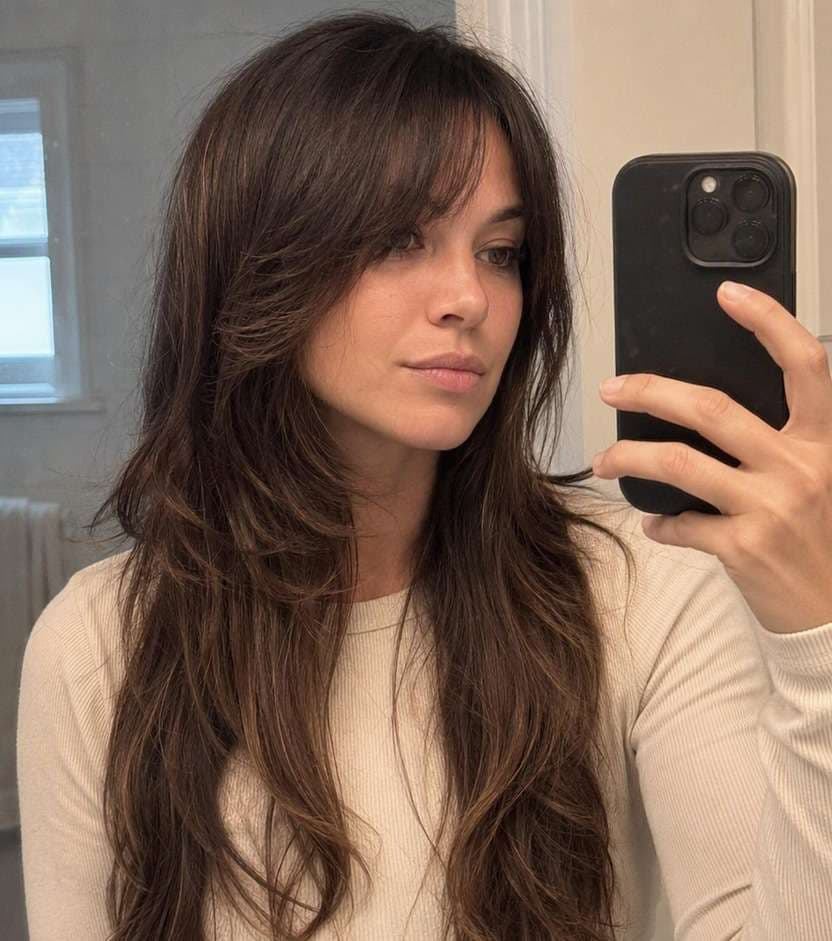
Cheekbone-Length Side Fringe
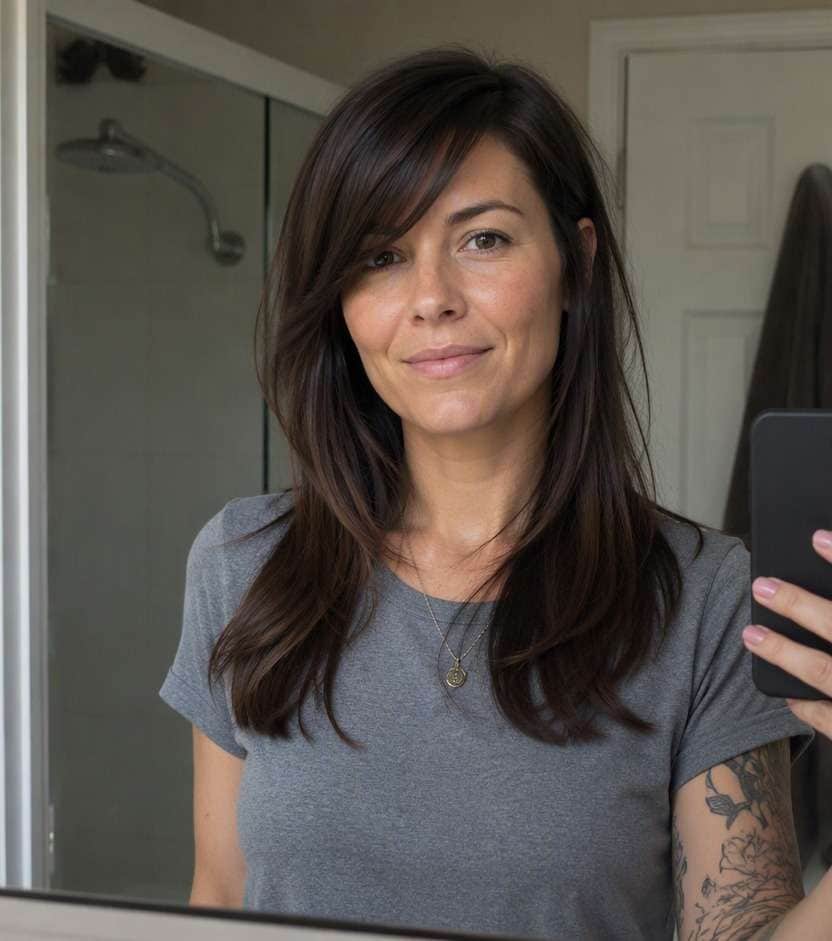
Use the uploaded photo as the reference. Create long side fringe reaching the upper cheekbone and melting into layers. Preserve facial identity, age appearance, expression, hair color, clothing, camera angle and room or street background. Keep original long hair untouched. Show natural strand direction and a credible hairline. Keep a casual real-life photographic finish, with no captions, branding or beauty-ad lighting.
Side Fringe on Fine Hair
On this exact portrait, preview airy diagonal strands that sit lightly along the brow. Preserve facial identity, age appearance, expression, hair color, clothing, camera angle and room or street background. Avoid dense heavy fringe. Show natural strand direction and a credible hairline. Keep a casual real-life photographic finish, with no captions, branding or beauty-ad lighting.
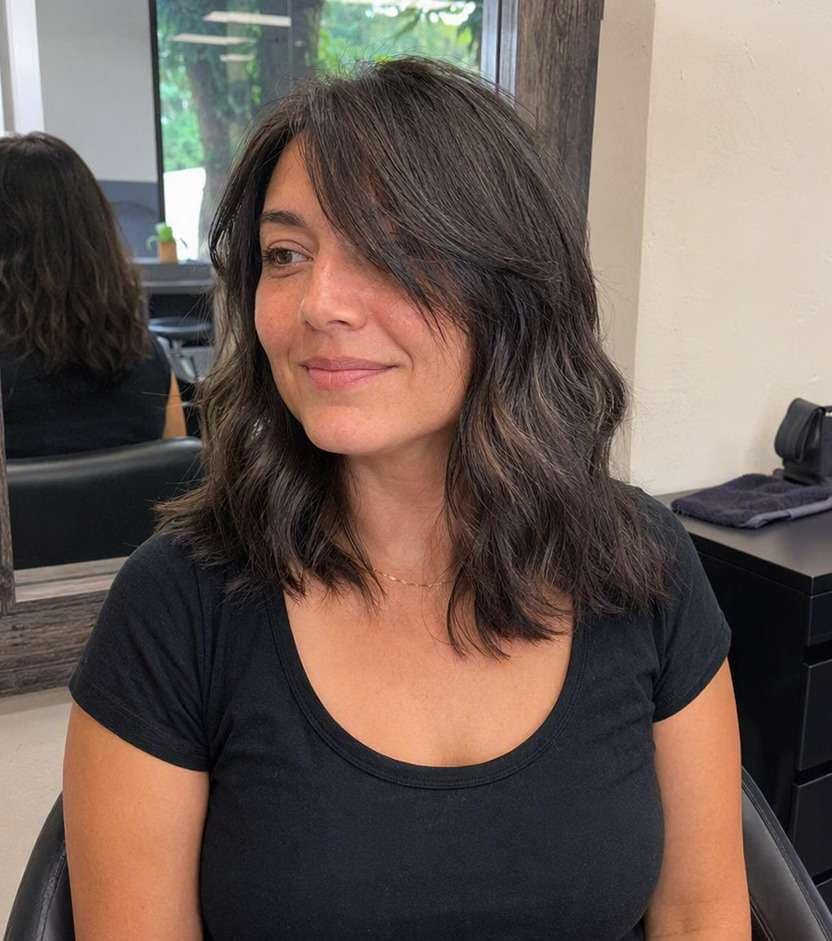
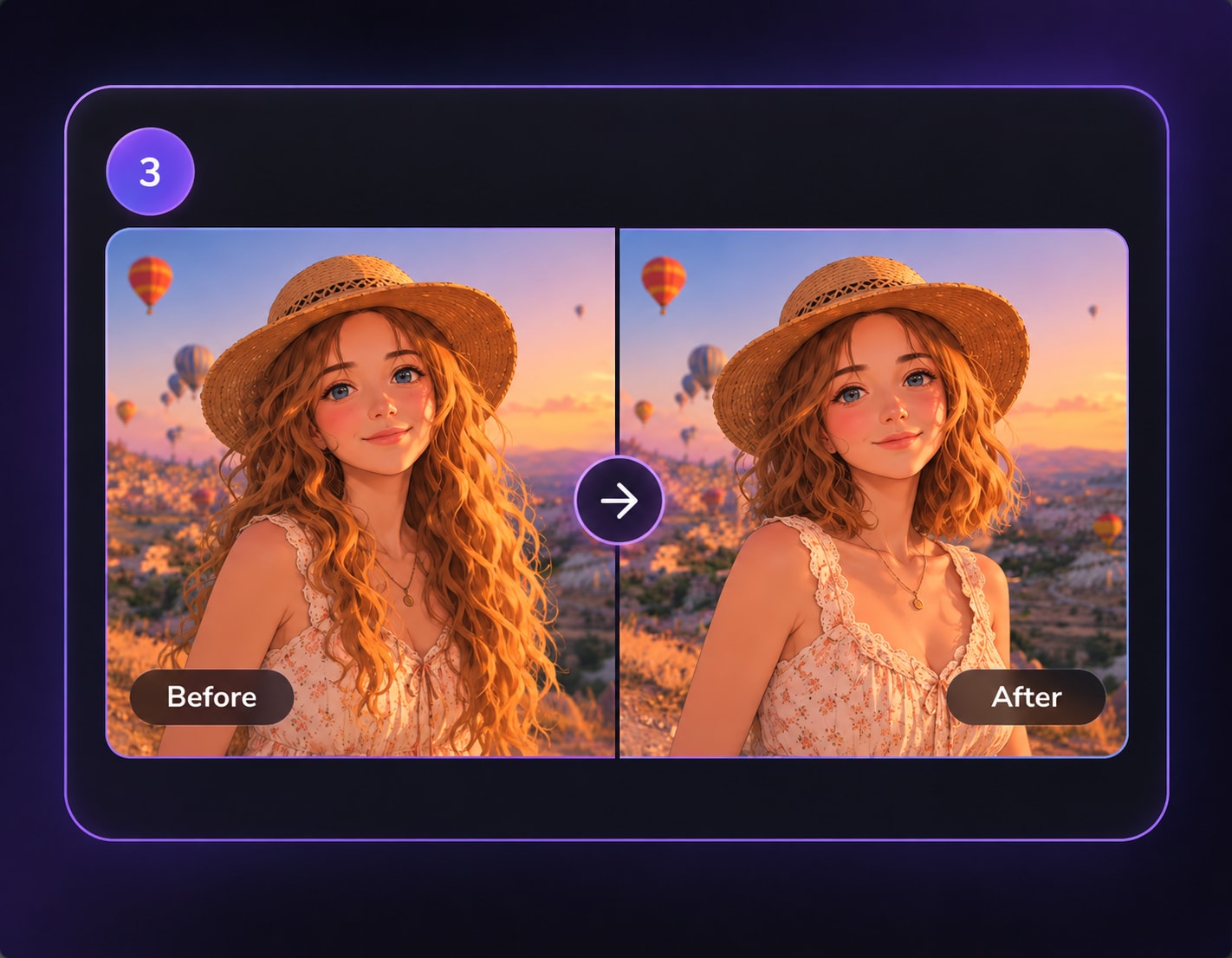
Side Fringe with Wavy Hair
Edit only the hair in this reference image to show natural gently wavy diagonal front pieces. Preserve facial identity, age appearance, expression, hair color, clothing, camera angle and room or street background. Respect existing wave texture. Show natural strand direction and a credible hairline. Keep a casual real-life photographic finish, with no captions, branding or beauty-ad lighting.
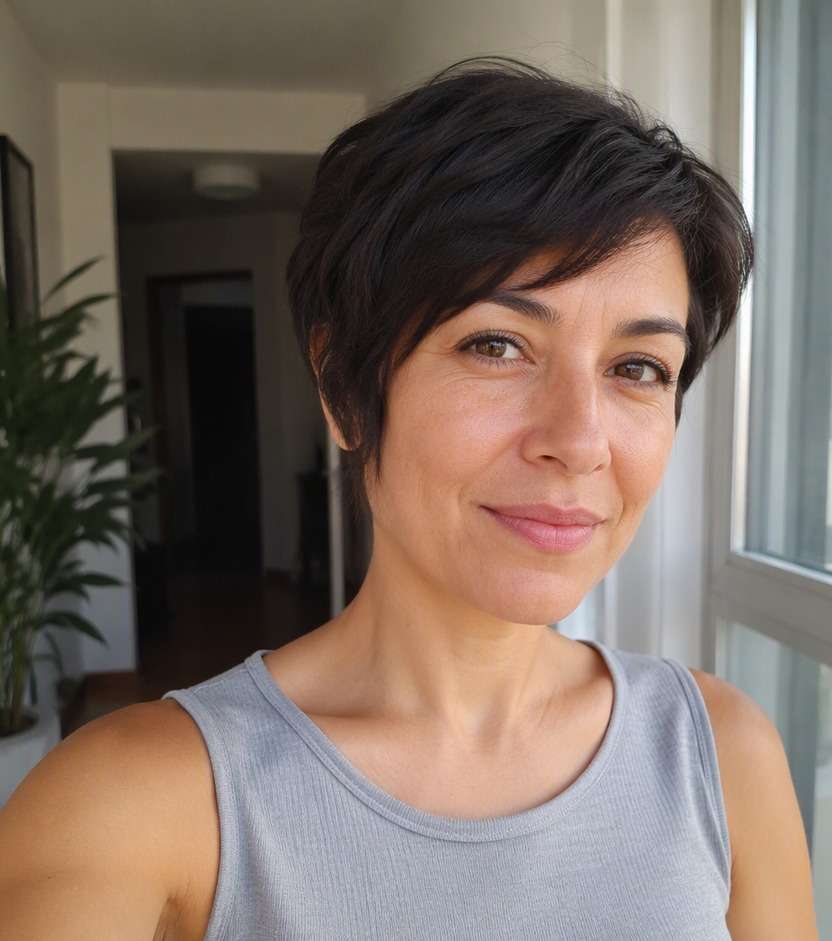
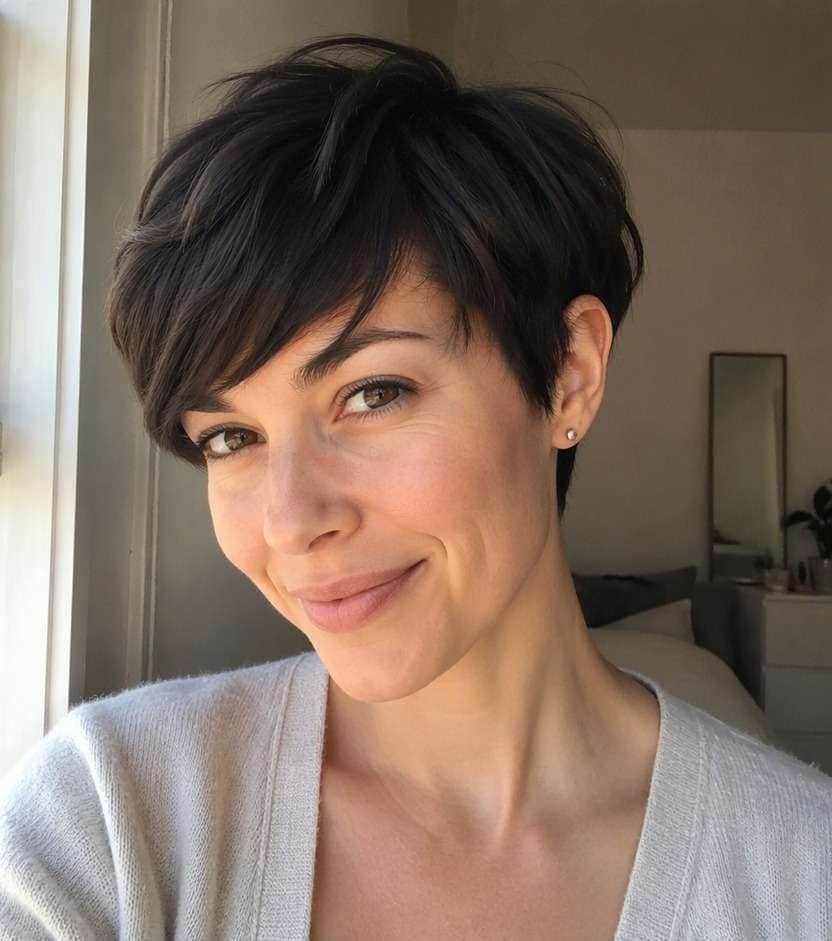
Side Bangs with Pixie
Make a believable hairstyle try-on with side-swept short bangs on a pixie while preserving crop around ears. Preserve facial identity, age appearance, expression, hair color, clothing, camera angle and room or street background. Do not lengthen the full haircut. Show natural strand direction and a credible hairline. Keep a casual real-life photographic finish, with no captions, branding or beauty-ad lighting.
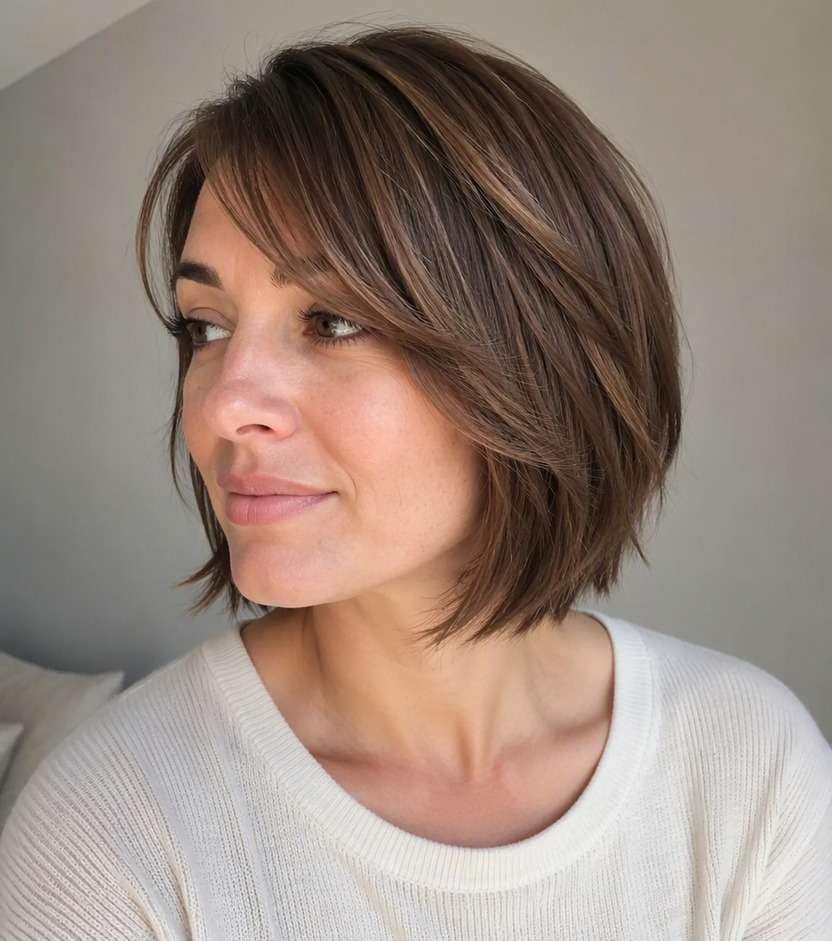
Side Bangs with Bob
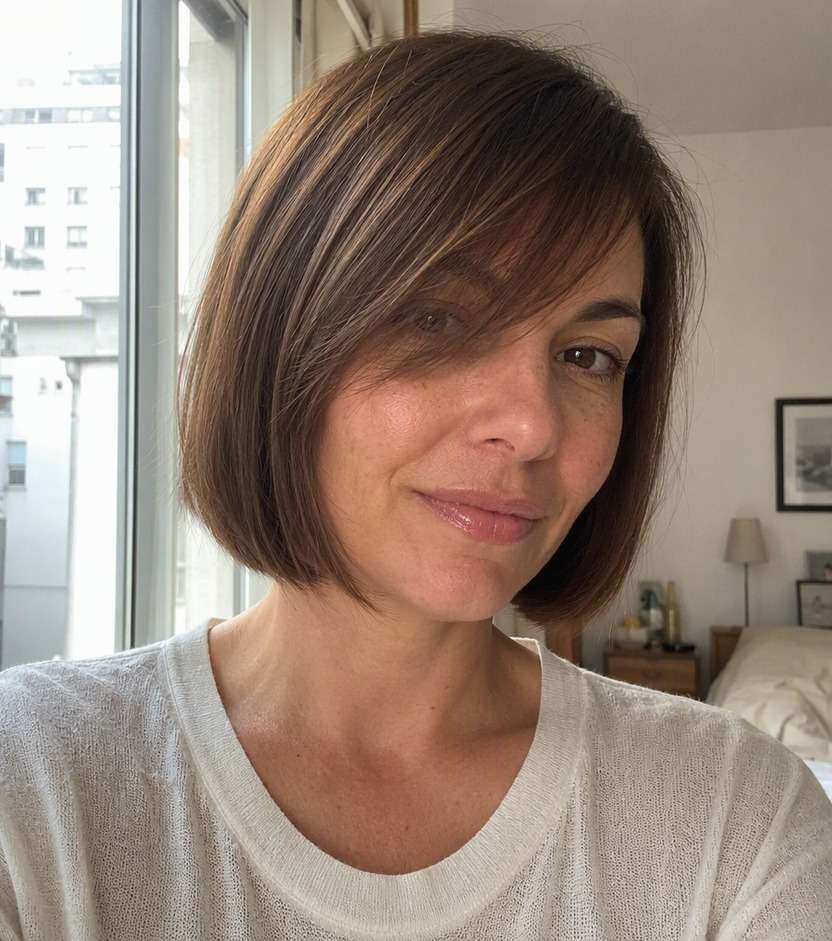
Use the uploaded photo as the reference. Create smooth diagonal fringe on the original bob cut. Preserve facial identity, age appearance, expression, hair color, clothing, camera angle and room or street background. Preserve bob perimeter. Show natural strand direction and a credible hairline. Keep a casual real-life photographic finish, with no captions, branding or beauty-ad lighting.
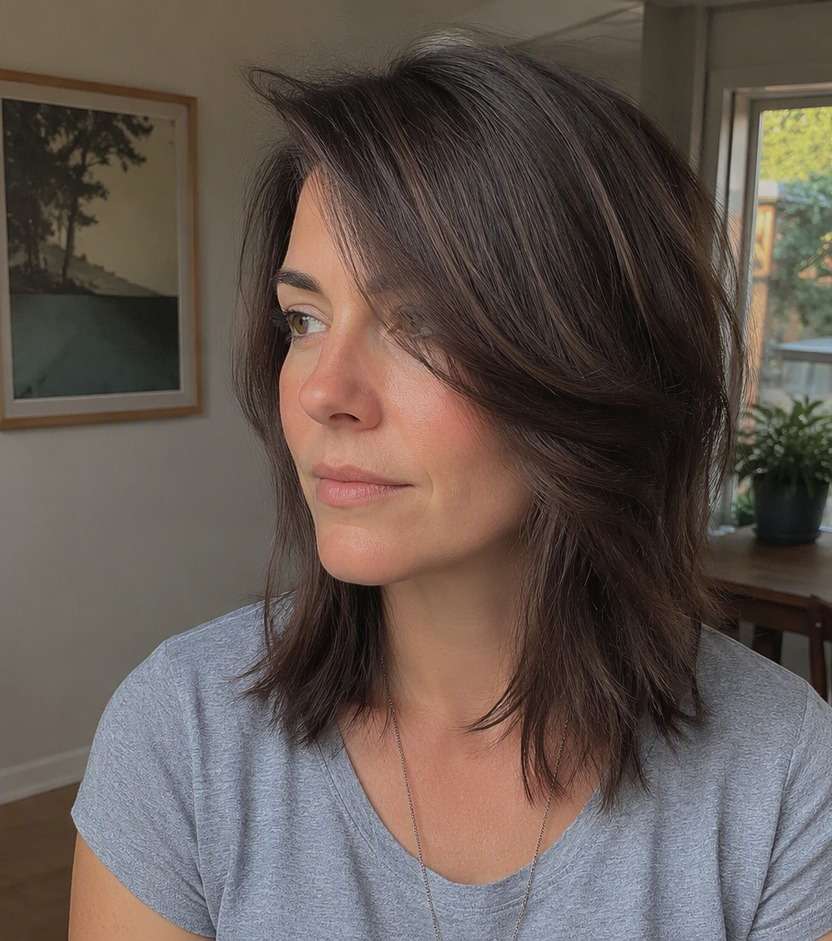
Grown-Out Sweeping Bangs
On this exact portrait, preview long tucked side fringe curving past brow toward the ear. Preserve facial identity, age appearance, expression, hair color, clothing, camera angle and room or street background. Show low-maintenance sweep. Show natural strand direction and a credible hairline. Keep a casual real-life photographic finish, with no captions, branding or beauty-ad lighting.
Preview a Side Fringe That Follows Your Part
Test a Left or Right Sweep
The fringe may work differently on the side where your hair naturally parts. Preview both directions while keeping your face still, then choose which diagonal feels more comfortable.
Keep Your Brows Visible
Long sweeping bangs can frame one eye without covering it. Compare versions ending at the brow, temple and cheekbone to judge where the fringe should turn into side layers.
Match Existing Hair Movement
A straight side fringe lies flatter than one cut for waves or curls. Ask for a realistic texture rather than forcing a glossy, wind-swept salon effect onto your everyday hair. This is especially helpful when comparing a side bangs simulator with another closely related look.
Preview a Fringe You Can Tuck Away
Long side bangs are easier to pin or tuck than short full bangs. Try a version that reaches the cheekbone when you want flexibility on busy days or during grow-out.
How to Try Side Swept Bangs on Your Photo
Upload a clear portrait, describe the exact change you want, and compare a realistic hairstyle preview before visiting a stylist.
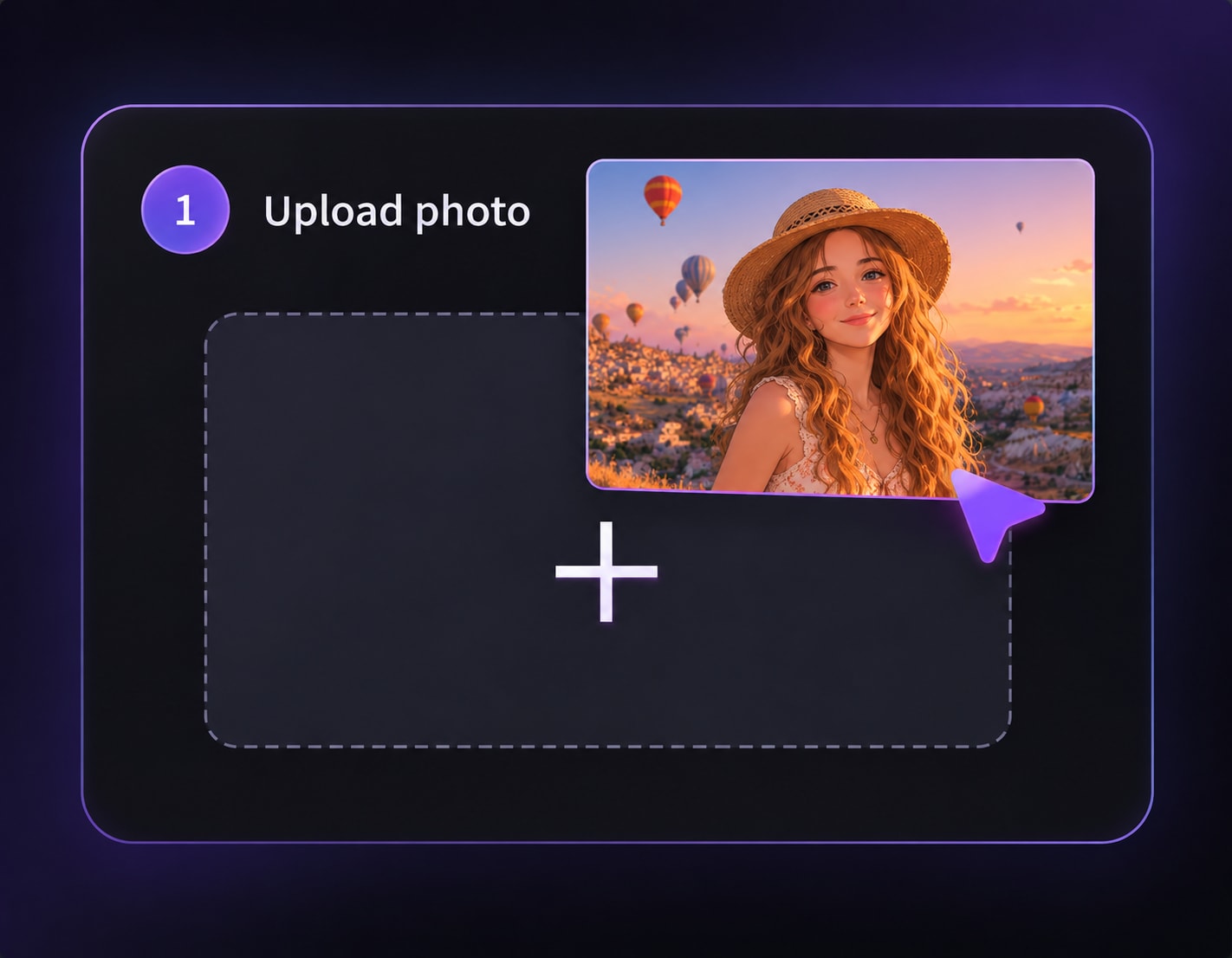
Step 1
Upload Your Photo
Upload a well-lit portrait showing your face, hairline and hair around your temples. Choose a familiar photo so you can judge whether the new side swept bangs look fits you.
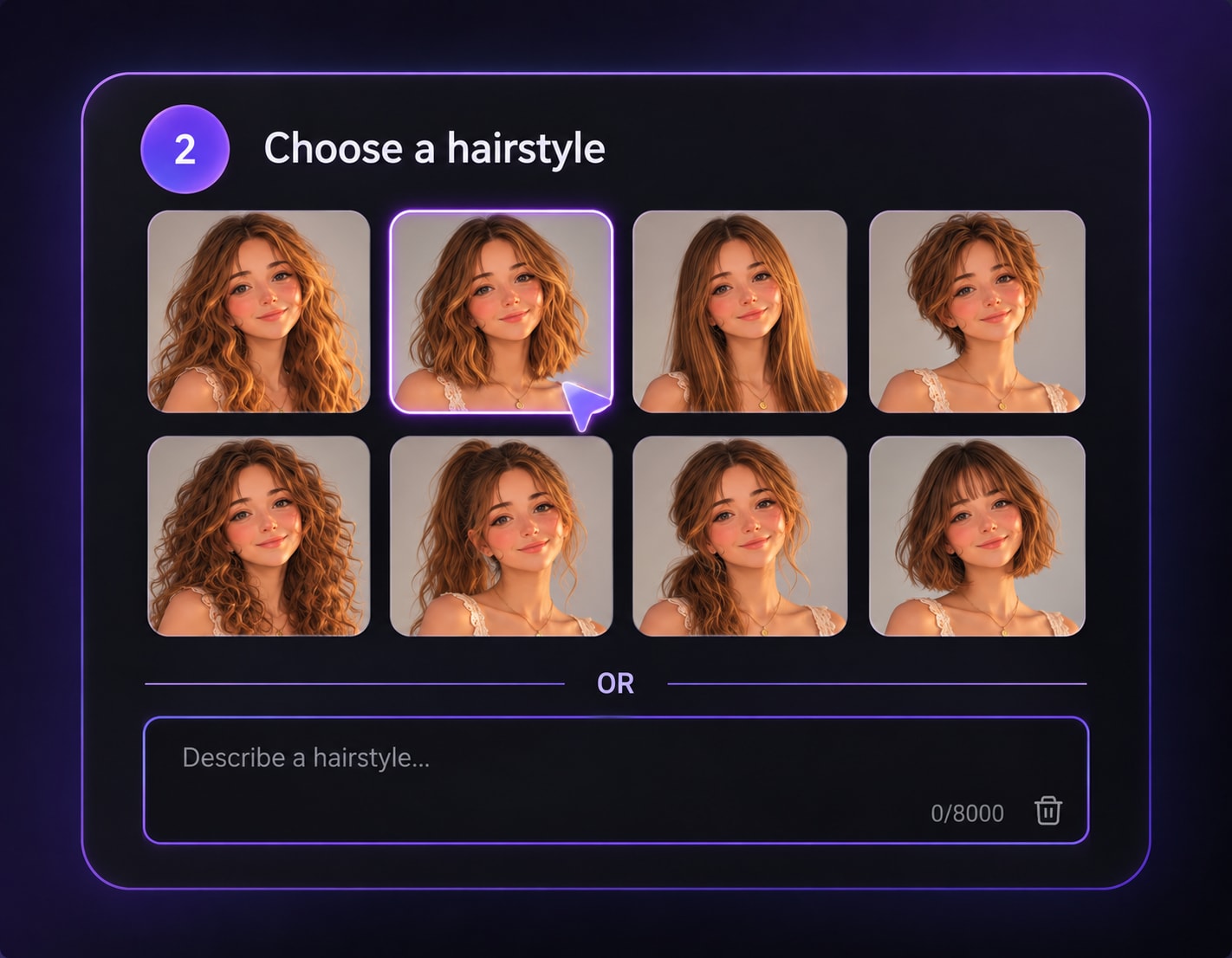
Step 2
Choose a Haircut Filter or Enter a Prompt
Choose a suitable haircut preset or write a custom prompt describing side swept bangs. Specify what should change, and ask the editor to preserve your face, clothing, hair color and background.
Step 3
Click Generate
Click Generate to preview the hairstyle on your portrait. If the shape is not quite right, adjust the length, density or direction in your description and compare another result.
Compare your preferred look on the same familiar photo, then save the version that fits your usual style and the amount of change you want.
Changing Your Part without Losing Length
Before cutting, compare how a diagonal fringe changes your usual part. Preserve the original length below the temples to avoid confusing a fringe experiment with a full haircut.
Softening a Short Bob
A side fringe can add movement to a blunt bob without changing the cut at the back. Test both part directions and keep the perimeter identical for a fair comparison.
Growing Out Full Bangs
Existing short bangs can be reshaped toward a side sweep as they grow. Preview a gradual cheek-length taper to discuss a practical transition with a hairstylist. For a quick visual reference, describe the side fringe photo filter option using your own natural texture.
What Media.io Users Say About Bob Hairstyle Previews
Alyssa M.
Salon Client
"Much more useful than a social filter" I wanted to know if a bob would actually suit my face, not just get a funny effect. Media.io gave me previews that looked polished and realistic enough to show my stylist.
Jenna R.
Beauty Content Creator
"Easy to compare several bob styles" I tested blunt, wavy, and curtain-bang versions from one selfie. The ability to generate multiple looks made this feel more like a real makeover tool than a random app filter.
Priya S.
Frequent Mobile User
"Worked well on my phone" I used it in my mobile browser without downloading anything. The results were quick, and the hairstyle blending looked surprisingly natural around my jawline and forehead.
Monica T.
Hair Stylist Assistant
"Helpful for consultation prep" Clients often ask to try a bob hairstyle before cutting. This made it easier to show different lengths and bangs visually, which helped narrow down the best direction faster.
1. What is the difference between side bangs and curtain bangs?
Side bangs move predominantly in one direction from a side part. Curtain bangs open away from a middle or near-middle part, creating paired sections on both sides of the face.
2. Can I choose which side my bangs sweep to?
Yes. A side bangs simulator prompt should state left or right relative to the person in the photo. Try both directions if your hair naturally switches part, then check that the result preserves the same face.
3. Do side-swept bangs need a deep side part?
No. A gentle side part can create a soft diagonal fringe, while a deep part often makes the sweep more pronounced. The most practical choice usually respects where your hair already wants to fall.
4. Which selfie works best for this side swept bangs look?
Use a bright, front-facing photo that clearly shows your forehead, hairline and both temples. Avoid sunglasses and strong beauty filters. Keep the same source portrait when comparing alternatives so differences reflect the hairstyle rather than changes in lighting.
5. Can I try this haircut online with my own hair color?
Yes. Ask for the hairstyle change only, preserving your existing hair color, skin tone, facial features, clothing and background. The preview is a visual idea rather than a precise prediction of how your hair grows or settles after cutting.
6. What if the AI preview changes more than the fringe?
Try again using a more specific prompt that names the exact fringe or layers and asks for every other feature to stay unchanged. Comparing two or three controlled versions is more informative than accepting a large unrelated makeover.