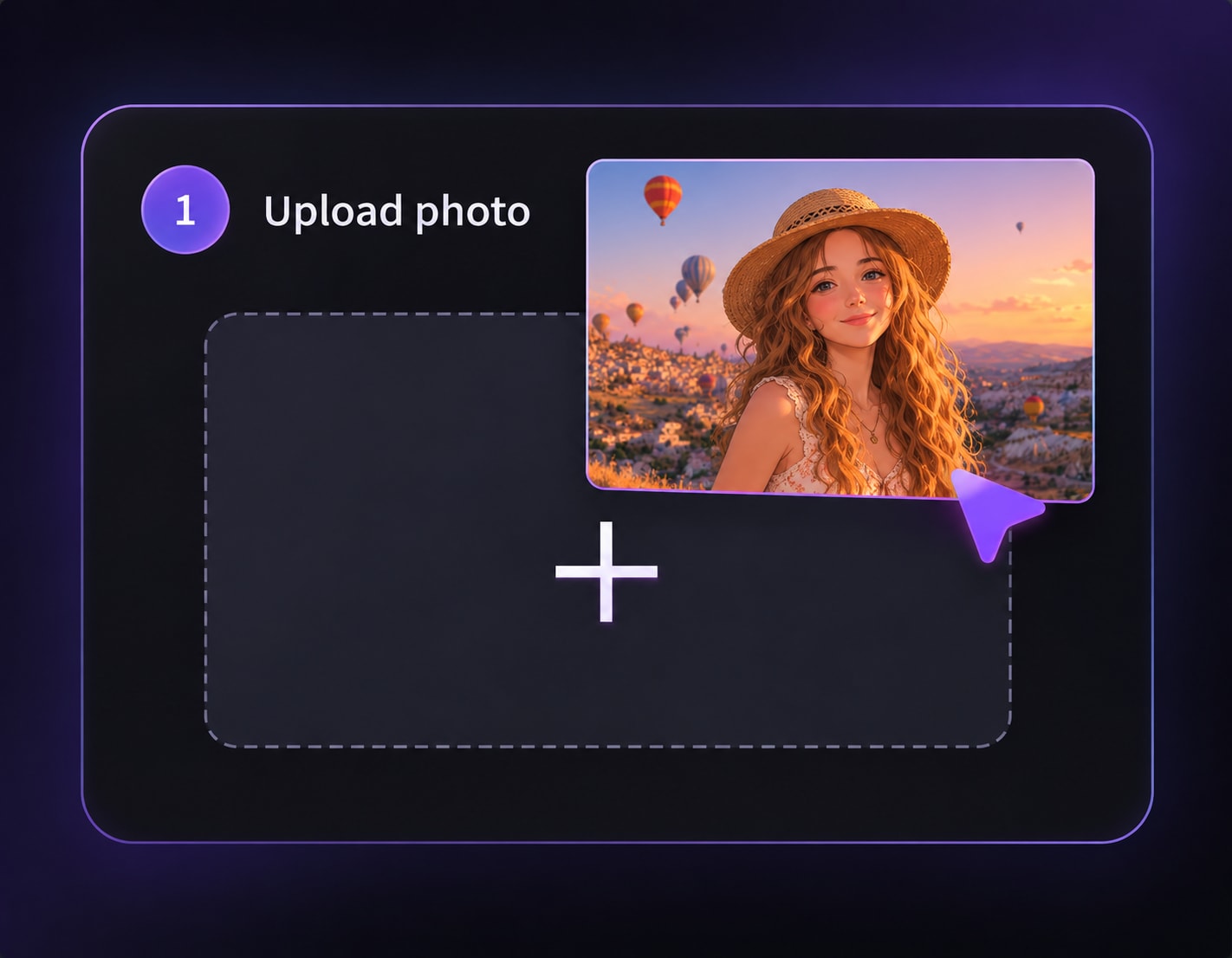
Haz clic o arrastra para subir, o elige de Mi HistorialHaga clic para cargarMi Historial
¿Sin ideas? Genera primero una imagen. >
Sube imágenes jpg, jpeg o png de hasta 50 MB, con un ancho/alto mínimo de 300 px.
See Yourself With a Clean Slick Back
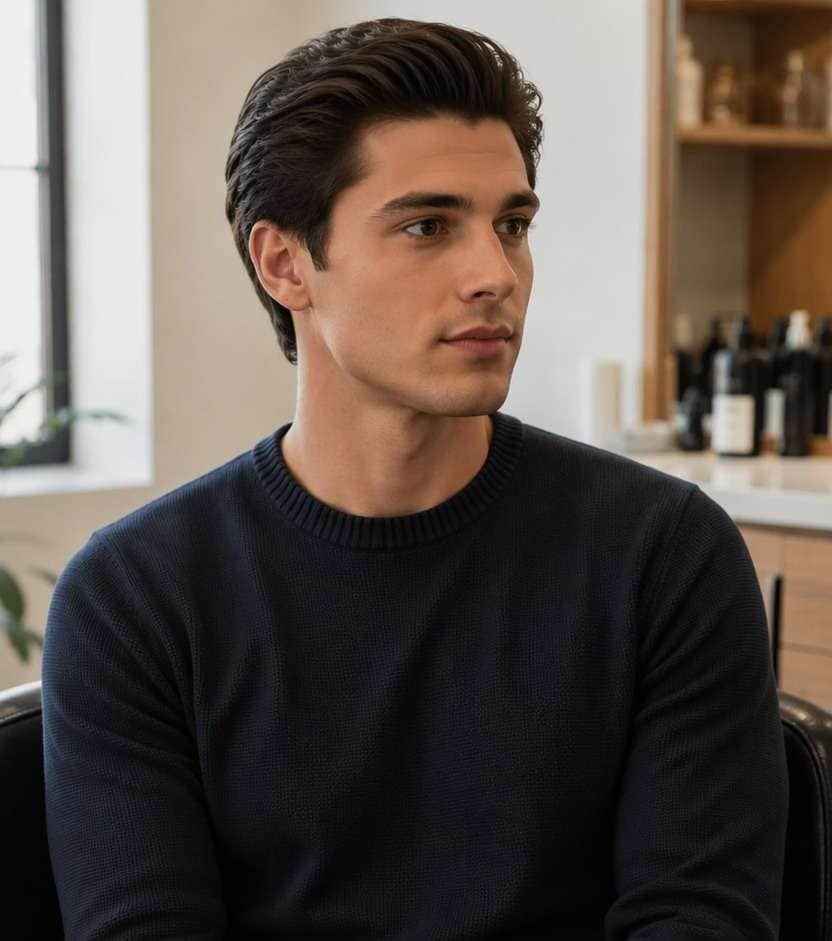
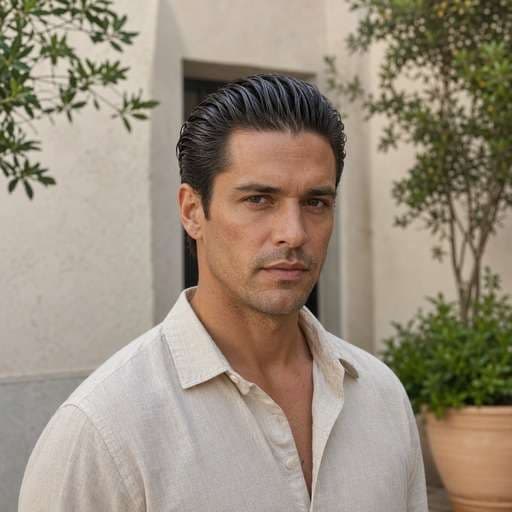
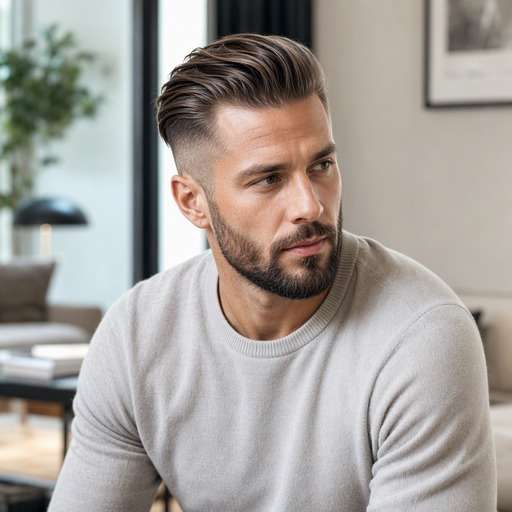
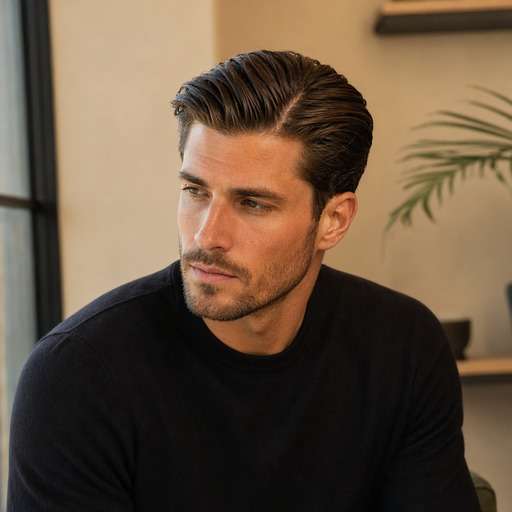
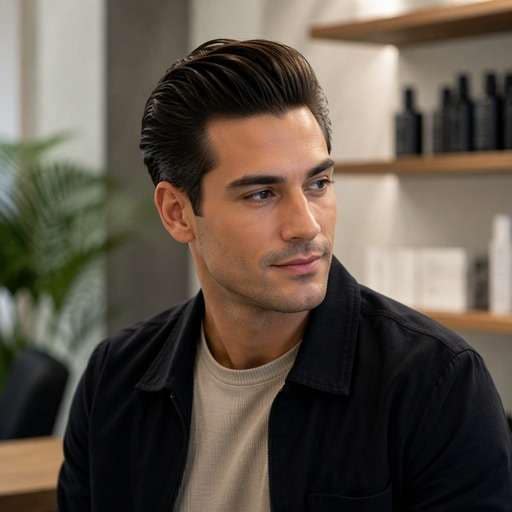
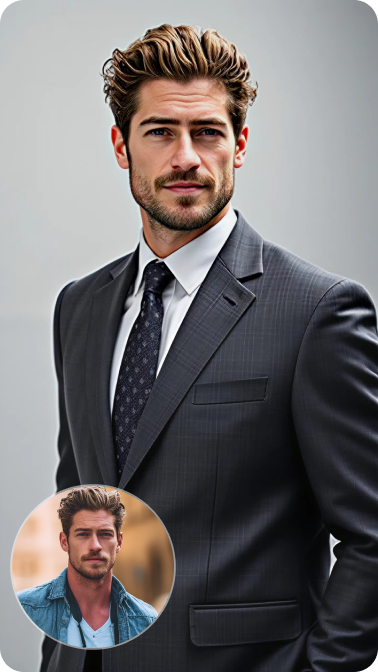
Want to know whether showing more forehead would sharpen your look? A slick back hairstyle filter helps you preview hair directed straight back, from a soft natural sweep to a more controlled polished finish. Compare the hairline exposure and side volume before using product or changing your cut.
For a clearer preview, upload a well-lit photo with front three-quarter portrait displaying open hairline and crown sweep.
Slick Back Hair Photo Editing Prompts
Not every slick back looks the same. Start by comparing hair brushed backward away from forehead, controlled on top without front fringe. Choose the variation whose silhouette you want to test, copy the prompt into Face Editor and upload one clear photo. Keep the same face and viewpoint between versions so the hairstyle difference is easy to judge.
Classic Slick Back
Use my uploaded photo of the same person as the starting image. Try classic slick back: sweep medium hair backward neatly with natural subdued shine. Keep a believable hair brushed backward away from forehead, controlled on top without front fringe. Preserve my face, skin tone, facial hair, expression and outfit, along with the original background and viewpoint. Use a hairstyle-revealing camera angle with realistic hair growth, clean but natural barber transitions and individually visible strands. Make the new haircut clear enough to compare with my original, without adding accessories, mirrors, phones, text or logos.
Soft Slick Back
Use my uploaded photo of the same person as the starting image. Try soft slick back: keep a gentle loose finish and low shine without a rigid wet shell. Keep a believable hair brushed backward away from forehead, controlled on top without front fringe. Preserve my face, skin tone, facial hair, expression and outfit, along with the original background and viewpoint. Use a hairstyle-revealing camera angle with realistic hair growth, clean but natural barber transitions and individually visible strands. Make the new haircut clear enough to compare with my original, without adding accessories, mirrors, phones, text or logos.
Wet Look Slick Back
Use my uploaded photo of the same person as the starting image. Try wet look slick back: show controlled shiny strands swept tightly backward. Keep a believable hair brushed backward away from forehead, controlled on top without front fringe. Preserve my face, skin tone, facial hair, expression and outfit, along with the original background and viewpoint. Use a hairstyle-revealing camera angle with realistic hair growth, clean but natural barber transitions and individually visible strands. Make the new haircut clear enough to compare with my original, without adding accessories, mirrors, phones, text or logos.
Long Slick Back
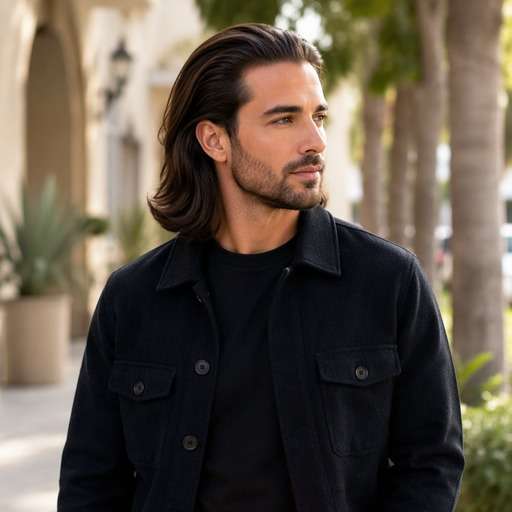
Use my uploaded photo of the same person as the starting image. Try long slick back: direct longer shoulder-grazing hair away from the face. Keep a believable hair brushed backward away from forehead, controlled on top without front fringe. Preserve my face, skin tone, facial hair, expression and outfit, along with the original background and viewpoint. Use a hairstyle-revealing camera angle with realistic hair growth, clean but natural barber transitions and individually visible strands. Make the new haircut clear enough to compare with my original, without adding accessories, mirrors, phones, text or logos.
Short Slick Back
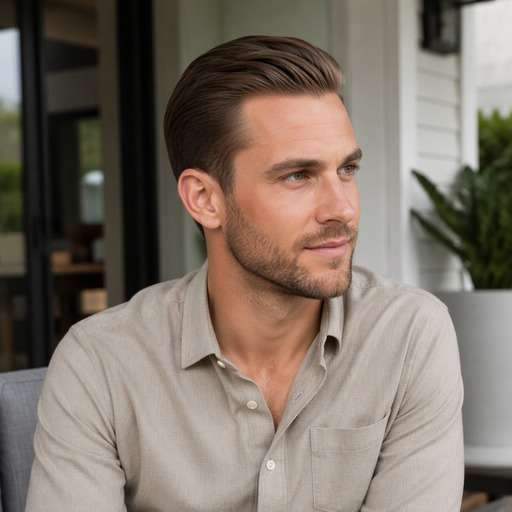
Use my uploaded photo of the same person as the starting image. Try short slick back: brush a short combable top backward with restrained height. Keep a believable hair brushed backward away from forehead, controlled on top without front fringe. Preserve my face, skin tone, facial hair, expression and outfit, along with the original background and viewpoint. Use a hairstyle-revealing camera angle with realistic hair growth, clean but natural barber transitions and individually visible strands. Make the new haircut clear enough to compare with my original, without adding accessories, mirrors, phones, text or logos.
Slick Back With Low Fade
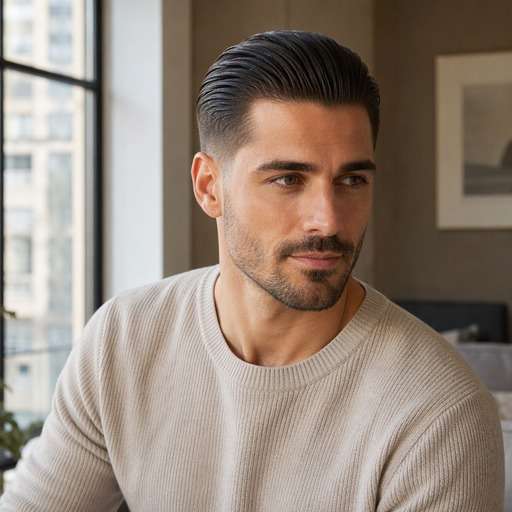
Use my uploaded photo of the same person as the starting image. Try slick back with low fade: keep the polished backward top and low blended sides. Keep a believable hair brushed backward away from forehead, controlled on top without front fringe. Preserve my face, skin tone, facial hair, expression and outfit, along with the original background and viewpoint. Use a hairstyle-revealing camera angle with realistic hair growth, clean but natural barber transitions and individually visible strands. Make the new haircut clear enough to compare with my original, without adding accessories, mirrors, phones, text or logos.
Slick Back Undercut
Use my uploaded photo of the same person as the starting image. Try slick back undercut: contrast a longer swept-back top against much shorter side panels. Keep a believable hair brushed backward away from forehead, controlled on top without front fringe. Preserve my face, skin tone, facial hair, expression and outfit, along with the original background and viewpoint. Use a hairstyle-revealing camera angle with realistic hair growth, clean but natural barber transitions and individually visible strands. Make the new haircut clear enough to compare with my original, without adding accessories, mirrors, phones, text or logos.
Slick Back With Side Part
Use my uploaded photo of the same person as the starting image. Try slick back with side part: add a subtle off-center part line while sweeping back. Keep a believable hair brushed backward away from forehead, controlled on top without front fringe. Preserve my face, skin tone, facial hair, expression and outfit, along with the original background and viewpoint. Use a hairstyle-revealing camera angle with realistic hair growth, clean but natural barber transitions and individually visible strands. Make the new haircut clear enough to compare with my original, without adding accessories, mirrors, phones, text or logos.
Wavy Slick Back
Use my uploaded photo of the same person as the starting image. Try wavy slick back: allow natural gentle waves to remain in the backward sweep. Keep a believable hair brushed backward away from forehead, controlled on top without front fringe. Preserve my face, skin tone, facial hair, expression and outfit, along with the original background and viewpoint. Use a hairstyle-revealing camera angle with realistic hair growth, clean but natural barber transitions and individually visible strands. Make the new haircut clear enough to compare with my original, without adding accessories, mirrors, phones, text or logos.
Slick Back With Volume
Use my uploaded photo of the same person as the starting image. Try slick back with volume: lift the roots a little while keeping hair traveling backward. Keep a believable hair brushed backward away from forehead, controlled on top without front fringe. Preserve my face, skin tone, facial hair, expression and outfit, along with the original background and viewpoint. Use a hairstyle-revealing camera angle with realistic hair growth, clean but natural barber transitions and individually visible strands. Make the new haircut clear enough to compare with my original, without adding accessories, mirrors, phones, text or logos.
Find the Details That Matter in a Slick Back Preview
Compare Forehead Exposure
Sweeping the hair back reveals more of your forehead and hairline. Preview the change on your own face so you can decide whether a fully open front or a softer backward sweep feels better.
Set the Finish, Not Just Direction
Matte, natural-shine and wet-look versions read differently on camera. Keep the haircut and camera angle constant while testing how controlled or glossy you want the styling.
Check How the Sides Fit
A longer slick back with soft sides is different from an undercut slick back. Preview the side volume you actually have before asking for a stronger top-to-side contrast.
Plan for Real Hair Movement
A rendering cannot predict how your hair responds to humidity, product or cowlicks. Use the output as a visual target and ask a barber which length and styling products are realistic.
How to Try Slick Back on Your Photo
Keep the same source portrait while comparing hair brushed backward away from forehead, controlled on top without front fringe. Start with a clear head-and-shoulders image, then change one hairstyle detail at a time.
Step 1
Upload Your Photo
Upload a clear portrait showing front three-quarter portrait displaying open hairline and crown sweep. Leave enough room around the head to view the haircut from top to lower edges.
Step 2
Choose a Haircut Filter or Enter a Prompt
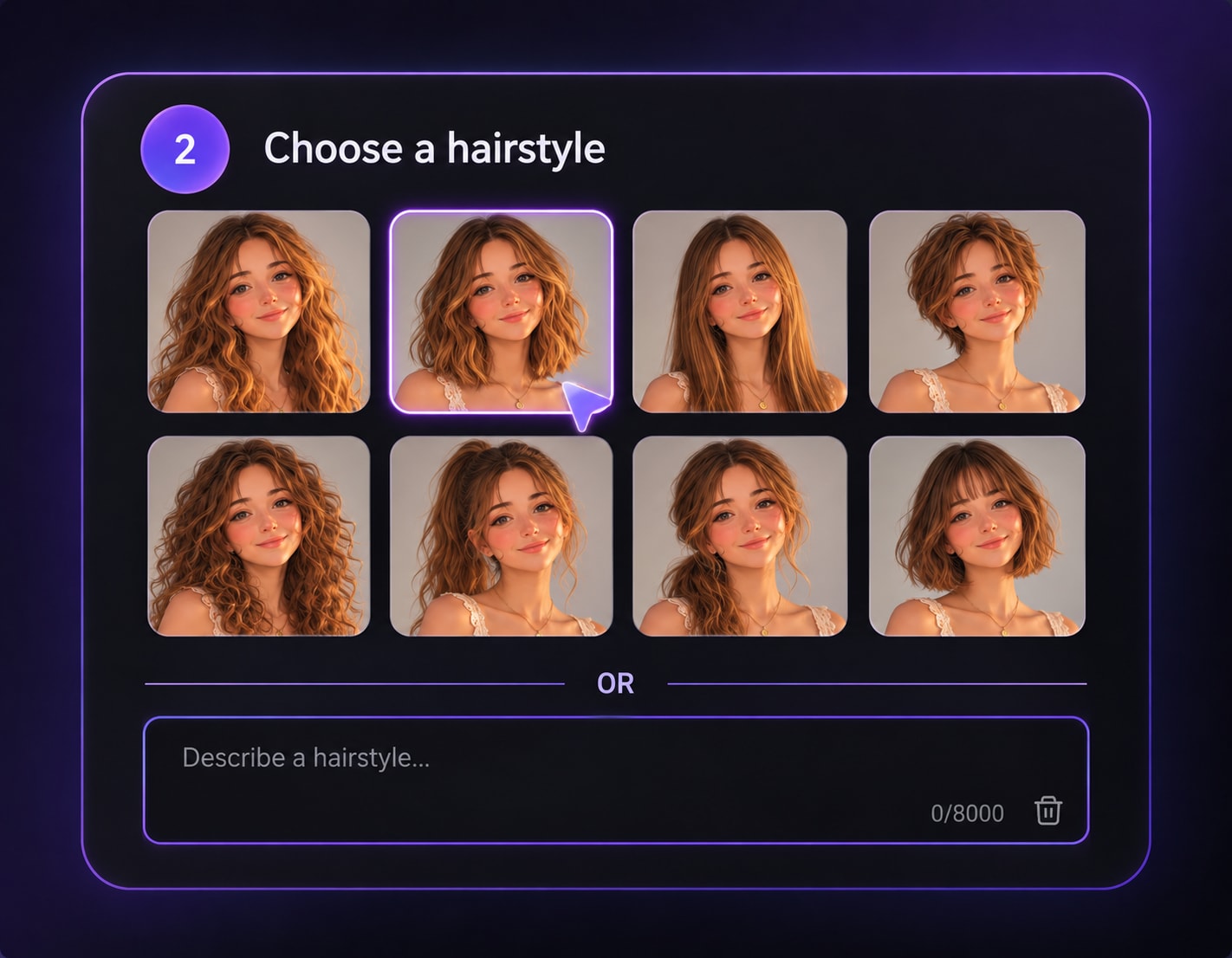
Choose a suitable haircut preset if available, or enter a custom prompt describing clearly visible forehead and roots brushed back with a neat controlled backward silhouette. Ask for a natural hairline and realistic transition.
Step 3
Click Generate
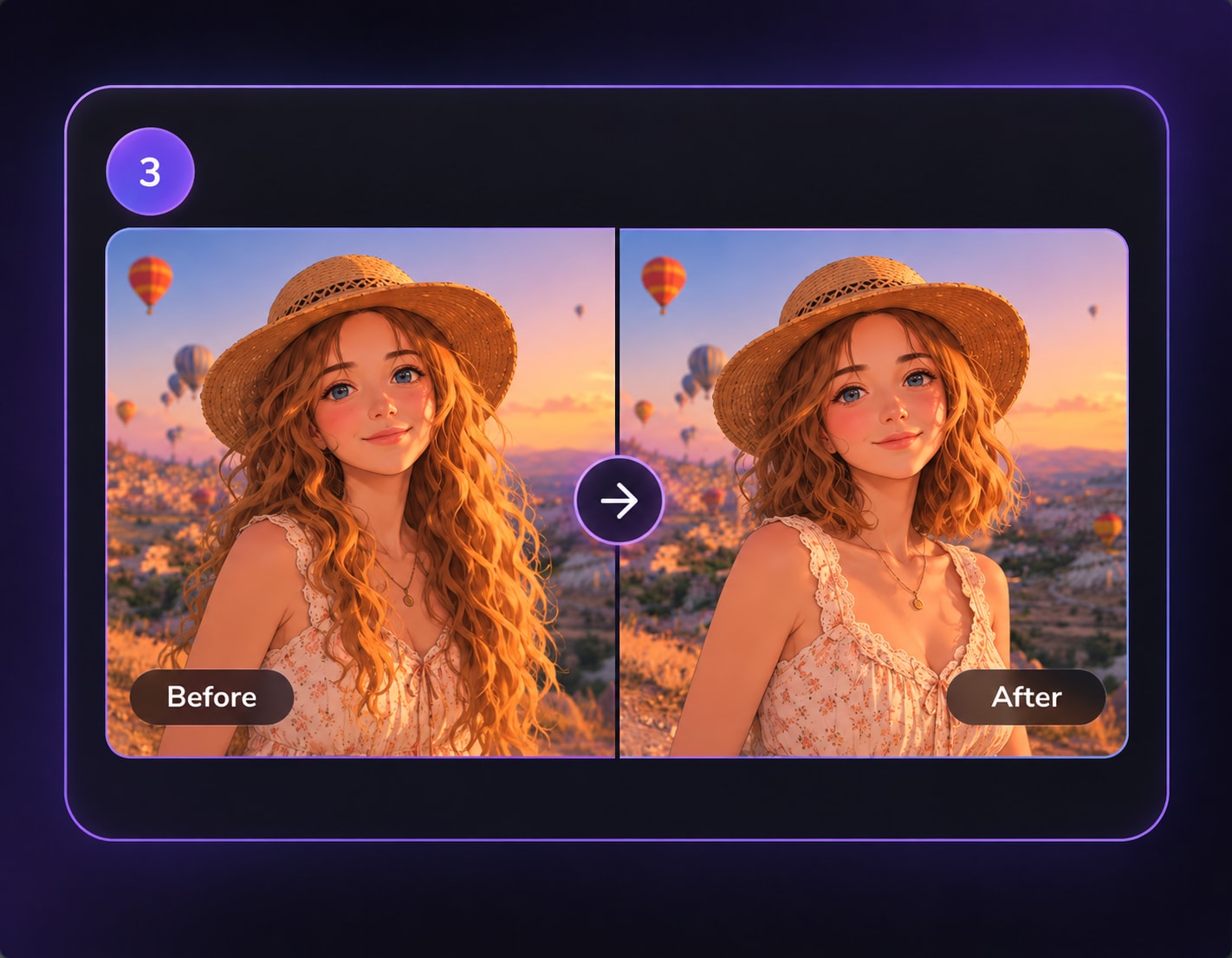
Click Generate to preview the new hairstyle on your photo. Compare the original against the target shape and refine the fade height, texture or length that matters to this cut.
Use the image to decide on visible shape and proportion before changing your real hair. The key is hair brushed backward away from forehead, controlled on top without front fringe, not an invented change to your face.
Getting Ready for Formal Photos
Try a cleaner backward sweep for an interview or event portrait while preserving your outfit and facial expression. A consistent image helps you judge the hairline change alone.
Testing a New Daily Finish
Compare natural matte slick back and shinier wet-looking hair to see whether either fits your usual routine. The visual difference can be larger than changing the cut. In both versions, pay attention to how much temple hair remains visible.
Deciding on an Undercut
Before shaving the sides short, preview the sleek top with both ordinary longer sides and a disconnected undercut. The paired images clarify whether you prefer the styling or the cut.
Check Your Slick Back Preview Before Saving
Defining Shape
Image review checklist
"Is the key haircut feature visible?" Look for hair brushed backward away from forehead, controlled on top without front fringe. If that detail is missing, make the instruction more specific before keeping the preview.
Before & After
Image review checklist
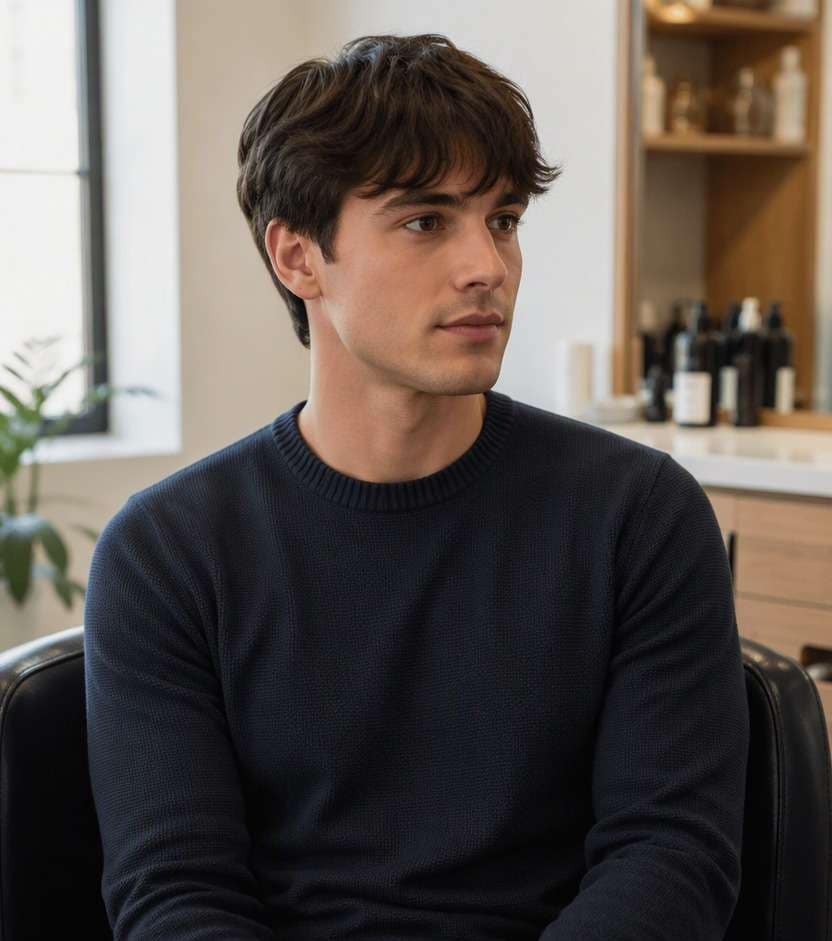
"Can you see a real hair change?" The baseline should show forward or side-swept hair with loose fringe partially covering forehead. The new version should clearly show clearly visible forehead and roots brushed back with a neat controlled backward silhouette with the same person and photo.
Natural Hair Edges
Image review checklist
"Check the scalp and temples" Look around the ear, forehead and nape for unrealistic lines or missing strands. Ask for a more natural transition when an edit looks artificial.
Barber Reference
Image review checklist
"Save a photo you can explain" Use the preview to discuss shape and length with your barber. The image cannot measure real hair density, growth direction or styling hold.
You need enough length at the front to direct the hair backward. The amount varies with texture and product, and extremely short hair may not hold a smooth sweep.
2. Is slick back the same as pompadour?
No. Slick-back styling primarily directs hair backward. A pompadour adds pronounced lift and shape at the front, which changes the profile considerably.
3. Can I try a slick back with curly hair?
You can preview a backward-styled shape that retains some curl texture. Actual hold, shrinkage and smoothness depend on your own hair and styling products.
4. How do I avoid an unnatural plastic look?
Ask for visible individual strands, realistic shine and a natural hairline. Overly wet or identical flat strands can make an AI result less useful as a styling reference.
5. What photo gives the clearest slick back preview?
Use a sharp, evenly lit photo with front three-quarter portrait displaying open hairline and crown sweep. Keep hair boundaries visible rather than hidden by hats or dramatic shadows. A consistent camera angle makes comparisons more useful.
6. Will the slick back preview match a real haircut exactly?
No. This is a visual reference that helps compare hair brushed backward away from forehead, controlled on top without front fringe. Real length, growth patterns, density, scalp exposure and day-to-day styling depend on your hair and your barber.