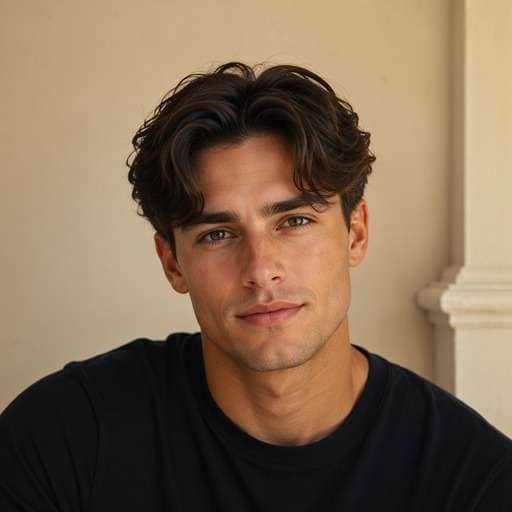
Klicken oder ziehen, um hochzuladen, oder wählen Sie aus Meine HistorieKlicken Sie zum HochladenMeine Historie
Keine Ideen? Erstellen Sie zuerst ein Bild. >
Laden Sie jpg-, jpeg- oder png-Bilder bis zu 50 MB hoch, mit einer Mindestbreite/-höhe von 300 px.
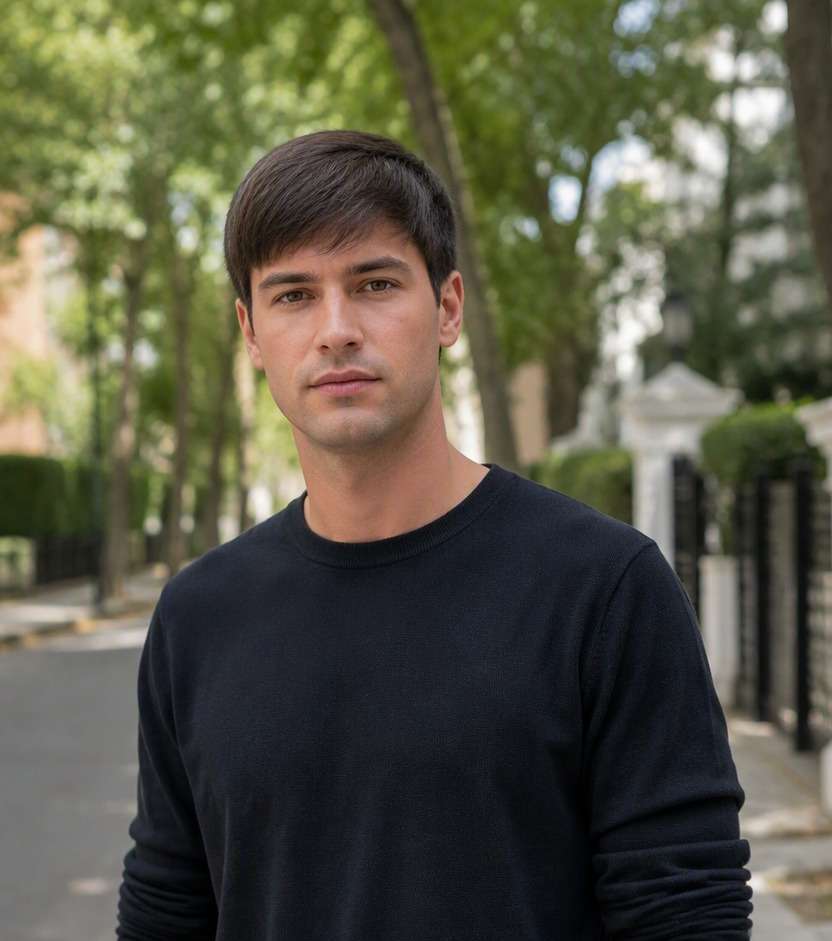
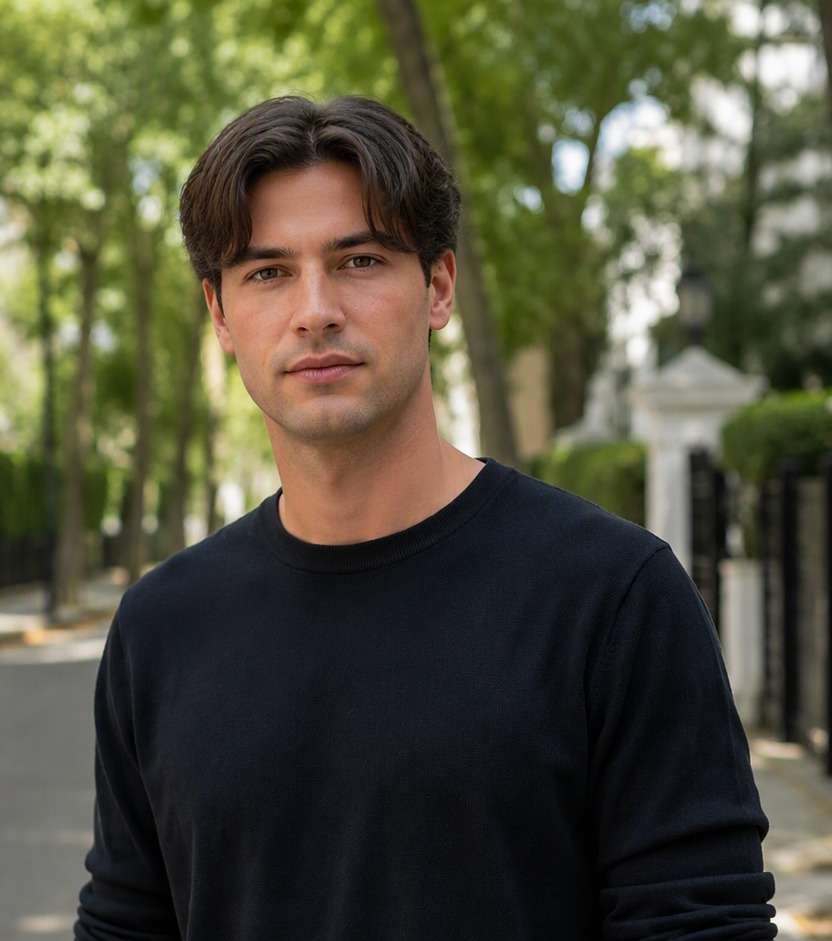
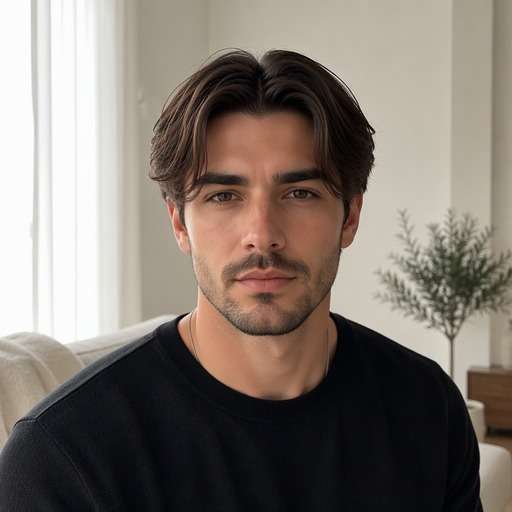
Try a Middle Part Hairstyle on Your Face
Curious whether curtain-style hair would frame your forehead better than your usual side part? A middle part men hairstyle filter lets you compare a clean central split, soft layered curtains and different ear lengths on your own portrait. See which version leaves your eyes clear and feels right for everyday styling.
For a clearer preview, upload a well-lit photo with front portrait showing forehead, eye line and temple framing.
Middle Part Men Hairstyle Prompts
Not every middle part men looks the same. Start by comparing central hair part with curtain sections falling naturally down both sides of forehead. Choose the variation whose silhouette you want to test, copy the prompt into Face Editor and upload one clear photo. Keep the same face and viewpoint between versions so the hairstyle difference is easy to judge.
Classic Curtain Middle Part
Use my uploaded photo of the same person as the starting image. Try classic curtain middle part: clean center separation with cheekbone-length front pieces. Keep a believable central hair part with curtain sections falling naturally down both sides of forehead. Preserve my face, skin tone, facial hair, expression and outfit, along with the original background and viewpoint. Use a hairstyle-revealing camera angle with realistic hair growth, clean but natural barber transitions and individually visible strands. Make the new haircut clear enough to compare with my original, without adding accessories, mirrors, phones, text or logos.
Short Middle Part
Use my uploaded photo of the same person as the starting image. Try short middle part: split short fringe symmetrically above the brow line. Keep a believable central hair part with curtain sections falling naturally down both sides of forehead. Preserve my face, skin tone, facial hair, expression and outfit, along with the original background and viewpoint. Use a hairstyle-revealing camera angle with realistic hair growth, clean but natural barber transitions and individually visible strands. Make the new haircut clear enough to compare with my original, without adding accessories, mirrors, phones, text or logos.
Long Middle Part Curtains
Use my uploaded photo of the same person as the starting image. Try long middle part curtains: leave front sections to skim the ears and temples. Keep a believable central hair part with curtain sections falling naturally down both sides of forehead. Preserve my face, skin tone, facial hair, expression and outfit, along with the original background and viewpoint. Use a hairstyle-revealing camera angle with realistic hair growth, clean but natural barber transitions and individually visible strands. Make the new haircut clear enough to compare with my original, without adding accessories, mirrors, phones, text or logos.
Wavy Curtain Hair
Use my uploaded photo of the same person as the starting image. Try wavy curtain hair: preserve natural soft bends in two balanced face-framing sections. Keep a believable central hair part with curtain sections falling naturally down both sides of forehead. Preserve my face, skin tone, facial hair, expression and outfit, along with the original background and viewpoint. Use a hairstyle-revealing camera angle with realistic hair growth, clean but natural barber transitions and individually visible strands. Make the new haircut clear enough to compare with my original, without adding accessories, mirrors, phones, text or logos.
Straight Middle Part
Use my uploaded photo of the same person as the starting image. Try straight middle part: smooth even sections with an unobstructed center part. Keep a believable central hair part with curtain sections falling naturally down both sides of forehead. Preserve my face, skin tone, facial hair, expression and outfit, along with the original background and viewpoint. Use a hairstyle-revealing camera angle with realistic hair growth, clean but natural barber transitions and individually visible strands. Make the new haircut clear enough to compare with my original, without adding accessories, mirrors, phones, text or logos.
Layered Middle Part
Use my uploaded photo of the same person as the starting image. Try layered middle part: add cheekbone-level face framing and gentle side movement. Keep a believable central hair part with curtain sections falling naturally down both sides of forehead. Preserve my face, skin tone, facial hair, expression and outfit, along with the original background and viewpoint. Use a hairstyle-revealing camera angle with realistic hair growth, clean but natural barber transitions and individually visible strands. Make the new haircut clear enough to compare with my original, without adding accessories, mirrors, phones, text or logos.
Korean-Inspired Middle Part
Use my uploaded photo of the same person as the starting image. Try korean-inspired middle part: airy curved fringe panels with understated volume. Keep a believable central hair part with curtain sections falling naturally down both sides of forehead. Preserve my face, skin tone, facial hair, expression and outfit, along with the original background and viewpoint. Use a hairstyle-revealing camera angle with realistic hair growth, clean but natural barber transitions and individually visible strands. Make the new haircut clear enough to compare with my original, without adding accessories, mirrors, phones, text or logos.
Middle Part With Tapered Sides
Use my uploaded photo of the same person as the starting image. Try middle part with tapered sides: retain long top curtains while shortening around the ears. Keep a believable central hair part with curtain sections falling naturally down both sides of forehead. Preserve my face, skin tone, facial hair, expression and outfit, along with the original background and viewpoint. Use a hairstyle-revealing camera angle with realistic hair growth, clean but natural barber transitions and individually visible strands. Make the new haircut clear enough to compare with my original, without adding accessories, mirrors, phones, text or logos.
Loose Off-Center Curtains
Use my uploaded photo of the same person as the starting image. Try loose off-center curtains: move the split slightly to follow natural hair growth. Keep a believable central hair part with curtain sections falling naturally down both sides of forehead. Preserve my face, skin tone, facial hair, expression and outfit, along with the original background and viewpoint. Use a hairstyle-revealing camera angle with realistic hair growth, clean but natural barber transitions and individually visible strands. Make the new haircut clear enough to compare with my original, without adding accessories, mirrors, phones, text or logos.
Full Volume Middle Part
Use my uploaded photo of the same person as the starting image. Try full volume middle part: give the roots a little lift without covering the eyes. Keep a believable central hair part with curtain sections falling naturally down both sides of forehead. Preserve my face, skin tone, facial hair, expression and outfit, along with the original background and viewpoint. Use a hairstyle-revealing camera angle with realistic hair growth, clean but natural barber transitions and individually visible strands. Make the new haircut clear enough to compare with my original, without adding accessories, mirrors, phones, text or logos.
Find the Details That Matter in a Middle Part Men Preview
See What the Part Does to Your Face
A middle part exposes a central strip of forehead and creates two framing panels. Try the same portrait with centered and slightly off-centered splits before deciding where the hair should open.
Choose Your Curtain Length
Front pieces can stop near the brows, cheekbones or ears. Small differences change how much the style covers the eyes, so compare the lengths rather than asking for generic "curtains."
Balance Volume Around the Temples
Flat panels and airy lifted curtains frame the head differently. Ask for realistic root volume so the output does not turn into a helmet-like straight curtain.
Respect Your Natural Part Direction
Hair growth, cowlicks and density determine whether a center part sits comfortably in real life. Preview the shape, then discuss practical cut and styling choices with a barber.
How to Try Middle Part Men on Your Photo
Keep the same source portrait while comparing central hair part with curtain sections falling naturally down both sides of forehead. Start with a clear head-and-shoulders image, then change one hairstyle detail at a time.
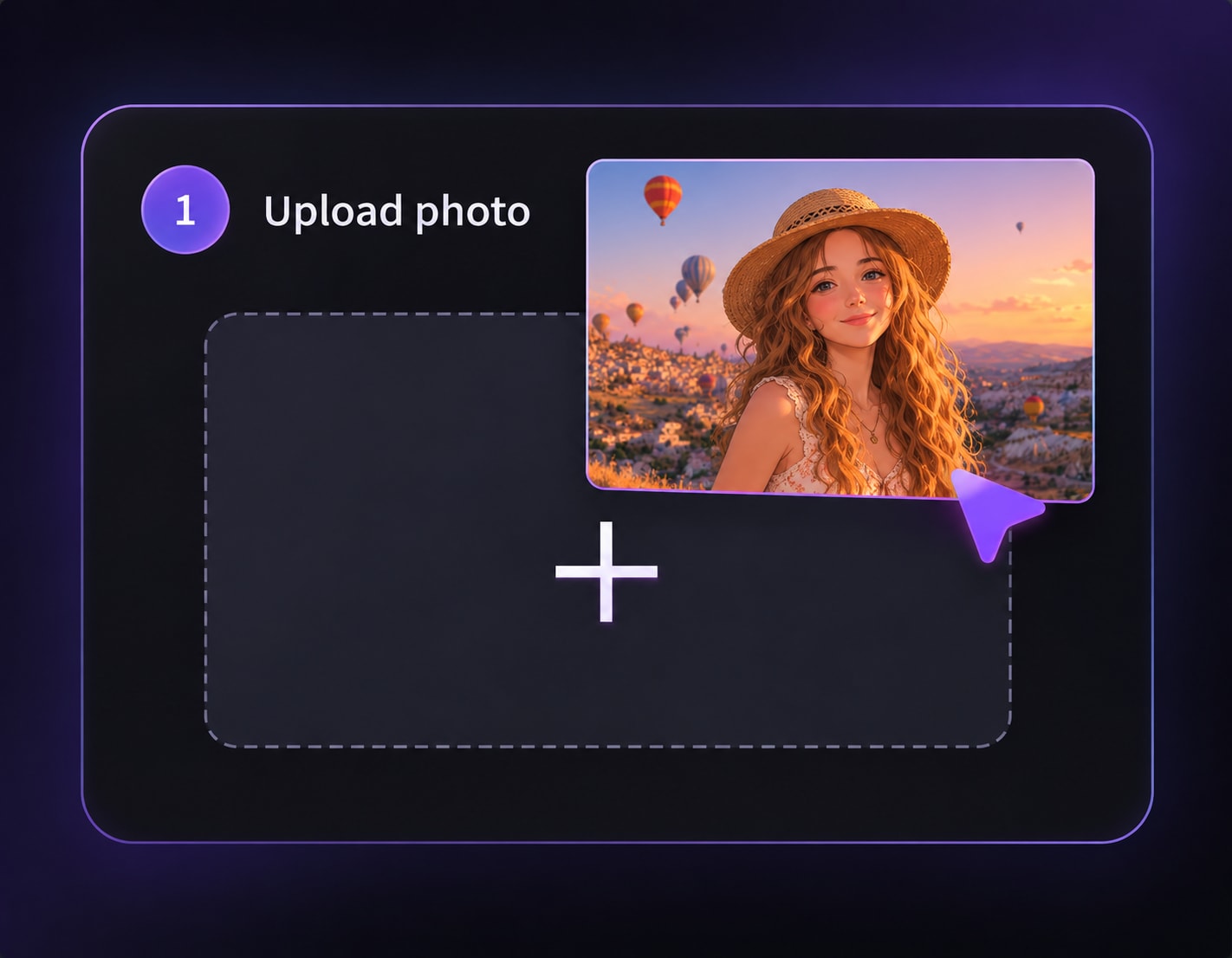
Step 1
Upload Your Photo
Upload a clear portrait showing front portrait showing forehead, eye line and temple framing. Leave enough room around the head to view the haircut from top to lower edges.
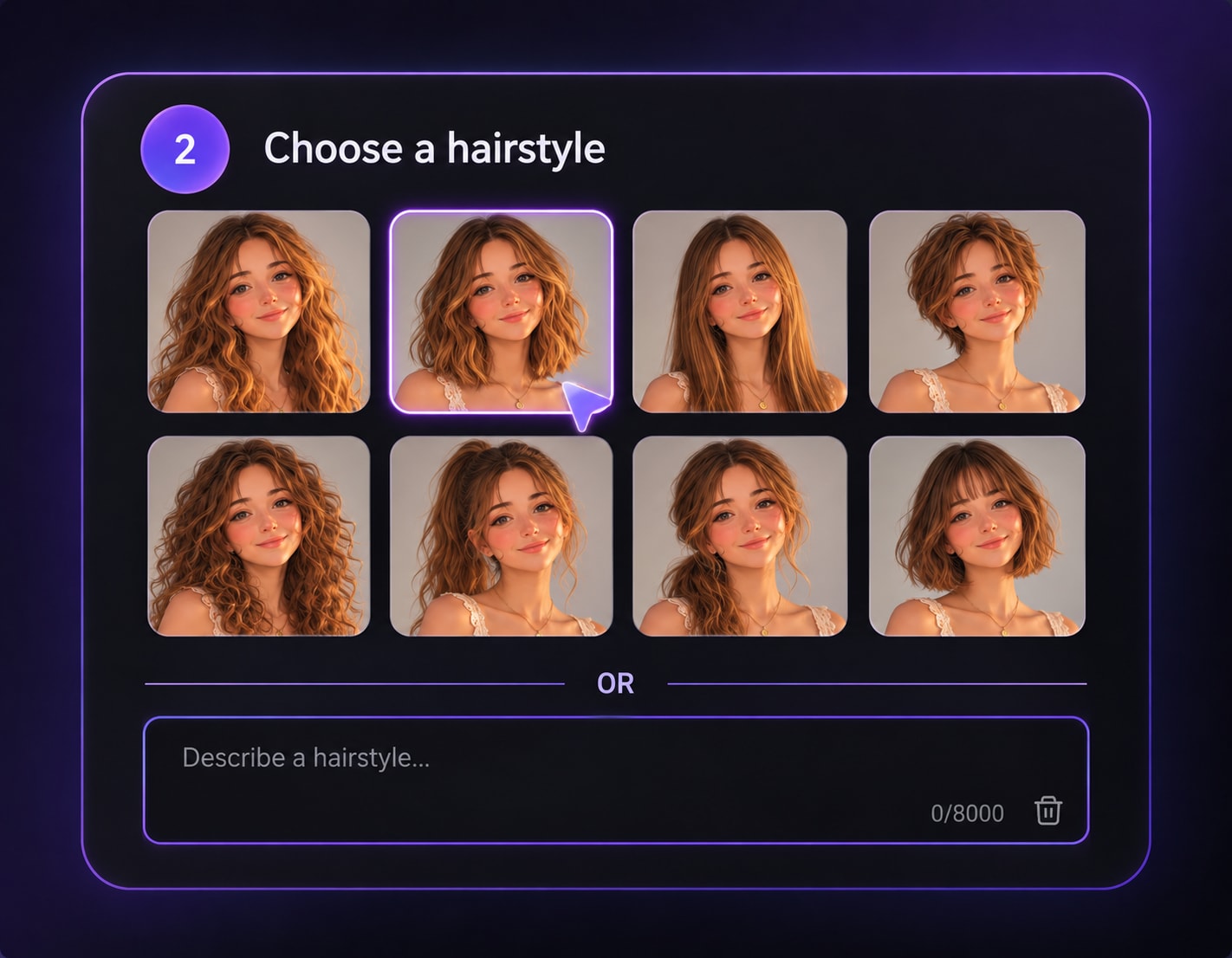
Step 2
Choose a Haircut Filter or Enter a Prompt
Choose a suitable haircut preset if available, or enter a custom prompt describing definite centered scalp part with two balanced face-framing curtain panels. Ask for a natural hairline and realistic transition.
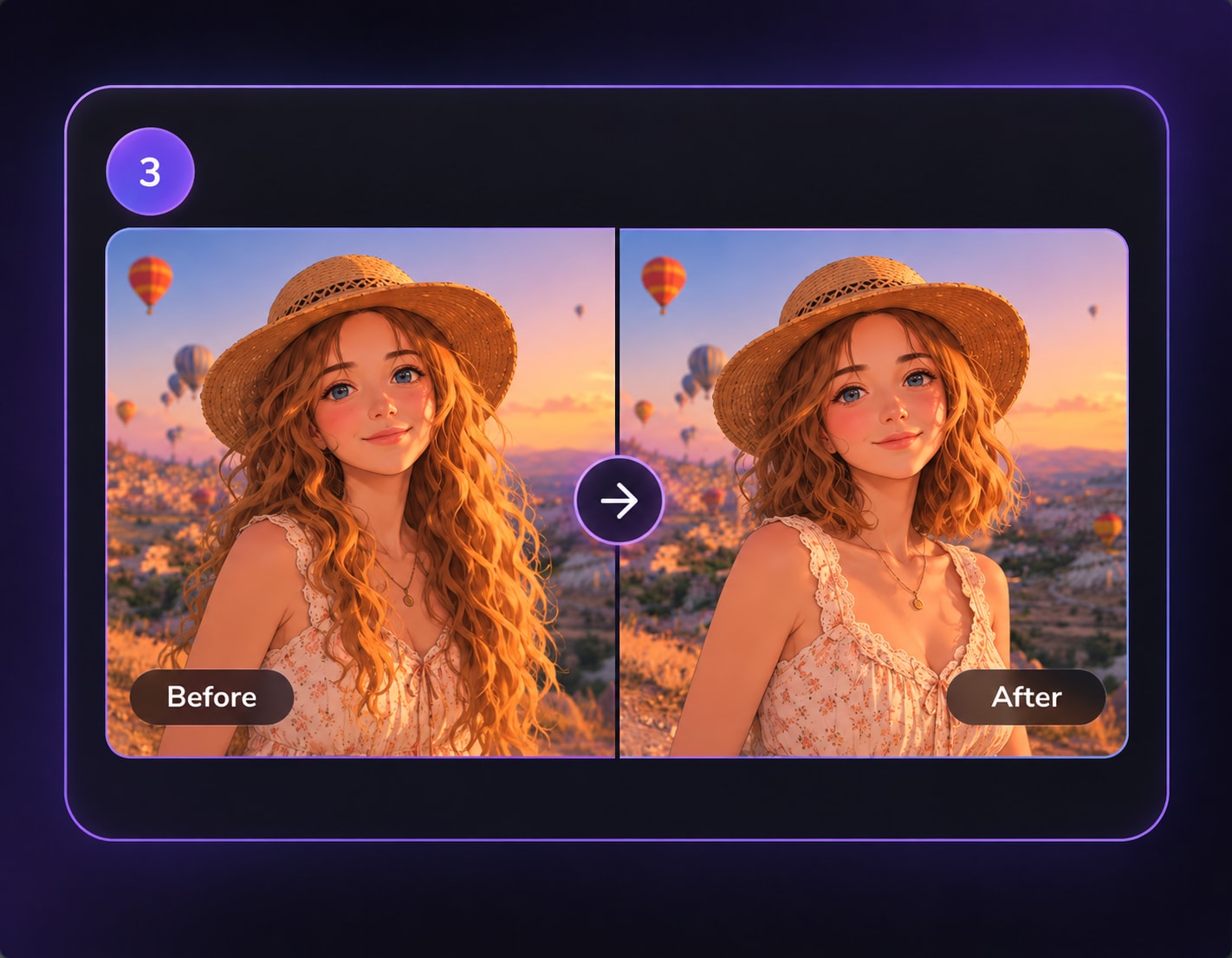
Step 3
Click Generate
Click Generate to preview the new hairstyle on your photo. Compare the original against the target shape and refine the fade height, texture or length that matters to this cut.
Use the image to decide on visible shape and proportion before changing your real hair. The key is central hair part with curtain sections falling naturally down both sides of forehead, not an invented change to your face.
Switching From a Side Part
If you've always pushed hair to one side, a middle split can change your appearance without changing overall length. Preview both with the same facial expression and top volume.
Choosing an Event Hairstyle
For photos, compare neat straight curtains with slightly wavy panels. Focus on whether your eyes remain visible and the forehead framing feels balanced rather than over-styling the rest of the portrait.
Planning a Grow-Out
Curtain hair needs front length to divide cleanly. Try a shorter version and a fuller ear-length version to see which stage you want to reach next. Compare how close the new curtain panels fall to your cheekbones and ears.
Check Your Middle Part Men Preview Before Saving
Defining Shape
Image review checklist
"Is the key haircut feature visible?" Look for central hair part with curtain sections falling naturally down both sides of forehead. If that detail is missing, make the instruction more specific before keeping the preview.
Before & After
Image review checklist
"Can you see a real hair change?" The baseline should show one-direction swept top or short forward fringe with no visible middle part. The new version should clearly show definite centered scalp part with two balanced face-framing curtain panels with the same person and photo.
Natural Hair Edges
Image review checklist
"Check the scalp and temples" Look around the ear, forehead and nape for unrealistic lines or missing strands. Ask for a more natural transition when an edit looks artificial.
Barber Reference
Image review checklist
"Save a photo you can explain" Use the preview to discuss shape and length with your barber. The image cannot measure real hair density, growth direction or styling hold.
They overlap, but a middle part refers to where the hair divides, while curtains describe the front sections framing either side of the face.
2. What if my hair naturally parts off-center?
A slightly off-center split may feel more realistic. Test both positions in the photo and discuss how your natural growth direction affects daily styling.
3. Can short hair have a middle part?
Sometimes, if the top and fringe are long enough to separate visibly. Very short crops may need growth before the front can form two curtain panels.
4. Does a middle part work with wavy hair?
It can, and waves add movement, but curl shrinkage and temple volume can change the framing. Compare a version matching your real texture rather than smoothing everything out.
5. What photo gives the clearest middle part men preview?
Use a sharp, evenly lit photo with front portrait showing forehead, eye line and temple framing. Keep hair boundaries visible rather than hidden by hats or dramatic shadows. A consistent camera angle makes comparisons more useful.
6. Will the middle part men preview match a real haircut exactly?
No. This is a visual reference that helps compare central hair part with curtain sections falling naturally down both sides of forehead. Real length, growth patterns, density, scalp exposure and day-to-day styling depend on your hair and your barber.