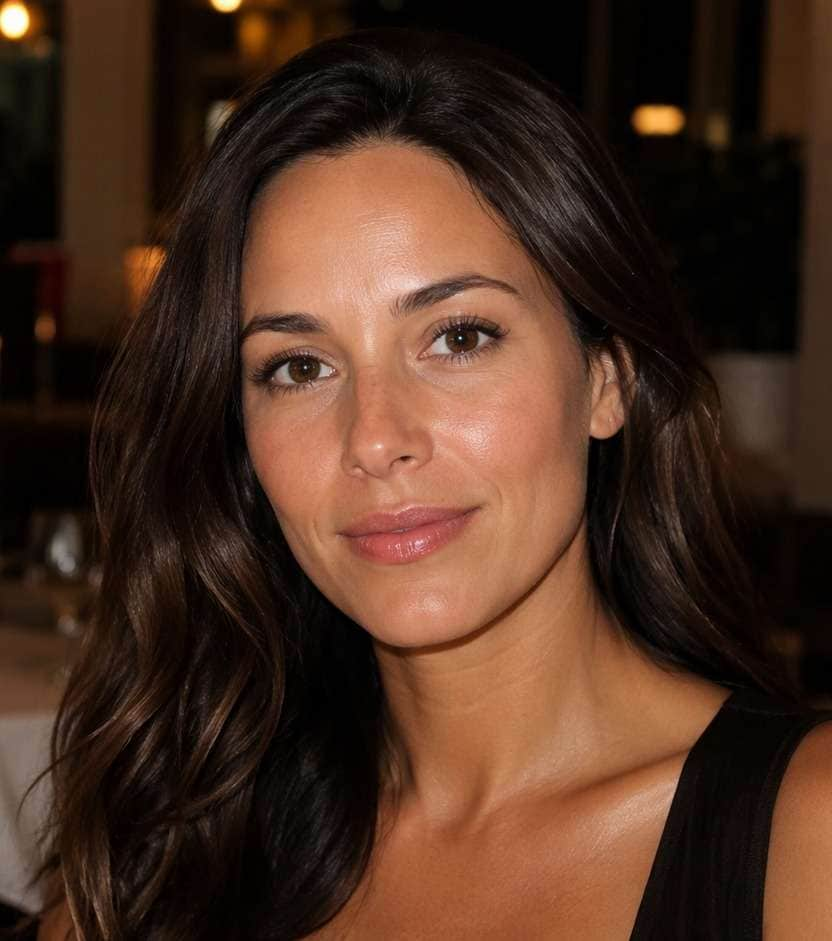
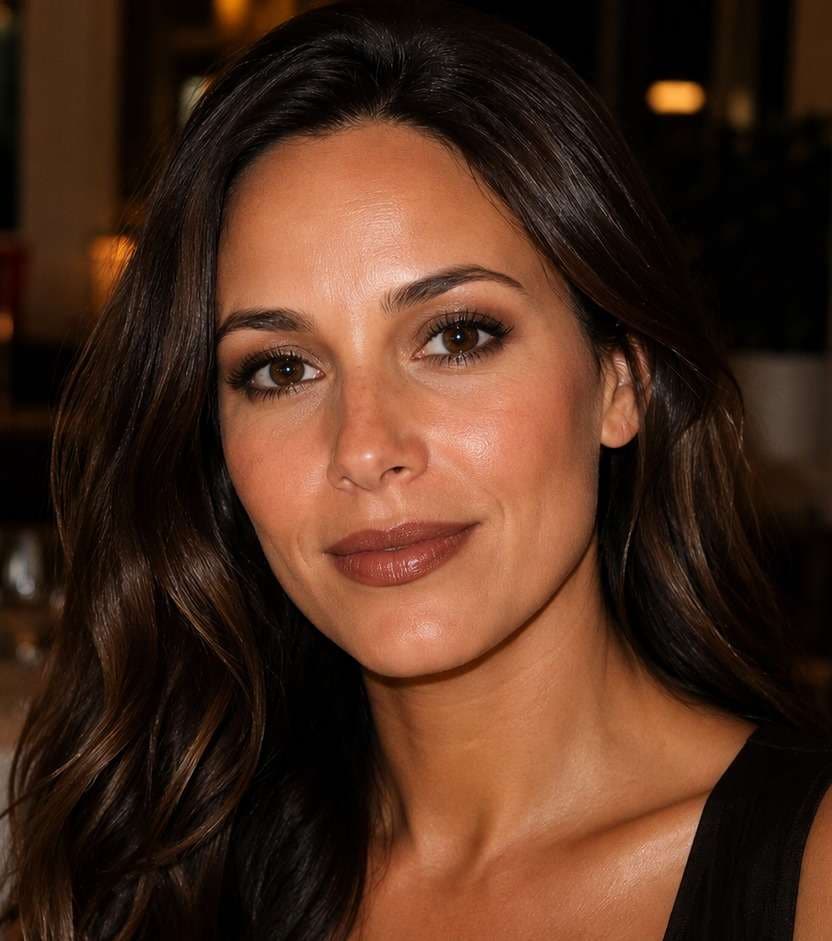
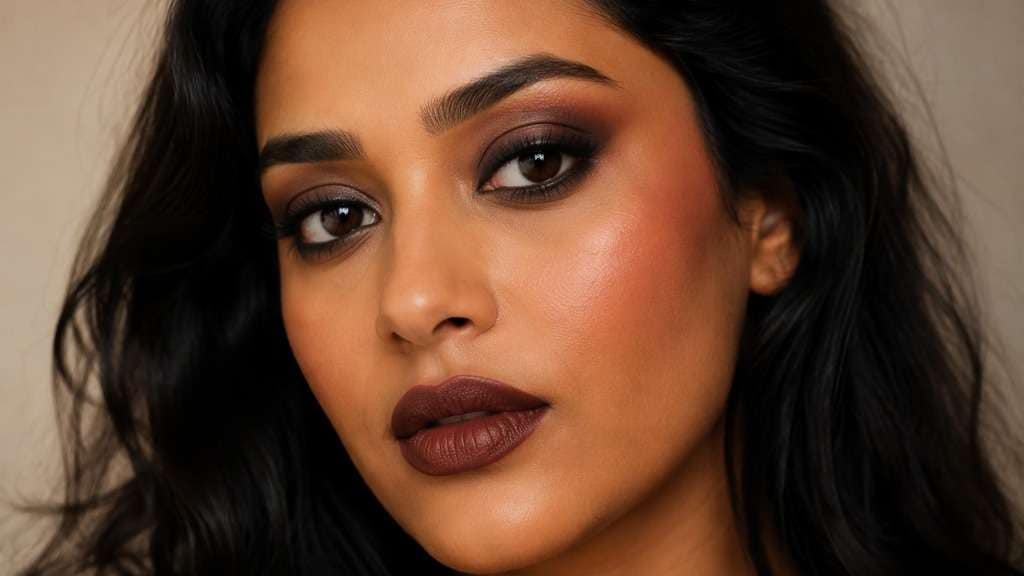
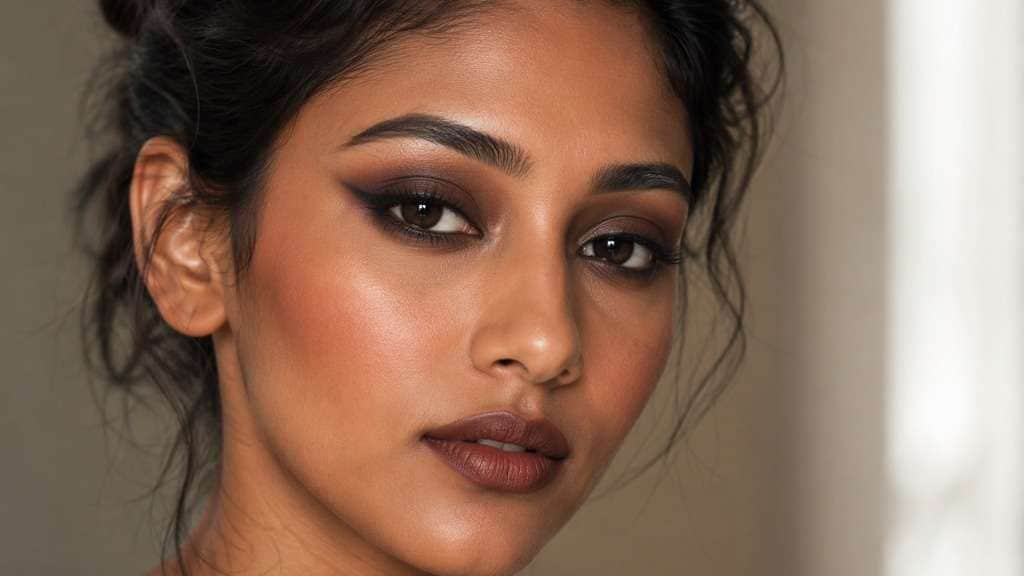
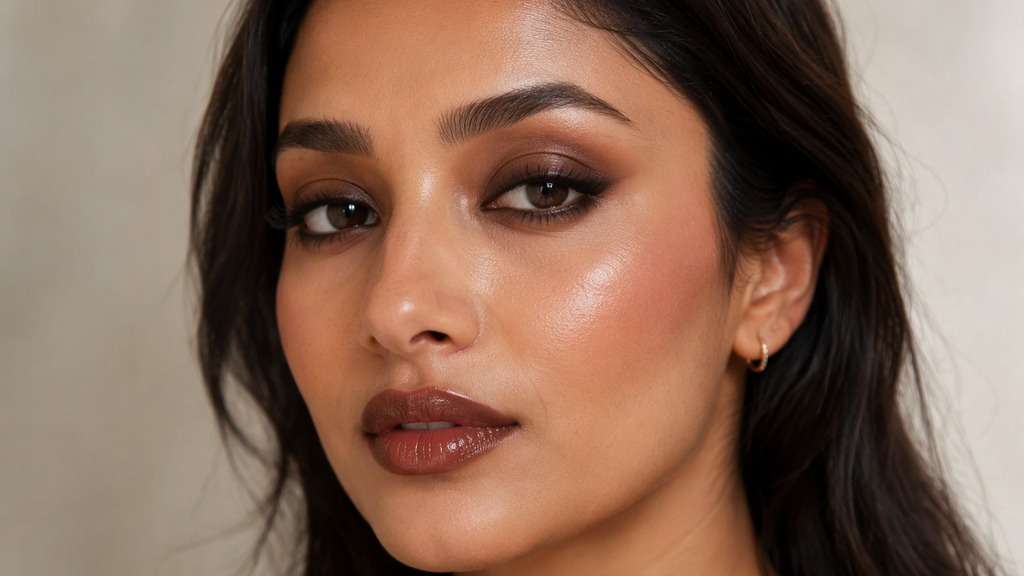
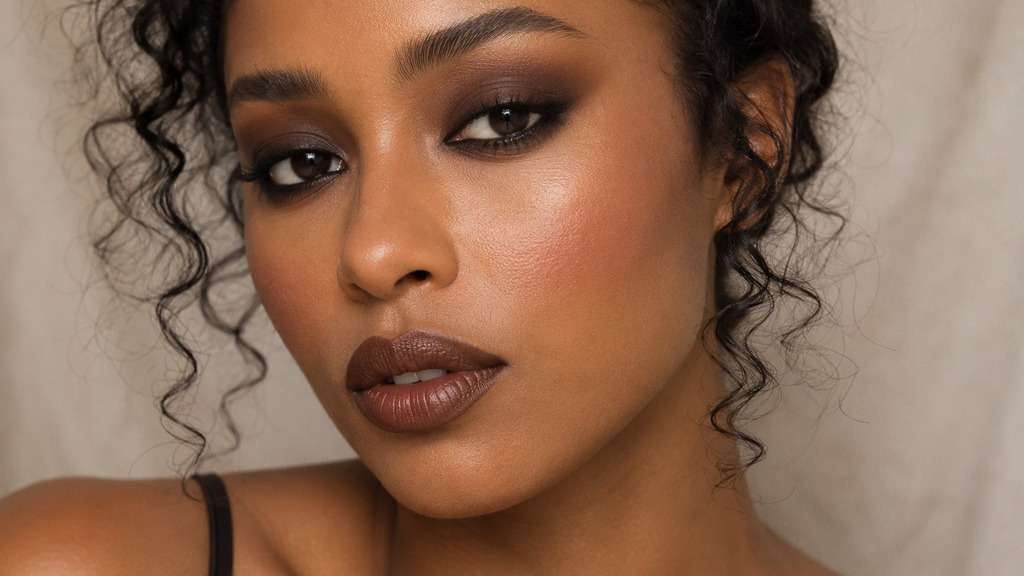
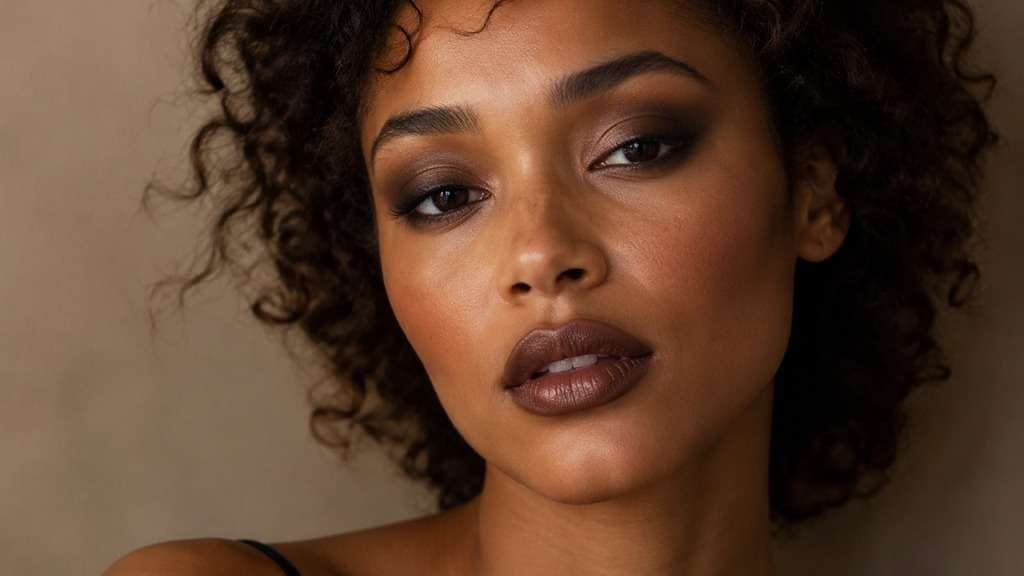
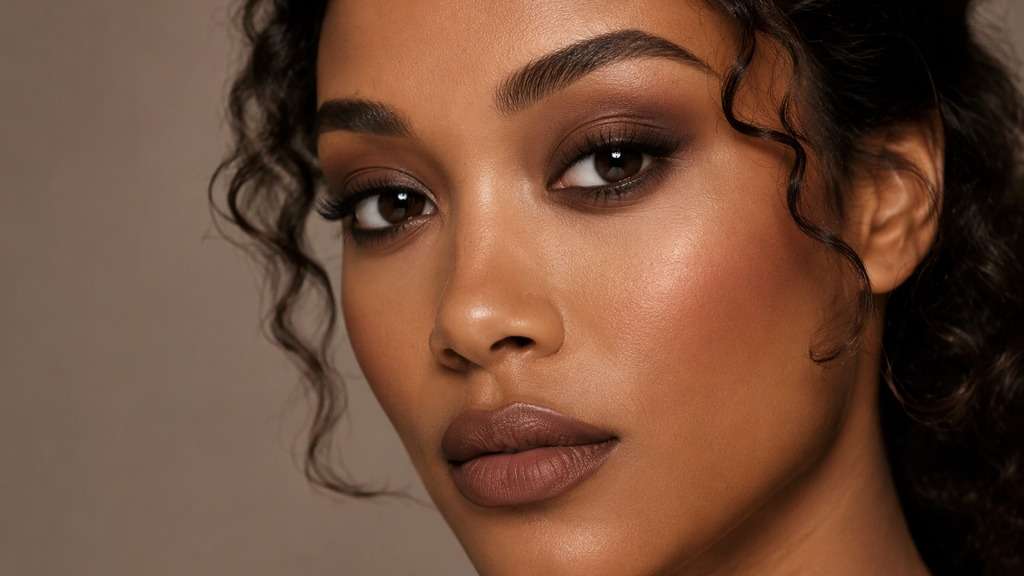
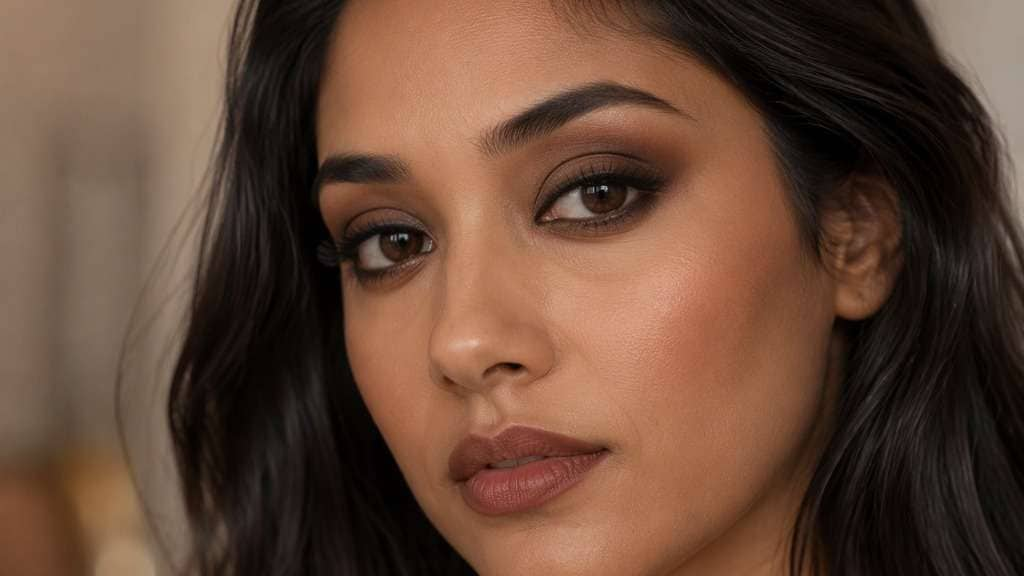
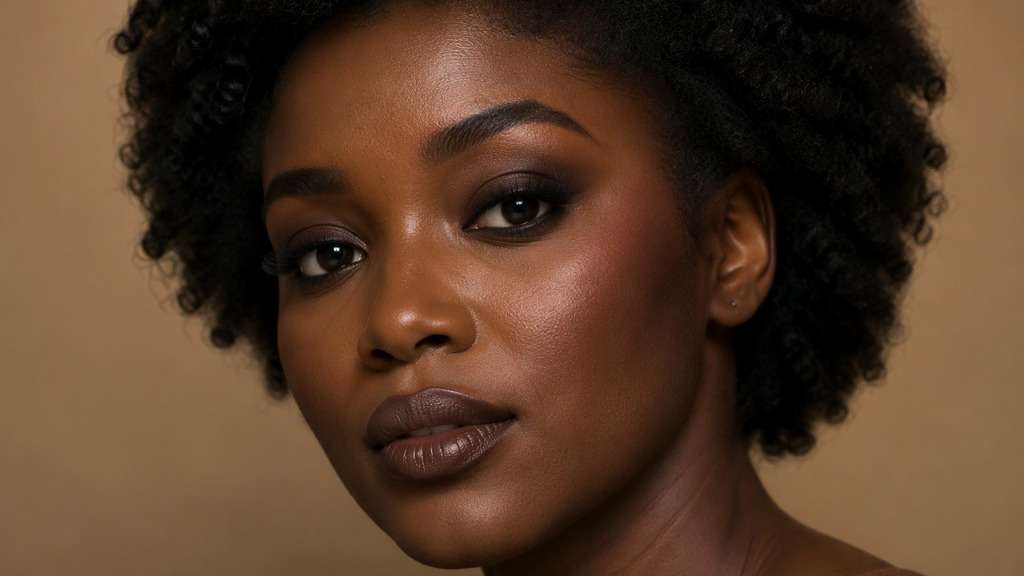
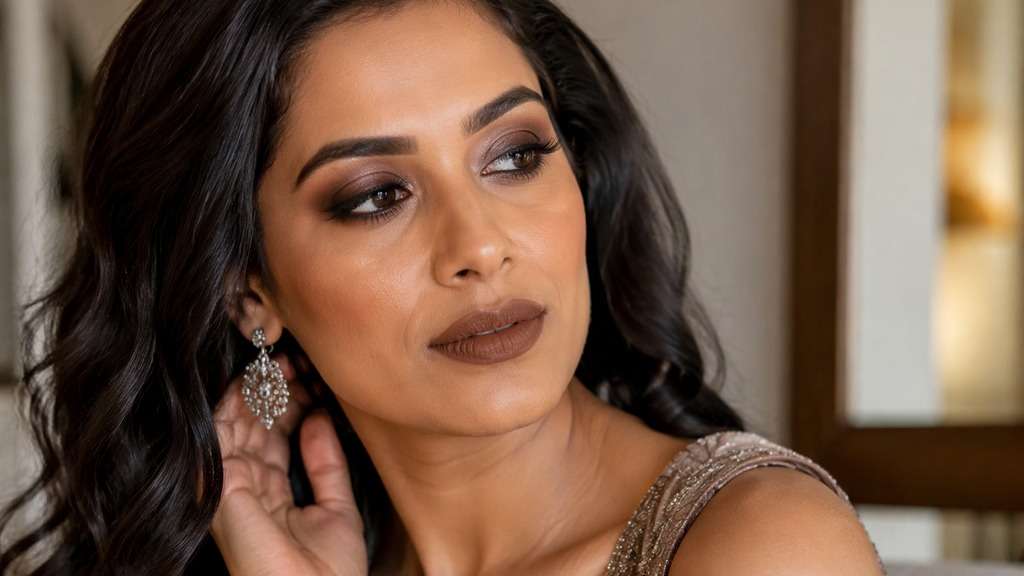
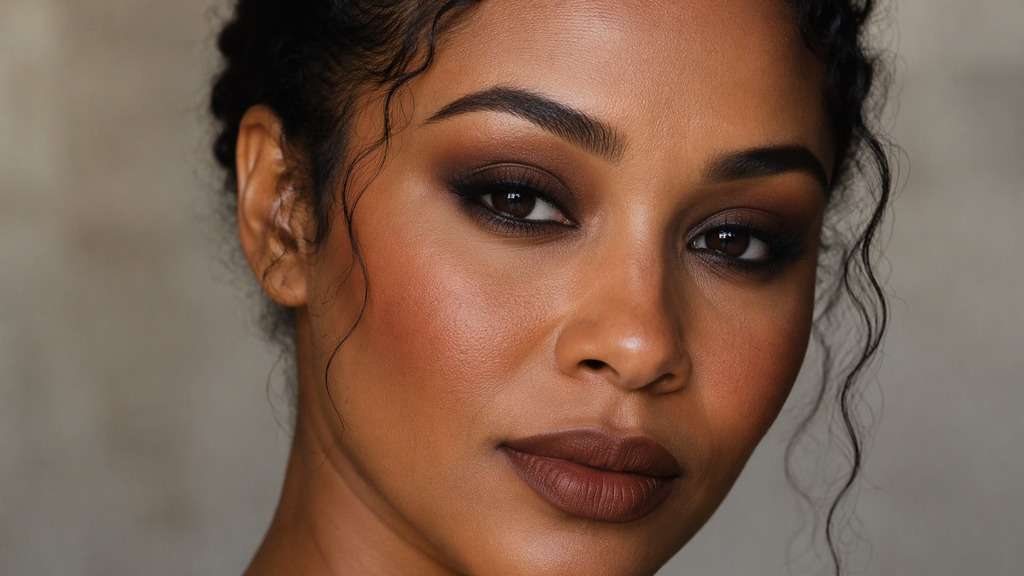
You like dark brown evening makeup, but heavy black smoky eyes overpower your photo. Use the espresso makeup filter concept to compare layered deep coffee-brown smoky eyes, softened near-black liner, softly sculpted cheeks and cocoa lips against the same original selfie. Keep espresso deeper and moodier than latte or mocha, without turning the entire image black. Start with a clear portrait and compare the edits against your own features. For a dinner outfit test, choose the version that feels right with your actual lighting and outfit.
Use your original skin tone and keep the edit focused on makeup, especially deep roast smoke.
Espresso Photo Makeup Prompts: 10 Looks to Try
Test a smudged dark-brown wing against a matte roast lid or a glossy coffee lip before choosing an espresso direction. Keep your existing portrait steady while you compare whether deep coffee belongs on the eyes, mouth or both.
Deep Roast Smoke
Use my uploaded photo to preview Deep Roast Smoke. Smoke a deep roasted-coffee shadow around the upper lash lines and outer corners; soften the crease with milk-chocolate brown and keep lips beige nude. Keep my facial features, hairstyle, outfit and photo setting unchanged; let the cosmetic placement be the visible difference.
Smudged Espresso Wing
On my original portrait, test the Smudged Espresso Wing makeup direction. Create a lifted espresso wing using dark-brown liner smudged outward from the outer third of the eye; keep lower lids clean and cheeks peach-neutral. Retain my original complexion and natural skin texture, along with my expression, camera angle and background.
Glossy Coffee Lip
Try Glossy Coffee Lip on my own photograph. Paint a rich coffee-brown lip with a glassy topcoat and precisely softened lip corners; leave eyelids satin taupe to spotlight the mouth. Work on the same recognizable face, preserving the photo setting, hair and facial proportions.
Matte Roast Eye
Edit the cosmetics in my uploaded portrait for Matte Roast Eye. Apply matte dark-roast shadow from lashes to a controlled low crease, graduating to tan at the edge; omit glitter and use neutral brown lips. Keep the existing lighting, clothes and expression; this is a cosmetic try-on rather than a new portrait.
Bronze Espresso Blend
Show Bronze Espresso Blend on my existing face and photograph. Layer bronze shimmer over medium mocha shadow on the moving lids with espresso at the outer V; set cheek color to muted warm rose. Preserve my skin-tone depth, hair, pose and surroundings, and show believable makeup edges.
Lower Lash Smoke
For a makeup try-on of my photo, create Lower Lash Smoke. Smudge dark brown pencil only along the lower outer lash lines, joining a soft upper shadow haze; keep inner corners bright and lips sheer nude. Maintain the recognizable person, original skin color, accessories and picture composition.
Soft Day Espresso
On this uploaded portrait, compare the Soft Day Espresso finish. Make a daytime espresso version with a sheer coffee-colored wash at the outer lids, soft brown mascara and delicate caramel-beige lips. Show realistic eyes, lips and cheek texture while retaining the photographed face and setting.
Dark Skin Cocoa Depth
Apply the Dark Skin Cocoa Depth cosmetic concept to my original picture. On the original deeper complexion, use defined dark-chocolate liner and a warm antique-bronze lid reflection; choose lip color with enough contrast to stay visible. Keep the original camera view and clothing, with natural skin texture visible beneath the makeup.
Wedding Guest Espresso
Preview Wedding Guest Espresso using my own face as the reference. For a wedding-guest portrait, frame the eyes with espresso shadow blended into taupe, slim black-brown liner and a refined dusty-rose satin lip. Preserve my expression, facial shape and existing skin color; adjust only the described cosmetics.
Satin Espresso Glam
Create the Satin Espresso Glam makeup effect on my uploaded photo. Build a formal espresso eye with a dark cocoa crease, satin chocolate lid and a very thin glossy-black lash accent; add cool-brown sculpting without over-darkening skin. Maintain my original hairstyle, complexion and background so I can judge this makeup on my own photo.
Compare Espresso Makeup Before You Recreate It
What Changes With Deep Roast Smoke
A deep smoky brown lid needs a visible gradient from the lash line rather than a uniform black patch. For a dinner outfit test, preview deep roast smoke with your original lighting and natural skin color visible. Pay attention to the specific cosmetic change, not whether a new background makes the result more flattering.
Find the Right Depth: Smudged Espresso Wing or Bronze Espresso Blend
Dark espresso pigment around both eyes can shorten the visible eye shape if it has no soft upper edge. Switch from smudged espresso wing to bronze espresso blend on the same uploaded portrait. A side-by-side comparison makes the makeup decision clearer than judging two photographs with different angles or exposures.
Choose Lower Lash Smoke for Your Portrait
A cocoa lip can balance the dark eye, but a second near-black statement lip changes the mood completely. Try lower lash smoke against your own eyes, cheeks and clothes before copying a celebrity reference. The photo should remain your picture, with edited cosmetics rather than altered facial anatomy.
Review Wedding Guest Espresso Up Close
Photo lighting must preserve the brown pigment; a blanket dark filter would hide the difference from ordinary black smoky makeup. A low-light editorial selfie can change how wedding guest espresso reads. Keep source-photo details and complexion depth intact while testing this choice. If the color starts to look painted on, reduce the strength of the cosmetic effect.
How to Try Espresso Makeup on a Photo Online
Use the same clear portrait for every espresso test. Describe the makeup placement rather than asking for a new face; compare the edit with the original before keeping it as a visual reference.
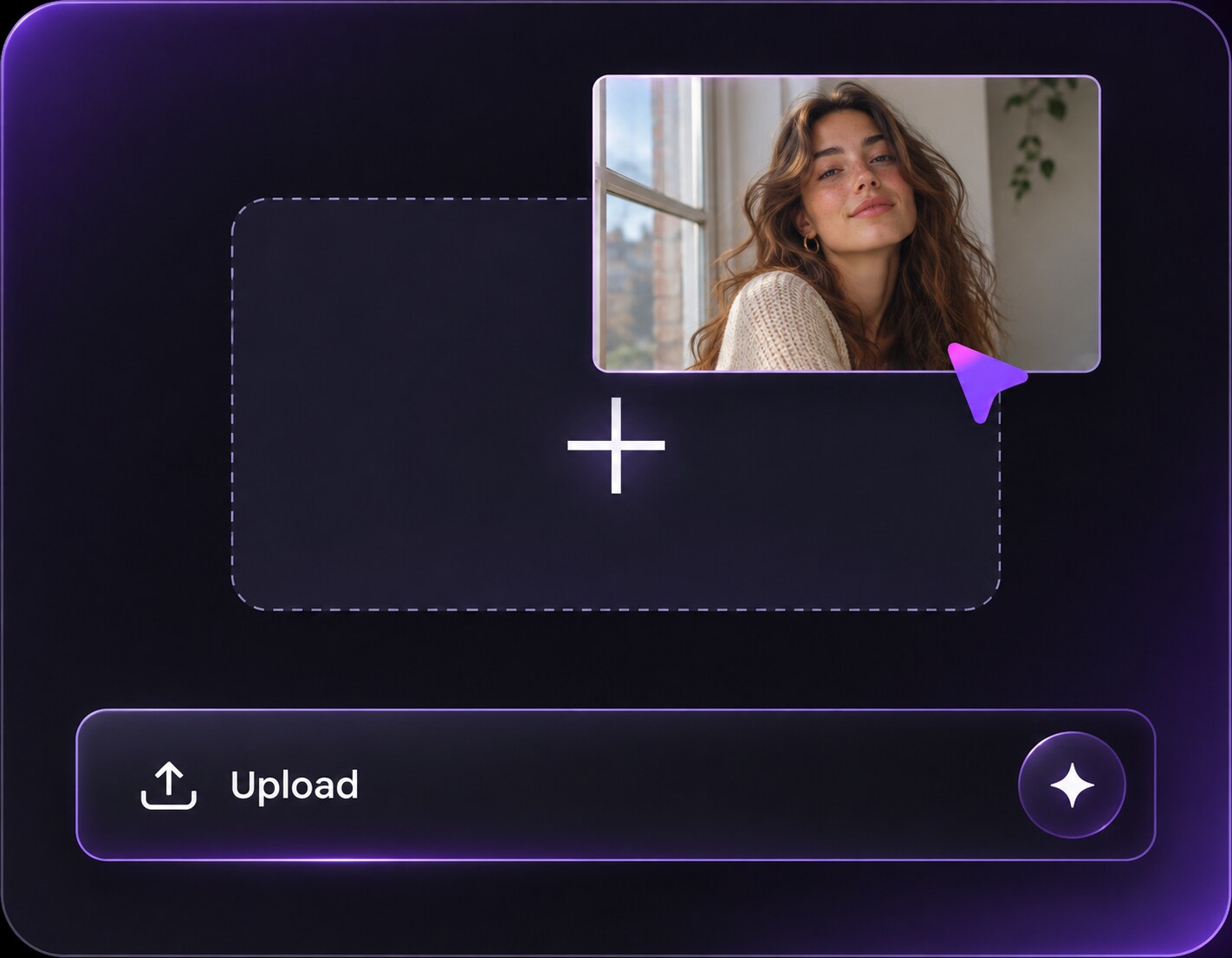
Step 1
Upload Your Original Portrait
Open Media.io AI Face Editor and upload a clear portrait with visible eyes, cheeks and lips. For espresso, start with even lighting and avoid strong existing makeup that hides the intended change.
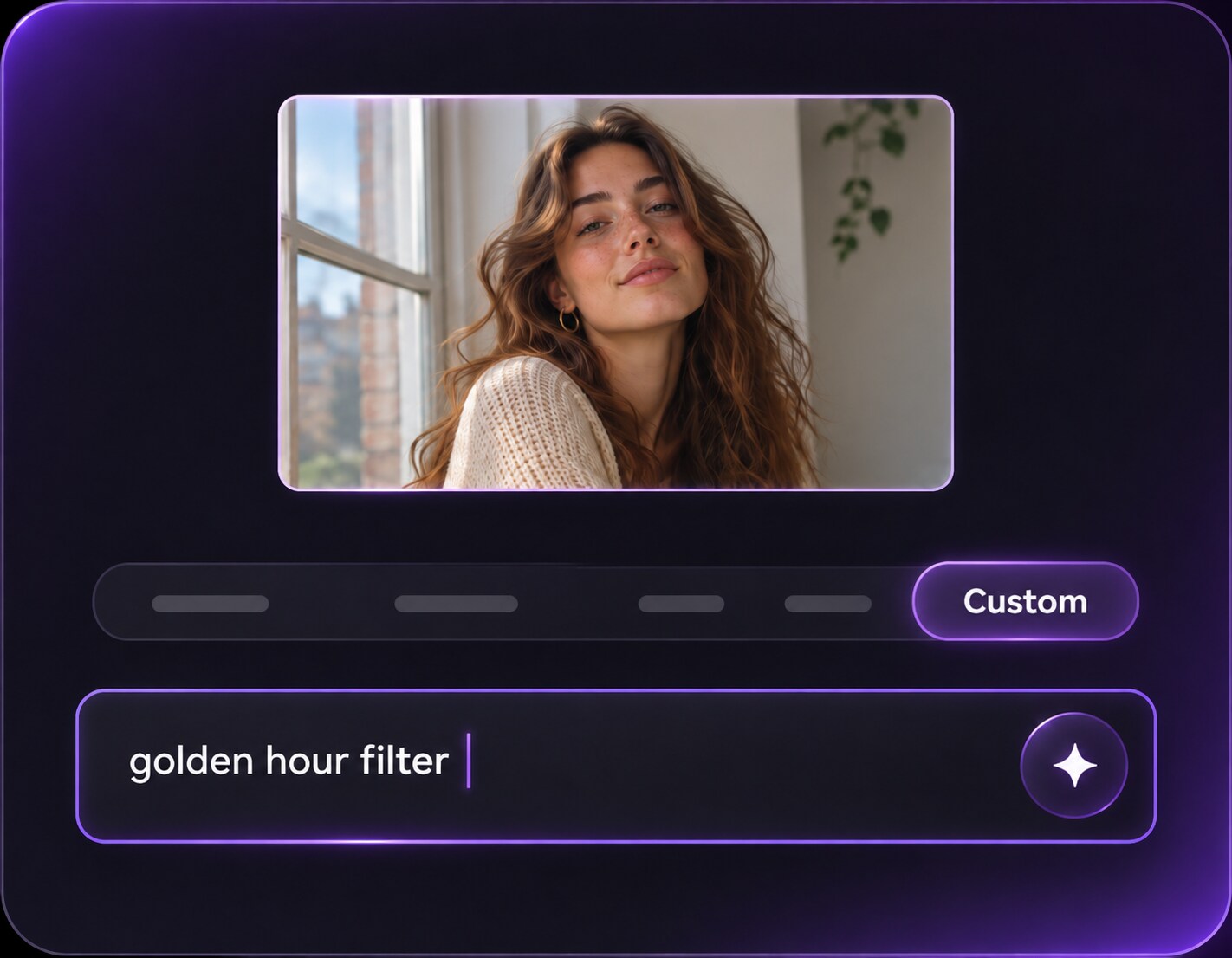
Step 2
Describe the Espresso Makeup
Enter a custom prompt for deep roast smoke or another espresso variation. Ask for layered deep coffee-brown smoky eyes, softened near-black liner, softly sculpted cheeks and cocoa lips, and explicitly keep your skin tone, facial proportions, hair, clothing and background unchanged.
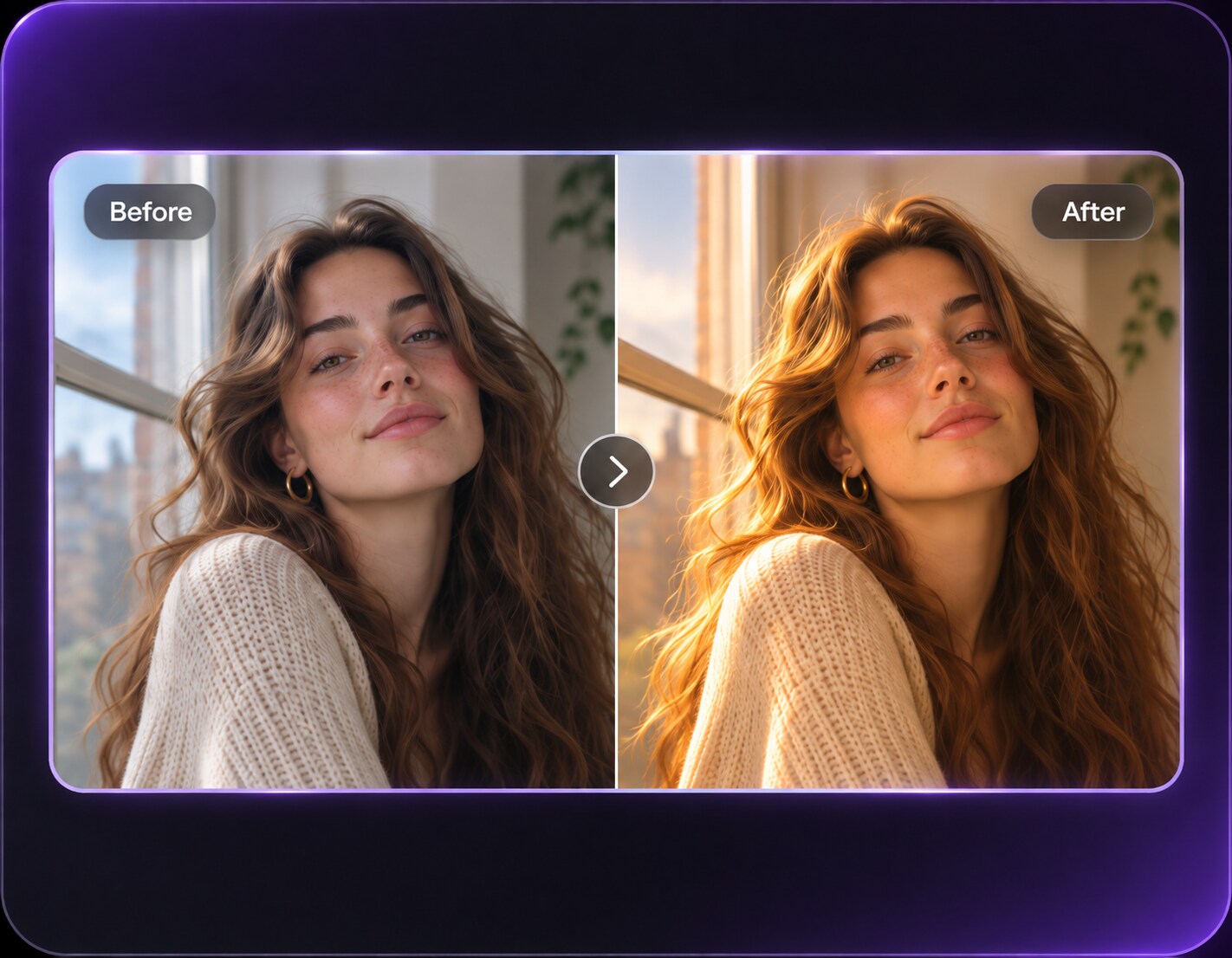
Step 3
Generate and Compare the Result
Click Generate and inspect the edited photo beside the original. Check the makeup placement and realistic edges; revise the prompt if smudged espresso wing feels too strong or the face changes.
Planning a dinner outfit test, a concert-night portrait or a low-light editorial selfie? Pick the source portrait that matches your goal, then compare makeup placement on the same person. No costume, new hairstyle or replacement background is needed.
Test the Camera Look for Dinner Outfit Test
For a dinner outfit test, smudged espresso wing may look different once it is shown beside your own complexion. Dark espresso pigment around both eyes can shorten the visible eye shape if it has no soft upper edge. Use a clear portrait to see whether the shade has enough contrast without altering your original skin tone.
Build a Mood Board for Concert-Night Portrait
Try bronze espresso blend for a concert-night portrait. A deep smoky brown lid needs a visible gradient from the lash line rather than a uniform black patch. The point is not to transform the location or outfit, but to see whether the visible makeup detail supports the mood you planned.
Compare a Different Intensity for Low-Light Editorial Selfie
A low-light editorial selfie often needs a different level of definition. Check soft day espresso against satin espresso glam; a cocoa lip can balance the dark eye, but a second near-black statement lip changes the mood completely. Treat the generated look as a reference, not proof of how cosmetics will last.
Makeup Photo Preview Checklist
Color Placement
Makeup preview checklist
"Check the eyes and cheeks" Does deep roast smoke follow believable eye and cheek placement without a flat filter overlay?
Real Skin Texture
Makeup preview checklist
"Look beyond the color" Keep pores, fine skin details and the original complexion readable rather than approving a plastic-smooth face.
Face and Hair
Makeup preview checklist
"Compare to the original" Check facial anatomy, expression, hair and jewelry for unintended edits before saving the picture.
Scene and Lighting
Makeup preview checklist
"Keep the photograph coherent" Make sure the makeup still works with the source light and the setting of your dinner outfit test.
1. How would the espresso makeup filter change my photo?
The edit focuses on layered deep coffee-brown smoky eyes, softened near-black liner, softly sculpted cheeks and cocoa lips. A deep smoky brown lid needs a visible gradient from the lash line rather than a uniform black patch. For a useful comparison, try deep roast smoke and glossy coffee lip under the same lighting. The output should show a makeup choice, not a different face or outfit.
2. How is espresso different from soft mocha shadow?
Keep espresso deeper and moodier than latte or mocha, without turning the entire image black. For an easy visual test, keep the portrait constant and change only the lip, cheek or eye instructions. Look for actual makeup placement, depth and finish - not a change in skin tone or overall camera exposure.
3. Which portrait makes deep roast smoke easier to preview?
A clear three-quarter or front-facing portrait with visible lids, cheeks and lips works better than a face hidden by heavy existing makeup. Dark espresso pigment around both eyes can shorten the visible eye shape if it has no soft upper edge. For deep roast smoke, keep natural skin detail and enough room around the face to see where the color lands.
4. Can I adapt the look for a dinner outfit test?
Yes, but treat the context as part of the styling decision. For a dinner outfit test, start with soft day espresso and then try satin espresso glam. A cocoa lip can balance the dark eye, but a second near-black statement lip changes the mood completely. Keep the original clothing and accessories so you are testing makeup, not a new photograph.
5. Will AI makeup editing preserve my original facial features?
The prompt can request the same recognizable face, skin tone, hair, expression and photo composition. AI results can still shift details, particularly near the eyelashes, lips and nose. Compare the generated result with your input and regenerate with a narrower request if anatomy changes.
6. Can a espresso preview replace a real makeup trial?
A virtual preview is an illustration of makeup choices, not a live product test. Photo lighting must preserve the brown pigment; a blanket dark filter would hide the difference from ordinary black smoky makeup. Use smudged espresso wing or wedding guest espresso to discuss colors and placement, then test actual product texture, comfort and wear under your event lighting.