Your Duo, Your OOUUH Moment
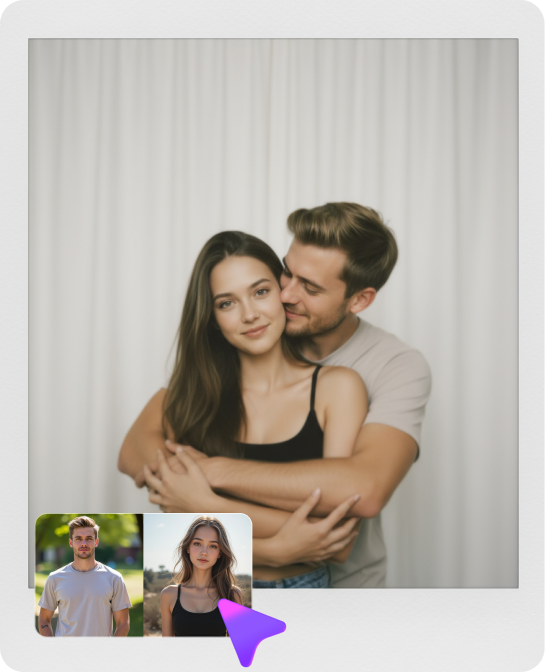
Turn two portraits into a funny kitchen performance. Assign one person to the ukulele and the other to vocals, then swap roles for a different version.
Turn your photos into an OOUUH AI Kitchen Duet. Put yourself, a friend, or your pet in a playful ukulele-and-vocals performance inspired by the Fredo Bang “What You Want Me To Do” trend. Customize the cast, copy a ready-to-use prompt, and create a shareable AI video.
 Source Image 01
 Source Image 02
See how two photos become a playful Fredo Bang-inspired AI kitchen duet.
Use clear photos of your singer and ukulele player; results depend on the selected AI model.
Turn two portraits into a funny kitchen performance. Assign one person to the ukulele and the other to vocals, then swap roles for a different version.
Recreate the casual phone-video look: ukulele strumming on the left, expressive singing on the right, head tilts, smiles, and lively reactions.
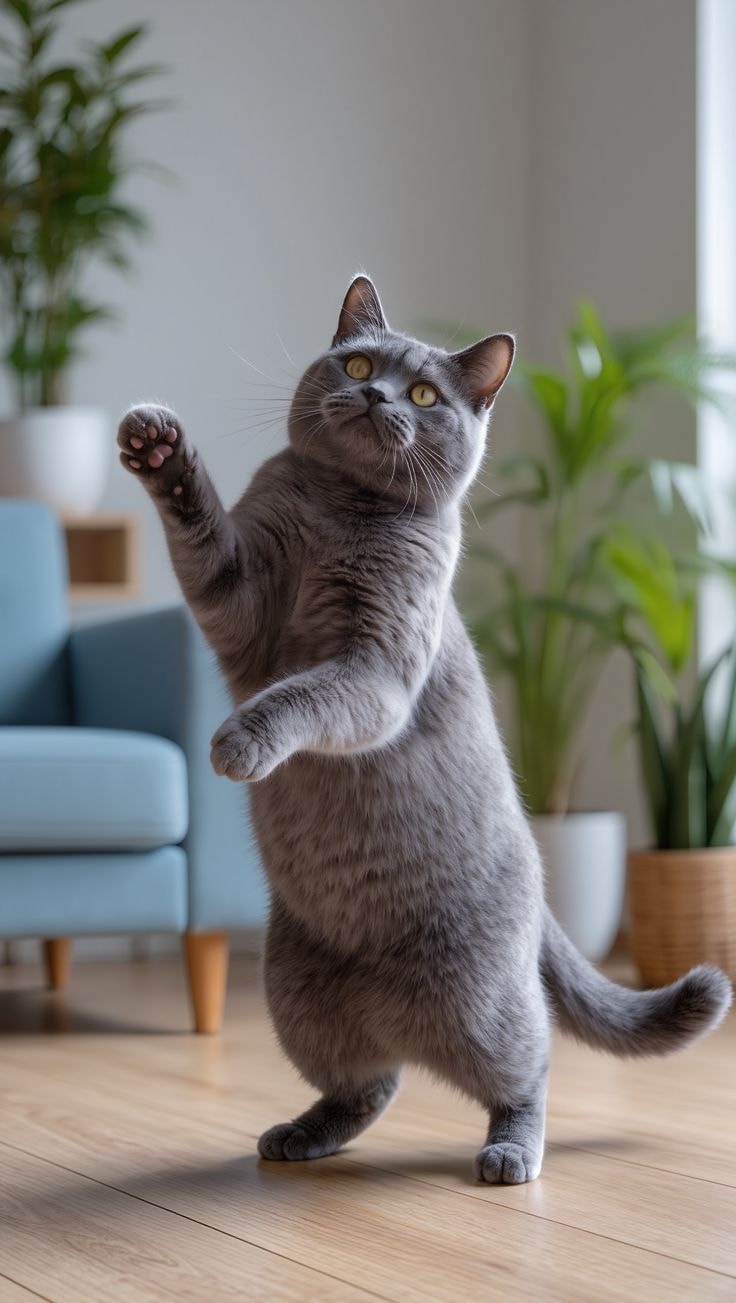
Try a best-friend duet, a couple performance, or a playful pet remix. Describe the subject’s face, fur, outfit, and movement to help preserve its identity.
Plan a vertical 9:16 clip for TikTok, Reels, or Shorts. Add licensed audio during editing when the generator does not support the original soundtrack.
Upload a clear photo of the singer and another of the ukulele player. Some tools allow a single subject to play both roles; check your selected model’s input options.
Describe the singer on the right, ukulele player on the left, warm indoor lighting, natural phone-camera framing, and expressive gestures. Use a motion reference only if supported.
Generate your Fredo Bang-inspired AI video. Review hands, faces, instrument contact, and lip movement. Add audio you have permission to use, then export your favorite version.
Copy this prompt into Media.io or a compatible image-to-video tool. Adjust the characters and choose music you have rights to use.
Create a photorealistic vertical 9:16 AI kitchen duet video inspired by a casual viral phone recording. Two characters stand side by side in a cozy apartment kitchen at night. Character 1 on the left strums a small ukulele with believable finger movements and smiles. Character 2 on the right sings an upbeat, original melody, sways with one hand near the chin, tilts the head back on a long note, and reaches playfully toward the camera. Maintain each subject’s recognizable face, hairstyle, outfit, and body proportions from the supplied photos. Single continuous handheld shot, natural room lighting, joyful timing, clear instrument, realistic hands, no extra people, no logos. Do not imitate a real person’s voice or use copyrighted audio without permission.
Maya · Short-form creator
I would cast my best friend as the singer and myself as the ukulele player for a playful kitchen reel.
Jordan · Pet content creator
A pet version could make the two-person performance unexpectedly funny while keeping my dog recognizable.
Alex · Music video hobbyist
The simple camera framing lets the expressions and ukulele become the focus of the scene.
It is a photo-to-video remix inspired by a kitchen performance featuring Fredo Bang singing and Einer Bankz playing ukulele. AI versions place new characters in the singer and player roles. “What You Want Me To Do AI trend” is another common search phrase.
Start with clear photos, assign the singer and ukulele player, and use an OOUUH AI video prompt to describe the scene and movements. Generate with a compatible image-to-video model, review the output, and add appropriately licensed audio if needed.
Some specialized templates can place the same subject in both roles. Other workflows need two separate images or a combined scene image. Media.io capabilities vary by selected model; check available inputs before generating.
Do not assume it does. The original song and recording may be protected by copyright. A general-purpose AI video generator may produce silent video or its own audio. Add music you have permission to use during editing.
Specify the kitchen setting, left-side ukulele player, right-side singer, handheld phone framing, head-back singing gesture, believable strumming, and consistent faces. If exact choreography matters, use a reference-video-capable workflow when available.