Identity-Preserving 80s Makeovers
Keep your face recognizable while changing only the hairstyle, outfit, accessories, backdrop, flash, and film texture. This makes the result feel like a real 1980s photograph instead of a costume filter.
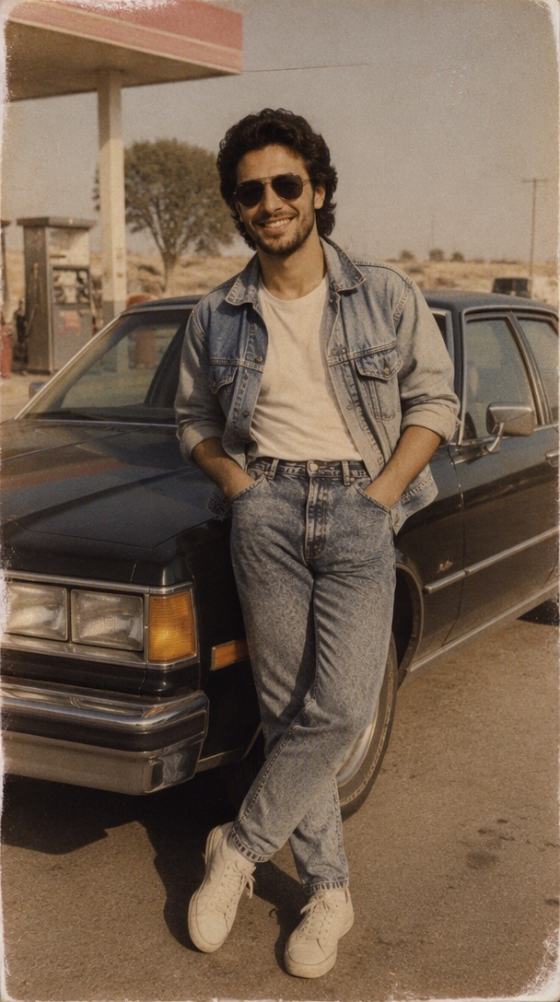
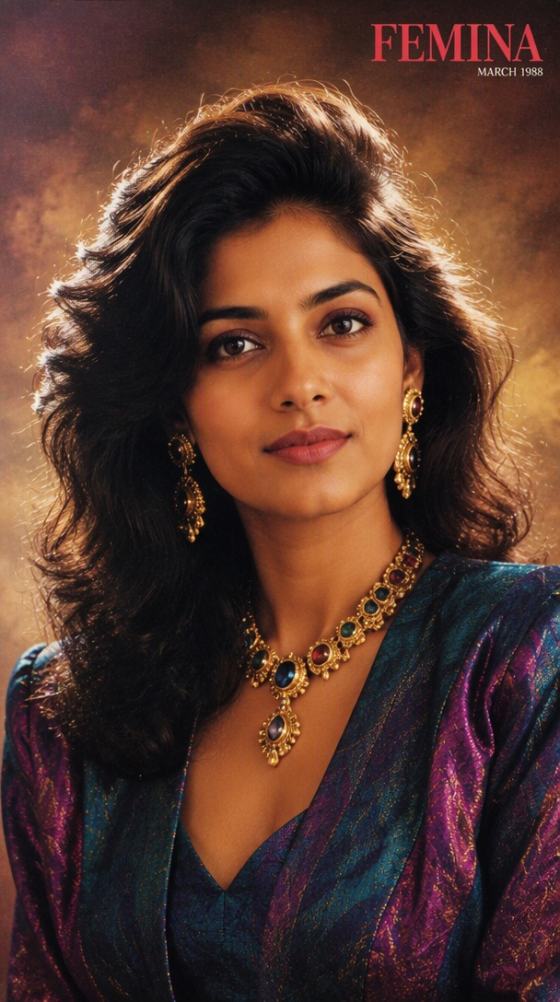
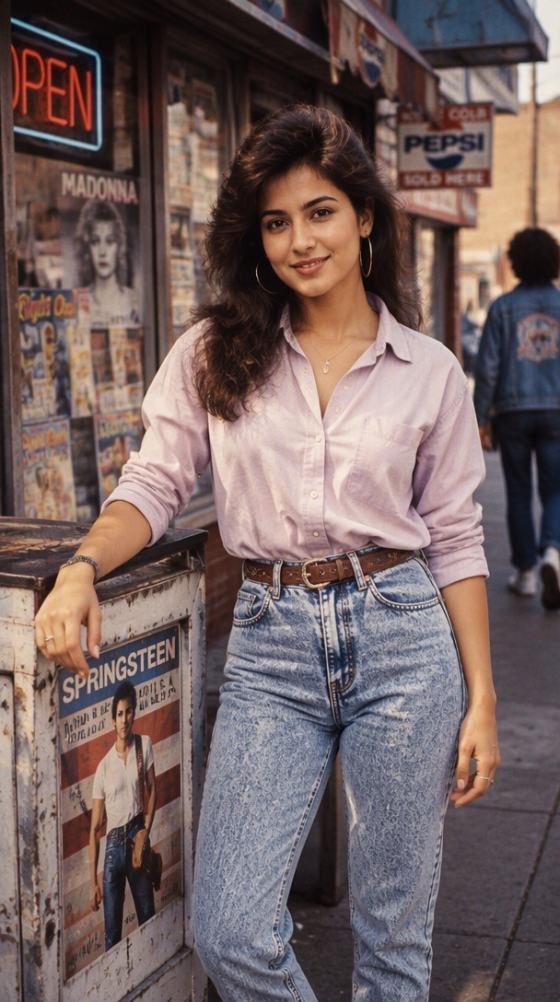
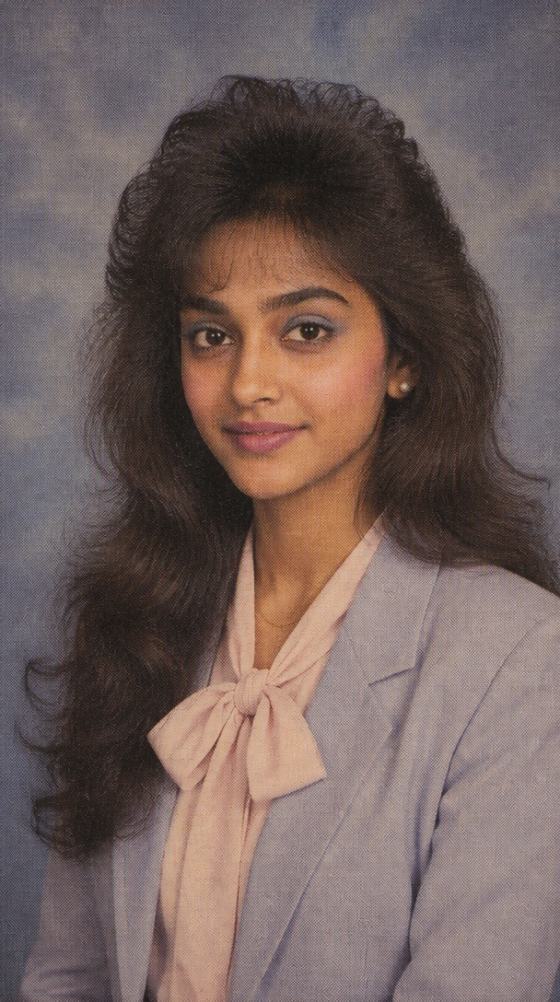
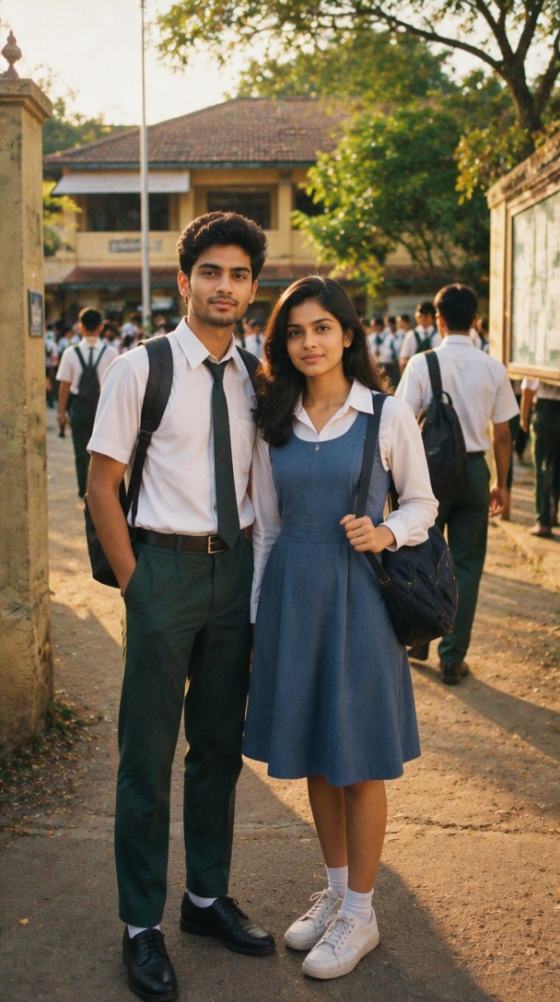
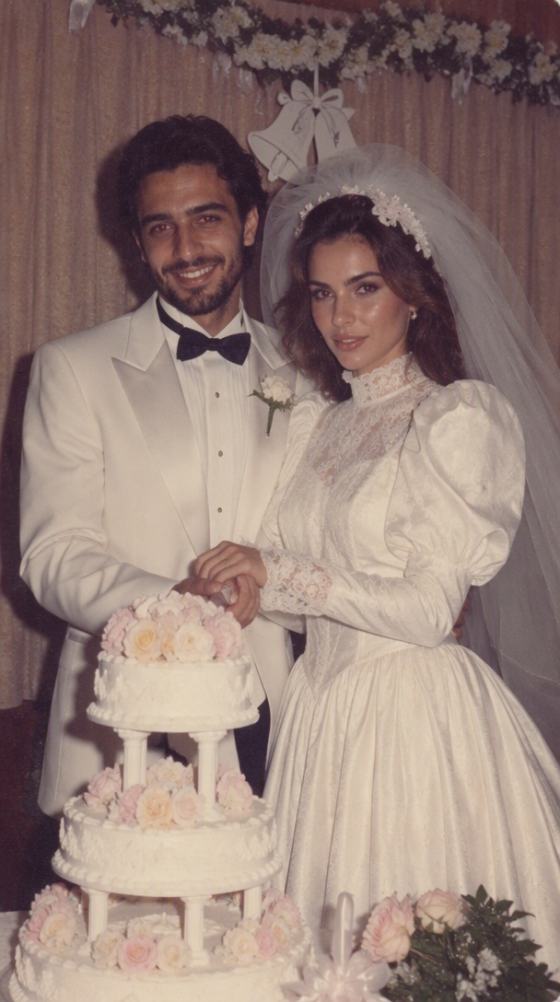
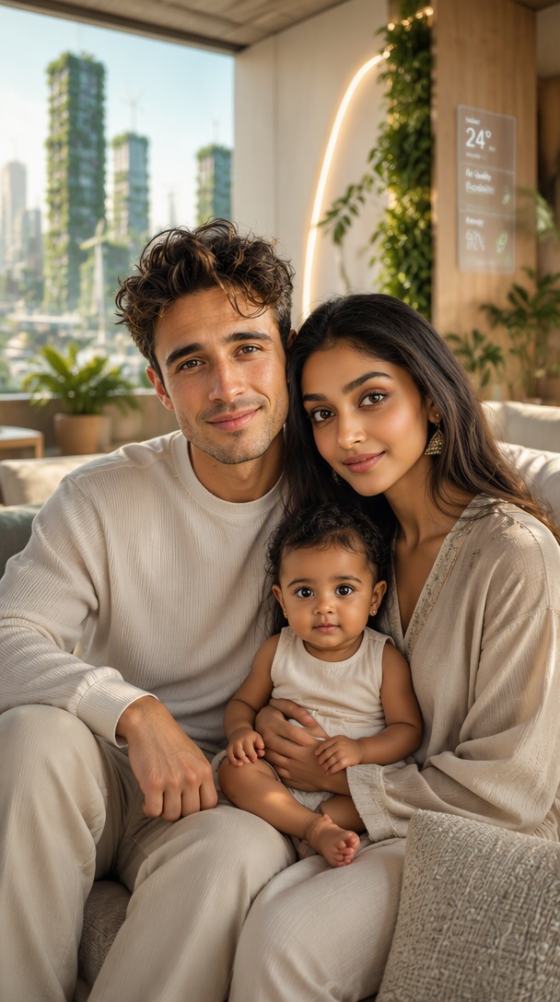
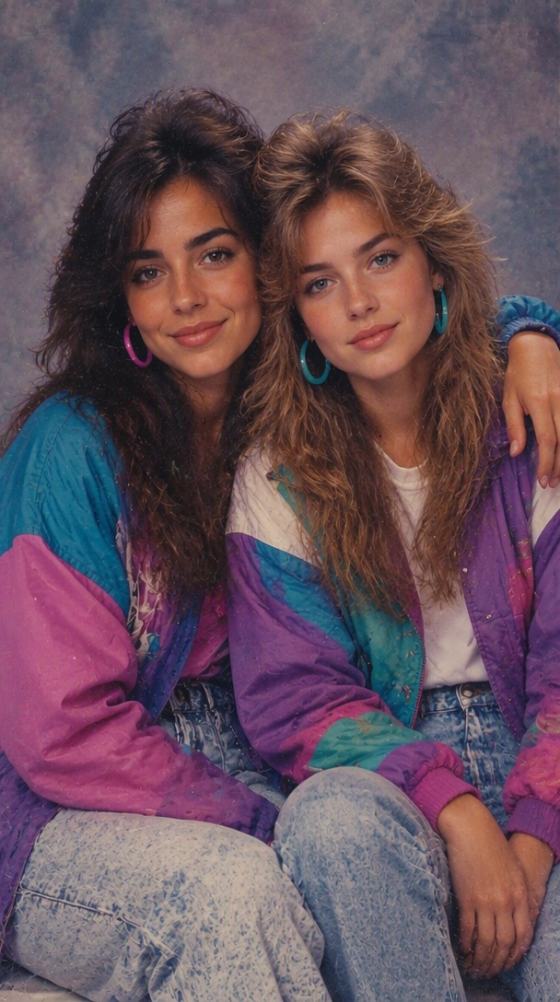
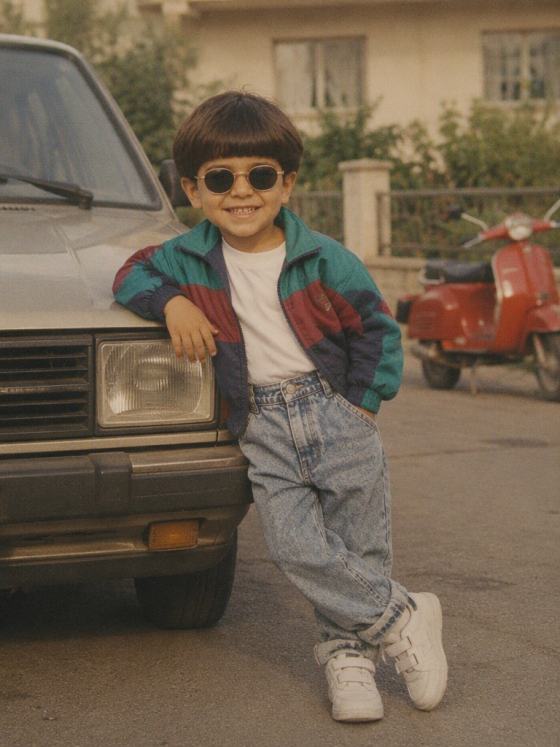
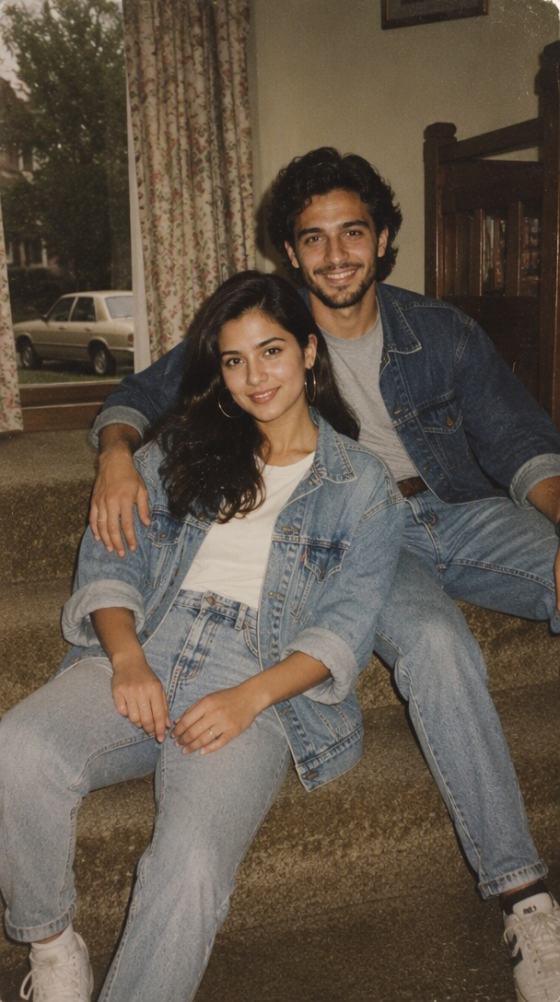
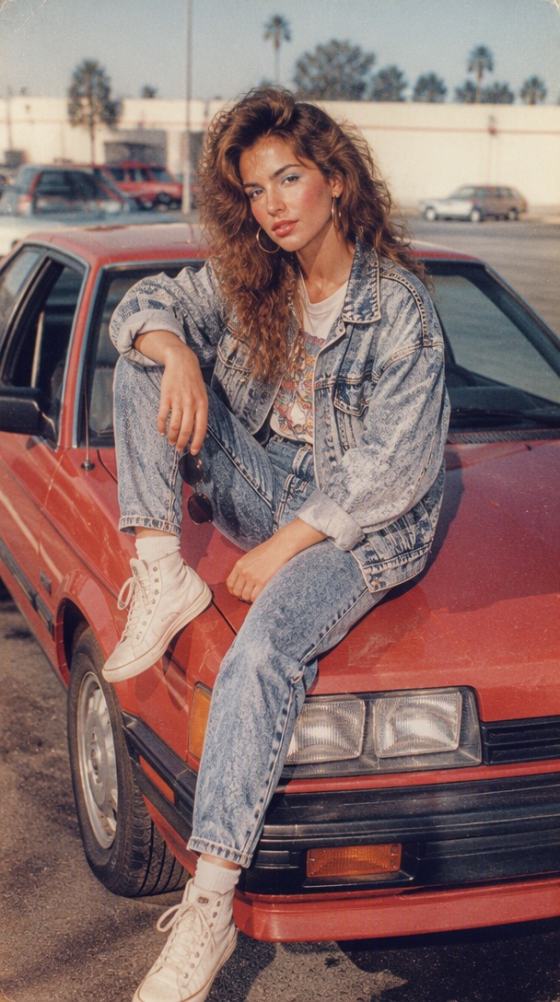
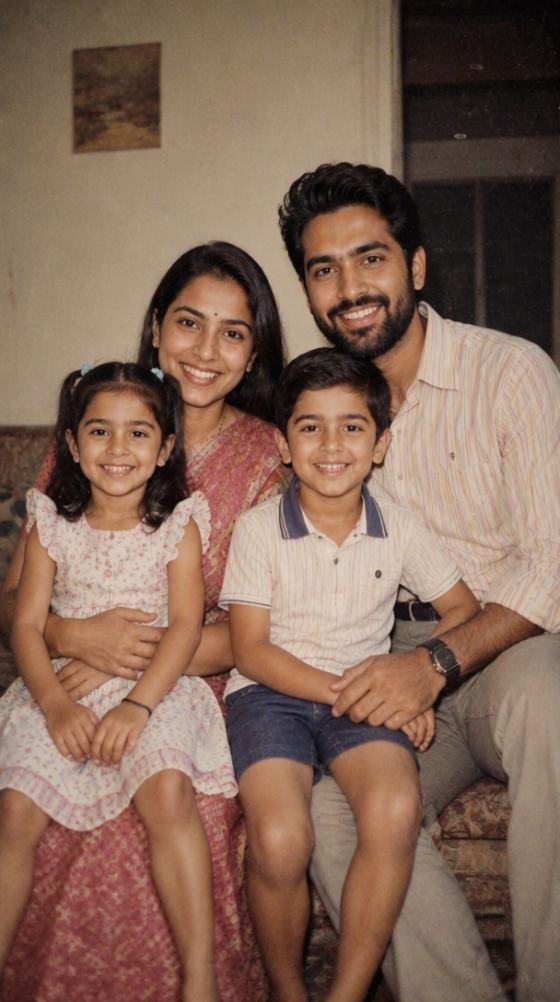
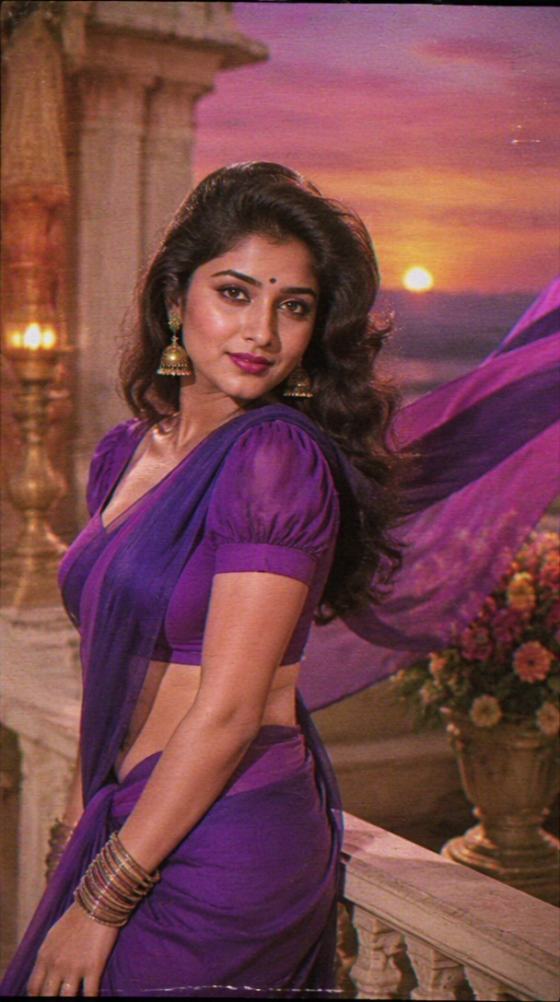

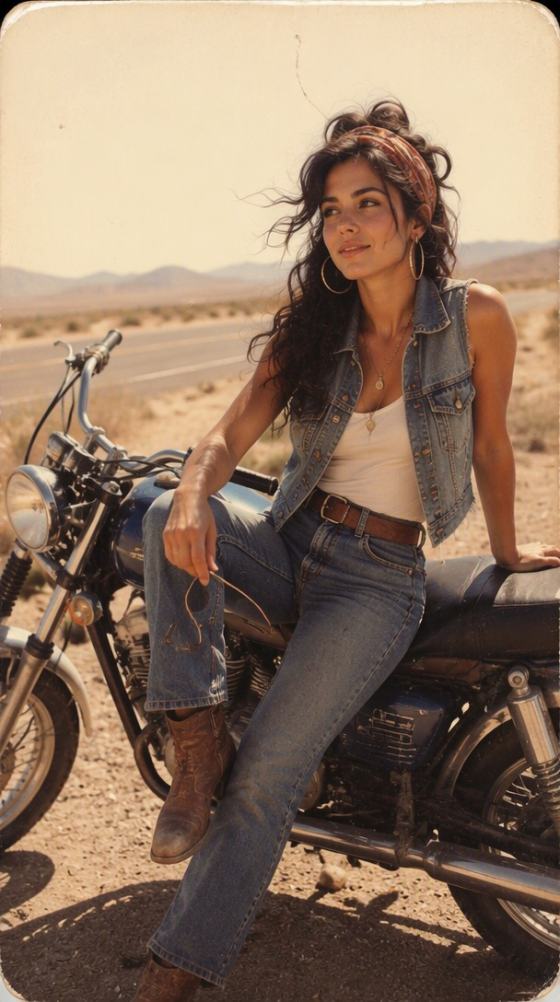
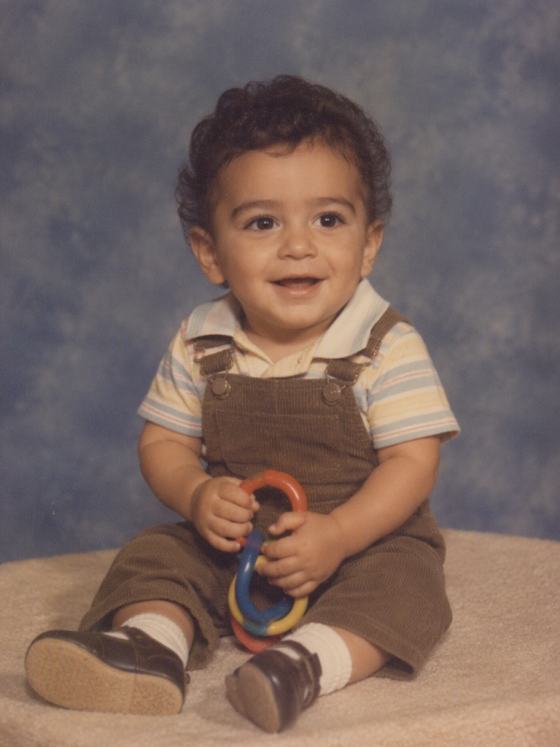
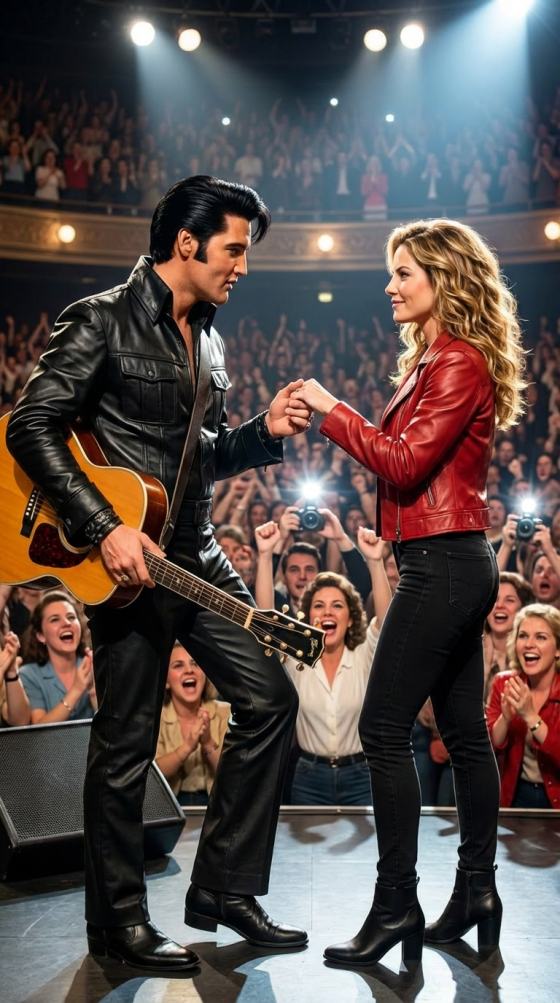
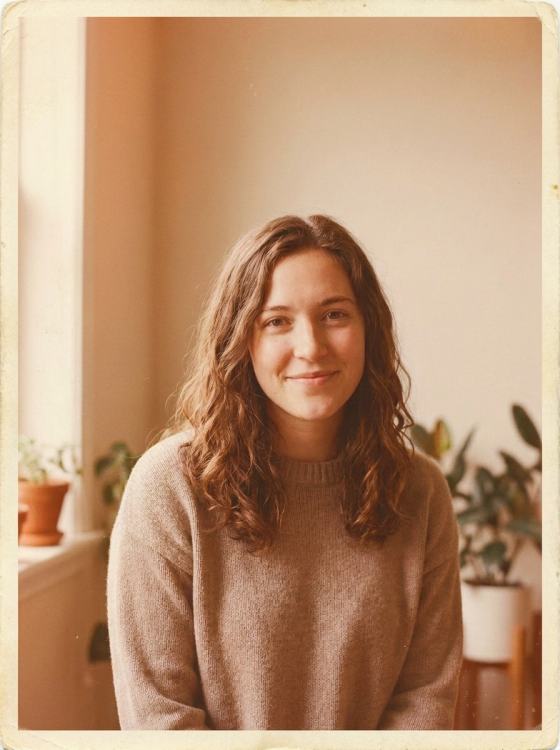
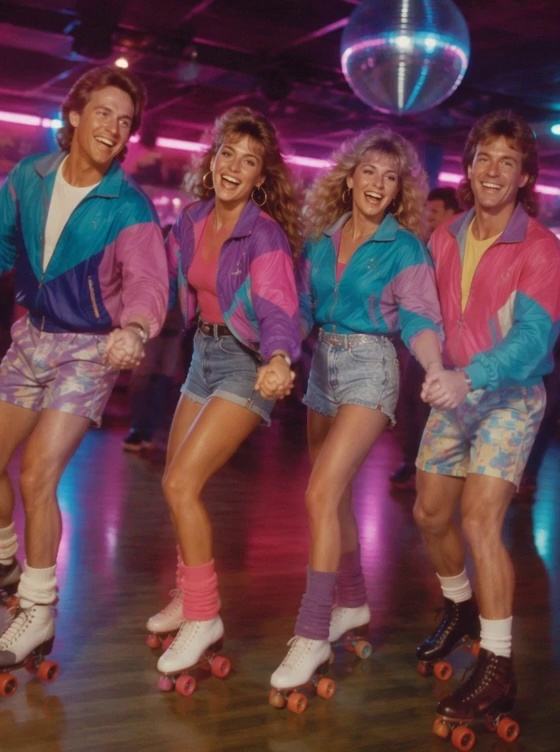
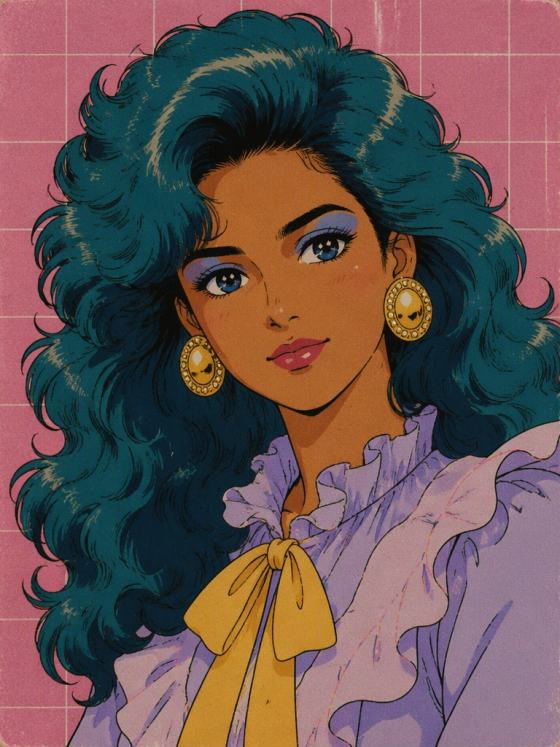
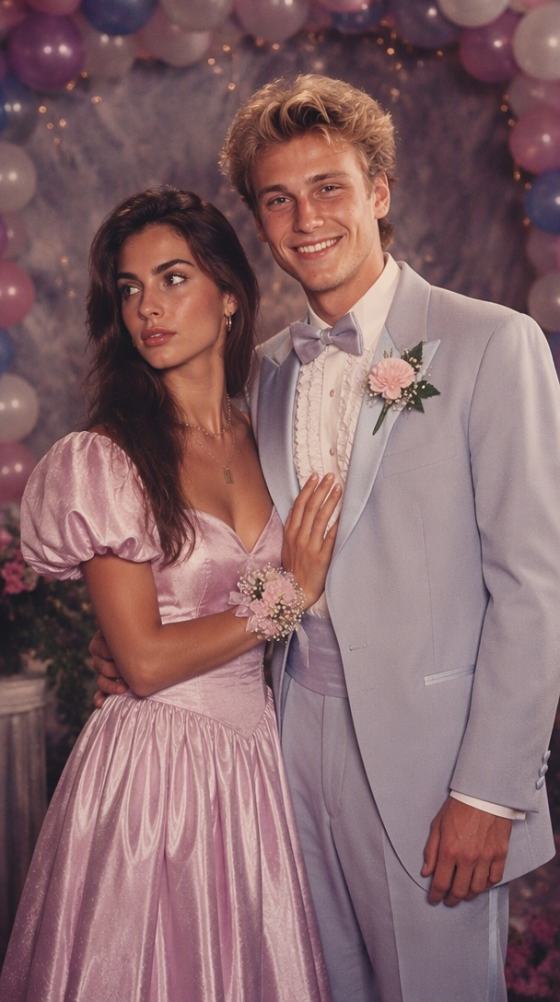
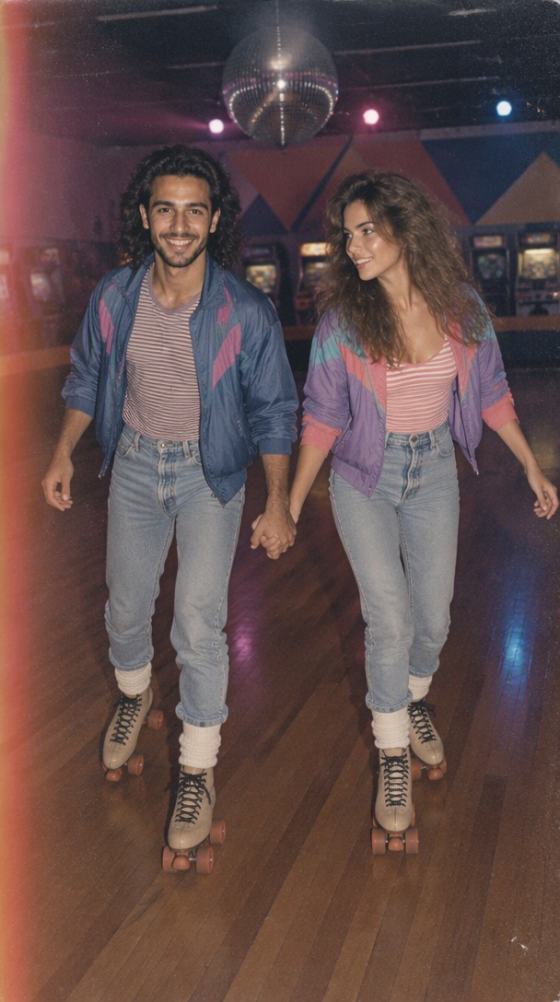
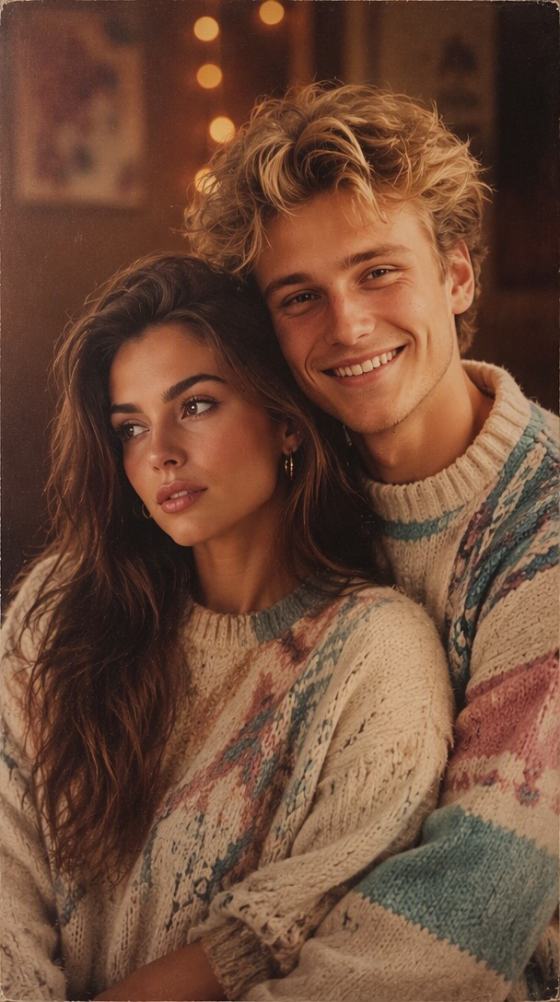
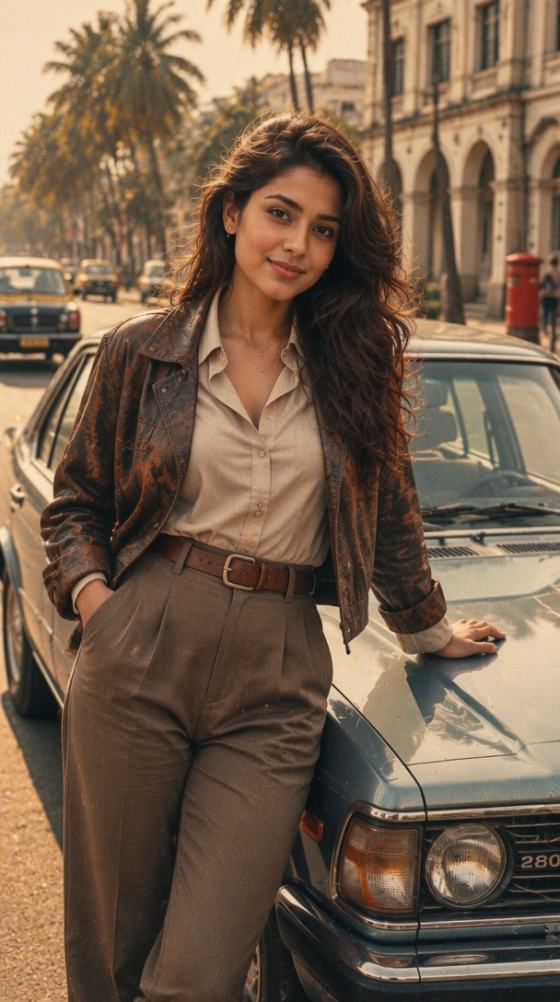
Use a ready-to-copy ChatGPT 80s-style photo prompt to see what you would have looked like in the 1980s. Preserve your face while changing hairstyle, clothing, lighting, film texture, and backdrop for realistic yearbook, prom, neon, couple, studio, and analog-photo looks.
Use a clear portrait so the AI can preserve your identity while changing only the decade styling.
Keep your face recognizable while changing only the hairstyle, outfit, accessories, backdrop, flash, and film texture. This makes the result feel like a real 1980s photograph instead of a costume filter.
Recreate period-correct direct flash, mottled studio backdrops, faded film color, soft analog grain, mild lens softness, halation, and slightly imperfect exposure for believable 1980s photos.
Turn one portrait or couple photo into an 80s yearbook, prom photo, neon arcade scene, cozy studio portrait, or analog snapshot while preserving the same recognizable face.
Instead of applying a generic retro filter, use a detailed prompt that controls identity, hairstyle, wardrobe, camera, flash, film grain, backdrop, and era-specific objects for more accurate results.
Choose a clear solo or couple portrait with visible facial features. Front-facing and three-quarter photos work best for identity preservation.
Pick yearbook, prom, neon arcade, cozy couple, studio portrait, or analog snapshot. Describe decade-specific hair, clothes, backdrop, flash, camera feel, and film texture.
Generate several versions, check face consistency and period accuracy, then refine only the parts that look too modern or too stylized before exporting your favorite image.
Create a believable mid-1980s studio portrait with feathered hair, pastel knitwear or denim, direct flash, mottled blue-grey backdrop, soft analog grain, and slightly faded film color.
Recreate classic school-portrait or prom aesthetics with period hair, laser or starburst backdrops, puffed sleeves, ruffled tuxedo shirts, corsages, balloon arches, and direct-flash print-photo texture.
Build a late-80s neon arcade, diner, or vintage-car scene, or use a casual point-and-shoot look with washed colors, light leaks, film grain, and scanned-photo softness.

Portrait Creator
“Looks like a real yearbook.” The direct flash, faded color, and soft backdrop made the result feel much more period-correct than a generic retro filter.

Social Creator
“My face still looks like me.” I liked being able to change the decade styling without losing the features that make the photo recognizable.

Couple Creators
“Prom and neon both worked.” We could test a formal prom portrait and a neon arcade scene while keeping both faces stable.
A ChatGPT 80s-style photo prompt is a detailed instruction that transforms a reference photo into a believable 1980s image while preserving the person's identity. Strong prompts specify period-correct hair, clothing, accessories, studio backdrop or environment, direct flash, analog film grain, faded color, and mild lens softness.
Lock the original face first, then specify period photography: direct on-camera flash, mottled portrait backdrops, faded warm colors, soft analog grain, slight halation, mild lens softness, period-correct clothes, and no modern objects.
Use a centered chest-up school portrait, feathered or permed hair, pastel sweater or collared shirt, direct flash, soft shadow behind the shoulders, mottled blue-grey background, subtle laser or starburst graphics, faded film color, and gentle analog grain.
Yes. Preserve both faces, then add period-specific couple styling such as puffed-sleeve prom dresses, pastel formal jackets, ruffled shirts, corsages, balloon-arch backdrops, cozy knit sweaters, neon arcade scenes, or a vintage-car diner setting.
Yes. After generating the still image, use subtle image-to-video motion such as one blink, a slight gaze shift, a small smile, gentle breathing, hair movement, and a slow camera push-in while keeping the analog look stable.
 4.7 (162,357 Votes)