Two Images, Two Consistent Roles
Assign Image 1 to the original female role and Image 2 to the original male role. These labels identify the source performers; your replacements can be any gender. Keep the same mapping throughout.
Put yourself and someone you choose into the Raindance AI trend inspired by Dave and Tems. Use two reference images and a video clip to guide pier scenes, solo singing close-ups, and beach interactions. Explore Raindance AI video prompts for replacing both performers’ faces, bodies, and outfits across every shot.
Prepare two clear character images and a Raindance reference video.
Assign Image 1 to the original female role and Image 2 to the original male role. These labels identify the source performers; your replacements can be any gender. Keep the same mapping throughout.
Use the Raindance reference video to guide the pier setting, solo performance, shared beach scenes, and camera movement. Follow the actions and cuts in your chosen clip.
Use your images to guide each replacement’s face, hair, body, and outfit. Clear full-body references help define clothing and proportions; the video supplies the poses and performance.
Check both solo and shared shots before downloading. The same replacement must return after every cut, including the female singer’s close-ups. Preserve the reference framing, then crop for social platforms if needed.
Choose a workflow that supports reference-video editing and two character images. Add your Raindance clip and identify both performers in the pier, solo singing, and shared beach shots.
Use Image 1 for the female role and Image 2 for the male role. Upload one subject per image with a clear face and visible outfit. Use photos of yourself or people who have agreed to appear.
Copy a Raindance AI video prompt and specify both replacements, including every solo shot. Review identities, outfits, mouth movements, and cuts. Add your chosen soundtrack separately if your workflow exports silent video.

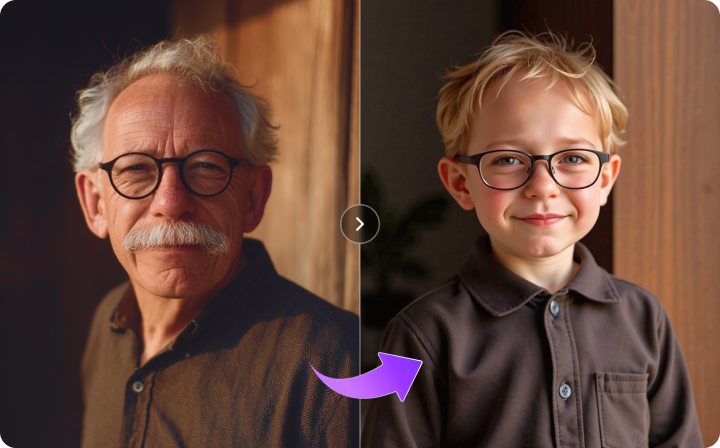
Creative example

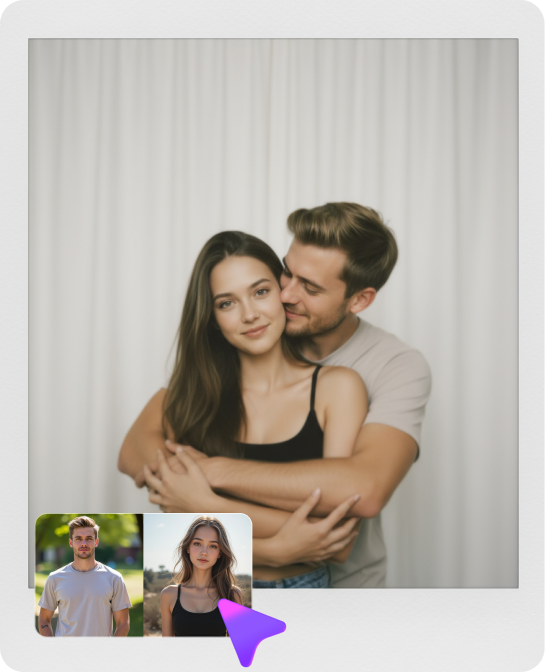
Make your couple the stars of the video. Use one image of each partner to recreate the Raindance couple video look. Assign both roles clearly and guide affectionate glances, pier scenes, and beach interactions with the reference clip.
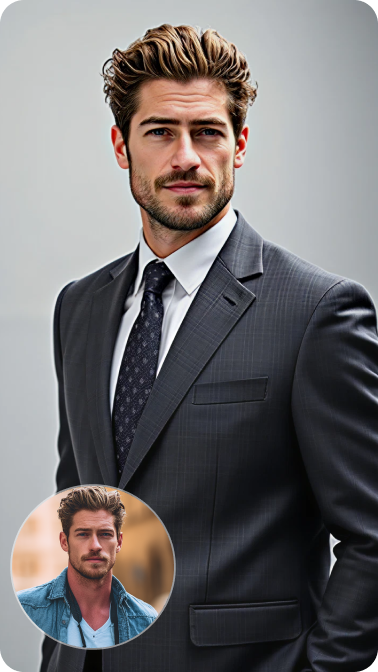
Creative example
Turn the performance into a friendship moment. Cast two best friends in the singer and companion roles, regardless of gender. Keep their faces and outfits distinct, and use relaxed smiles and friendly gestures for a playful Raindance AI duet.
Creative example
Give two family members their own music-video moment. Use images of two adult relatives, such as parents or siblings. Preserve their recognizable features and age appearance while adapting the reference interactions into warm family companionship.
Creative example
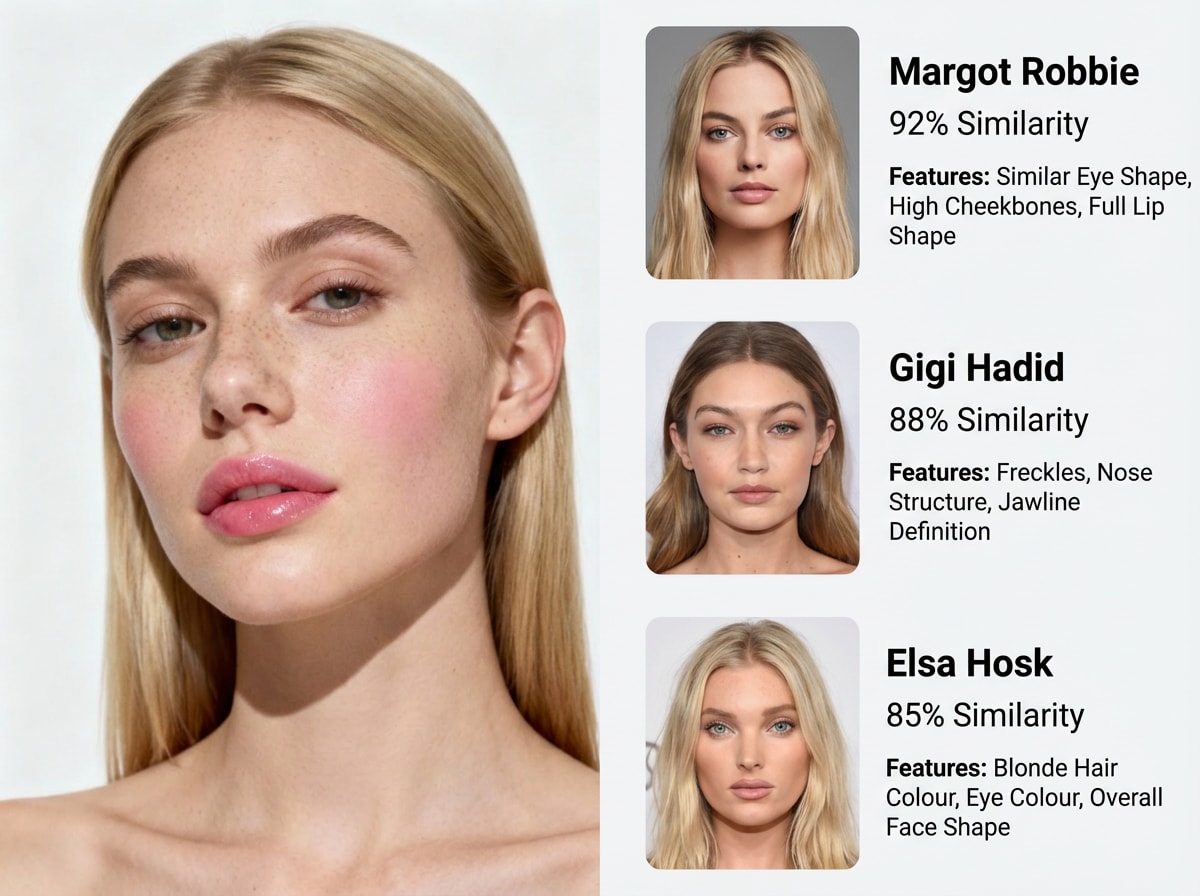
Try a different cast for the same scene sequence. Pair yourself with your pet or use two original fictional characters. Request complete subject replacement, preserving animal anatomy or character designs rather than attaching a new face to the original human body. These versions need a compatible workflow and testing.
The Raindance AI trend uses uploaded images to place new performers into seaside music-video scenes inspired by Dave and Tems’ Raindance. Common elements include a wooden pier, singing close-ups, and two people interacting on the beach. Your reference clip determines the exact shots, timing, and framing.
Use a workflow that accepts a reference video and two character images. Assign Image 1 to the original female role and Image 2 to the original male role, then specify complete face, body, and outfit replacement. Generate and review every solo and shared shot. Ordinary image-to-video generation may require creating separate scenes instead of editing the original clip.
A workflow may lose a character’s assignment after a cut or leave solo shots unchanged. Identify the woman by her original appearance and explicitly assign Image 1 to her pier appearance, solo close-ups, shared beach shots, and final solo shot. In the 10-second reference used here, the main solo section is approximately 4.5–7 seconds. If it still fails, edit the solo section separately using only Image 1.
You can request complete character replacement in a compatible video-editing workflow. Use clear reference images that show the intended face, hairstyle, body, outfit, and accessories. Ask the model to take appearance from the images and motion from the video. Results vary; some tools support face replacement only. For pets, specify full animal anatomy rather than a pet face on a human body.
Try: “Replace the original woman completely with Image 1 and the original man completely with Image 2. Use each image’s face, hair, body appearance, clothing, and accessories. Image 1 must also replace the singer in every solo close-up and the final solo shot. Follow the reference’s actions, mouth movements, timing, camera, backgrounds, and framing. Keep both identities consistent across cuts. No original faces or outfits may remain.” Accurate song lip-sync depends on the workflow and may need a separate audio-driven step.
 4.7 (162,357 Votes)